LEARNING
We are not done becoming.
Human beings can learn together, and what we learn can expand what becomes possible.
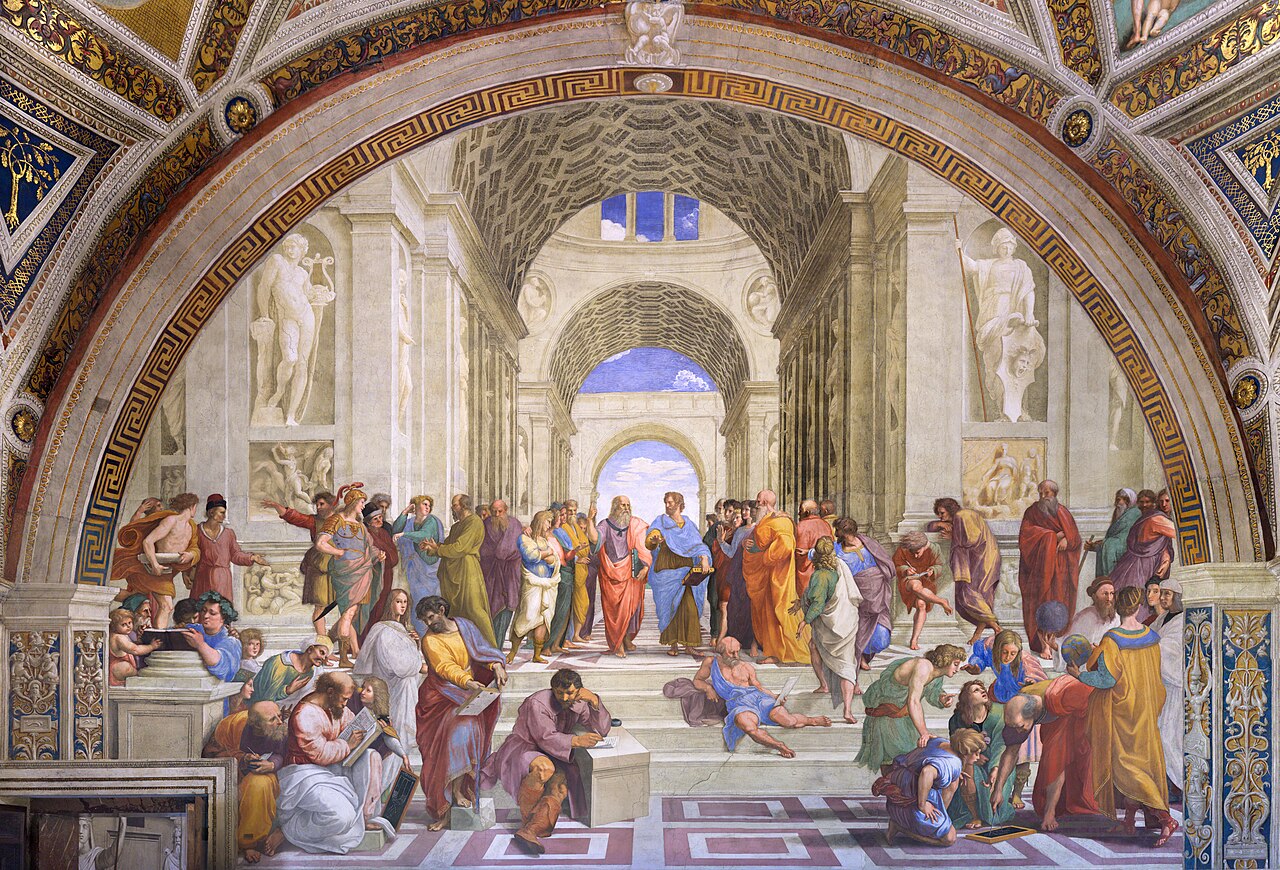
Raphael, The School of Athens, 1509–1511, Vatican Palace, Rome. Raphael imagined human knowledge not as the possession of a single great mind, but as a conversation extending across generations.
I started Love & Work because of a belief I have carried with me for most of my life: human beings have enormous unrealized potential.
We are biological creatures with the remarkable capacity to think, imagine, communicate, cooperate, make things, and learn from one another. Even more remarkably, we can pass what we learn to people we will never meet and generations not yet born. That seems to me to carry a responsibility. If we possess these capacities, then surely part of being human is learning how to use them well.
For a brief and exhilarating moment in the late 1960s and early 1970s, it seemed as though much of the culture was testing those capacities. What else could we learn about ourselves? How differently might we live? Assumptions about race, gender, war, work, sexuality, the environment, authority, and even consciousness itself were suddenly up for grabs.
One of the most consequential questions was how human beings actually develop. Researchers were paying closer attention to how children learn. Educators were questioning the distinction between learning and schooling. Psychologists were asking what conditions allow human capacities to emerge. Around me, people were experimenting with different ways of teaching, working, living, and learning together.
I absorbed a powerful idea from all of this. Curiosity, intelligence, imagination, and the desire to learn aren’t capacities that need to be installed in us. They are already there, ready to develop when given the conditions that allow them to flourish. That possibility has stayed with me ever since.
But our capacity to learn does not guarantee progress. Gloria Steinem had a useful name for part of what happens. She called it “frontlash.” Significant change creates backlash precisely because something has changed. People and institutions whose wealth, authority, status, and sense of control are threatened push back. Gains can be slowed, compromised, and sometimes reversed. But the resistance itself can be evidence that the starting point has moved.
And yet, when we pull the camera back far enough, something important becomes visible. Across many measures of human well-being and freedom, the gains have ultimately been greater than the take-backs.
That does not mean the work is finished. Slavery still exists, but much of humanity has learned to regard as morally indefensible what civilizations once accepted as ordinary. Women have gained rights that remain denied or threatened in many places. We learned how to prevent diseases that once routinely killed children, even as some of that hard-won knowledge is being challenged today. We have brought polluted rivers back to life while continuing to damage the living world on an enormous scale.
Progress is neither complete nor secure. What we learn can be resisted, forgotten, distorted, or deliberately undone. But over generations, knowledge can accumulate. Expectations can change. Gains that were once radical can become ordinary, providing the starting point for the next round of learning.
We are a learning species. That matters enormously right now. We have created technologies powerful enough to threaten our future. We have also created tools capable of expanding access to knowledge, intelligence, and one another on a scale no previous generation could have imagined.
There is nothing inevitable about what happens next. Our opportunity is to keep learning, to share what we learn, and to help others discover that they can learn and contribute, too.
That is why I keep gathering the stories in Love & Work. They are evidence of people learning how to do things differently, and then making what they learn available to the rest of us. My hope is that seeing what others have learned expands our own sense of what is possible—and inspires us to try something, too.
Hope doesn’t require believing that progress is inevitable. But it does require that we recognize that learning is possible, that learning accumulates, and that we can participate in what humanity learns next.
LEARNING, COLLECTIVE INTELLIGENCE
We inherit what others learned.
Joseph Henrich challenges the idea that humans succeeded because we are exceptionally intelligent individuals. Our advantage is that we learn from one another, inherit knowledge, and build on what others discovered. Learning can be forgotten or resisted, but reversals don’t always return us to where we started. Once another way is demonstrated, a new possibility enters the human repertoire.
BOOK: The Secret of Our Success: How Culture Is Driving Human Evolution, Domesticating Our Species, and Making Us Smarter
LEARNING, COLLECTIVE INTELLIGENCE
We know how to make a "we."
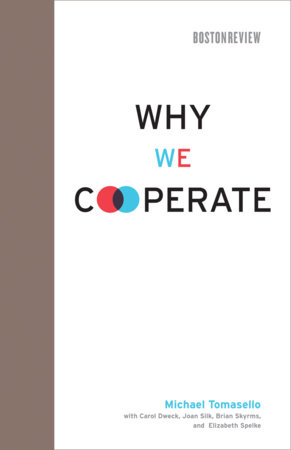
Humans have an unusual ability to understand that we are doing something together. Michael Tomasello calls it shared intentionality: establishing common goals, coordinating different roles, sharing attention, and adjusting our behavior to help one another succeed. This capacity makes shared knowledge, norms, institutions, and collective action possible.
BOOK: Why We Cooperate
LEARNING, COLLECTIVE INTELLIGENCE
We can learn how to govern ourselves.
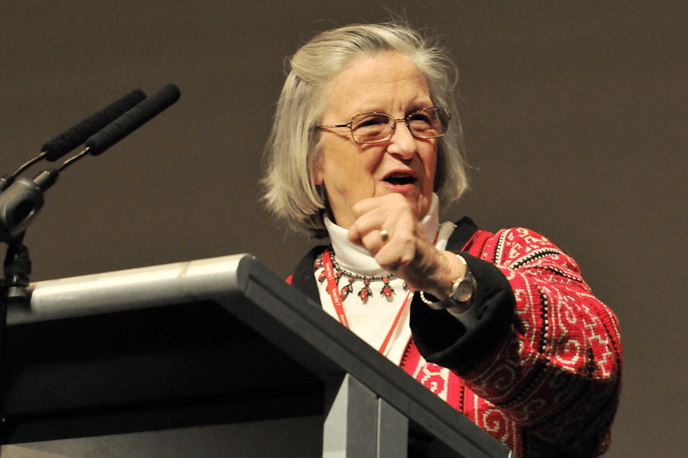
Elinor Ostrom studied communities that successfully managed shared resources without relying solely on markets or governments. While she didn’t find any single recipe, she did see recurring patterns: locally appropriate rules, participation, monitoring, conflict resolution, and growing trust. Her work demonstrates something profoundly hopeful: people can learn how to cooperate, turn that learning into durable institutions, and invent new ways of governing themselves.
LECTURE: Beyond Markets and States: Polycentric Governance of Complex Economic Systems
LEARNING, COLLECTIVE INTELLIGENCE
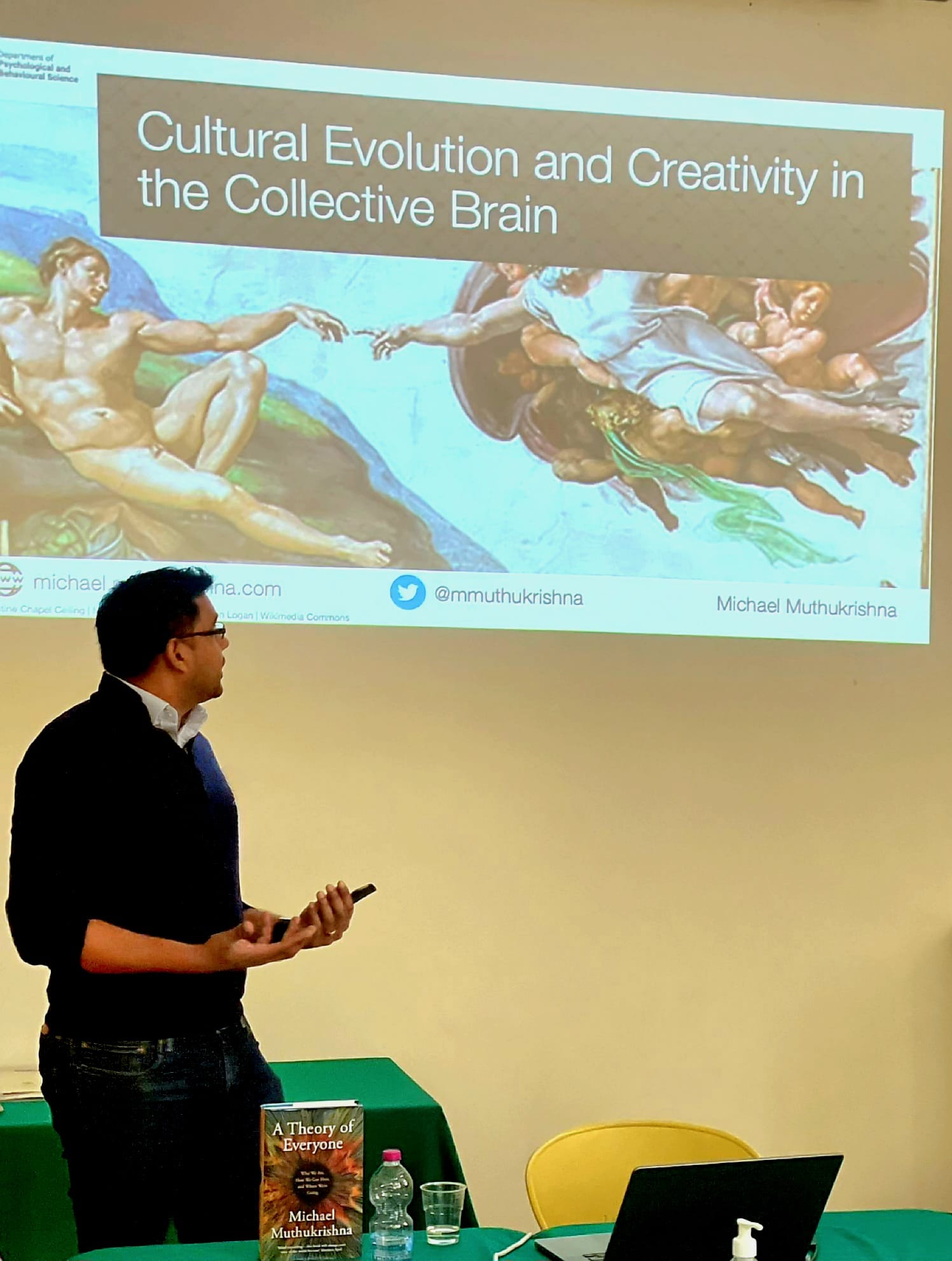
Maybe the smartest thing about us isn't inside our heads.
Here’s a radical idea: some human intelligence exists not inside individuals, but in the connections among us. Ideas circulate, accumulate, improve, and combine, allowing networks to accomplish what individuals cannot. The implication is enormous: collective intelligence depends on how well knowledge moves. Participation, access, diversity, teaching, communication, and institutions all shape how smart we can become together.
FOLLOW THE THREAD
One liners
ARTICLE: Wikipedia turns 25, having become the world’s largest encyclopedia by letting millions of people build knowledge together.
ARTICLE: Wisconsin researchers found that farmers who were more socially connected were also more likely to put conservation practices to work.
ARTICLE: Scientists and Indigenous knowledge holders are combining ways of knowing to help restore the Great Barrier Reef.
ARTICLE: A new climate-planning method asks communities to imagine their future together; it is already being used in 19 communities.
ARTICLE: Boston residents generated more than 1,200 ideas, developed proposals together, and then decided how $2.2 million of their city’s money should be spent.
ARTICLE: Residents of two Cincinnati neighborhoods learned about climate risk together—and emerged with stronger networks, greater civic agency, and influence on citywide climate planning.
ARTICLE: Nineteen teams of biologists, computational scientists, and developers spent 48 hours combining their expertise to solve problems none of the disciplines could tackle as well alone.
"Progress is people flourishing."
-Ted Gioia
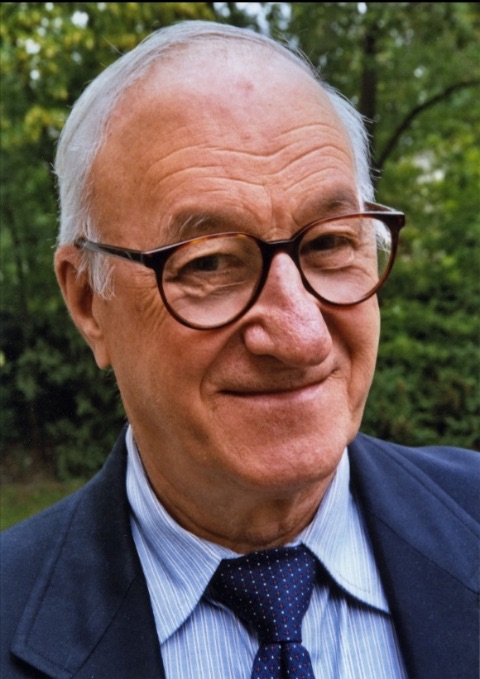
Collective Efficacy
What people think they can do together can shape outcomes as much as any policy or formal plan.
Albert Bandura was one of the most influential psychologists of the 20th century. Long before “social emotional learning” or “mindset” became common language, he argued that change is a process of learning—how people gradually develop new ways of thinking and acting.

Personal Development
Embracing the challenge of renewal in personal and political life
Parker J. Palmer is a writer, educator, and activist whose work sits at the intersection of spirituality, education, community, and democratic life. A lifelong Quaker, he doesn’t celebrate Easter in a traditional liturgical sense, but engages it as a season and symbol of resurrection, resistance, and renewal. In a recent essay, he reflects on how “resurrection” can feel more threatening than comforting, both personally and politically, because genuine new life asks us to leave behind familiar forms of “death-in-life” and risk change.
ARTICLE: Threatened with Resurrection
Futures Thinking
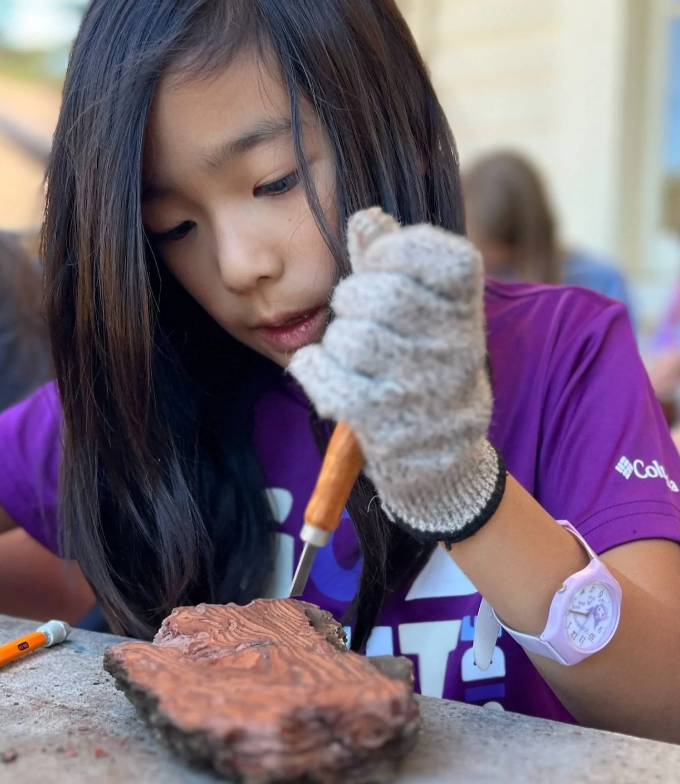
Education belongs at the center of any serious conversation about the future.
We have confused education with the delivery of content. For more than a century, most schools in the industrial world have been organized around a simple transaction: adults hold knowledge; children receive it. The measure of success is how much sticks. The tools are lessons, tests, grades, and credentials—a production line that begins with small children and ends, theoretically, with prepared adults.The theory is tidy. The results are not.Across the world, students are anxious, disengaged, and increasingly convinced that what happens in school has little to do with what matters in life.
Emotions
Motivation, curiosity, and values are not add‑ons to learning; they are its engine.
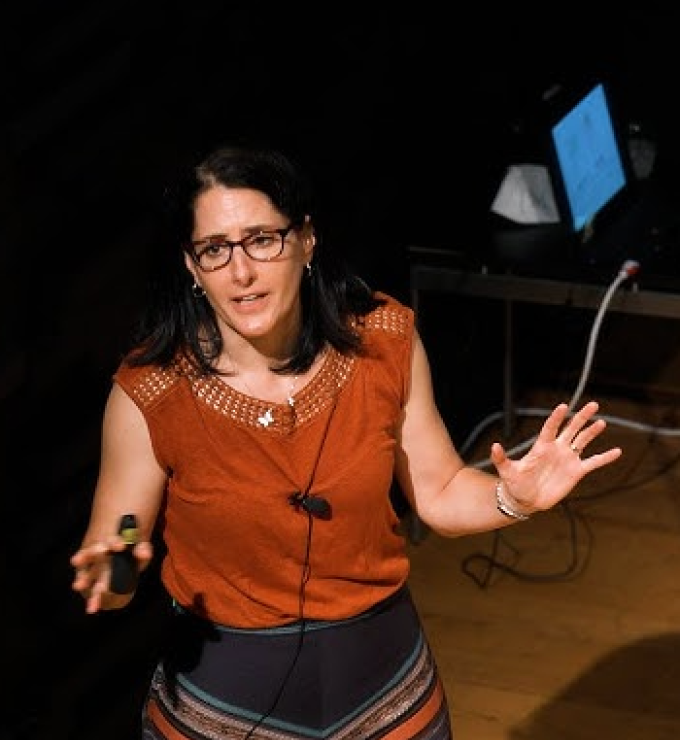
Mary Helen Immordino‑Yang is a psychologist and neuroscientist who studies how emotion, culture, and social relationships shape learning and brain development. In two decades of research she has learned that it is neurobiologically impossible to separate deep thinking and durable learning from the feelings and meanings that surround them. Her book Emotions, Learning, and the Brain is a collection of research‑based essays showing that deep thinking and durable learning emerge from our emotional and relational life, not from cognition alone.
BOOK: Emotions, Learning, and the Brain. Exploring the Educational Implications of Affective Neuroscience

Relational Intelligence
Personal Development
"The thread running through every phase of our development is relational."
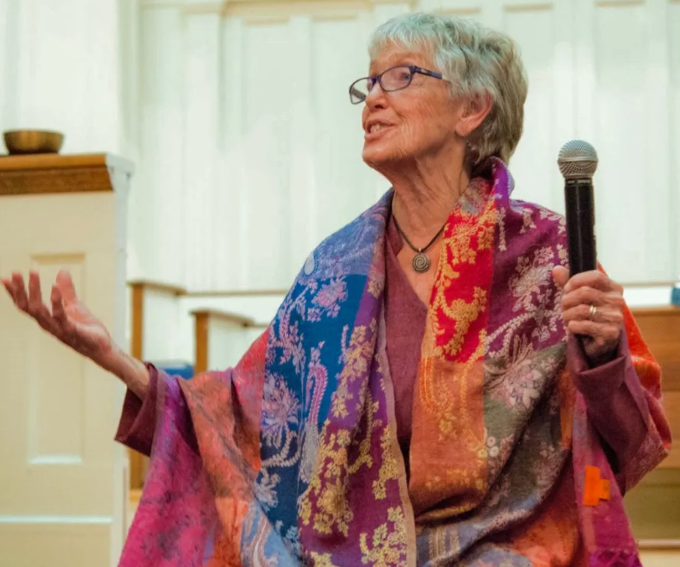
Isabelle Hau is executive director of the Stanford Accelerator for Learning and author of Love to Learn: The Transformative Power of Care and Connection in Early Education. She cares about what happens to children when no one is paying attention to them. Now she's applying that interest to the question of what happens to all of us when we stop paying attention to each other.She makes an important case that as AI reshapes education, work, and social life, the next crucial frontier is “relational intelligence” (RQ): our capacity to build trust, navigate difference, repair ruptures, and create meaning together.
ARTICLE: Welcome to the Era of Relational Intelligence
Collective Intelligence
Patronage
We are a lot smarter together.
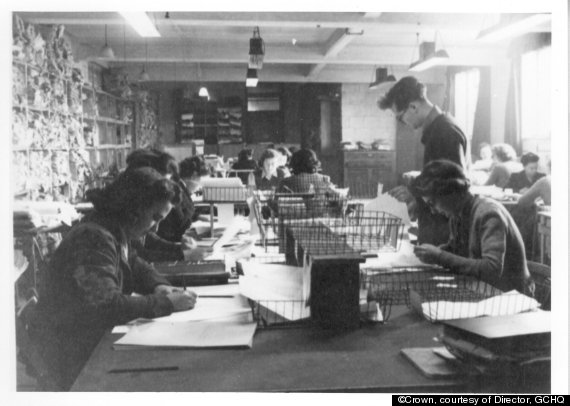
Bletchley Park was one of history's most consequential experiments in collective intelligence. Mathematicians, linguists, chess players, crossword enthusiasts, classicists, and clerks worked in deliberate combination — each contributing a different kind of mind to a problem no single discipline could crack alone. At its peak nearly 10,000 people worked here, three quarters of them women. The intelligence they produced together is estimated to have shortened WWII by two years.
SUPPORT: Love & Work Catalog
Long View
Patronage
The long game is not a strategy for winning; it is a way of belonging.
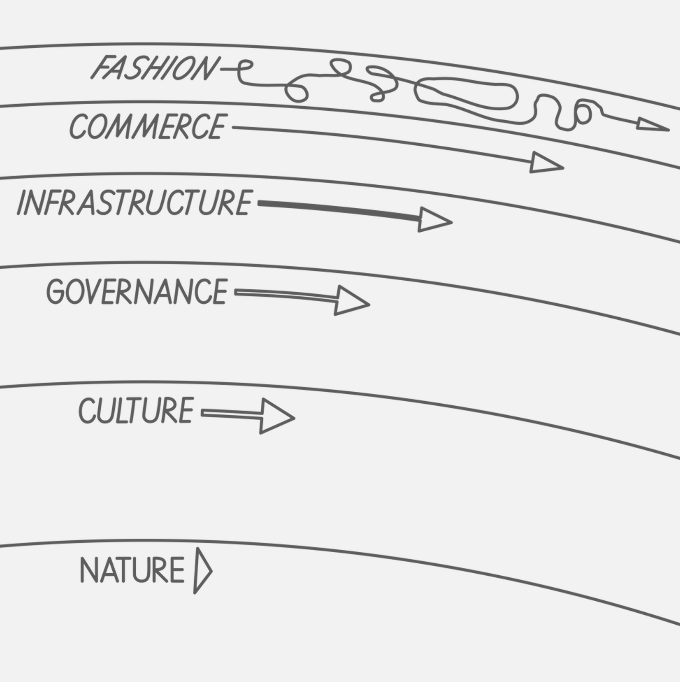
Social change unfolds over generations, not election cycles. Margaret Wheatley tells a story about colleagues who once met with the Dalai Lama while feeling deeply discouraged that their work for change seemed to have little impact. They asked whether their efforts would ever make a difference, given how dire things looked. With a smile, he replied: “Oh, don’t worry about that. Your work will bear influence in about 700 years.”
SUPPORT: Love & Work Catalog

Systems Thinking
Patronage
Our task is to participate wisely in a world where collapse and rebirth are unfolding at the same time.
None of us has to do everything, but each of us can do something. In Jewish teaching, Rabbi Tarfon says, “It is not your duty to finish the work, but neither are you free to desist from it”—a line often associated with the work of repairing the world (tikkun olam). No one is asked to save everything; each of us is asked to take up our share of the work through whatever mix of creativity, care, and courage is available to us, right where we are.
SUPPORT: Love & Work Catalog
Systems Thinking
Books
Redesigning organizations and markets so they regenerate rather than extract
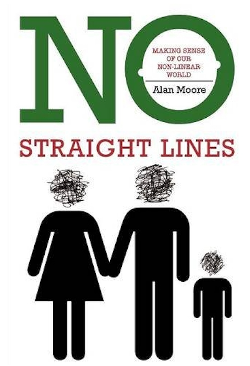
Alan Moore is very clear about one thing: we have reached the limits of the old industrial operating system, built on assumptions of predictability, hierarchy, and linear cause and effect. He describes a “trilemma” of social, organizational, and economic complexity that makes those assumptions untenable: the collision of rising social expectations and inequities, increasingly intricate and interdependent organizational systems, and an economic order built for linear growth and efficiency rather than resilience and shared flourishing.
BOOK: No Straight Lines. Making Sense of Our Non-Linear World

History
America has never been as innocent as it imagines itself to be.
Reinhold Niebuhr was a perceptive critic of the American spirit, if not downright prophetic. The Irony of American History, which he wrote in 1952, was his attempt to make sense of the United States’ rise to global power in the early Cold War.
BOOK: The Irony of American History
Collaboration
Books
How to build inclusion and collaboration in your communities
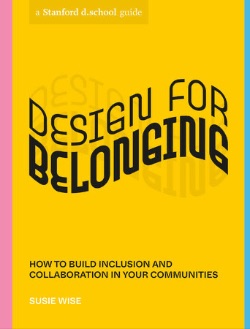
Susie Wise teaches and coaches leaders in innovation, equity design, and inclusive storytelling at the Stanford d.school. She wrote this book to make what she sees as a simple, obvious case: belonging is a fundamental human need and a central goal of equity work. In this compact manual, small enough to serve as a field guide, she equips everyday leaders with practical design tools to build cultures of belonging in the communities that matter to them.
BOOK: Design for Belonging. How to Build Inclusion and Collaboration in Your Communities

