LEARNING
We are not done becoming.
Human beings can learn together, and what we learn can expand what becomes possible.
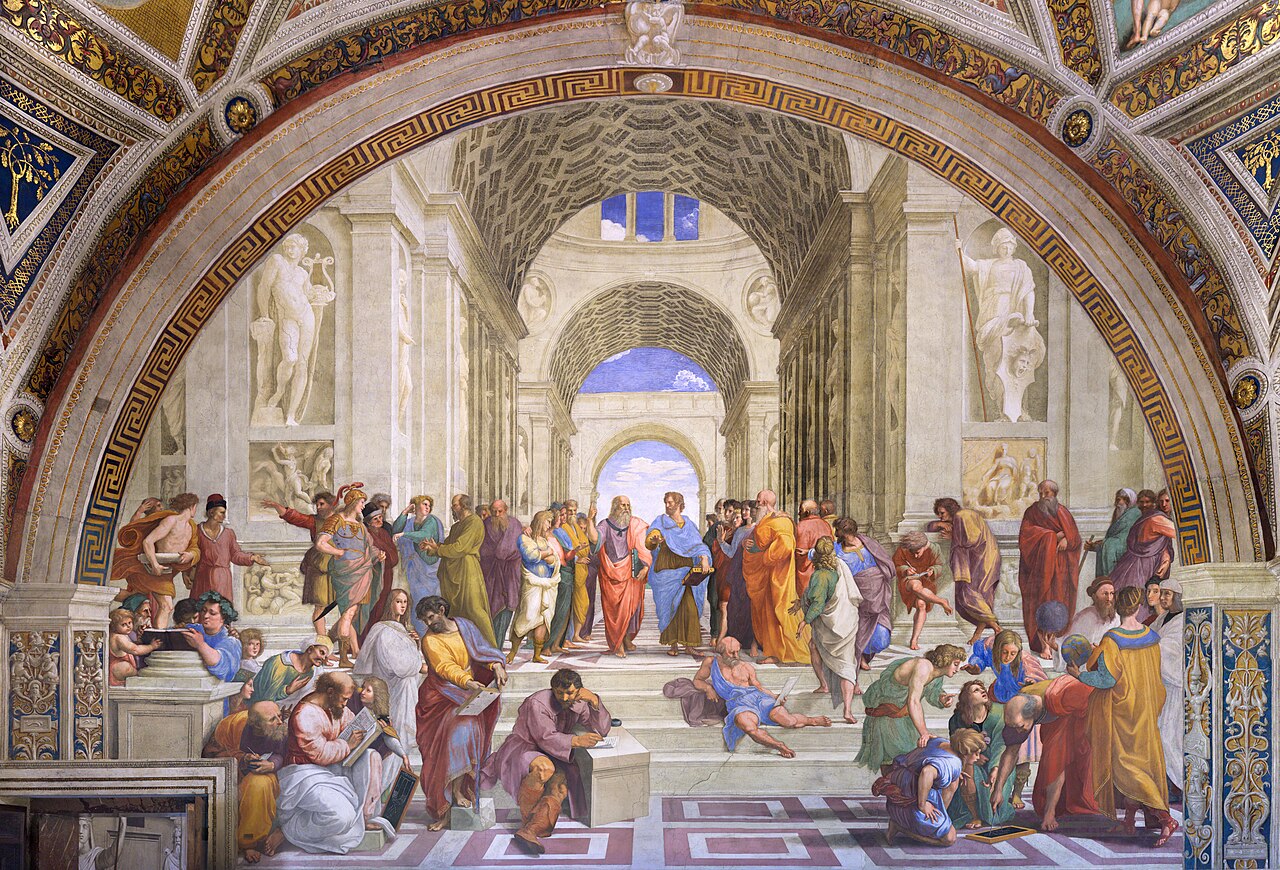
Raphael, The School of Athens, 1509–1511, Vatican Palace, Rome. Raphael imagined human knowledge not as the possession of a single great mind, but as a conversation extending across generations.
I started Love & Work because of a belief I have carried with me for most of my life: human beings have enormous unrealized potential.
We are biological creatures with the remarkable capacity to think, imagine, communicate, cooperate, make things, and learn from one another. Even more remarkably, we can pass what we learn to people we will never meet and generations not yet born. That seems to me to carry a responsibility. If we possess these capacities, then surely part of being human is learning how to use them well.
For a brief and exhilarating moment in the late 1960s and early 1970s, it seemed as though much of the culture was testing those capacities. What else could we learn about ourselves? How differently might we live? Assumptions about race, gender, war, work, sexuality, the environment, authority, and even consciousness itself were suddenly up for grabs.
One of the most consequential questions was how human beings actually develop. Researchers were paying closer attention to how children learn. Educators were questioning the distinction between learning and schooling. Psychologists were asking what conditions allow human capacities to emerge. Around me, people were experimenting with different ways of teaching, working, living, and learning together.
I absorbed a powerful idea from all of this. Curiosity, intelligence, imagination, and the desire to learn aren’t capacities that need to be installed in us. They are already there, ready to develop when given the conditions that allow them to flourish. That possibility has stayed with me ever since.
But our capacity to learn does not guarantee progress. Gloria Steinem had a useful name for part of what happens. She called it “frontlash.” Significant change creates backlash precisely because something has changed. People and institutions whose wealth, authority, status, and sense of control are threatened push back. Gains can be slowed, compromised, and sometimes reversed. But the resistance itself can be evidence that the starting point has moved.
And yet, when we pull the camera back far enough, something important becomes visible. Across many measures of human well-being and freedom, the gains have ultimately been greater than the take-backs.
That does not mean the work is finished. Slavery still exists, but much of humanity has learned to regard as morally indefensible what civilizations once accepted as ordinary. Women have gained rights that remain denied or threatened in many places. We learned how to prevent diseases that once routinely killed children, even as some of that hard-won knowledge is being challenged today. We have brought polluted rivers back to life while continuing to damage the living world on an enormous scale.
Progress is neither complete nor secure. What we learn can be resisted, forgotten, distorted, or deliberately undone. But over generations, knowledge can accumulate. Expectations can change. Gains that were once radical can become ordinary, providing the starting point for the next round of learning.
We are a learning species. That matters enormously right now. We have created technologies powerful enough to threaten our future. We have also created tools capable of expanding access to knowledge, intelligence, and one another on a scale no previous generation could have imagined.
There is nothing inevitable about what happens next. Our opportunity is to keep learning, to share what we learn, and to help others discover that they can learn and contribute, too.
That is why I keep gathering the stories in Love & Work. They are evidence of people learning how to do things differently, and then making what they learn available to the rest of us. My hope is that seeing what others have learned expands our own sense of what is possible—and inspires us to try something, too.
Hope doesn’t require believing that progress is inevitable. But it does require that we recognize that learning is possible, that learning accumulates, and that we can participate in what humanity learns next.
LEARNING, COLLECTIVE INTELLIGENCE
We inherit what others learned.
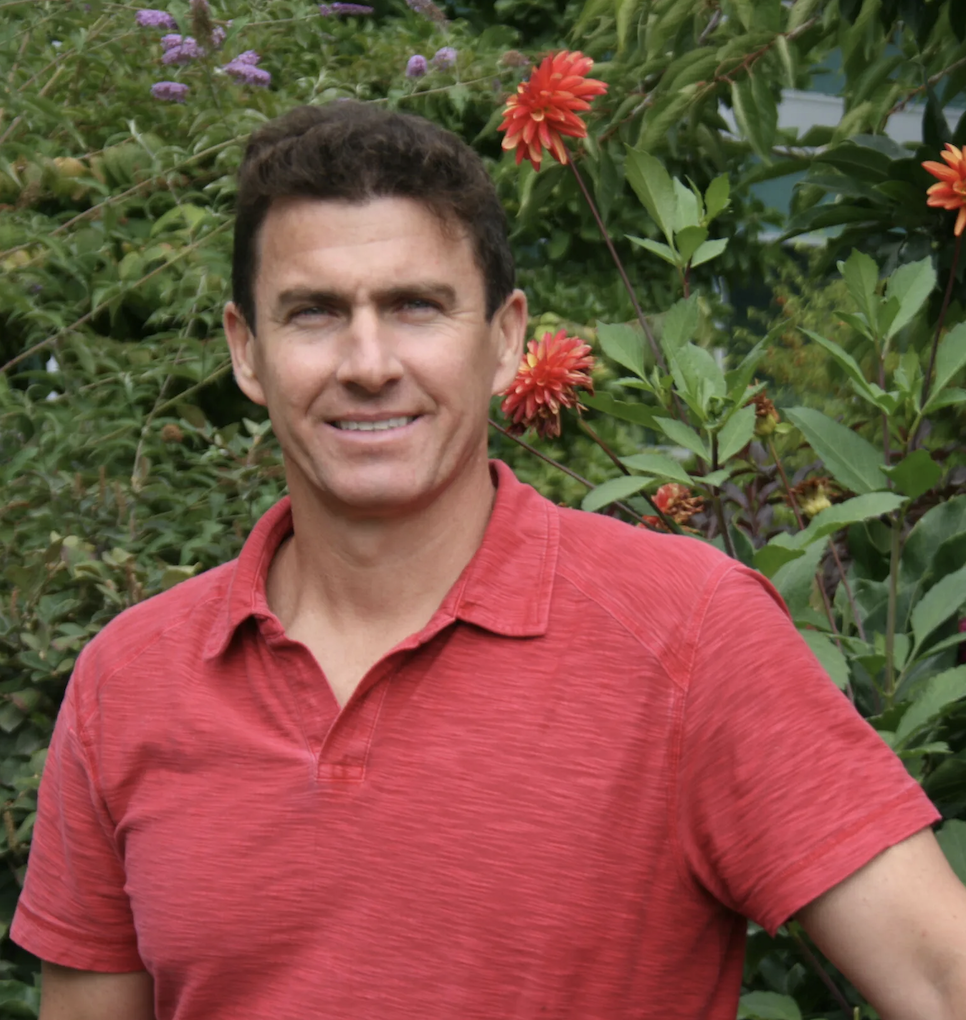
Joseph Henrich challenges the idea that humans succeeded because we are exceptionally intelligent individuals. Our advantage is that we learn from one another, inherit knowledge, and build on what others discovered. Learning can be forgotten or resisted, but reversals don’t always return us to where we started. Once another way is demonstrated, a new possibility enters the human repertoire.
BOOK: The Secret of Our Success: How Culture Is Driving Human Evolution, Domesticating Our Species, and Making Us Smarter
LEARNING, COLLECTIVE INTELLIGENCE
We know how to make a "we."
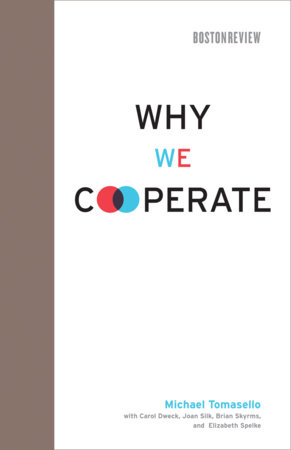
Humans have an unusual ability to understand that we are doing something together. Michael Tomasello calls it shared intentionality: establishing common goals, coordinating different roles, sharing attention, and adjusting our behavior to help one another succeed. This capacity makes shared knowledge, norms, institutions, and collective action possible.
BOOK: Why We Cooperate
LEARNING, COLLECTIVE INTELLIGENCE
We can learn how to govern ourselves.
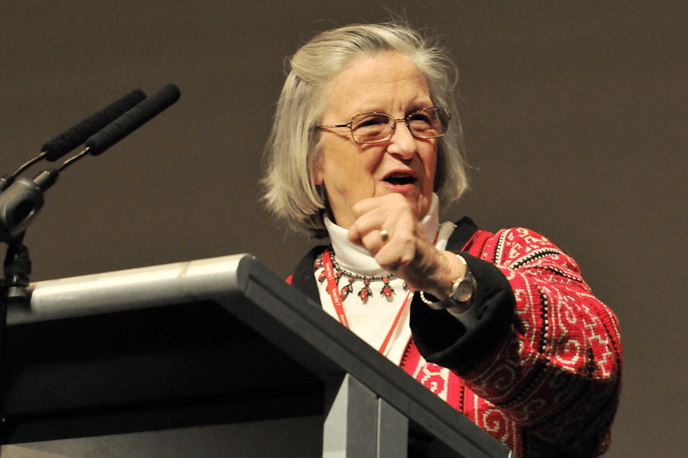
Elinor Ostrom studied communities that successfully managed shared resources without relying solely on markets or governments. While she didn’t find any single recipe, she did see recurring patterns: locally appropriate rules, participation, monitoring, conflict resolution, and growing trust. Her work demonstrates something profoundly hopeful: people can learn how to cooperate, turn that learning into durable institutions, and invent new ways of governing themselves.
LECTURE: Beyond Markets and States: Polycentric Governance of Complex Economic Systems
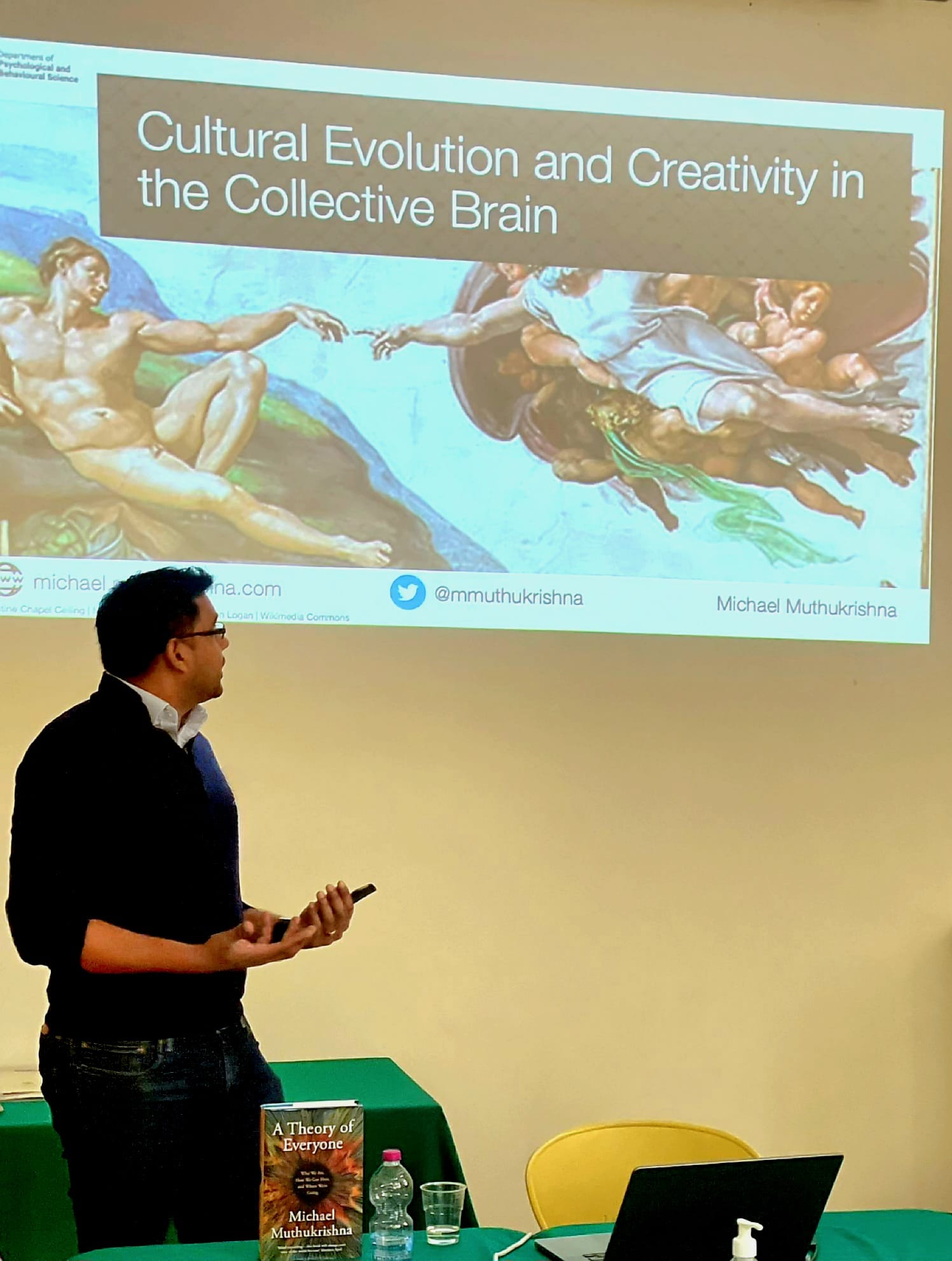
LEARNING, COLLECTIVE INTELLIGENCE
Maybe the smartest thing about us isn't inside our heads.
Here’s a radical idea: some human intelligence exists not inside individuals, but in the connections among us. Ideas circulate, accumulate, improve, and combine, allowing networks to accomplish what individuals cannot. The implication is enormous: collective intelligence depends on how well knowledge moves. Participation, access, diversity, teaching, communication, and institutions all shape how smart we can become together.
FOLLOW THE THREAD
One liners
ARTICLE: Wikipedia turns 25, having become the world’s largest encyclopedia by letting millions of people build knowledge together.
ARTICLE: Wisconsin researchers found that farmers who were more socially connected were also more likely to put conservation practices to work.
ARTICLE: Scientists and Indigenous knowledge holders are combining ways of knowing to help restore the Great Barrier Reef.
ARTICLE: A new climate-planning method asks communities to imagine their future together; it is already being used in 19 communities.
ARTICLE: Boston residents generated more than 1,200 ideas, developed proposals together, and then decided how $2.2 million of their city’s money should be spent.
ARTICLE: Residents of two Cincinnati neighborhoods learned about climate risk together—and emerged with stronger networks, greater civic agency, and influence on citywide climate planning.
ARTICLE: Nineteen teams of biologists, computational scientists, and developers spent 48 hours combining their expertise to solve problems none of the disciplines could tackle as well alone.
"Progress is people flourishing."
-Ted Gioia

Systems Thinking
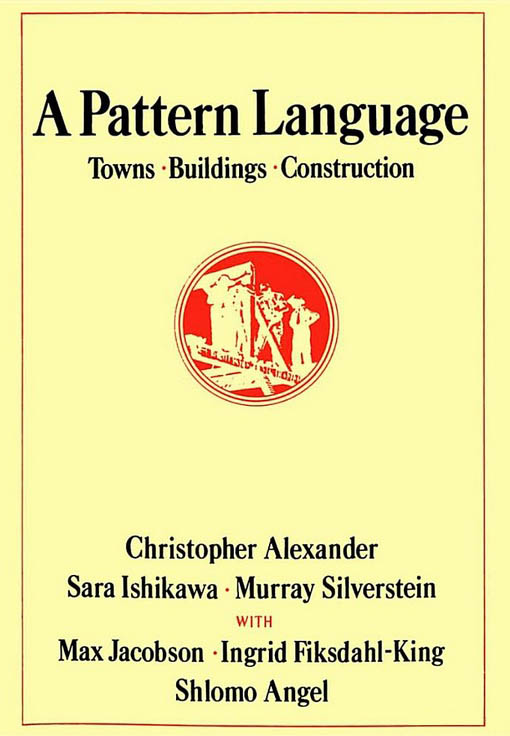
The difference between a finished design and a living pattern
Christopher Alexander wrote A Pattern Language for architects, planners, and builders. But the book reaches far beyond architecture. It offers a practical way of thinking about how people create places—and, by extension, organizations, schools, neighborhoods, and communities—that feel alive.
BOOK: A Pattern Language
Human Potential
Life is change, and so are we.
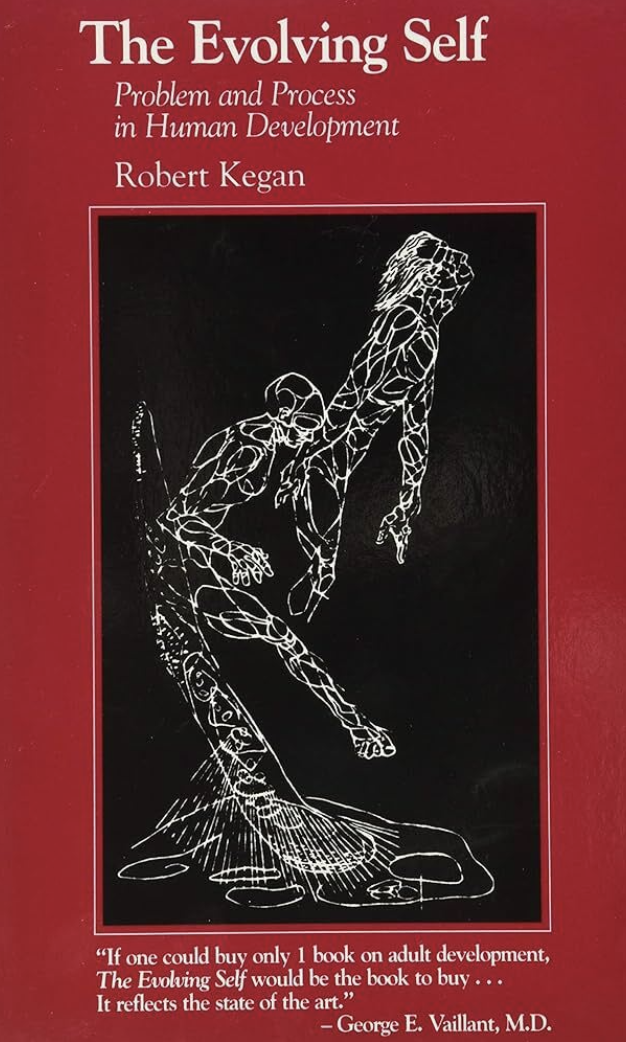
Many familiar stories about human nature portray our species as a finished project. We are bundles of predictable drives and traits playing out in slightly different costumes across history. Robert Keegan begins somewhere else. In his book The Evolving Self he shows human beings to be a meaning-making species whose nervous systems and cultures are built for ongoing transformation. In his view, development is not a childhood phase we outgrow but an open-ended process through which people, across a lifetime and across generations, can reorganize how they understand themselves, one another, and the worlds they build together.
BOOK: The Evolving Self
Systems Thinking
Systems Thinking terminology, vocabulary, definitions, and concepts gathered on one site
“Welcome to the Systems Thinking Glossary, your go-to resource for understanding essential terminology, vocabulary, definitions, and concepts in systems thinking. By exploring the interconnectedness and holistic approach inherent in systems thinking, our glossary helps you navigate complex systems and enhances your understanding of this transformative field.” - Systems Thinking Alliance
WEBSITE: Systems Thinking Glossary
Personal Development
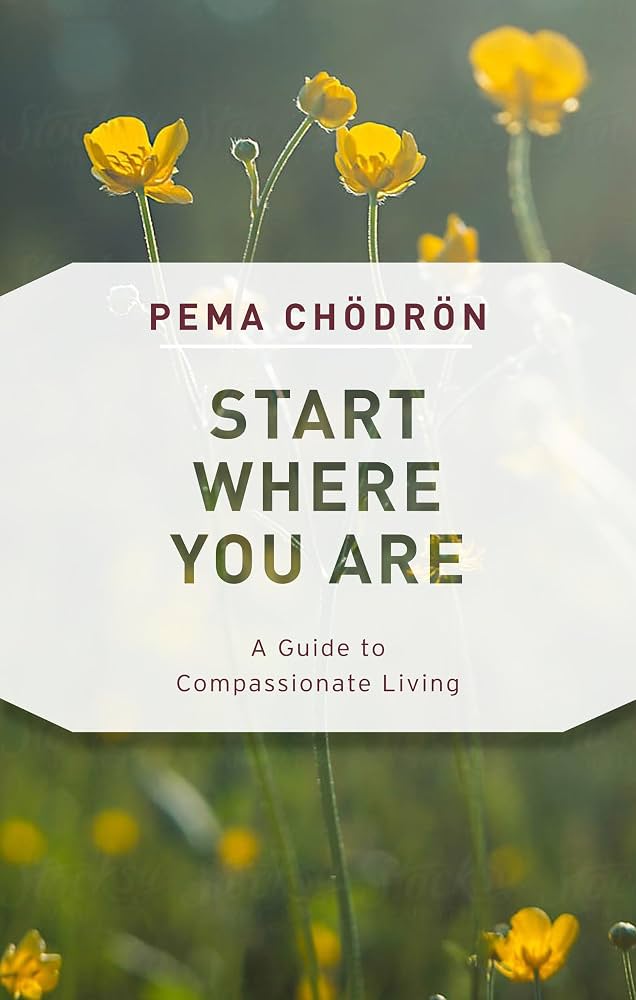
All things are interconnected.
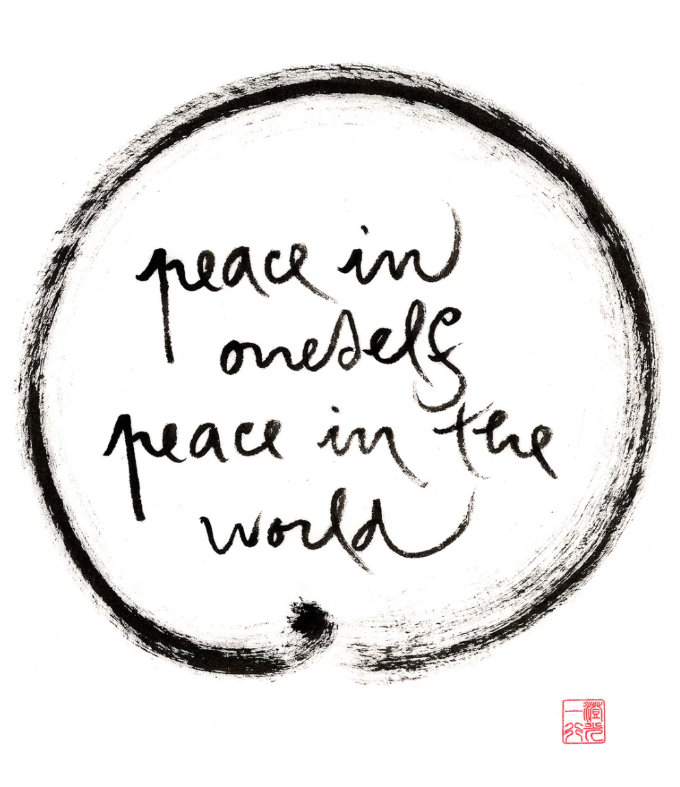
Thich Nhat Hanh was one of the first teachers who showed me that peace is not distant or abstract. If I pause and notice, it can be found in every breath, every step, and even in the most ordinary moments—washing dishes, waiting in traffic.
INTRODUCTION: The Fourteen Mindfulness Trainings
Systems Thinking
Reading the world as a whole system, not a broken machine
Donella H. “Dana” Meadows (1941–2001) was an American environmental scientist, systems analyst, educator, and writer. She is widely regarded as one of the most influential voices in sustainability and systems thinking of the late twentieth century.
BOOK: Thinking in Systems: A Primer
Futures Thinking
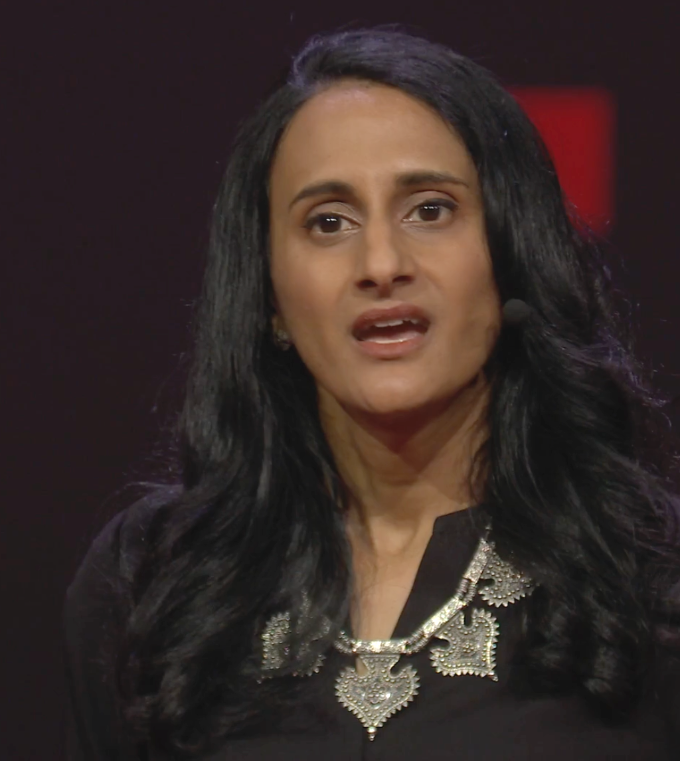
We don’t spend much time imagining all the possibilities the future holds.
Bina Venkataraman says that humans have a superpower that we ignore. She is a science policy expert, journalist, and author working at the crossroads of social progress, environmental change, and science policy. In her 2019 book The Optimist’s Telescope: Thinking Ahead in a Reckless Age, she explores how individuals and societies can overcome shortsightedness to confront long-term challenges like climate change and public health.
SUMMARY, TED TALK: The power to think ahead in a reckless age | Bina Venkataraman
Systems Thinking
Books
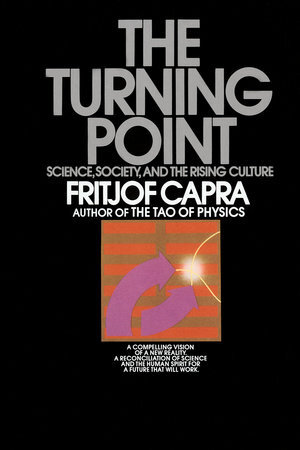
The challenge before us is learning to see ourselves, our communities, and the living world not as separate parts, but as participants in a larger web of relationships.
A turning point is not the moment when everything suddenly gets better. It’s the moment when enough of us admit that the old map no longer matches the ground under our feet. The confusion, conflict, and instability of these times may be signs not that the transition is failing, but that it’s already in motion.
BOOK: The Turning Point, Science, Society, and the Rising Culture
Human Potential
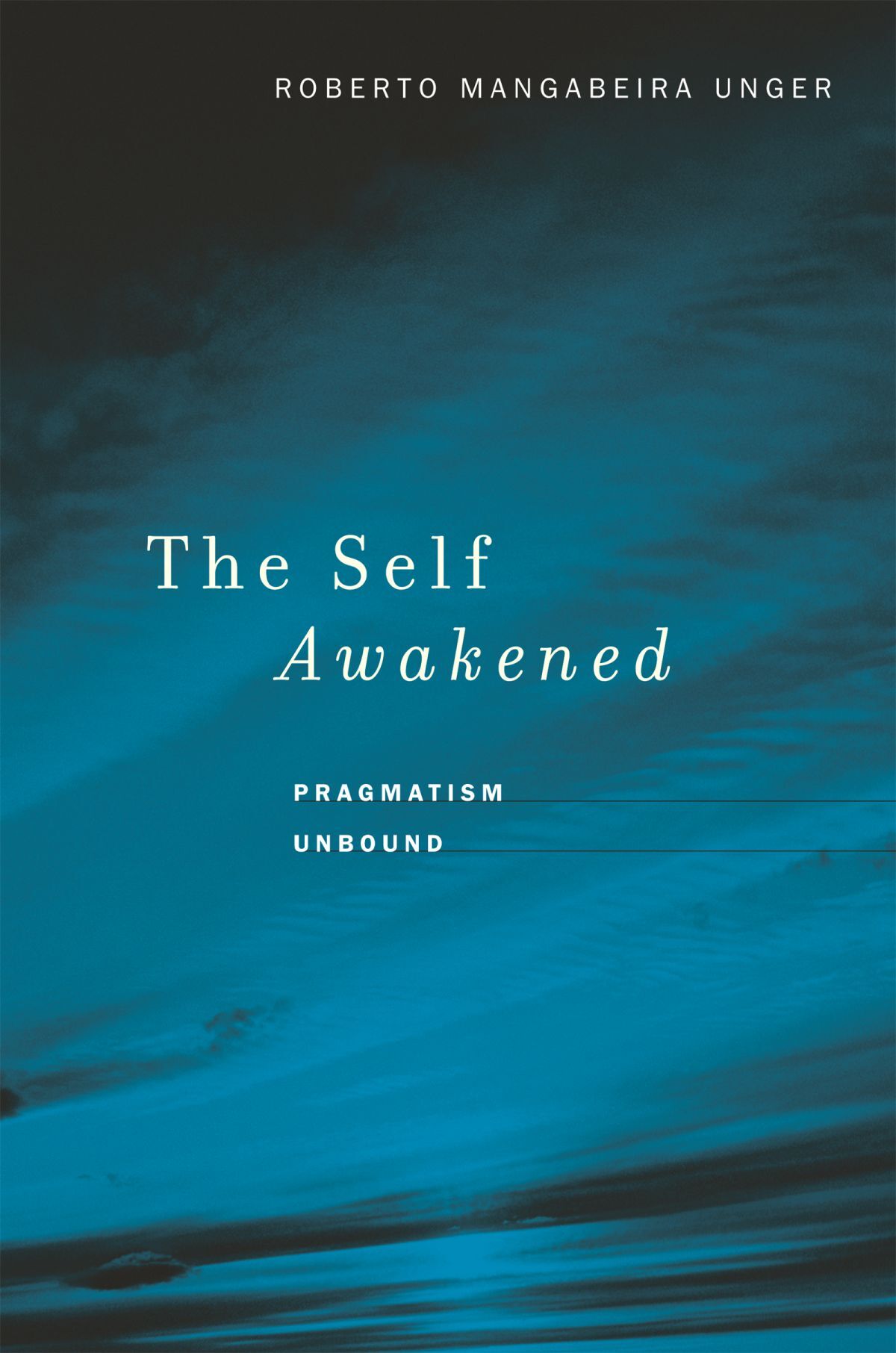
If we only see ourselves as we are now, we miss our ability to imagine, grow, and choose new paths.
Roberto Mangabeira Unger is an unusually ambitious and original social theorist. A Harvard law professor, philosopher, and former Brazilian government minister, he has spent decades holding up how humans and our societies are far more capable of transformation than we typically allow ourselves to see, let alone believe.
BOOK: The Self Awakened. Pragmatism Unbound
Systems Thinking
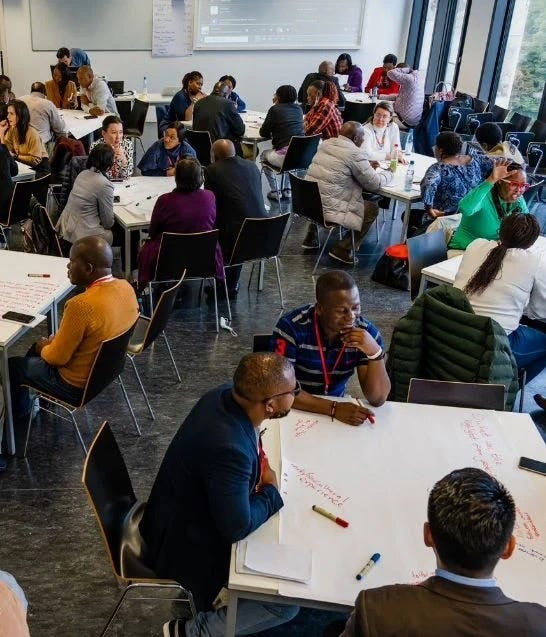
The way we come together is itself a technology — and we can upgrade it.
Picture a meeting you have attended recently about something that genuinely mattered — a community problem, an organizational challenge, a question that required the best thinking of everyone in the room. Chances are it followed a familiar script. An agenda was circulated. A few people spoke most of the time. Someone at the front of the room held a marker. A decision was made, or deferred, by whoever had the most authority or the most persistence. People left either mildly frustrated or mildly relieved, and most of what they actually knew and felt about the problem stayed locked inside them, unexpressed.

Personal Development
Personal transformation and emotional health are not personal luxuries. They are critical civic resources.
It's relatively easy to describe the crises of our time in the language of systems: broken institutions, failed markets, collapsing ecologies, eroding democracies. But why are these systems failing? It is elucidating to remember that every human-built system is a pattern of relationships. Decisions are made by people who operate from the emotional capacities they have developed over a lifetime.

