LEARNING
We are not done becoming.
Human beings can learn together, and what we learn can expand what becomes possible.
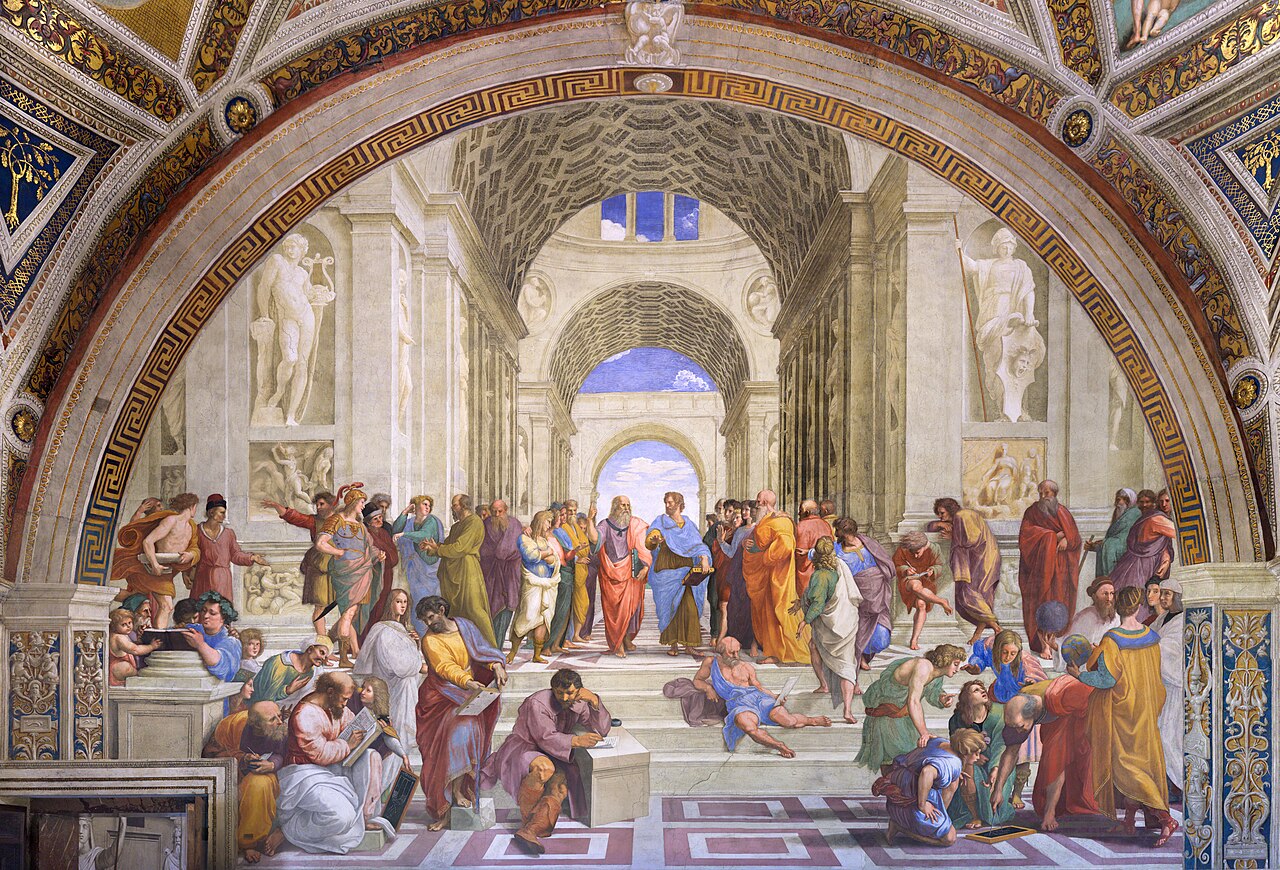
Raphael, The School of Athens, 1509–1511, Vatican Palace, Rome. Raphael imagined human knowledge not as the possession of a single great mind, but as a conversation extending across generations.
I started Love & Work because of a belief I have carried with me for most of my life: human beings have enormous unrealized potential.
We are biological creatures with the remarkable capacity to think, imagine, communicate, cooperate, make things, and learn from one another. Even more remarkably, we can pass what we learn to people we will never meet and generations not yet born. That seems to me to carry a responsibility. If we possess these capacities, then surely part of being human is learning how to use them well.
For a brief and exhilarating moment in the late 1960s and early 1970s, it seemed as though much of the culture was testing those capacities. What else could we learn about ourselves? How differently might we live? Assumptions about race, gender, war, work, sexuality, the environment, authority, and even consciousness itself were suddenly up for grabs.
One of the most consequential questions was how human beings actually develop. Researchers were paying closer attention to how children learn. Educators were questioning the distinction between learning and schooling. Psychologists were asking what conditions allow human capacities to emerge. Around me, people were experimenting with different ways of teaching, working, living, and learning together.
I absorbed a powerful idea from all of this. Curiosity, intelligence, imagination, and the desire to learn aren’t capacities that need to be installed in us. They are already there, ready to develop when given the conditions that allow them to flourish. That possibility has stayed with me ever since.
But our capacity to learn does not guarantee progress. Gloria Steinem had a useful name for part of what happens. She called it “frontlash.” Significant change creates backlash precisely because something has changed. People and institutions whose wealth, authority, status, and sense of control are threatened push back. Gains can be slowed, compromised, and sometimes reversed. But the resistance itself can be evidence that the starting point has moved.
And yet, when we pull the camera back far enough, something important becomes visible. Across many measures of human well-being and freedom, the gains have ultimately been greater than the take-backs.
That does not mean the work is finished. Slavery still exists, but much of humanity has learned to regard as morally indefensible what civilizations once accepted as ordinary. Women have gained rights that remain denied or threatened in many places. We learned how to prevent diseases that once routinely killed children, even as some of that hard-won knowledge is being challenged today. We have brought polluted rivers back to life while continuing to damage the living world on an enormous scale.
Progress is neither complete nor secure. What we learn can be resisted, forgotten, distorted, or deliberately undone. But over generations, knowledge can accumulate. Expectations can change. Gains that were once radical can become ordinary, providing the starting point for the next round of learning.
We are a learning species. That matters enormously right now. We have created technologies powerful enough to threaten our future. We have also created tools capable of expanding access to knowledge, intelligence, and one another on a scale no previous generation could have imagined.
There is nothing inevitable about what happens next. Our opportunity is to keep learning, to share what we learn, and to help others discover that they can learn and contribute, too.
That is why I keep gathering the stories in Love & Work. They are evidence of people learning how to do things differently, and then making what they learn available to the rest of us. My hope is that seeing what others have learned expands our own sense of what is possible—and inspires us to try something, too.
Hope doesn’t require believing that progress is inevitable. But it does require that we recognize that learning is possible, that learning accumulates, and that we can participate in what humanity learns next.
LEARNING, COLLECTIVE INTELLIGENCE
We inherit what others learned.
Joseph Henrich challenges the idea that humans succeeded because we are exceptionally intelligent individuals. Our advantage is that we learn from one another, inherit knowledge, and build on what others discovered. Learning can be forgotten or resisted, but reversals don’t always return us to where we started. Once another way is demonstrated, a new possibility enters the human repertoire.
BOOK: The Secret of Our Success: How Culture Is Driving Human Evolution, Domesticating Our Species, and Making Us Smarter
LEARNING, COLLECTIVE INTELLIGENCE
We know how to make a "we."
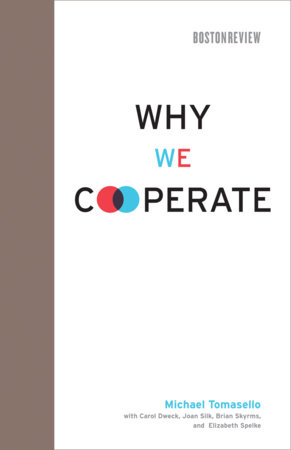
Humans have an unusual ability to understand that we are doing something together. Michael Tomasello calls it shared intentionality: establishing common goals, coordinating different roles, sharing attention, and adjusting our behavior to help one another succeed. This capacity makes shared knowledge, norms, institutions, and collective action possible.
BOOK: Why We Cooperate
LEARNING, COLLECTIVE INTELLIGENCE
We can learn how to govern ourselves.
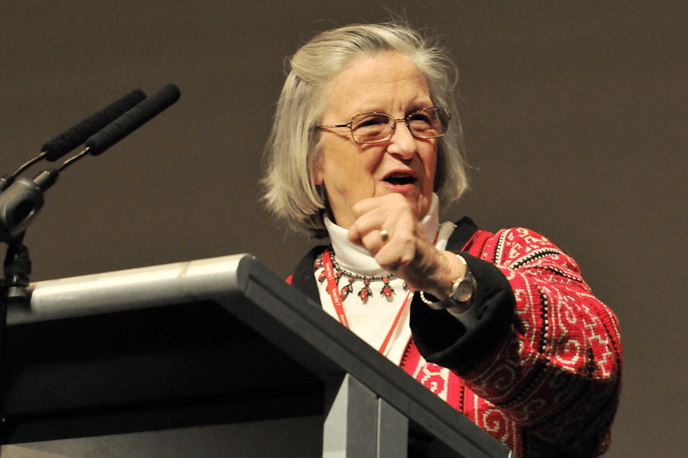
Elinor Ostrom studied communities that successfully managed shared resources without relying solely on markets or governments. While she didn’t find any single recipe, she did see recurring patterns: locally appropriate rules, participation, monitoring, conflict resolution, and growing trust. Her work demonstrates something profoundly hopeful: people can learn how to cooperate, turn that learning into durable institutions, and invent new ways of governing themselves.
LECTURE: Beyond Markets and States: Polycentric Governance of Complex Economic Systems
LEARNING, COLLECTIVE INTELLIGENCE
Maybe the smartest thing about us isn't inside our heads.
Here’s a radical idea: some human intelligence exists not inside individuals, but in the connections among us. Ideas circulate, accumulate, improve, and combine, allowing networks to accomplish what individuals cannot. The implication is enormous: collective intelligence depends on how well knowledge moves. Participation, access, diversity, teaching, communication, and institutions all shape how smart we can become together.
FOLLOW THE THREAD
One liners
ARTICLE: Wikipedia turns 25, having become the world’s largest encyclopedia by letting millions of people build knowledge together.
ARTICLE: Wisconsin researchers found that farmers who were more socially connected were also more likely to put conservation practices to work.
ARTICLE: Scientists and Indigenous knowledge holders are combining ways of knowing to help restore the Great Barrier Reef.
ARTICLE: A new climate-planning method asks communities to imagine their future together; it is already being used in 19 communities.
ARTICLE: Boston residents generated more than 1,200 ideas, developed proposals together, and then decided how $2.2 million of their city’s money should be spent.
ARTICLE: Residents of two Cincinnati neighborhoods learned about climate risk together—and emerged with stronger networks, greater civic agency, and influence on citywide climate planning.
ARTICLE: Nineteen teams of biologists, computational scientists, and developers spent 48 hours combining their expertise to solve problems none of the disciplines could tackle as well alone.
"Progress is people flourishing."
-Ted Gioia
Group Intelligence
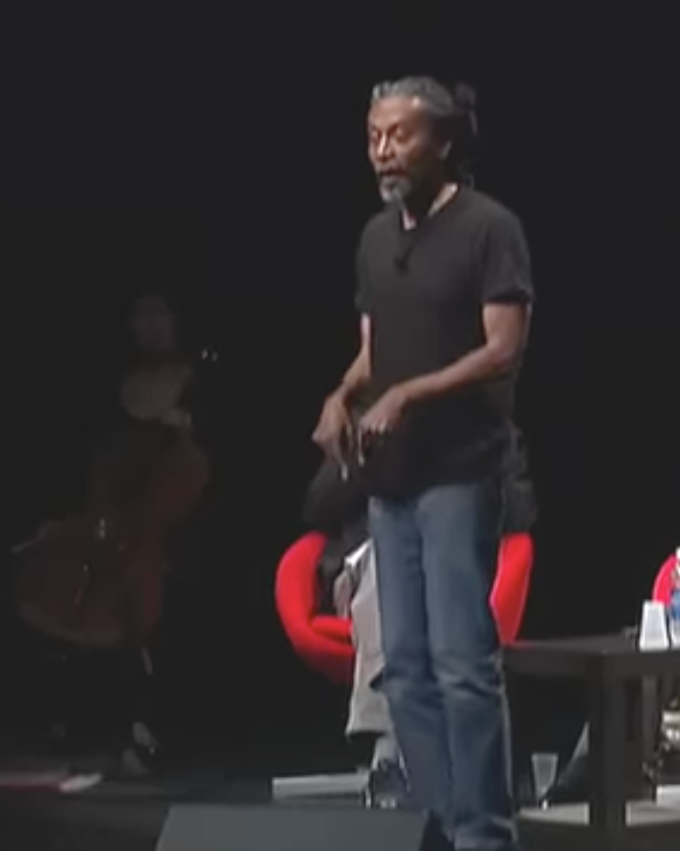
Unlocking our capacity to experiment with new patterns might be as simple as singing together.
One of the most self-defeating phrases we repeat is, “It’s always been this way. People don’t change.”In this short video, Bobby McFerrin shows just how wrong that assumption is. In 2009, at the World Science Festival, he appeared on a panel titled Notes & Neurons: In Search of the Common Chorus, which explored how music and the brain interact—and whether our responses to music are universal or culturally shaped.
VIDEO: Bobby McFerrin Demonstrates the Power of the Pentatonic Scale
Personal Development
How a strong, self‑transcending purpose can transform health, resilience, and ethical behavior
When Vic Strecher’s daughter was an infant, she was diagnosed with a fatal heart condition. Because she was otherwise healthy, her doctors recommended that she undergo what was then a relatively new and still largely untested infant heart transplant.
PODCAST: You 2.0: What Is Your Life For?
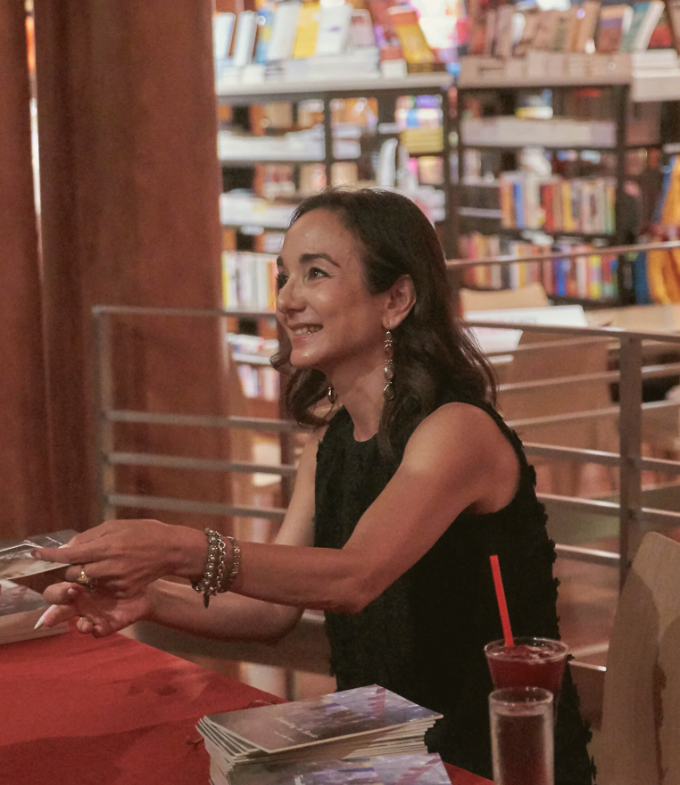
Personal Development
Transitions open us to new ways of seeing.
As one year turns into the next, Ann Tashi Slater sees our shared state of liminality as an opportunity to change our perspective. She describes this condition of being “in between” as a natural and fertile state, visible in moments like dawn before sunrise or a flower poised between bud and bloom.
ARTICLE: ‘Tis the Season to Open Yourself to New Ways of Seeing
Systems Thinking
Books
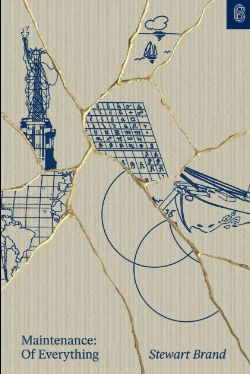
"The essential art of civilization is maintenance.”
Stewart Brand’s been working on a new book, and it’s pushing at a quiet but radical idea: maybe civilization’s biggest problem isn’t a lack of innovation, or even the threat of collapse, but our failure to take care of what already exists. Instead of obsessing over the next new thing—or the end of everything—he argues we might do better by paying serious attention to the practices and institutions that keep systems working over the long haul.
ARTICLE: The Essential Art of Civilization
Personal Development
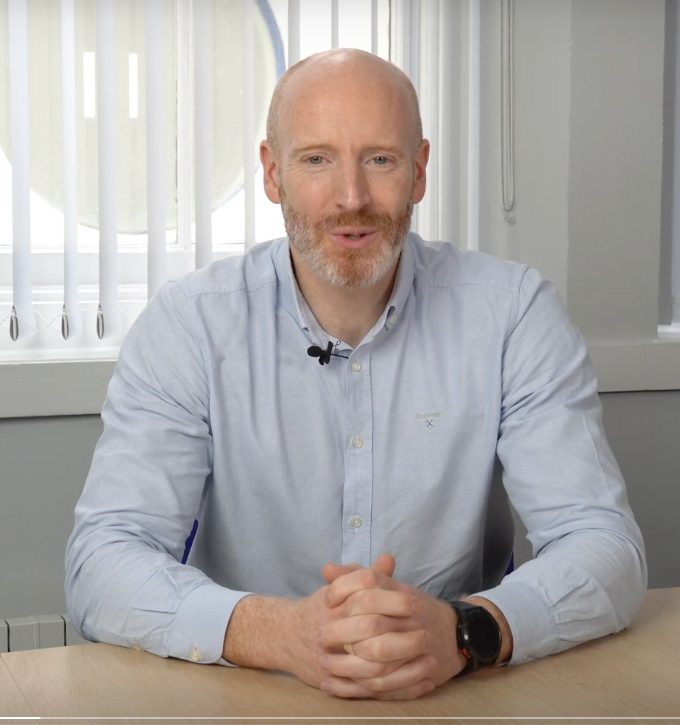
It is better to think of purpose as something you form, rather than something you find.
Ross White is a clinical psychologist and author whose work focuses on psychological flexibility, wellbeing, and peak performance. He is the author of The Tree That Bends: How a Flexible Mind Can Help You Thrive and frames his practice around helping individuals and organizations function effectively under pressure.
ARTICLE: Your Purpose Isn’t Something To Find, It’s Something You Form

Myth
Books
"How much of the beauty of our own lives is about the beauty of being alive?”
Joseph Campbell was a twentieth-century scholar of comparative mythology and religion and among the first public intellectuals to bring myth beyond the classroom and scholarly circles. His formulation of the “monomyth,” or hero’s journey, influenced generations of artists and filmmakers, most notably George Lucas’s Star Wars, and helped popularize the idea that myths function as templates for psychological and spiritual development.
BOOK: The Power of Myth
Personal Development
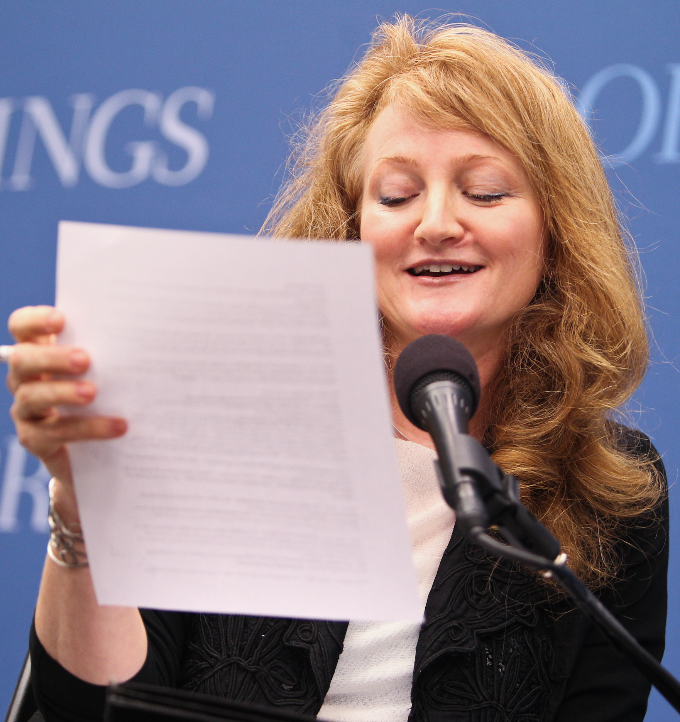
"The point is to live everything. Live the questions now."
Krista Tippett, host of the radio show and podcast On Being, laments how often we use words only to state opinions or win arguments. In this short clip, she reflects on the strength that comes from resisting the urge to rush toward clear answers, especially in a world facing vast, unresolved crises.
Podcast: Krista Tippett: Living the Questions
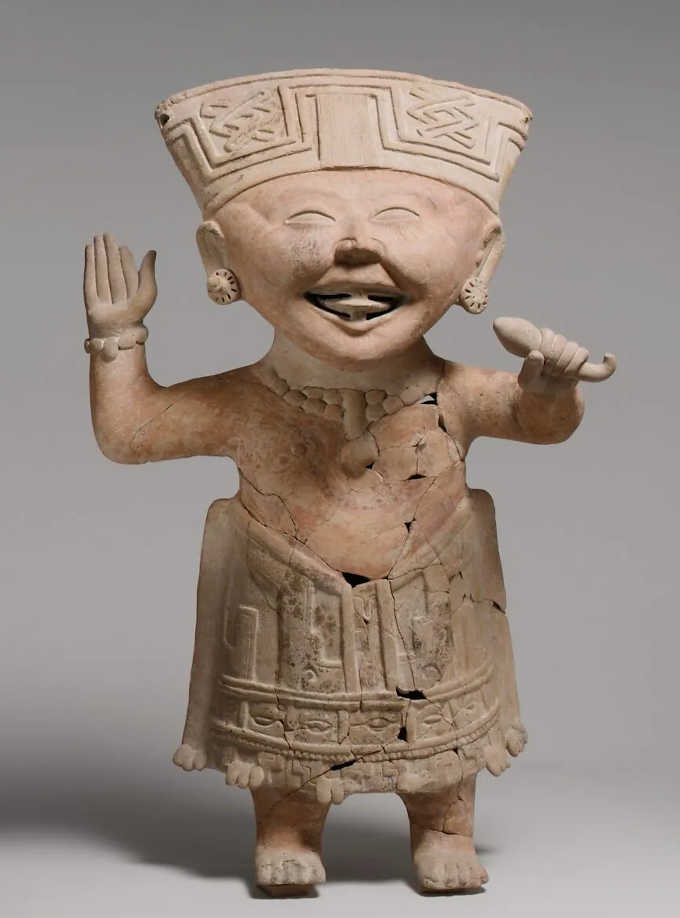
Gratitude
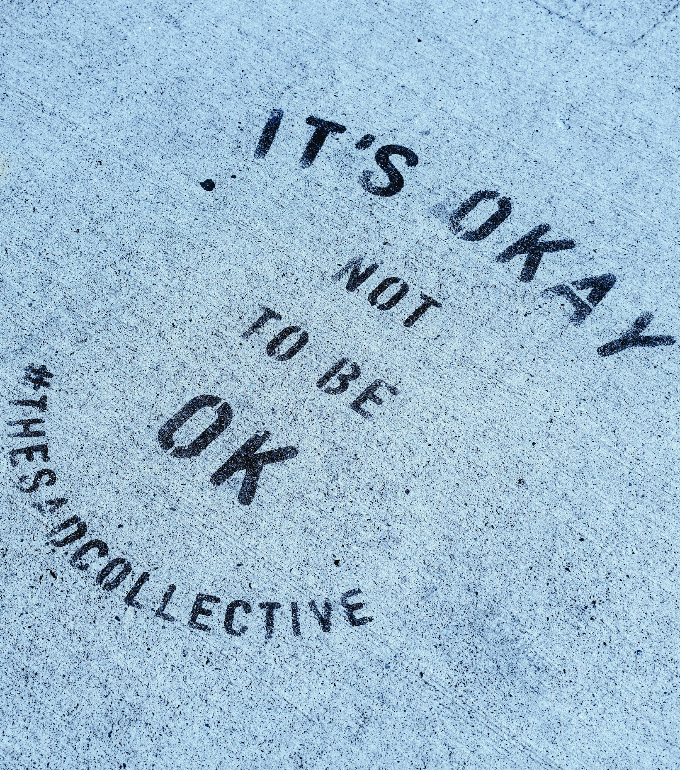
"With so much awful shit going on around us, how dare we deny the profound beauty of engaged experience when it is offered to us?"
Douglas Rushkoff’s work often critiques corporatism, financialization, and the “anti-human” logics of digital platforms, while calling for more cooperative, community-centered systems. He is acutely aware that millions of Americans face deepening poverty, that roughly 18 million households experience food insecurity, and that climate change, topsoil erosion, the displacement of Indigenous peoples, industrial encroachment on rainforests and wetlands, and the spread of microplastics and “forever chemicals” define our moment.
ARTICLE: Is it Okay to Feel Good in the Midst of Chaos?
History
Design
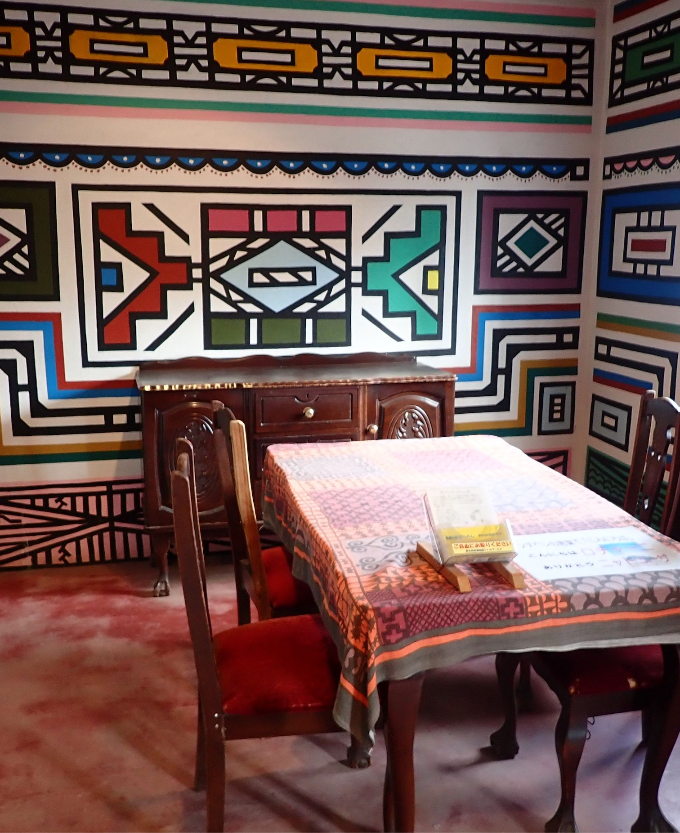
Design history as a “practice of freedom”
bell hooks saw education as a “practice of freedom," an opportunity to invite marginalized voices, encourage open dialogue, and challenge dominant narratives rather than reproduce them. Boston University professor Kristen Coogan applies this same lens to graphic design history.
INTERVIEW: The Daily Heller: The Growth of New Design History Ecosystems

Personal Development
Equanimity is something you do, not something you have; it is a lived way of moving through the world.
Michael Uebel is a psychotherapist and writer whose work sits at the intersection of psychology, intellectual history, and contemplative practice. Frustrated by the way equanimity is usually described—as calm, stillness, or emotional dampening—he went looking for a more dynamic understanding, one he found echoed across Western and Eastern traditions.
ARTICLE: Equanimity is Not Stillness – It is a Mobility of the Mind
Creativity
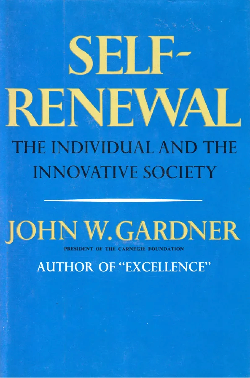
There is a direct connection between individual growth and institutional adaptability.
What if we treated renewal as the central work of a free society? To nurture curious, courageous citizens who can reform rigid institutions, resist nostalgic backlash, and keep democracy from hardening into routines and decline?
BOOK: Self-Renewal: The Individual and the Innovative Society

