Communication
How language, listening, conversation, and dialogue shape what we understand, how we relate, and what we are able to create together.
Part of Love & Work's continuing inquiry into what human beings are capable of becoming.
shared meaning
Communication is the invisible architecture of belonging.
"The single biggest problem in communication is the illusion that it has taken place."- George Bernard Shaw
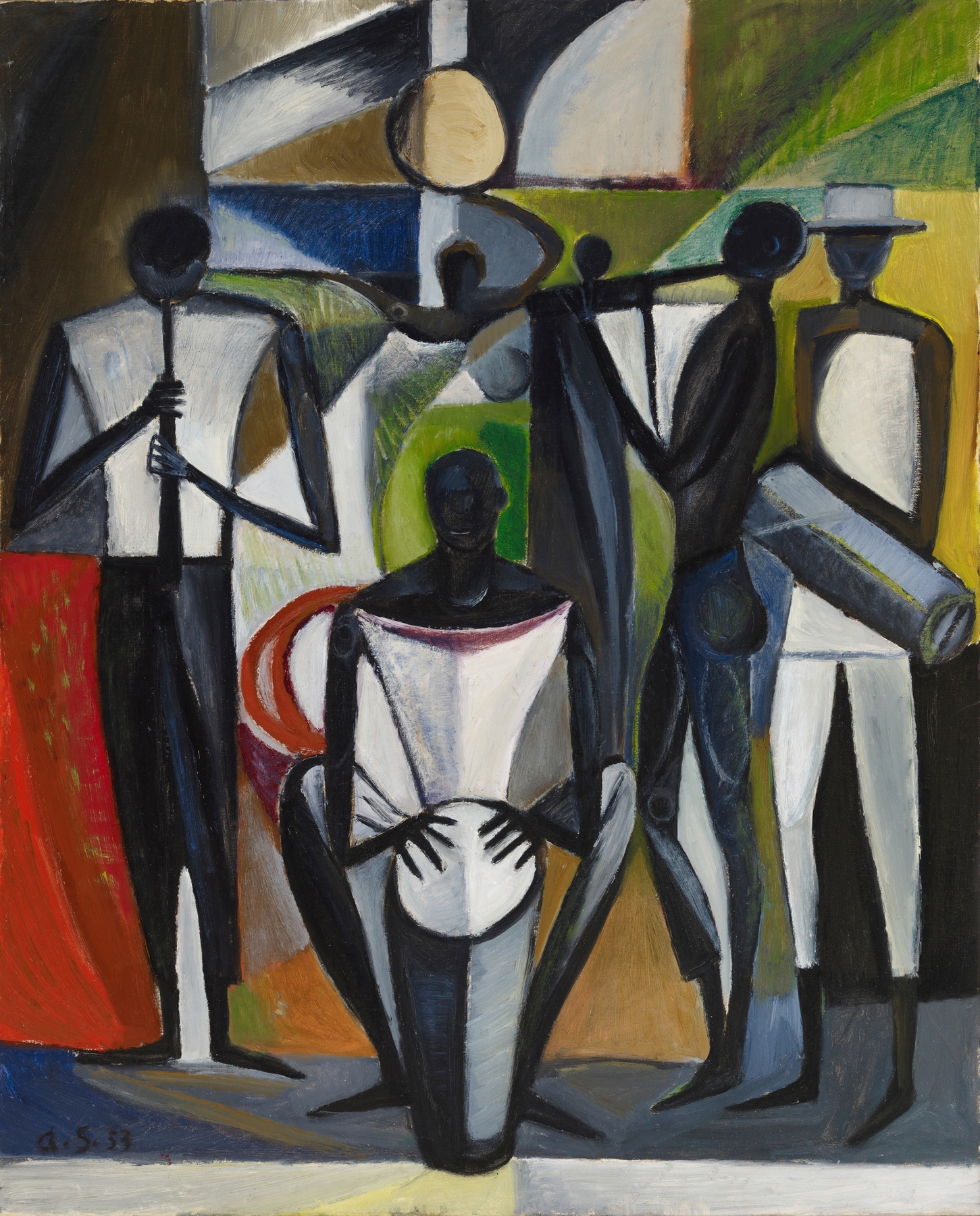
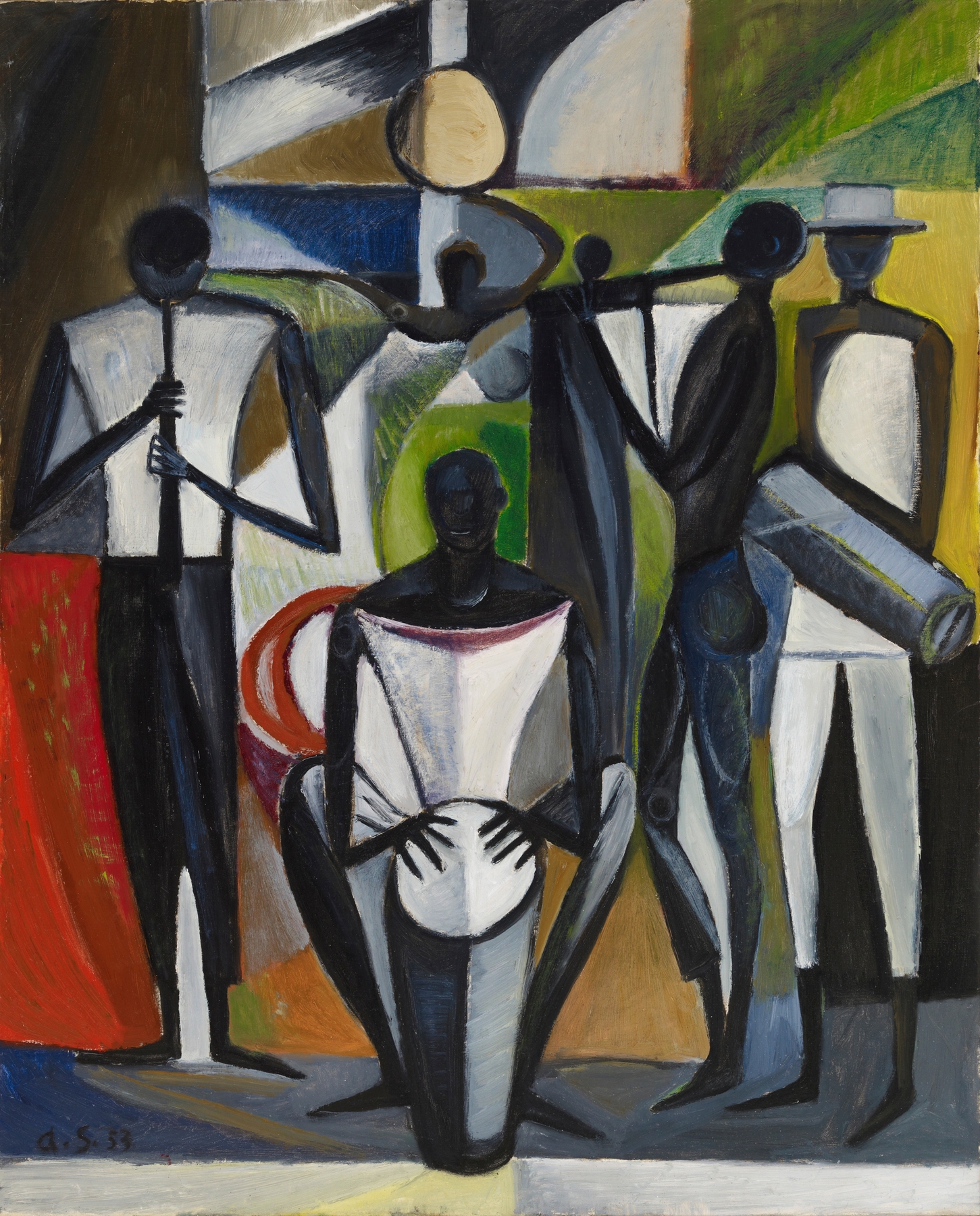
Orchestra (1953) Anita Snellman. Read more about this painting.*
For more than forty years I’ve worked with organizations of every kind. Some were reinventing how we live and work through technology. A few designed and sold athletic gear. One was providing international aid services. More than one was educating tomorrow’s teachers, caregivers, and community leaders. Their missions couldn’t have been more different. Yet beneath the surface, they all kept arriving at the same realization.
Organizations rarely struggle because they lack words. They struggle because they lack shared understanding.
Marketing can’t resolve confusion. Internal newsletters can’t rebuild trust. Mission statements can’t compensate for strategic ambiguity. People communicate clearly when they know what they’re building together.
The same pattern repeats at every scale. Families lose one another not because they stop talking, but because they stop understanding what matters most to one another. Communities fracture when shared purpose gives way to competing stories. Our culture often mistakes louder voices for clearer meaning. Whether we’re leading a company, raising children, or trying to hold a democracy together, communication is ultimately the work of creating enough shared understanding to move forward together.
Communication is the work of creating shared understanding, and shared understanding begins by noticing what lies beneath the words themselves.
Living into our fullest humanity has always been a shared endeavor. The conversations we practice today become the relationships, organizations, and cultures we inhabit tomorrow.
communication, shared meaning
Communication creates society
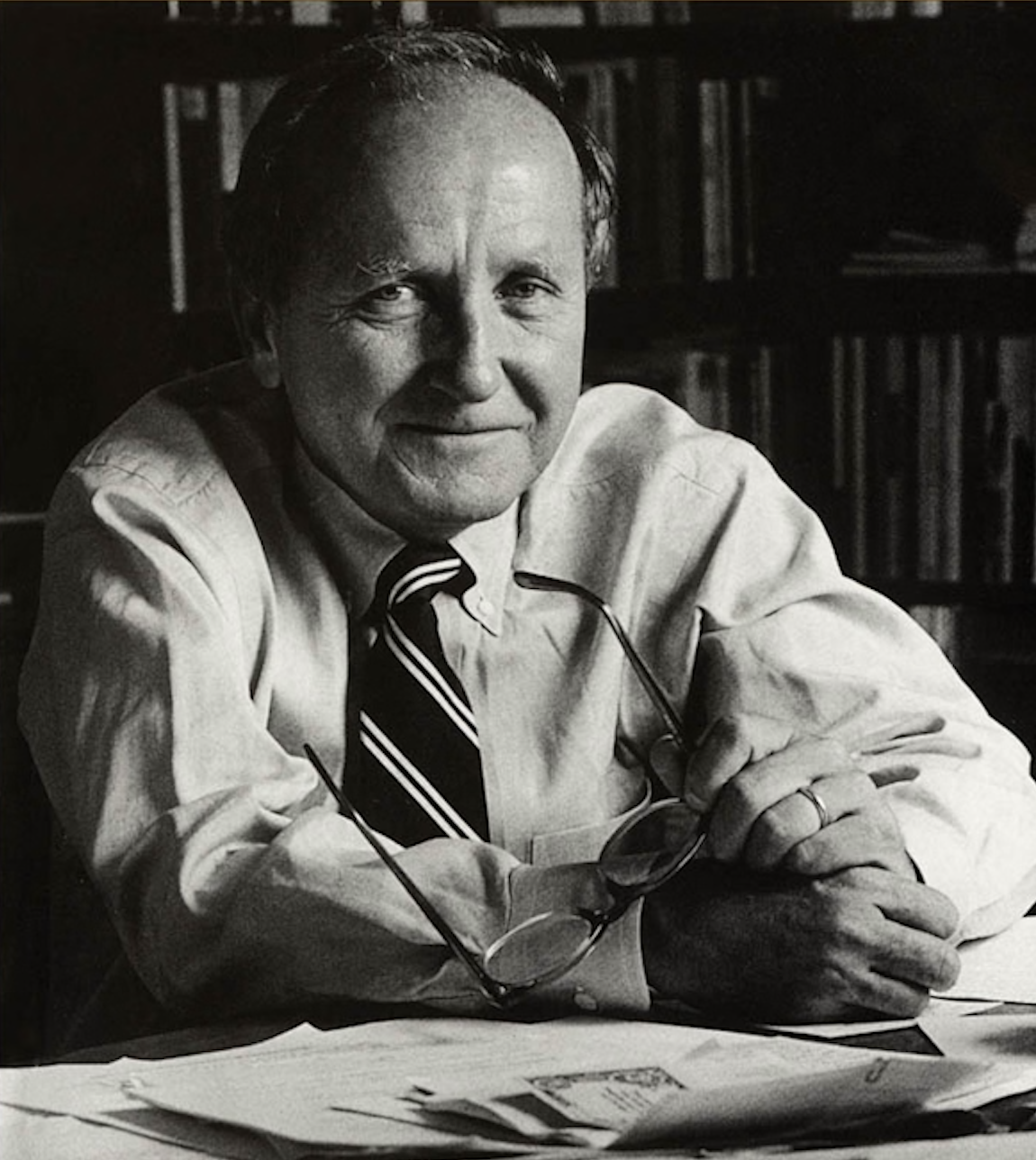
Marshall McLuhan famously observed that the medium is the message—that the ways we communicate shape society as profoundly as the ideas we communicate.James Carey asks even deeper questions. What if communication is not primarily the transmission of information, but the creation of shared meaning? What if communication itself is how society comes into being?
BOOK: Communication as Culture, Revised Edition
communication, collective intelligence
Learning to think together
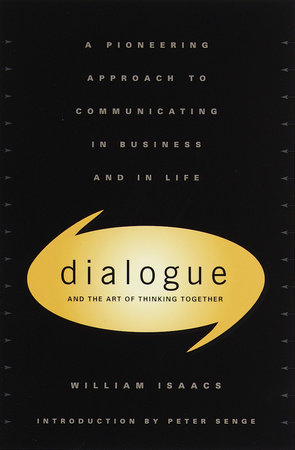
William Isaacs asks a question that opens all kinds of doors: What becomes possible when a group learns to think together?His answer stretches our understanding of communication itself. Dialogue, he suggests, is far more than conversation. It is the practice of creating the conditions where a group can discover insights that none of its members could have reached alone.
BOOK: Dialogue and the Art of Thinking Together
communication, nonviolent communication
Learn to hear what matters
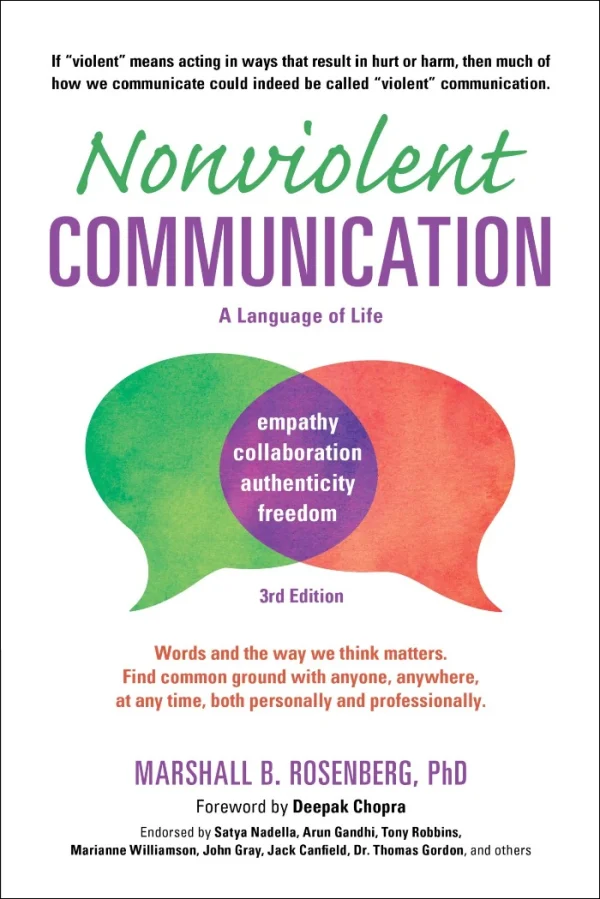
Most communication books promise techniques. They offer better ways to persuade, negotiate, present, or influence. Marshall Rosenberg's Nonviolent Communication begins somewhere much deeper.His central insight is deceptively simple—and extraordinarily difficult to practice: beneath every opinion, criticism, argument, or demand is a human being trying to meet a need.
BOOK: Nonviolent Communication. A Language of Life

communication, listening
The power of a better question
The person asking the questions often learns more than the person giving the answers. Edgar Schein built an entire philosophy of leadership around that deceptively simple idea.Unlike many consultants, Schein was convinced that leaders and advisors should stop arriving with answers. Their job was not to be the smartest person in the room. It was to help the room become smarter.
BOOK: Humble Inquiry, The Gentle Art of Asking Instead of Telling
*About the painting
Anita Snellman was born in Helsinki in 1924 and became one of Finland’s leading twentieth-century painters.
She painted Orchestra in 1953, not long after studying in Paris. The influence of European modernism is there, but so is her own voice. The painting isn’t strictly realistic, nor is it abstract. It lives somewhere in between.
The musicians remain distinct individuals, yet they are clearly part of something larger. Each makes sense on their own. Together, they become something else. No one in the room is making music alone. Each player matters. The listener matters. The music itself exists because everyone is attending to one another.This is how communication works. Meaning rarely arrives fully formed from a single voice. It emerges between people—through attention, timing, and the shared work of creating something that none of us could have created alone.
"Progress is people flourishing."
-Ted Gioia

Writing
Writing is an act of hospitality.
John McPhee has spent more than half a century demonstrating that almost any subject—a freight canoe, geology, oranges, or the Swiss Army—can become fascinating in the hands of a careful writer. Few authors have done more to expand our understanding of what nonfiction can be.
ARTICLE: Draft No. 4

Nonviolent Communication
Learn to hear what matters
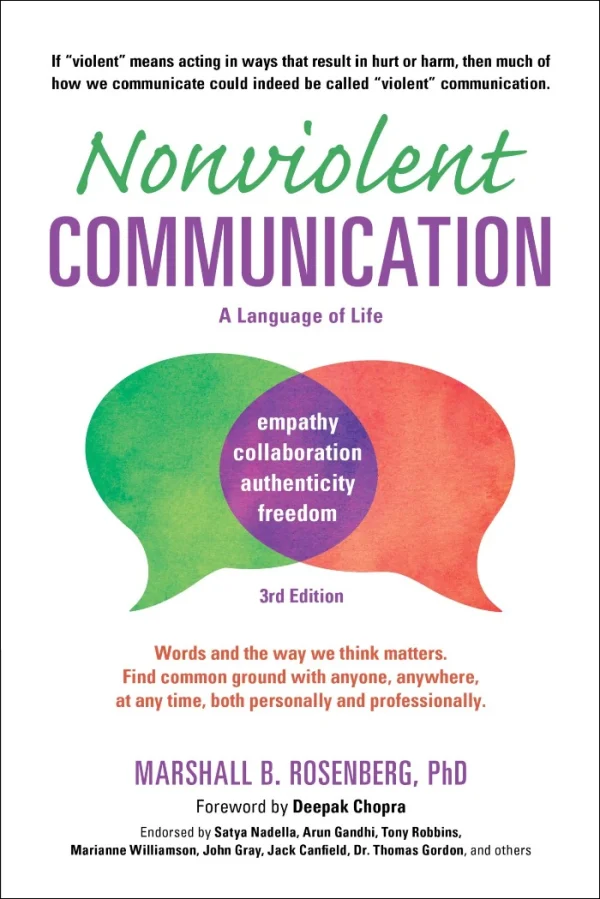
Most communication books promise techniques. They offer better ways to persuade, negotiate, present, or influence. Marshall Rosenberg's Nonviolent Communication—one of the foundational works in the modern movement to understand conflict, relationships, and human connection—begins somewhere much deeper.
BOOK: Nonviolent Communication. A Language of Life
Collective Intelligence
Learning to think together
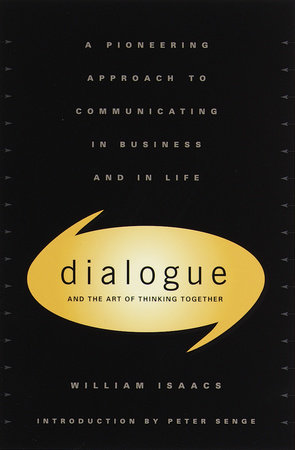
William Isaacs asks a question that opens all kinds of doors: What becomes possible when a group learns to think together?His answer stretches our understanding of communication itself. Dialogue, he suggests, is far more than conversation. It is the practice of creating the conditions where a group can discover insights that none of its members could have reached alone.
BOOK: Dialogue and the Art of Thinking Together
Social Messaging
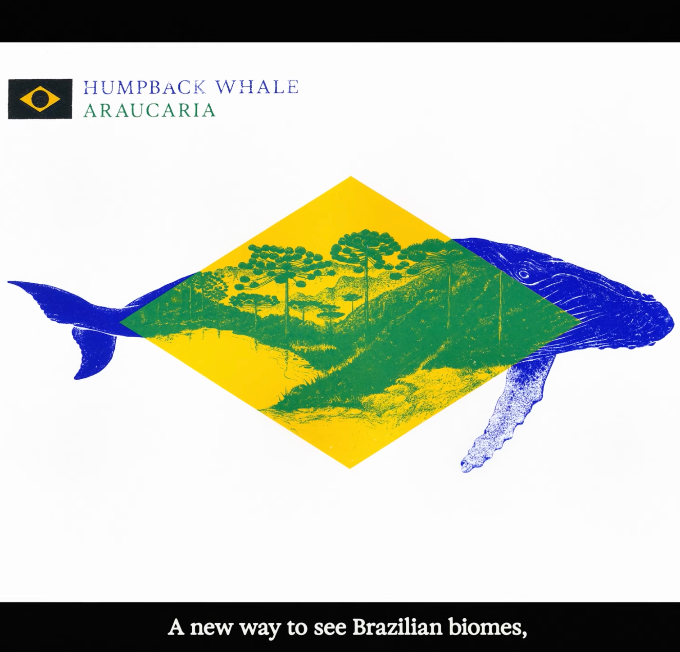
Caring for any coastal country means caring for the marine systems that sustain its forests and biodiversity.
“No Blue, No Green” is a two-phase environmental design campaign by Droga5 São Paulo for the SOS Oceano. Its core message—“without the ocean, there is no life on land”—is distilled into the line “No blue, no green.”Phase one, launched at Rio Ocean Week 2025, removed blue and green from Brazil’s flag, turning a national symbol into a stark environmental warning. Phase two reintroduces those colors through six screen-printed artworks that place marine and terrestrial species inside the flag’s yellow diamond, making their interdependence explicit.
ARTICLE: No Blue, No Green Campaign by Droga5 São Paulo Uses Screen-Printed Art to Defend Brazil’s Oceans
Design
Books
Essential tools for architects, artists, designers, developers, engineers and makers
I wish there were more books like Universal Principles of Design. It’s a field guide to the invisible forces shaping how we live, decide, and relate. Its premise is simple but consequential: design is a powerful force. When we understand and use it well, it supports our intentions; when we don’t, it works against them.Structured as short, two-page entries, the book reads less like theory and more like a shop manual for human environments. Each spread introduces a principal—framing, entry points, the golden ratio, signal-to-noise ratio, chunking—and pairs it with clear diagrams. Open it anywhere, and you’ll start noticing those patterns everywhere: in a ballot, a website, a meeting agenda, a street corner.
BOOK: Universal Principles Of Design, 200 Ways to Increase Appeal, Enhance Usability, Influence Perception, and Make Better Design Decisions
Social Messaging
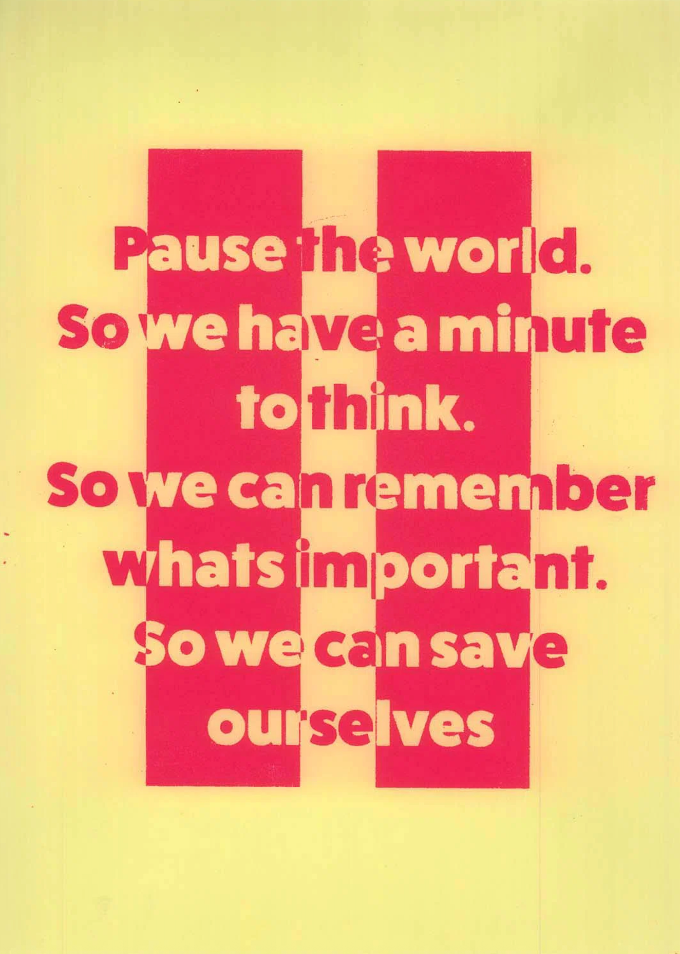
Channeling children’s hopes and fears about climate change onto posters
My Pockets is an award-winning film production company and arts organization based in Hull, East Yorkshire, UK. They use collaborative creativity—especially with young people—to catalyze social change. For this project, Day One, they partnered with Sheffield Youth Voice and Influence Service—a Sheffield City Council team that helps young people shape decisions affecting their lives—to create a series of screen-printed posters expressing young people’s thoughts, fears, humor, and defiance about climate change in their own words and images.
ARTICLE: What Do Children Have To Say About Climate Change? This Collaborative Poster Series Investigates
Brand
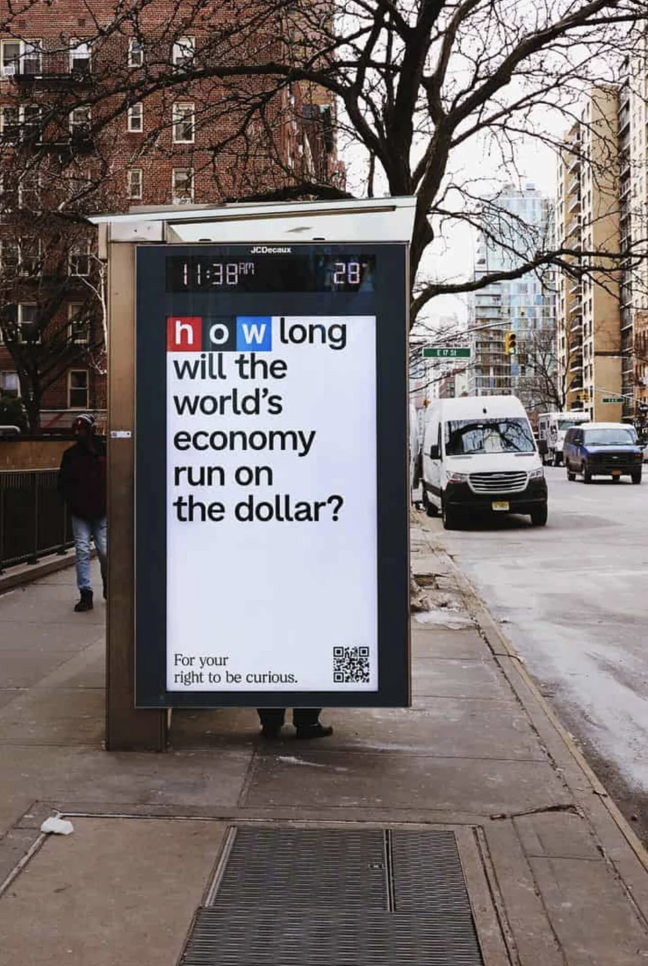
Positioning NPR as essential civic infrastructure at a time when public trust and public funding face intense scrutiny.
NPR, a brand recognized for the power and authority of audio, is using its distinctive logo to turn three simple letters into an invitation—who, how, and why—for your right to be curious. In a new brand campaign with Mischief, an independent creative agency known for irreverent, highly awarded campaigns that punch above their media weight for brands across categories, NPR reimagines its familiar red, black, and blue blocks so each letter becomes a question word, mirroring the work its journalists do every day.
ARTICLE: NPR’s New Brand Campaign Wants You to Ask Questions

Politics
Blogging for democracy
Regular readers know that I typically avoid linking to posts focused on political action. My focus is on reimagining the future by celebrating courage, vision and creativity. But it's important work, and many do it brilliantly.One of those bell ringers is Jason Kottke. After Trump was elected to a second term, he announced that he was going to “pivot to covering the coup.”
POSTS: Kottke.org Posts & Links for Jan 23, 2026

Graphic Design
When designers are their own client
Paul Rand was a defining figure in American graphic design. Over a six-decade career, he reshaped how businesses understood visual communication, introducing modernist European ideas to advertising, publishing, and corporate identity.
ARTICLE: Christmas Cards to Paul Rand

