September 11, 2026
Learning
We inherit what others learned.
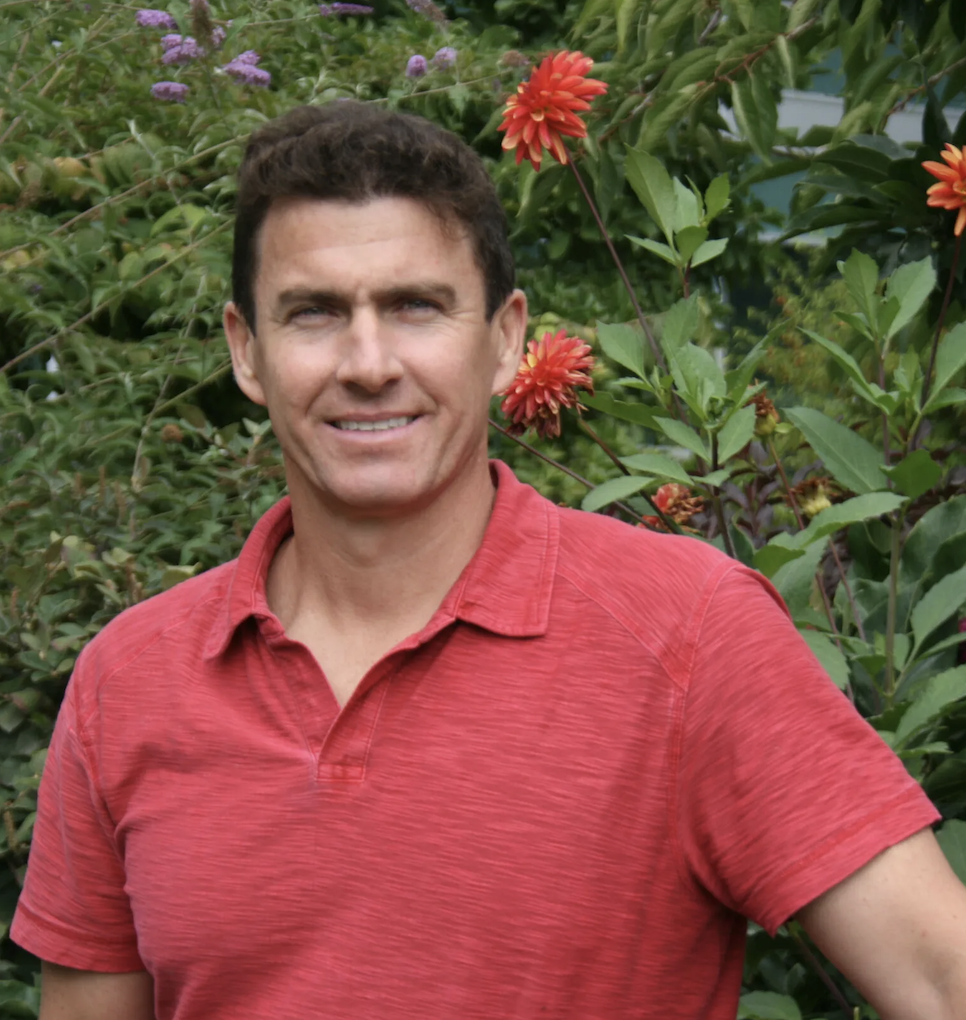
Joseph Henrich. Photo: Jennifer Jacquet, via Harvard Gazette
I reviewed Joseph Henrich’s The Secret of Our Success here in June and filed it under Culture. Henrich’s subject is cultural evolution: how our ability to learn from one another, accumulate knowledge, and pass it along has helped make us the species we are.
But I have been thinking about the book again, and I now see something else in it. Henrich challenges the familiar idea that human beings succeeded because we are exceptionally intelligent individuals. Drop any one of us alone into an unfamiliar wilderness and most of us wouldn’t last long. We don’t know how to make the tools, find the food, build the shelter, or produce the medicines our survival depends upon. What makes us extraordinary is that we don’t have to figure everything out ourselves. We inherit what other people have already learned.
Henrich isn’t only explaining how culture works. He is describing one of humanity’s most consequential capacities: we can learn together, and what we learn can accumulate.
That changes the way I think about progress. None of this means that what we learn stays learned. We can develop vaccines that save millions of lives and then watch trust in vaccination erode. Women can win rights over their own bodies, only to see those rights taken away. Voting rights can be expanded and then narrowed again through new restrictions on access to the ballot. Knowledge can be rejected. Rights can be rescinded. Institutions can decay. Cultural evolution does not guarantee moral evolution.
But neither does every reversal return us to where we started. Once people have demonstrated that women can govern, that children can learn without coercion, that workers can run companies, that damaged ecosystems can recover, or that communities can govern shared resources, something has changed even if the experiment fails. A possibility has entered the human repertoire.
That may be one of the most important things Henrich gives us. Human beings don’t merely inherit the world. We inherit an expanding repertoire of things human beings have learned are possible.
And then we get to decide what to do with it.
BOOK: The Secret of Our Success: How Culture Is Driving Human Evolution, Domesticating Our Species, and Making Us Smarter