Economics
How we organize ownership, exchange, wealth, and resources—and how economic systems can serve communities while respecting the limits and interdependence of a living planet.
Part of Love & Work's continuing inquiry into what human beings are capable of becoming.
ECONOMICS
The Wealth We Can't Build Alone
Resilient communities, healthy economies, and shared prosperity may be the best investment we can make.

Pandilla Moyobambina, a traditional couples' dance performed during the Fiesta de San Juan in Moyobamba, Peru's San Martín region. Photo by Bill Salazar
A good community insures itself by trust, by good faith and good will, by mutual help. A good community, in other words, is a good local economy.” —Wendell Berry
For generations, wealth promised security. Work hard, invest wisely, build a successful business, and you could create a safe future for yourself and your family.
Today that bargain feels more than a little shaky.
...read more

ECONOMICS, STEWARDSHIP
Business can’t thrive on a burning planet
Capitalism has proven remarkably good at generating wealth. It’s much less reliable at protecting the conditions that make wealth possible.
BOOK: Reimagining Capitalism in a World on Fire
ECONOMICS, COMMON GOOD
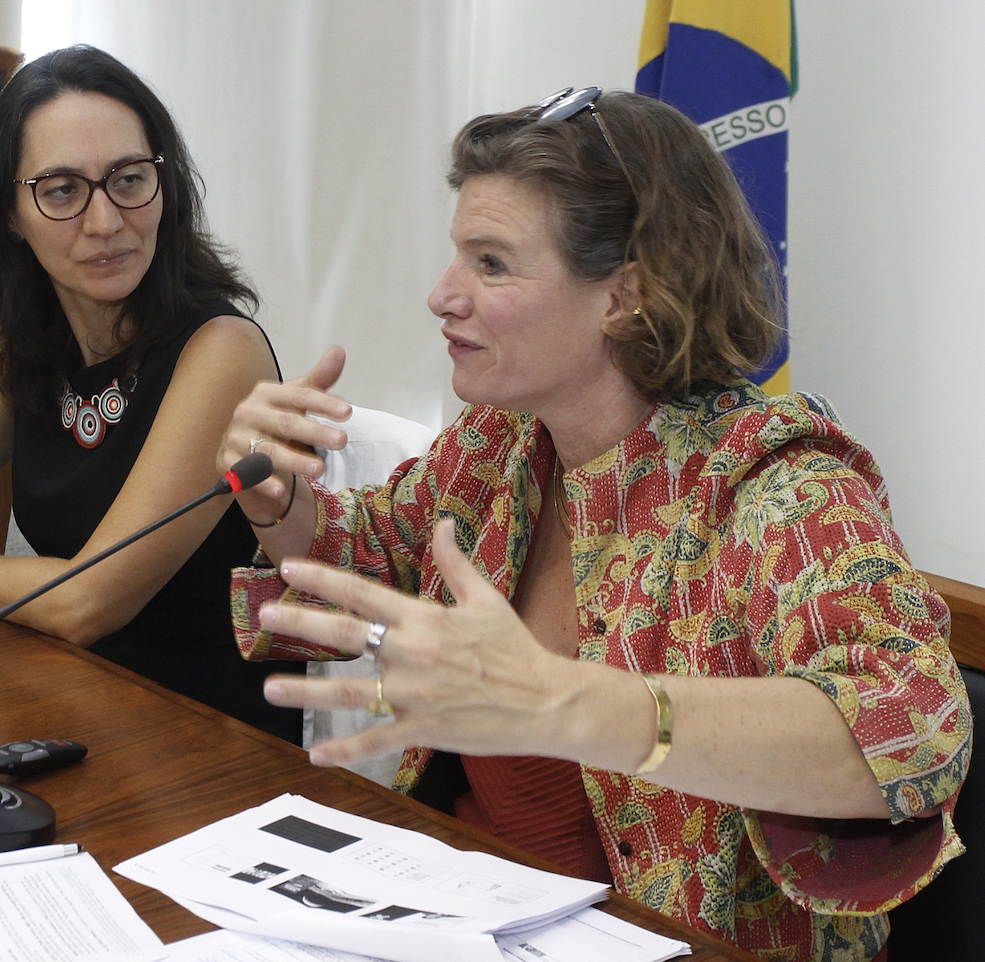
Economies don't simply measure value. They define it.
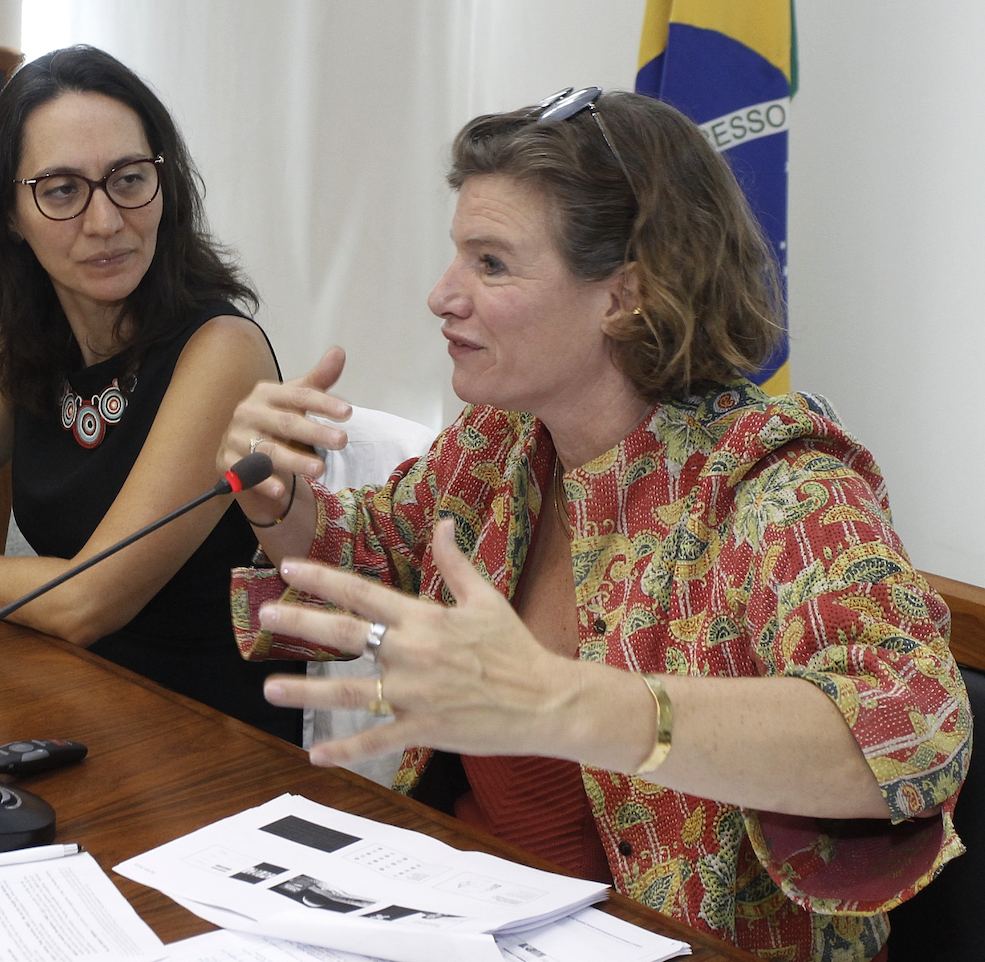
Mariana Mazzucato has spent years challenging one of economics’ most fundamental assumptions. Economies don’t simply measure value—they define it.
BOOK: The Value of Everything

economics, values
Safe futures are good business.
We often hear that markets reward what people value. But markets can only function well when they rest on values they cannot create themselves. Mark Carney explores what happens when market value begins to crowd out the social and moral values that make markets possible.
BOOK: Value(s): Building a Better World for All
COMPANY, ORGANIZATIONAL strategy
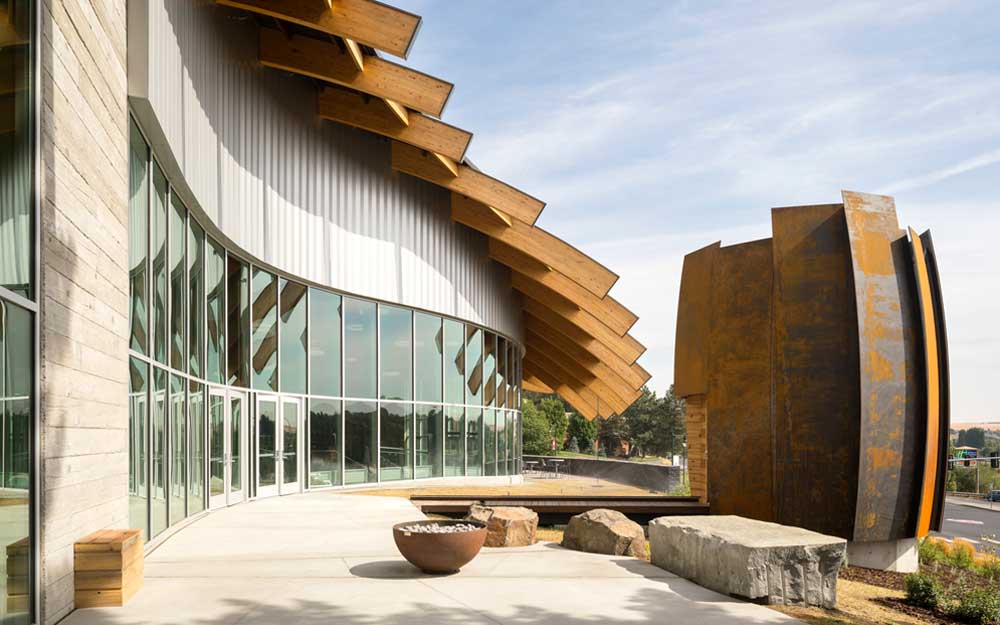
Sustainability is becoming the operating system of resilient organizations.
For years, companies framed sustainability as a matter of corporate responsibility—a way to reduce environmental harm, strengthen reputation, and meet stakeholder expectations.
ARTICLE: Corporate Sustainability Is Now a Resilience Strategy
"Progress is people flourishing."
-Ted Gioia

Economic Value
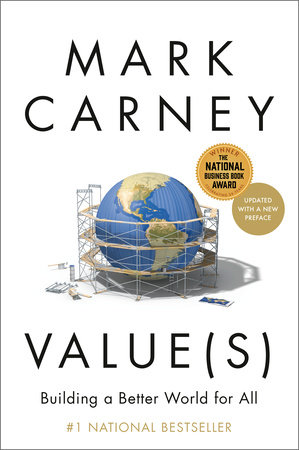
Safe futures are good business.
We often hear that markets reward what people value. But markets can only function well when they rest on values they cannot create themselves. Mark Carney explores what happens when market value begins to crowd out the social and moral values that make markets possible.
BOOK: Value(s): Building a Better World for All

Long View
The purpose of economic life is to sustain people and places, not to sacrifice them to the gains of a few.
Most of us were handed an economy we didn’t design and weren’t asked about. We were taught to navigate it — find work, manage money, build security — but not to question its premises. The premises were presented as facts: people are primarily self-interested; competition drives progress; growth is the measure of health. Yet these are not facts. They are choices. And choices, as it turns out, can be changed.
REGENERATIVE ECONOMICS
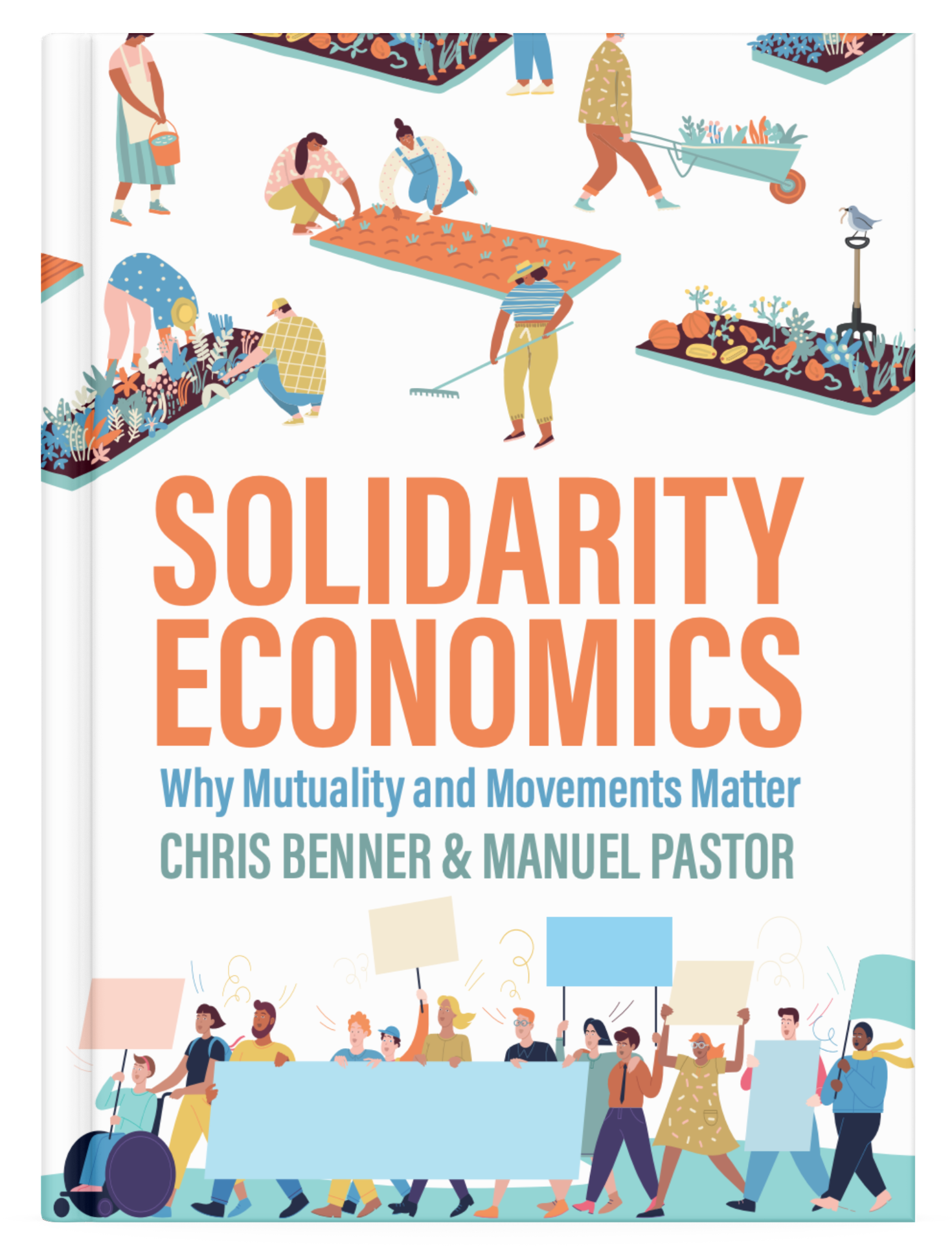
Economies built on mutuality can reshape the rules of the system itself.
When I was young, the “economy” showed up at the end of the evening news, right next to the weather—“Today the Dow closed…”. It never occurred to me that the economy belonged to all of us—or that my choices had any bearing on how it worked. But then in the early 70s I started to experiment with new ways of exchanging goods and services. We bought our vegetables from a food co-op, we organized a buying group to save money on groceries, we started a business that we passed on to its workers at cost. But how these small steps actually changed the capital E Economy remained a mystery.
BOOK: Solidarity Economics: Why Mutuality and Movements Matter
Biophysical Limits
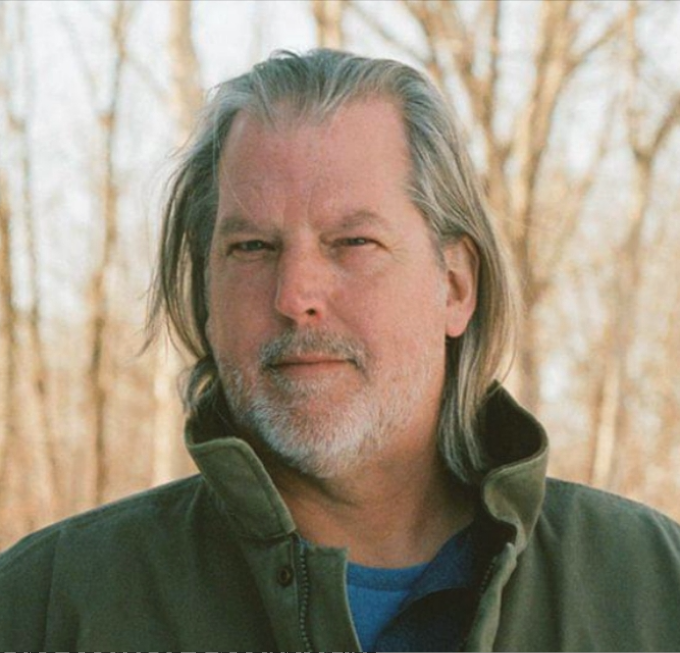
The bill comes due: biophysical limits are becoming more obvious to more people
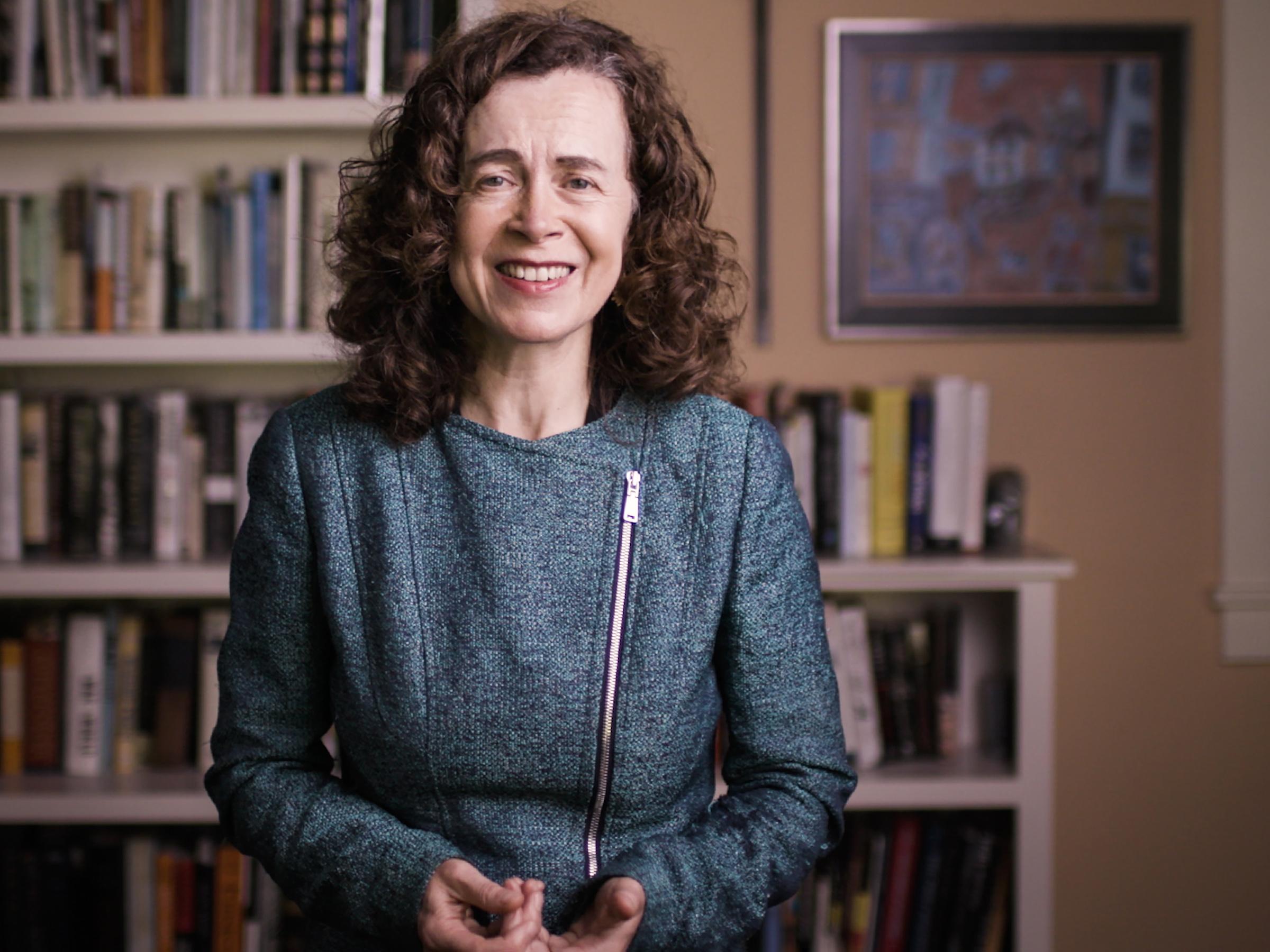
Nate Hagens is a systems thinker and educator focused on the “human predicament” at the intersection of energy, economy, ecology, and human behavior. He’s been tracking how our financial stories and growth expectations have drifted away from the physical realities of energy, materials, and a finite biosphere. In this article he notes that the trends he has been warning about are no longer hypothetical; they are cohering into what he calls a “biophysical phase shift” in the global system.
ARTICLE: The Biophysical Phase Shift
Gift Economy
How can we learn from Indigenous wisdom and ecological systems to reimagine currencies of exchange?
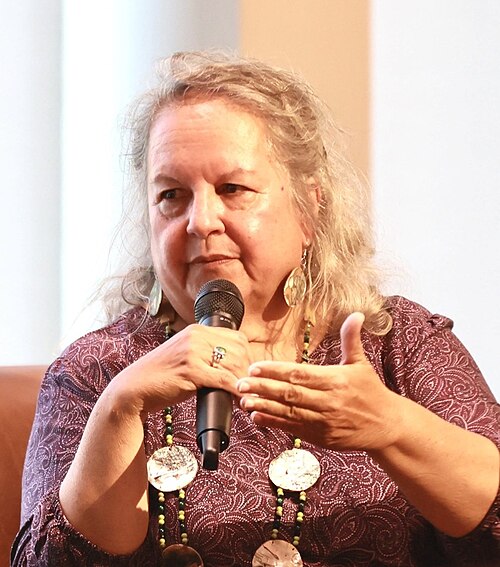
This week my friend and colleague Beth Tener wondered aloud how a country as wealthy as ours can leave so many people without the stability and opportunity our prosperity should make possible. She pointed us to Robin Wall Kimmerer’s reimagining of how we exchange value.
ARTICLE: The Serviceberry. An Economy of Abundance

Circular Economy
Making secondhand shopping feel stylish and enjoyable
Eskilstuna, a city of about 65,000 people in central Sweden, is a university town and an industrial center. The wider municipality has just over 107,000 residents.
ARTICLE: How Sweden’s ‘Secondhand Only’ Shopping Mall is Changing Retail
Decolonization
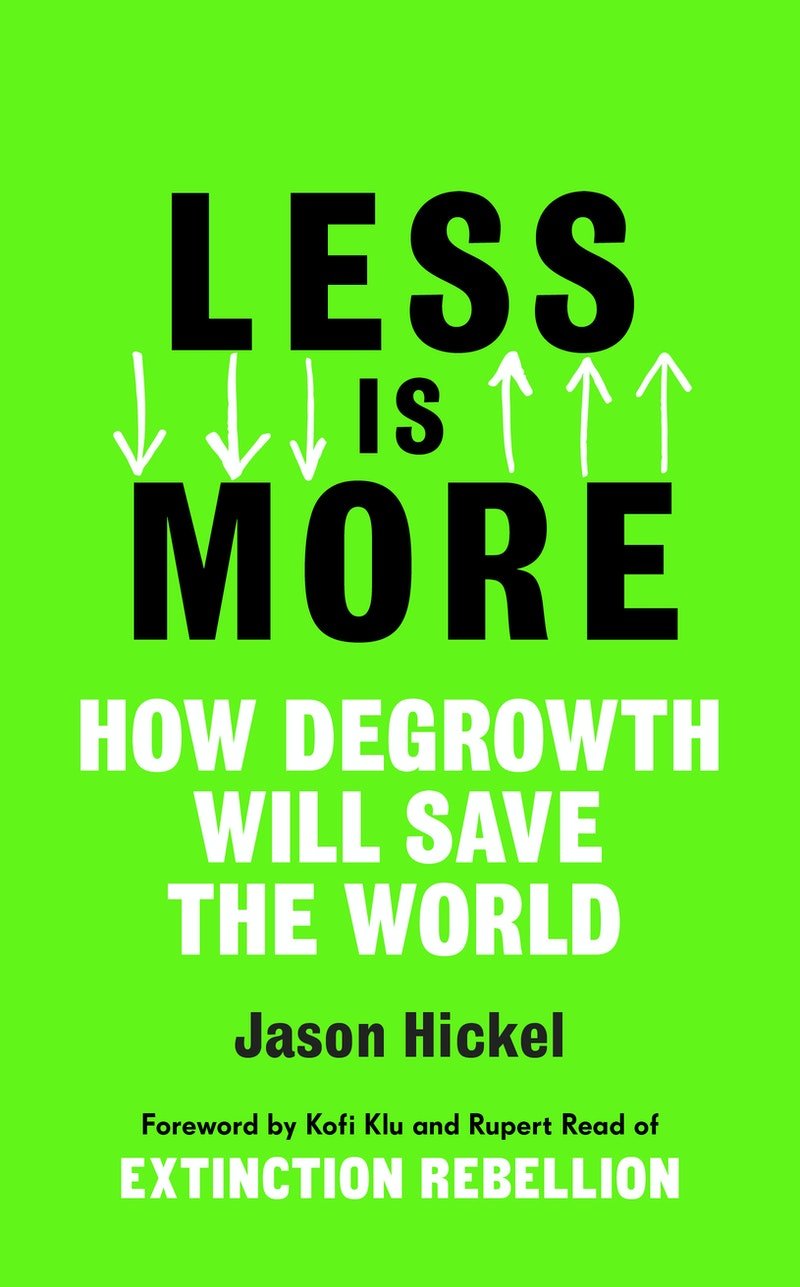
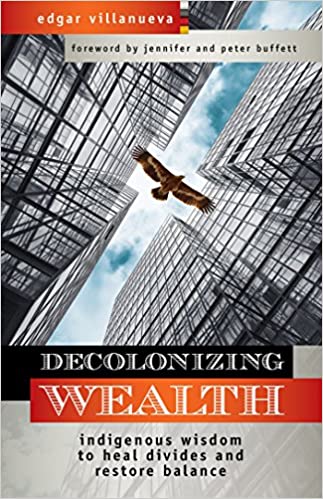
How money can help to disrupt some of the deep, systemic inequities in this country, instead of continuing to feed them.
"In my own Native American belief system, we are all relatives. We are also all infected with what I call the 'colonizer virus' — which urges us to divide, control, and exploit. Nowhere is the virus more symptomatic than in how we deal with wealth."
BOOK EXCERPT: Decolonizing Wealth. What If Money Could Heal Us?

