culture
The Society We Practice Every Day
Culture isn't just arts and entertainment. It's also the way a society discovers who it is becoming.
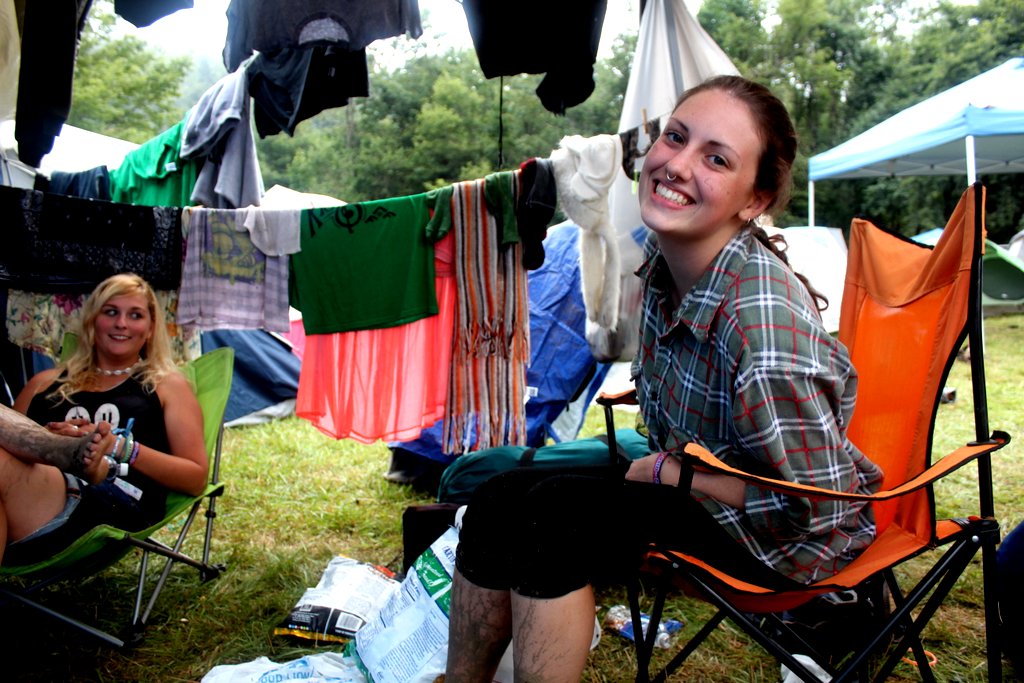
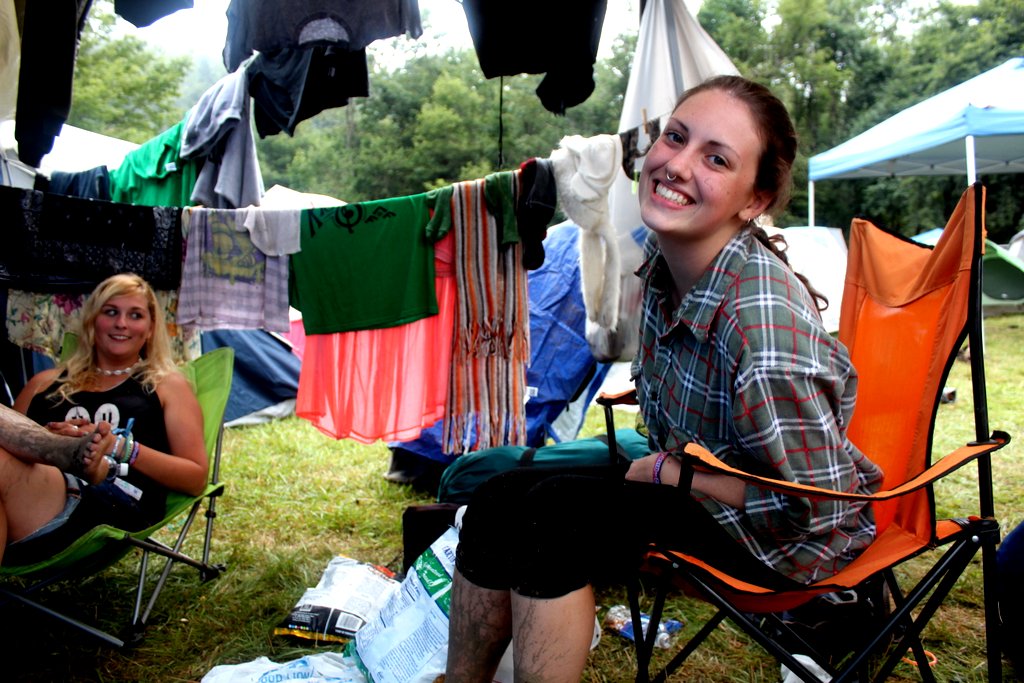
FloydFest 2013, Image by RuralUrbanNatural. Read more*
I’ve been thinking a lot about culture lately—not the arts, exactly, but the invisible patterns that shape how we live together.
The word gets used so many different ways that we can lose sight of culture’s deepest power: its ability to shape what feels normal, possible, and true. Culture isn’t just museums, music, theater, or literature. It isn’t something a society possesses. It’s something a society practices.
Every day we teach one another what is normal. We do it through the stories we tell, the language we choose, the meetings we organize, the neighborhoods we build, the traditions we keep, and the countless small decisions that communicate, “This is how we do things around here.” Over time those choices accumulate until they become common sense.
That’s why I’m starting to think of culture as one of the most practical forces in public life. Long before a new idea becomes law or policy, it usually begins somewhere much smaller. Someone writes a novel. A musician gives voice to a feeling people didn’t know they shared. A teacher experiments with a different way of learning. An entrepreneur builds a company around a new set of assumptions. A neighborhood discovers a better way to solve an old problem.In other words, societies rehearse the future before they build it.
That feels especially true in America. We’ve never been held together by a single ethnicity, language, monarchy, or ancient tradition. From the beginning, we’ve been asking what it means to become we. The answer has never been fixed. Every generation inherits that conversation and adds something of its own.
I suspect that’s why I’m drawn to people who are making culture rather than merely commenting on it. Artists, certainly. But also teachers, librarians, business leaders, community organizers, architects, parents, and neighbors. Anyone who is helping people imagine—and practice—a more generous way of living together.
That’s also what I’m hoping Love & Work can become. Not simply a collection of interesting ideas, but a place where we learn to notice the people, practices, and experiments already pointing toward a more hopeful future. Every week, we borrow a little of their vision so we can see our own lives—and our shared future—with fresh eyes.
culture, shared imagination
Where a society discovers itself
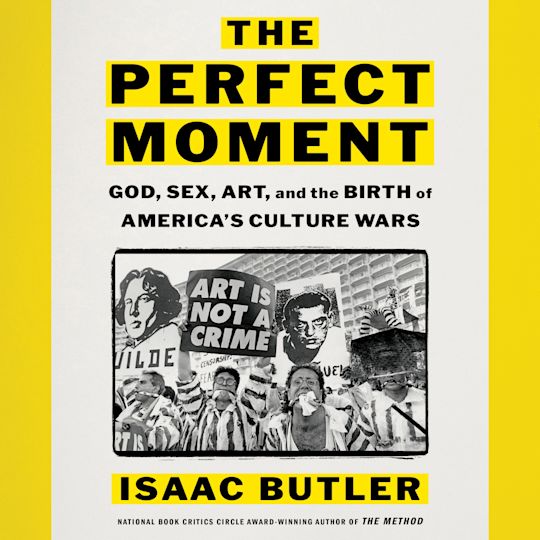
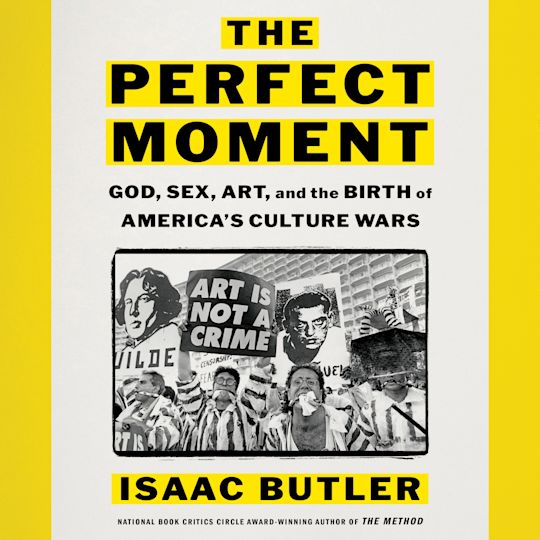
Art, literature, music, theater, and museums are not luxuries, says Isaac Butler. They are how a democracy discovers who it is and what it values. In The Perfect Moment, Butler traces America’s modern culture wars to show that creating a shared culture is itself an act of citizenship.
BOOK: Musicking
culture, creativity
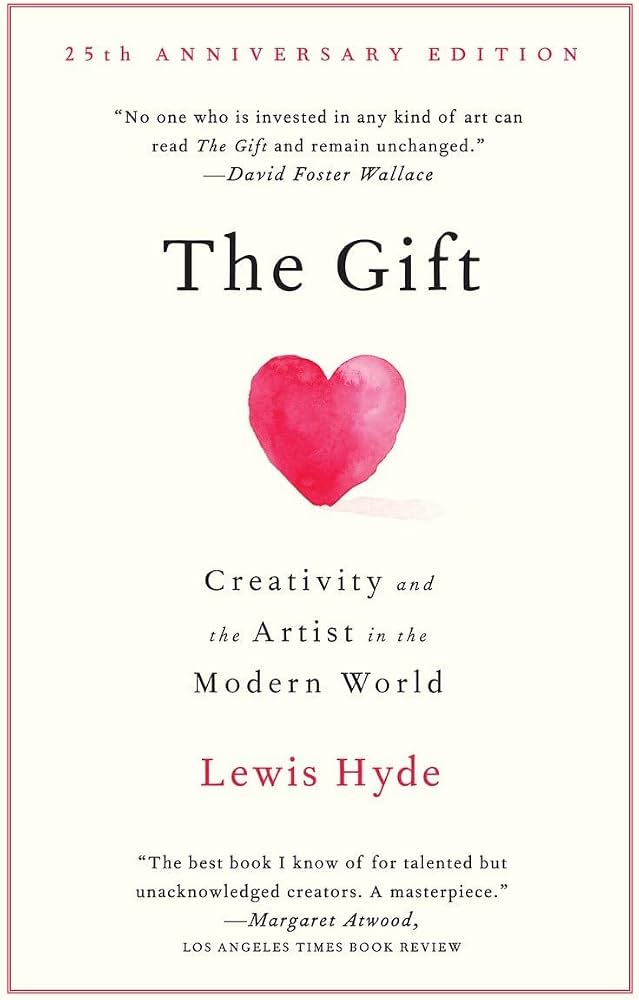
Exchange creates prosperity. Gifts create culture.
Most economies run on exchange. We buy, sell, negotiate, and trade. The transaction is complete when both parties walk away with something of equal value. Lewis Hyde reminds us that culture works differently.
BOOK: The Gift
culture, human flourishing
Culture begins in attention
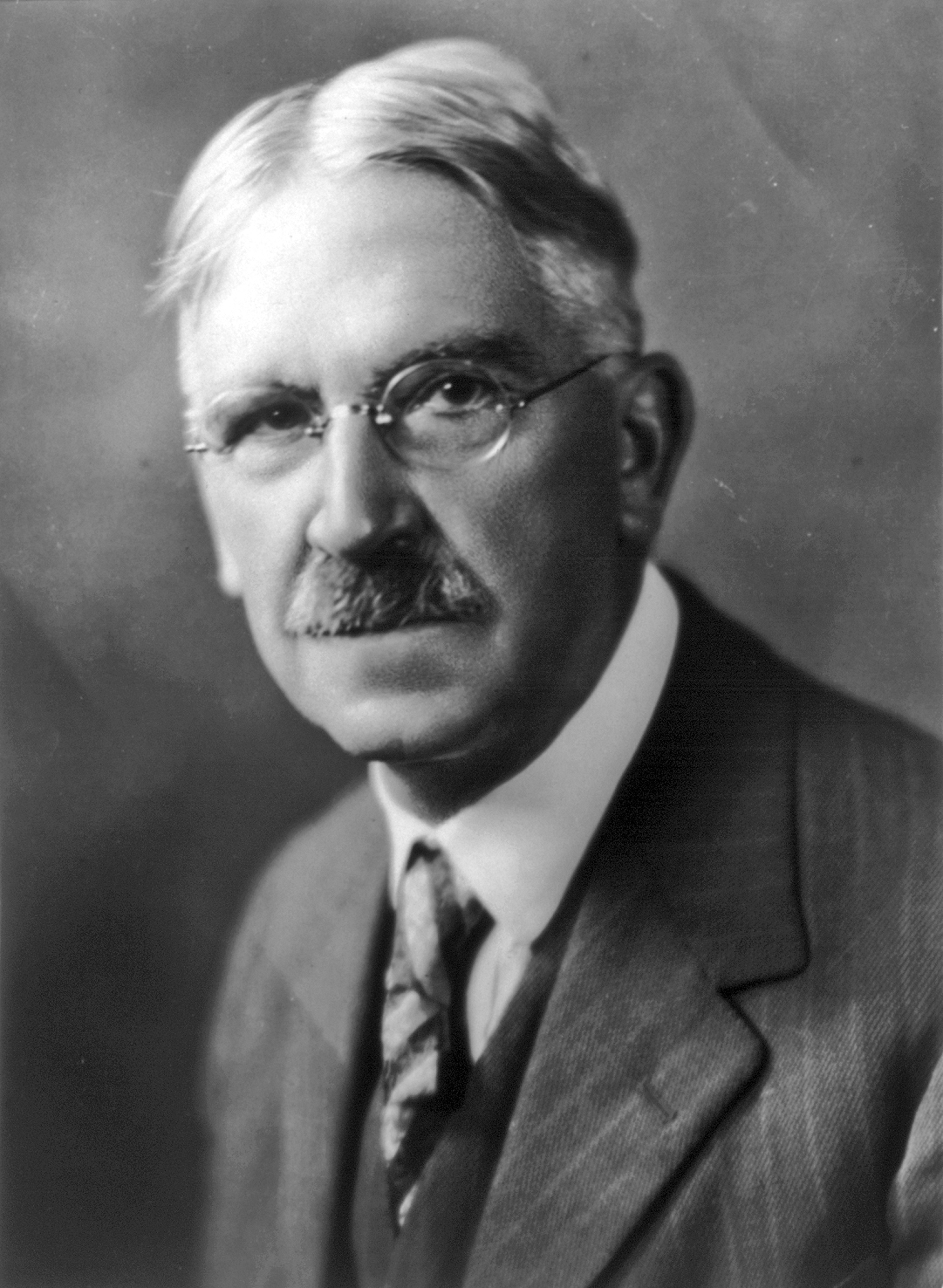
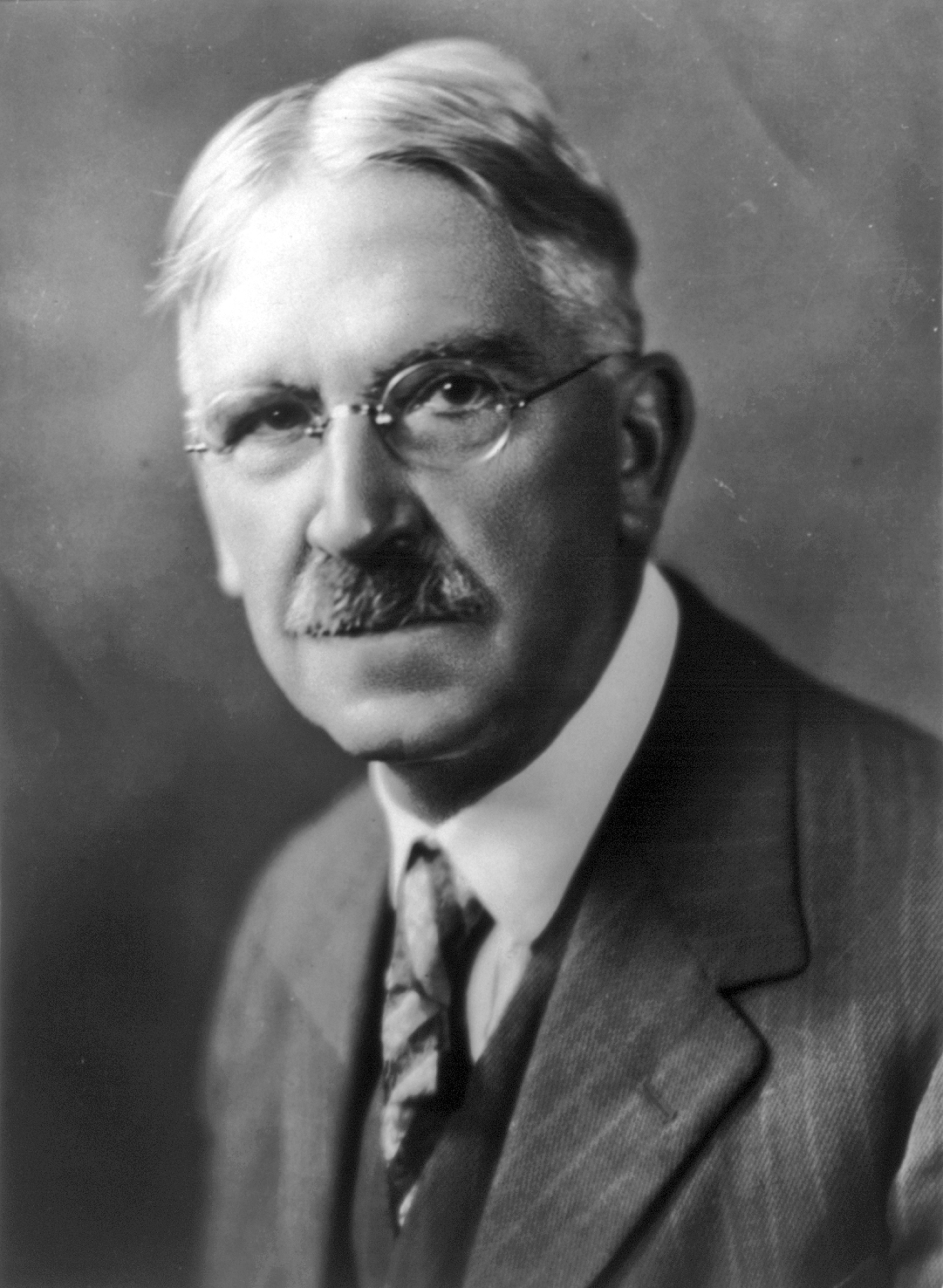
John Dewey refused to separate art from ordinary life.In Art as Experience, the philosopher and educator argues that art isn’t something confined to museums, concert halls, or galleries. It begins much earlier—with the human capacity to notice, to feel, to make meaning, and to find patterns in experience.
BOOK: Art as Experience
culture, music
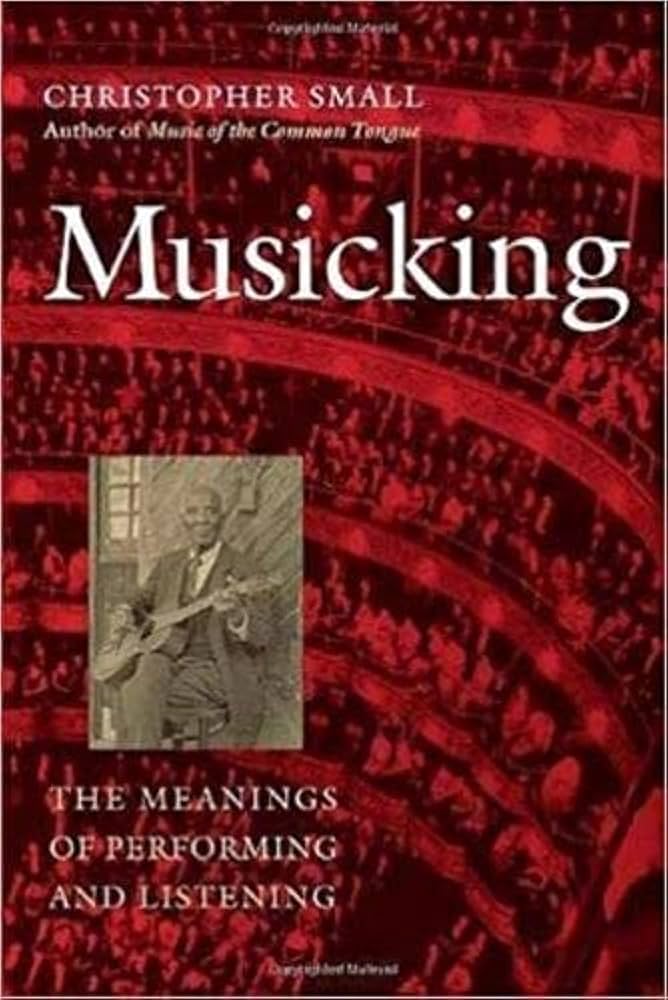
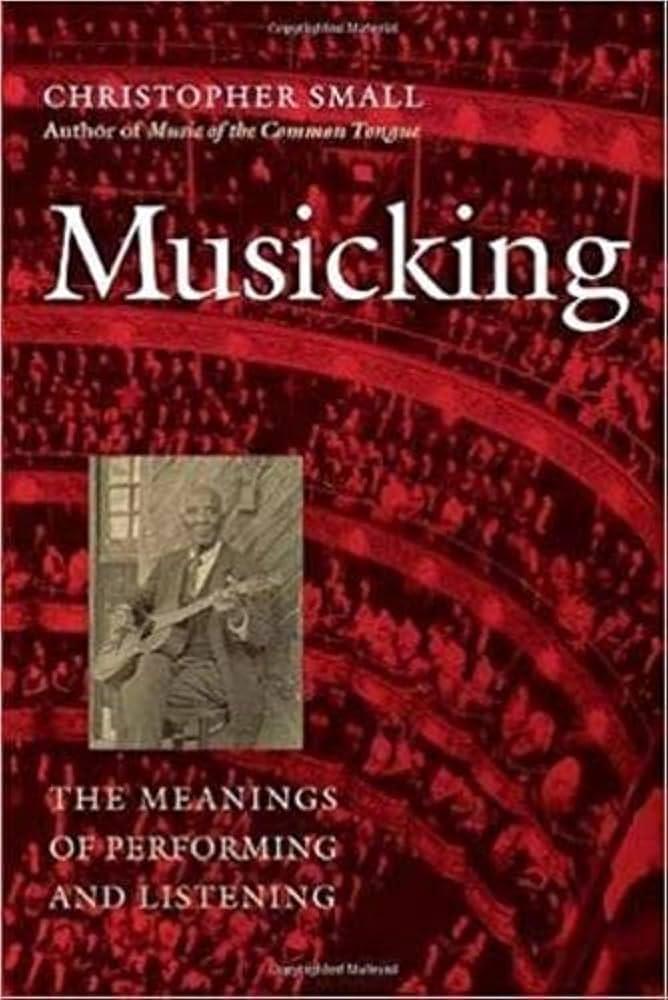
Music isn't a thing. It's something people do together.
Christopher Small asks us to see music not as an object but as something people do together. He calls it musicking: the shared activity of performers, listeners, and everyone involved, through which human beings practice belonging.
Book: Musicking
culture, place
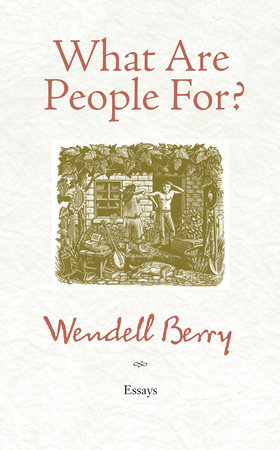
Culture doesn't float above a place. It grows from one.
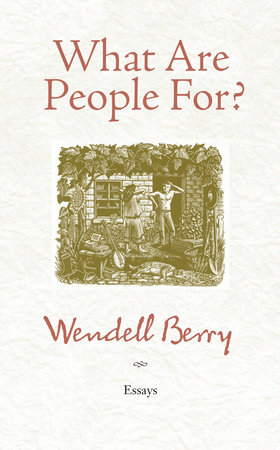
In “The Work of Local Culture,” Wendell Berry reminds us that culture grows from place. Over generations, communities learn what the land supports, what endures, and how neighbors depend on one another. That accumulated knowledge becomes culture.
BOOK: What Are People For?
culture, collective hope
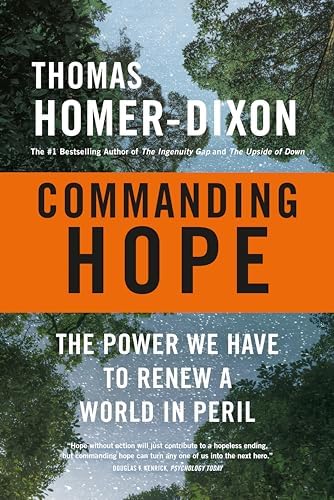
Hope is a discipline.
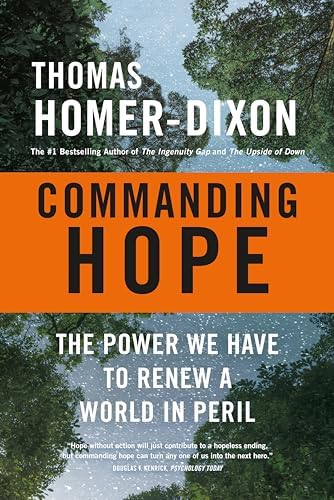
Every society lives by stories about the future. When those stories fail, hope becomes a cultural resource. In Commanding Hope, Thomas Homer-Dixon distinguishes hope from optimism: optimism expects things to work out; hope chooses to act even when we cannot know how the story ends.
BOOK: Commanding Hope
One liners
ARTICLE: In Philadelphia, residents of Germantown are turning their own poems about grief, gun violence, and loss into public art displayed throughout the neighborhood.
ARTICLE: On a street in South London, neighbors opened their homes, gardens, and even a car to artists, turning the entire block into a gallery—and discovering they knew one another better when it was over.
ARTICLE: In Portland, Oregon, the Latinx Choral Project is using community singing to preserve the musical traditions and stories of Latin America while building connections across generations.
ARTICLE: In California, public arts funding is explicitly being used to give more people the opportunity not merely to encounter culture, but to create, participate, and flourish through it.
ARTICLE: In the Catawba Indian Nation, a young cultural knowledge keeper is restoring rivercane basketry by restoring the rivercane itself—reviving culture, craft, and ecology as one practice.
*About the image
Festival-goer at FloydFest, Check, Virginia (2013).
On July 22-26, 2026, FloydFest celebrated more than two decades of music in Virginia’s Blue Ridge Mountains, where Appalachian traditions meet influences from around the world. On any given day, a traditional bluegrass band might be followed by a Malian guitarist, a New Orleans brass ensemble, an indie folk songwriter, or a psychedelic string band. It’s all part of the same conversation.
The festival is equally known for its culture. One longtime tradition is that an empty chair isn’t really empty. If someone leaves to get food or catch another performance, anyone is welcome to sit there until they return. Then you simply thank them and give the chair back. It’s a small gesture, repeated thousands of times over the years. Less about the chair than about the kind of community people are practicing together.
"Progress is people flourishing."
-Ted Gioia
Shared Imagination
Books
Where a society discovers itself
Art, literature, music, theater, museums, and public conversation are not luxuries, says Isaac Butler. They aren't what a society turns to after the "important" work is done. They are among the ways a democracy discovers who it is, what it values, and what it hopes to become. In The Perfect Moment: God, Sex, Art and the Birth of America's Culture Wars, Butler makes a compelling case that citizenship is more than voting, working, or paying taxes. It is also about participating in the ongoing work of creating a shared culture.
BOOK: The Perfect Moment: God, Sex, Art and the Birth of America’s Culture Wars
Story
Changing the story beneath the story
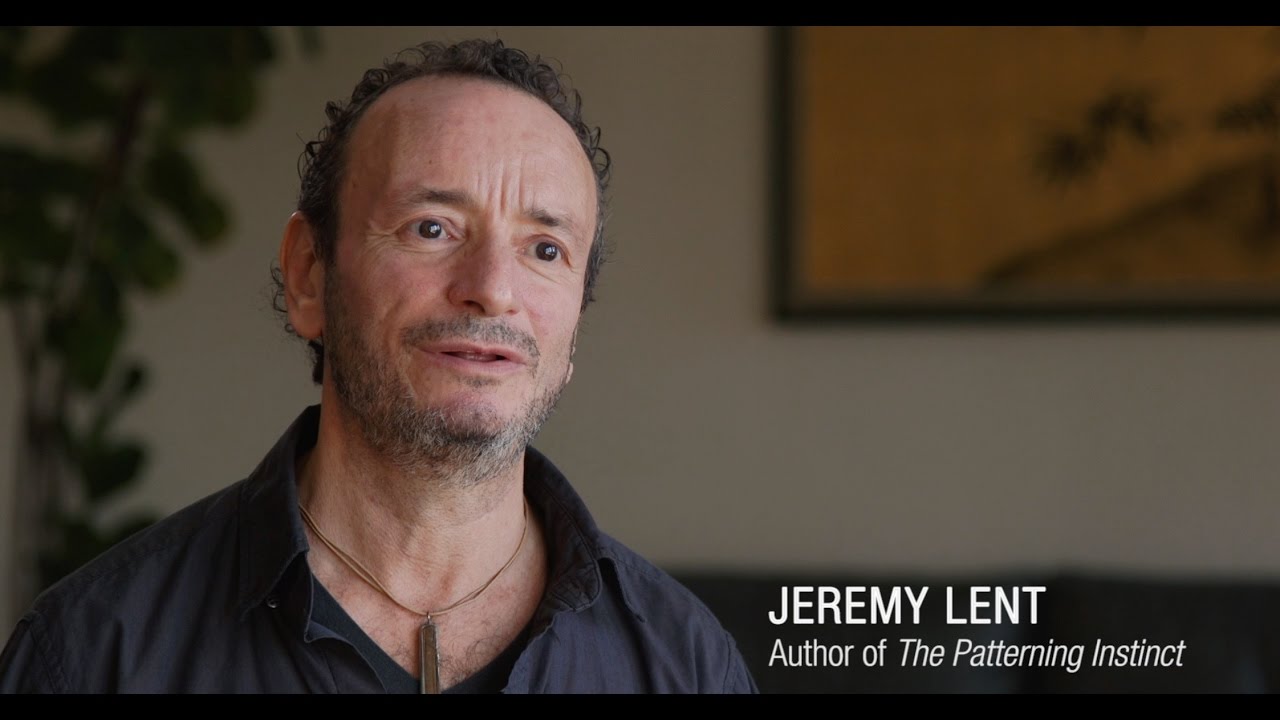
For systems thinkers who want to understand how our deepest stories shape the futures we can imagine, The Patterning Instinct is a remarkable synthesis of cultural history, cognitive science, and systems thinking.
BOOK: The Patterning Instinct: A Cultural History of Humanity’s Search for Meaning
Story
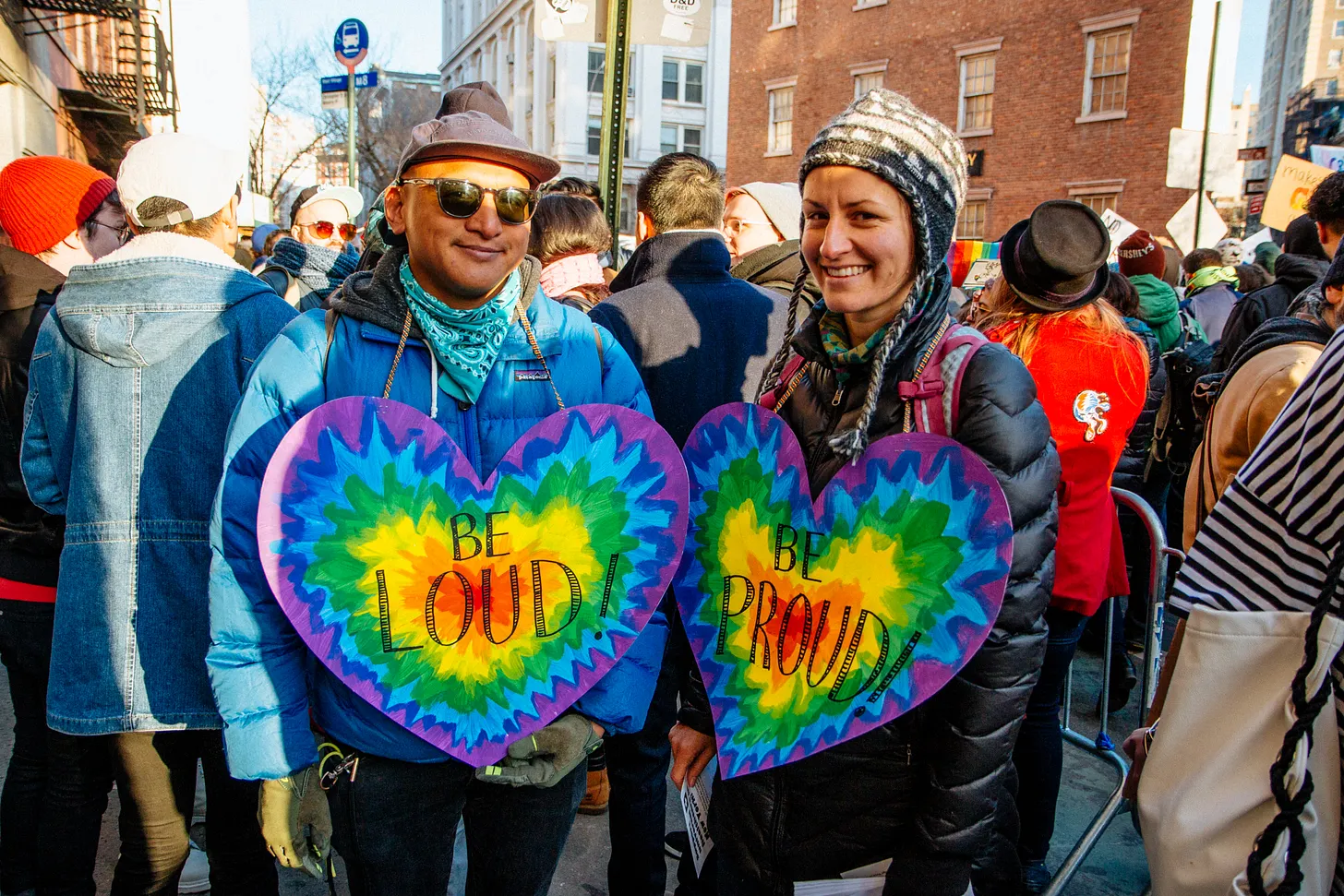
Stories are foundational tools for systems change.
Ella Saltmarshe suggests that lasting change often begins with a change in the stories we tell. Those stories shape what feels normal, what feels possible, and what we're willing to work toward. In this article, she outlines three things stories do well: they help us see more clearly, there bring people together, and they reveal the larger web of relationships that shapes our lives.
Article: Using Story to Change Systems
Human Potential
Culture is human evolution's hidden engine.
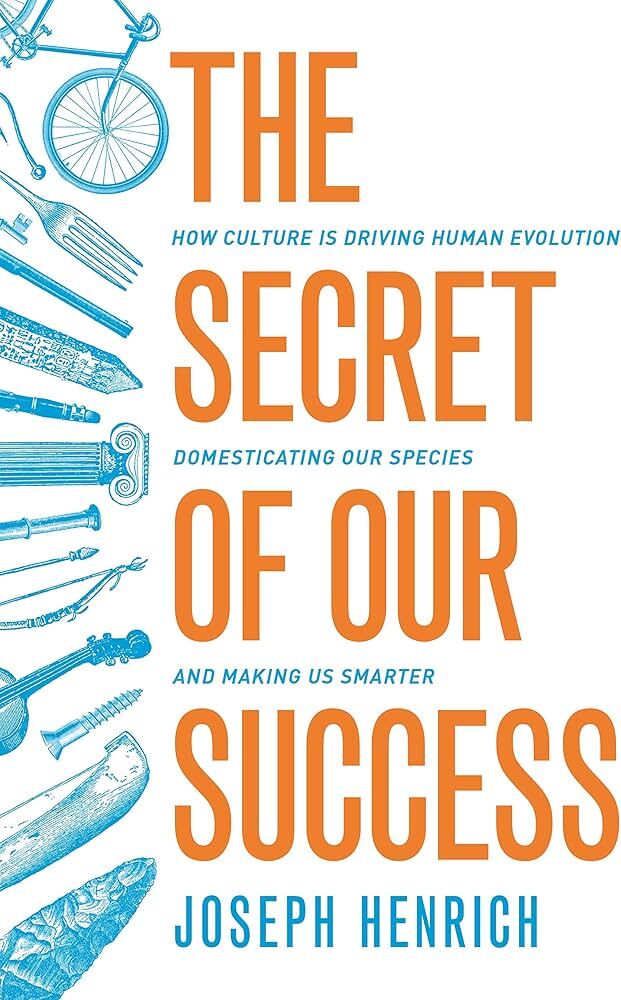
For a long time the dominant story of human exceptionalism was simple: we are smarter than other animals. Bigger brains, higher IQs, greater reasoning power. The Secret of Our Success: How Culture Is Driving Human Evolution, Domesticating Our Species, and Making Us Smarter offers a different explanation. Joseph Henrich argues that what truly sets humans apart is not individual brilliance but our capacity to learn from one another, accumulate cultural knowledge, and pass it forward across generations. In his telling, we are not the genius species; we are the cultural species.
BOOK: The Secret of Our Success: How Culture Is Driving Human Evolution, Domesticating Our Species, and Making Us Smarter
Story
What we’re facing is serious, and we need to acknowledge the whole truth of it.
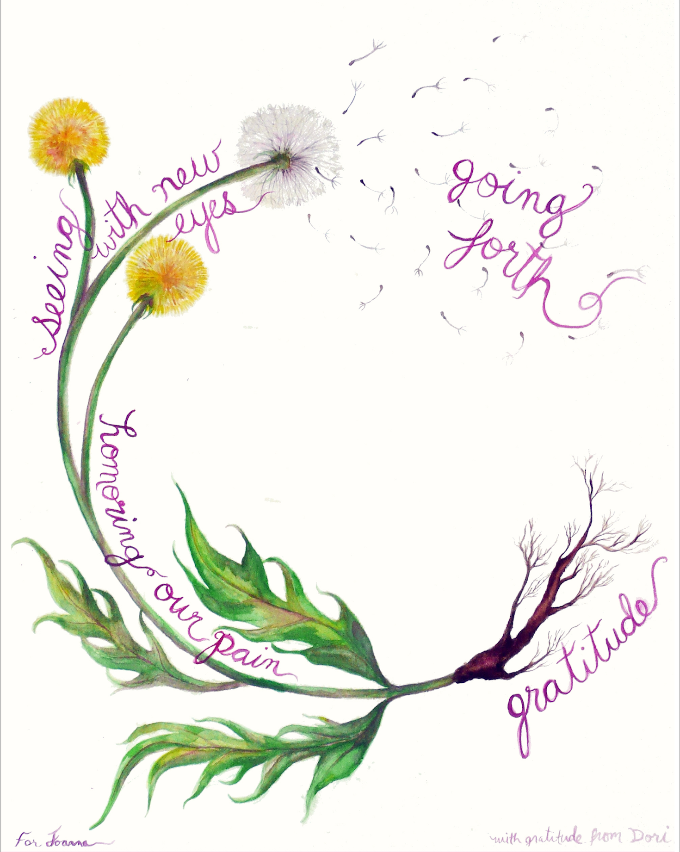
In early 2017, just after Trump’s first inauguration, journalist, Dahr Jamail, interviewed eco-philosopher Joanna Macy to ask what it means to live well in dark times marked by accelerating climate disruption, collapsing ecosystems, chronic war, and extreme inequality. Macy argued that the most radical act in such moments is to remain fully present rather than numbing ourselves with distraction.
ARTICLE: Learning to See in the Dark Amid Catastrophe: An Interview With Deep Ecologist Joanna Macy
Art
“Art is the science of freedom.”
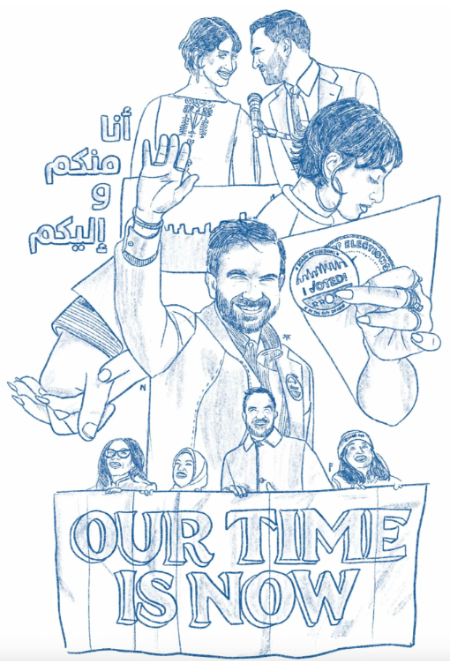
Hrag Vartanian, editor-at-large and co-founder of Hyperallergic, notes that Zohran Mamdani’s ascent to NYC mayor is a powerful example of creativity, imagination, and collective action in politics. Mamdani’s campaign and victory, he says, embody artistic principles: believing in possibility, rejecting cynicism, and linking art, identity, and social change.
ARTICLE REVIEW: The Creative Essence of Zohran Mamdani’s Ascent

