culture
The Society We Practice Every Day
Culture isn't just arts and entertainment. It's also the way a society discovers who it is becoming.
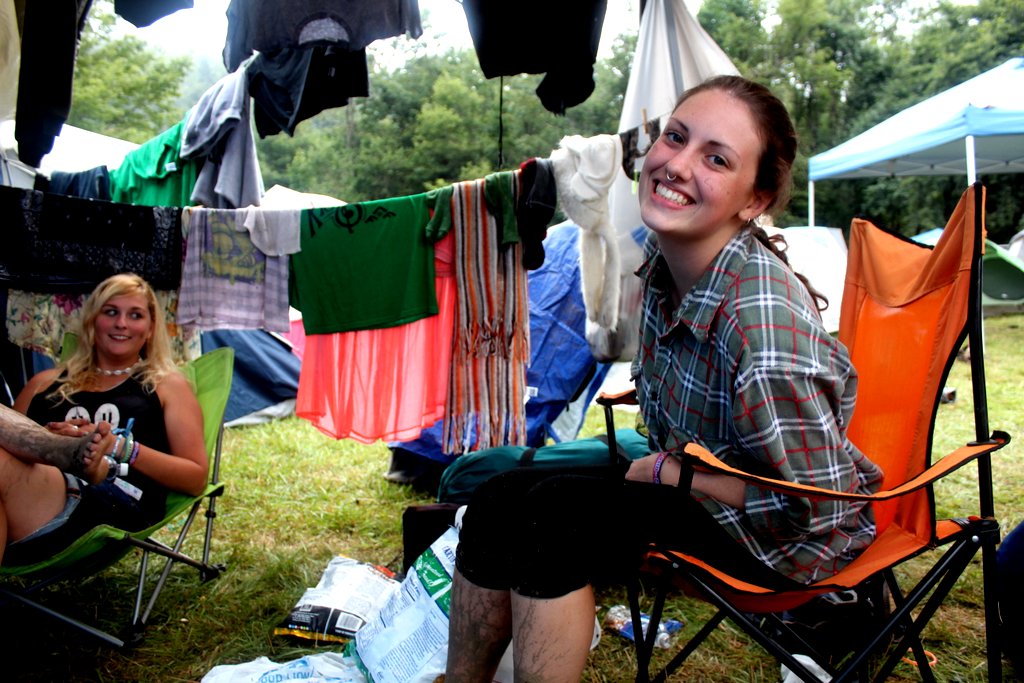
FloydFest 2013, Image by RuralUrbanNatural. Read more*
I’ve been thinking a lot about culture lately—not the arts, exactly, but the invisible patterns that shape how we live together.
The word gets used so many different ways that we can lose sight of culture’s deepest power: its ability to shape what feels normal, possible, and true. Culture isn’t just museums, music, theater, or literature. It isn’t something a society possesses. It’s something a society practices.
Every day we teach one another what is normal. We do it through the stories we tell, the language we choose, the meetings we organize, the neighborhoods we build, the traditions we keep, and the countless small decisions that communicate, “This is how we do things around here.” Over time those choices accumulate until they become common sense.
That’s why I’m starting to think of culture as one of the most practical forces in public life. Long before a new idea becomes law or policy, it usually begins somewhere much smaller. Someone writes a novel. A musician gives voice to a feeling people didn’t know they shared. A teacher experiments with a different way of learning. An entrepreneur builds a company around a new set of assumptions. A neighborhood discovers a better way to solve an old problem.In other words, societies rehearse the future before they build it.
That feels especially true in America. We’ve never been held together by a single ethnicity, language, monarchy, or ancient tradition. From the beginning, we’ve been asking what it means to become we. The answer has never been fixed. Every generation inherits that conversation and adds something of its own.
I suspect that’s why I’m drawn to people who are making culture rather than merely commenting on it. Artists, certainly. But also teachers, librarians, business leaders, community organizers, architects, parents, and neighbors. Anyone who is helping people imagine—and practice—a more generous way of living together.
That’s also what I’m hoping Love & Work can become. Not simply a collection of interesting ideas, but a place where we learn to notice the people, practices, and experiments already pointing toward a more hopeful future. Every week, we borrow a little of their vision so we can see our own lives—and our shared future—with fresh eyes.
culture, shared imagination
Where a society discovers itself
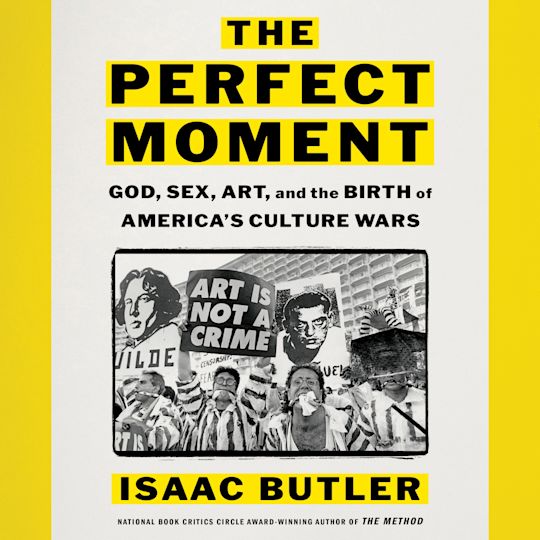
Art, literature, music, theater, and museums are not luxuries, says Isaac Butler. They are how a democracy discovers who it is and what it values. In The Perfect Moment, Butler traces America’s modern culture wars to show that creating a shared culture is itself an act of citizenship.
BOOK: Musicking
culture, creativity
Exchange creates prosperity. Gifts create culture.
Most economies run on exchange. We buy, sell, negotiate, and trade. The transaction is complete when both parties walk away with something of equal value. Lewis Hyde reminds us that culture works differently.
BOOK: The Gift
culture, human flourishing
Culture begins in attention
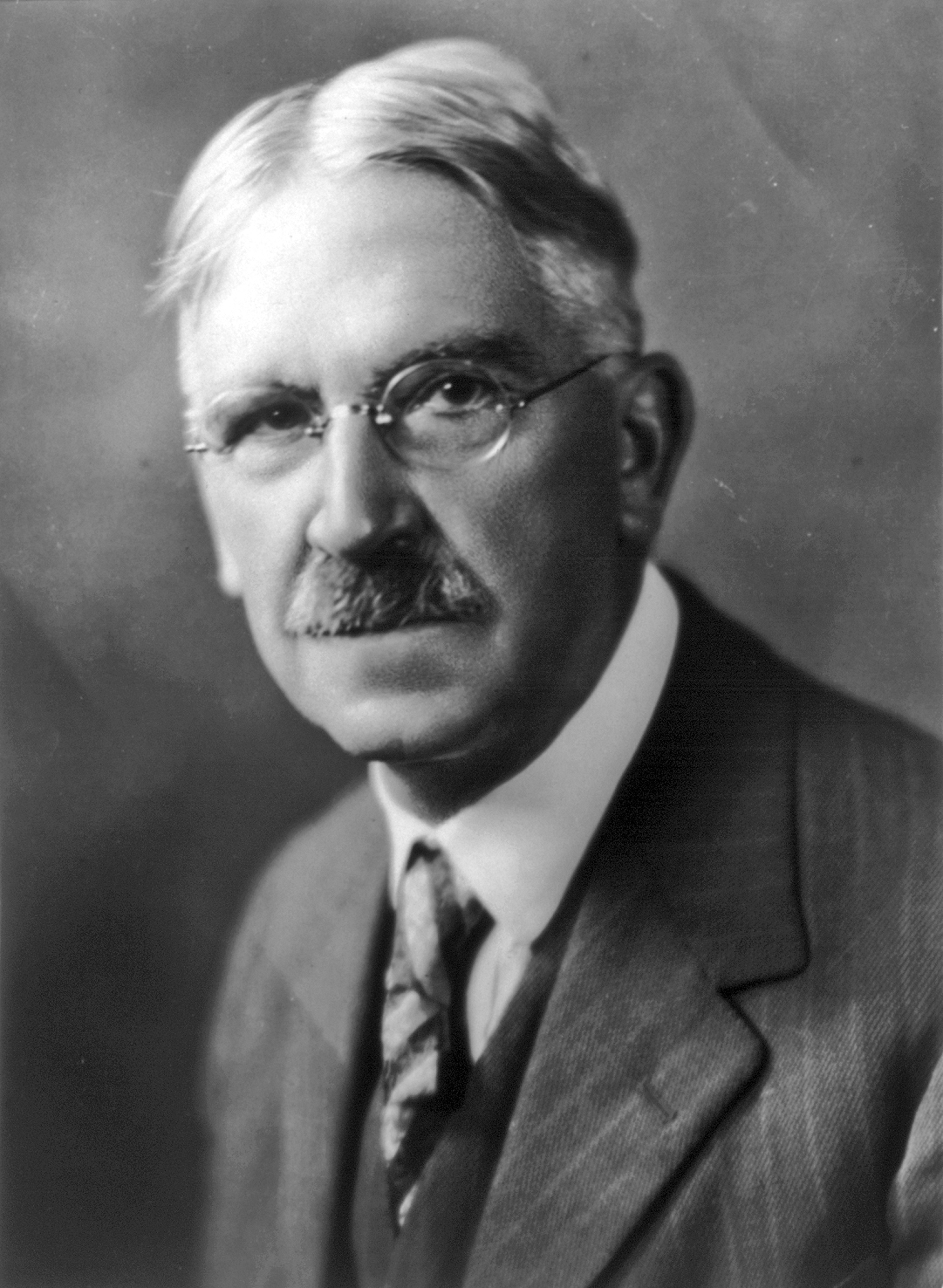
John Dewey refused to separate art from ordinary life.In Art as Experience, the philosopher and educator argues that art isn’t something confined to museums, concert halls, or galleries. It begins much earlier—with the human capacity to notice, to feel, to make meaning, and to find patterns in experience.
BOOK: Art as Experience
culture, music
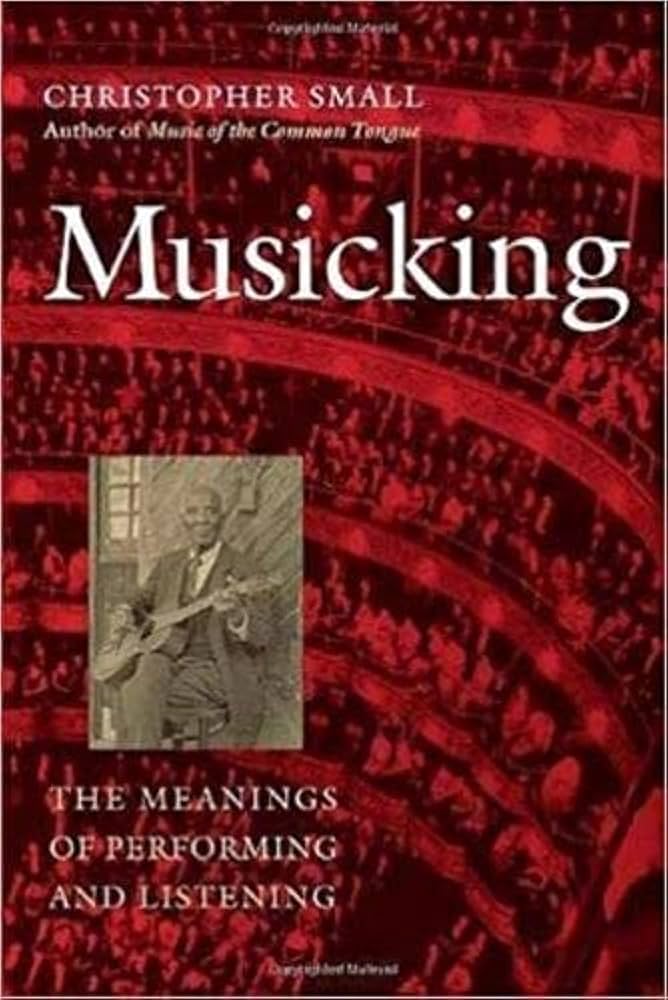
Music isn't a thing. It's something people do together.
Christopher Small asks us to see music not as an object but as something people do together. He calls it musicking: the shared activity of performers, listeners, and everyone involved, through which human beings practice belonging.
Book: Musicking
culture, place
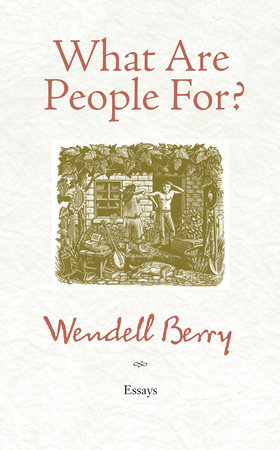
Culture doesn't float above a place. It grows from one.
In “The Work of Local Culture,” Wendell Berry reminds us that culture grows from place. Over generations, communities learn what the land supports, what endures, and how neighbors depend on one another. That accumulated knowledge becomes culture.
BOOK: What Are People For?
culture, collective hope
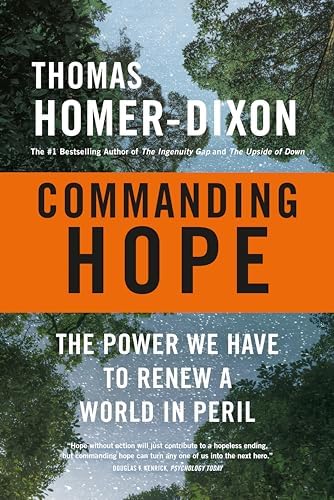
Hope is a discipline.
Every society lives by stories about the future. When those stories fail, hope becomes a cultural resource. In Commanding Hope, Thomas Homer-Dixon distinguishes hope from optimism: optimism expects things to work out; hope chooses to act even when we cannot know how the story ends.
BOOK: Commanding Hope
One liners
ARTICLE: In Philadelphia, residents of Germantown are turning their own poems about grief, gun violence, and loss into public art displayed throughout the neighborhood.
ARTICLE: On a street in South London, neighbors opened their homes, gardens, and even a car to artists, turning the entire block into a gallery—and discovering they knew one another better when it was over.
ARTICLE: In Portland, Oregon, the Latinx Choral Project is using community singing to preserve the musical traditions and stories of Latin America while building connections across generations.
ARTICLE: In California, public arts funding is explicitly being used to give more people the opportunity not merely to encounter culture, but to create, participate, and flourish through it.
ARTICLE: In the Catawba Indian Nation, a young cultural knowledge keeper is restoring rivercane basketry by restoring the rivercane itself—reviving culture, craft, and ecology as one practice.
*About the image
Festival-goer at FloydFest, Check, Virginia (2013).
On July 22-26, 2026, FloydFest celebrated more than two decades of music in Virginia’s Blue Ridge Mountains, where Appalachian traditions meet influences from around the world. On any given day, a traditional bluegrass band might be followed by a Malian guitarist, a New Orleans brass ensemble, an indie folk songwriter, or a psychedelic string band. It’s all part of the same conversation.
The festival is equally known for its culture. One longtime tradition is that an empty chair isn’t really empty. If someone leaves to get food or catch another performance, anyone is welcome to sit there until they return. Then you simply thank them and give the chair back. It’s a small gesture, repeated thousands of times over the years. Less about the chair than about the kind of community people are practicing together.
"Progress is people flourishing."
-Ted Gioia

Independence
Why “heterarchy” might be a better way to describe the shifting roles and relationships that actually hold communities and institutions together.
Carole Crumley is an American anthropologist and archaeologist known for founding the field of historical ecology and for introducing the idea of heterarchy to explain power and complexity in human societies. Heterarchy describes systems where there isn’t one fixed top level of authority—different forms of power can rise, fall, and coexist depending on the situation. It’s a more accurate way to understand complex, changing human systems than strict hierarchy or any single chain of command.
REVIEW: The Central Role of Collaboration and Trust in Human Societies
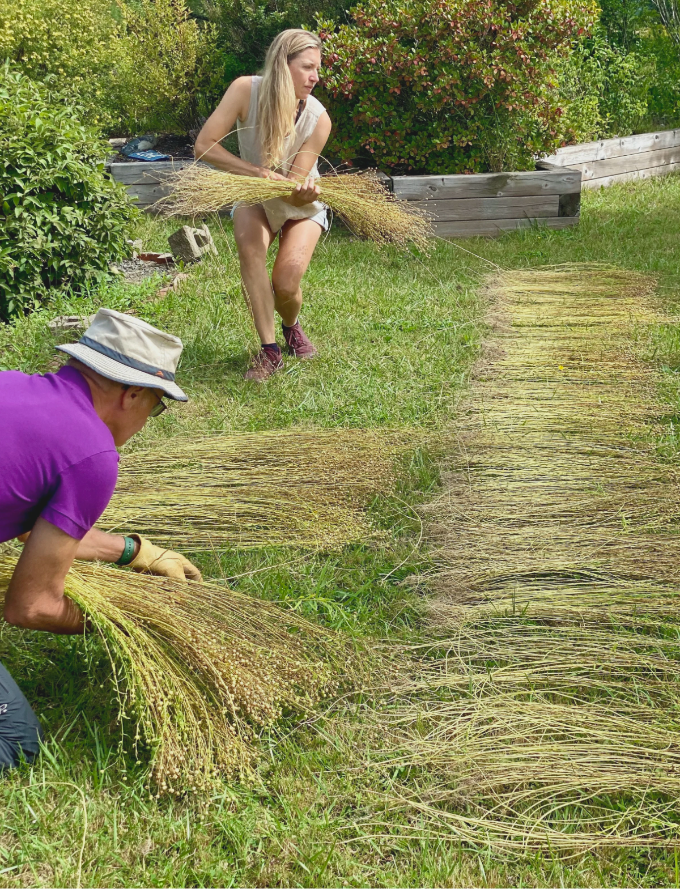
Bioregionalism
A local response to global crises in agriculture, textiles, and climate
In Nova Scotia, a small but vivid flax-to-linen experiment is quietly rebuilding local textile capacity by braiding together history, culture, small farms, and just-enough machinery. Its aim is not to “compete” with global linen, but to grow a place-based fabric of resilience: cloth that reflects a particular land, climate, and community. Across many regions, similar projects are part of a broader movement toward bioregional fiber systems—asking what it would mean if our wardrobes were as local as our farmers’ markets.
ARTICLE: Revisiting the Nova Scotia Flax to Linen Ecosystem
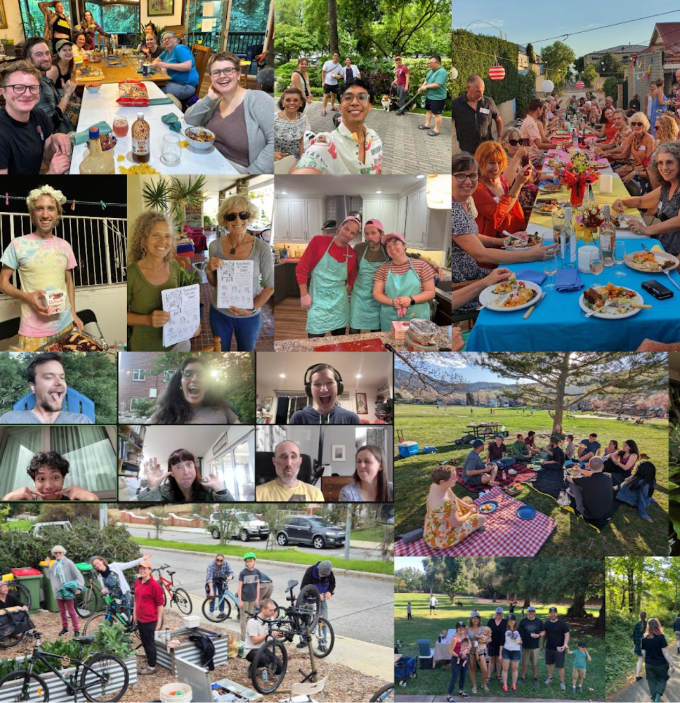
Community
How to reweave the social fabric of the world—one neighborhood at a time
Savannah Kruger and her partner Jon Bo loved their apartment in Boulder, Colorado—close to parks, trails, groceries, and downtown—but felt something was missing. “There wasn’t much community in our neighborhood yet.” So they decided to build it. They began with a simple potluck for their 31-unit building, hand-delivering handwritten invitations and knocking on every door.
ARTICLE: Building Neighborhood Communities
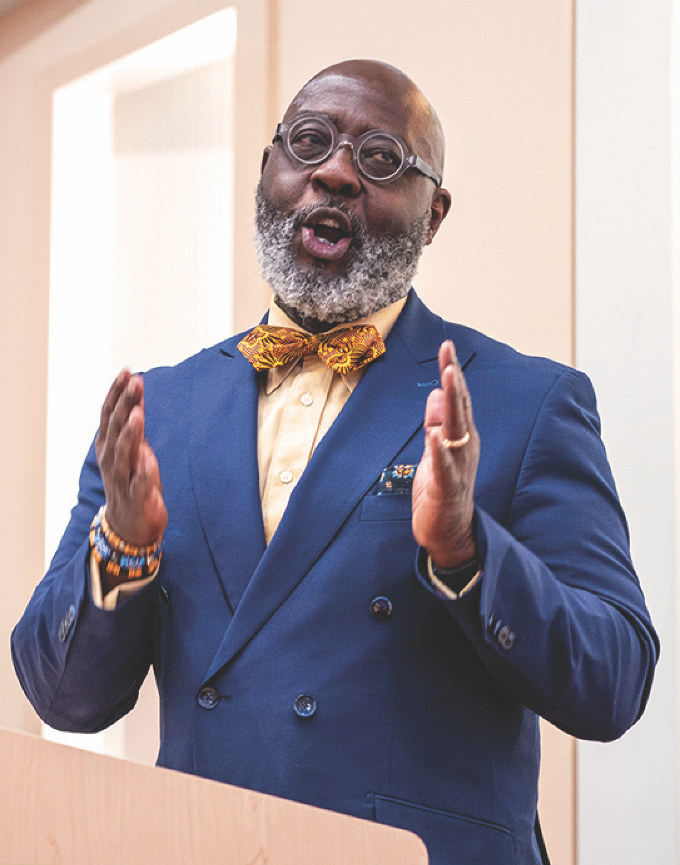
Connection
Joy as an act of resistance
Willie James Jennings is a professor of Systematic Theology and Africana Studies at Yale Divinity School, a Baptist minister, and the author of The Christian Imagination and After Whiteness. Miroslav Volf is the founder and director of the Yale Center for Faith & Culture and a professor at Yale Divinity School. In this interview, they introduce joy as an embodied, communal act of resistance against despair—one that can grow into a sustaining way of life.
PODCAST/TRANSCRIPT: Joy and the Act of Resistance Against Despair
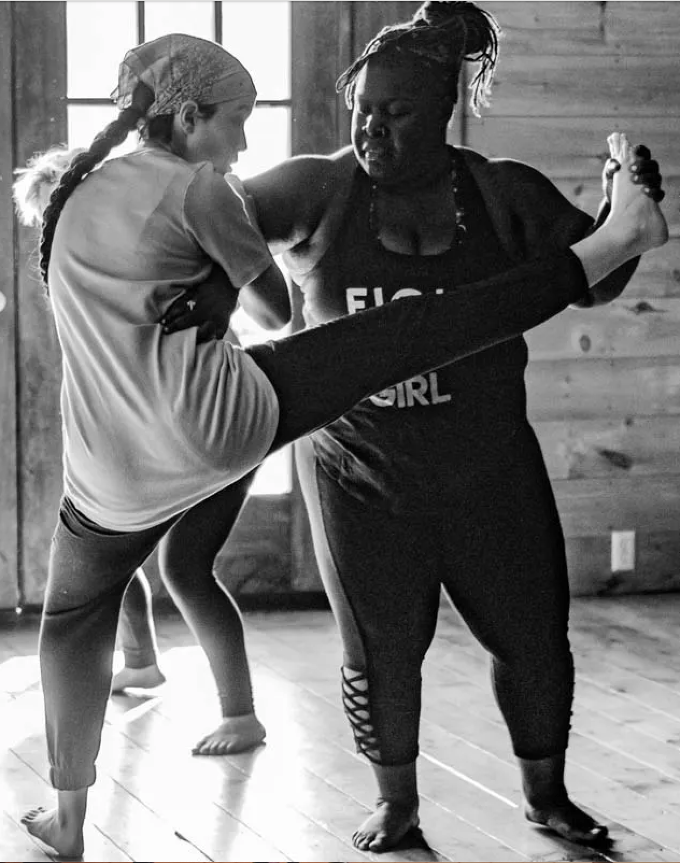
Celebration
Patronage
Joy and creativity are strategies for liberation.
The future needs our delight as much as our outrage. adrienne maree brown teaches that what we pay attention to grows, and that pleasure can be a strategy for liberation—a way of reclaiming our whole, joyful selves in the face of systems designed to numb, exhaust, and divide us. When joy, kindness, and love are chosen deliberately, the terms of the struggle begin to change. Most of us were taught to think of power as domination, extraction, and control.
SUPPORT: Love & Work Catalog
Story
Patronage
We need a new story.
For centuries, many of us in the industrial West have lived inside a tale that casts the world as raw material and humans as its managers, consumers, and winners or losers. This old narrative has powered extraordinary innovation, but it has also delivered us to the brink: a heating planet, frayed democracies, mass extinction, and a pervasive sense that life is speeding up and thinning out at the same time. In that light, the question is not just what policies we adopt or which technologies we deploy, but what story we are living in—and whether it can still hold.
SUPPORT: Love & Work Catalog
Linguistics
This world that breaks us open also fills us with awe.
To be alive on this planet is to feel the ache of a deep contradiction: the world that wounds us with injustice is the same world that moves us to awe with its beauty. One of the ways that astrologer Rob Brezsny manages this "impossibly wondrous enigma" is to conjure up names for it.
ARTICLE: In Praise of the Gorgeous Turmoil
Transformation
Crisis as catalyst for creative action and innovation
Crises can be deeply troubling and anxiety provoking, and they can also serve as an important catalyst for creative action and innovative outcomes. This is because during times of crisis our typical forms of reasoning and action may no longer serve us.
ARTICLE: How Times of Crisis Serve as a Catalyst for Creative Action: An Agentic Perspective
Performance
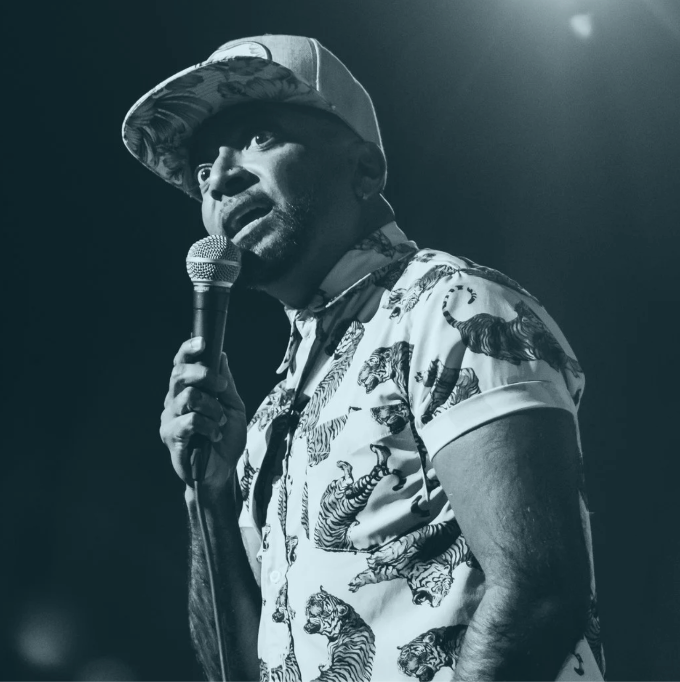
Laughter creates “open” moments where new ideas can slip in.
Nancy Goldman is an educator, coach, and researcher working at the intersection of storytelling, humor, and social change. Her doctoral research examined how comedians use humor to raise awareness of social and political issues, a foundation that informs her later writing on comedy’s role in democracy.
TREND PAPER: Comedy and Democracy: The Role of Humor in Social Justice
Interbeing
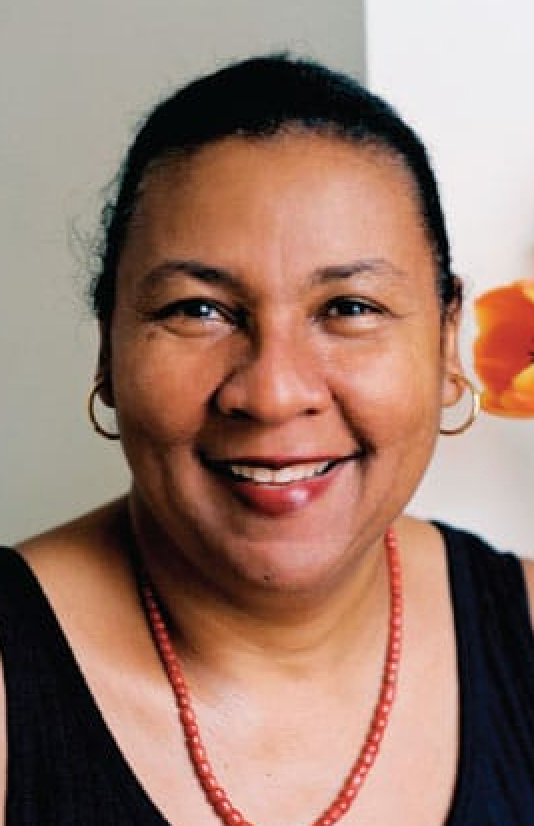
The day that bell hooks met Thich Nhat Hanh to talk about practicing love in a culture of domination.
bell hooks was a feminist theorist, cultural critic, and writer whose work centered love, justice, and the interlocking realities of race, gender, and class. In her view, love is not merely a feeling but an ethic of will, action, and responsibility. This perspective—especially resonant today—directly challenges cultures organized around domination and fear.
ARTICLE: Building a Community of Love: bell hooks and Thich Nhat Hanh
Futures Thinking
We've lost touch with the fact that the payoffs to our most meaningful endeavors unfold over years and generations, not news cycles.
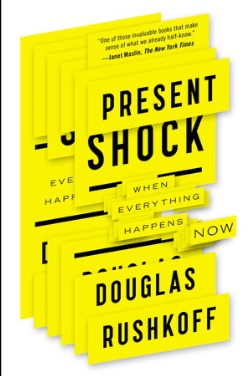
Media theorist, writer, and documentarian, Douglas Rushkoff, published Present Shock: When Everything Happens Now in 2013. More than a decade later, it reads like a field guide to the world we inhabit today.
BOOK: Present Shock: When Everything Happens Now
Story
Our stories about the future affect our behavior in the present.
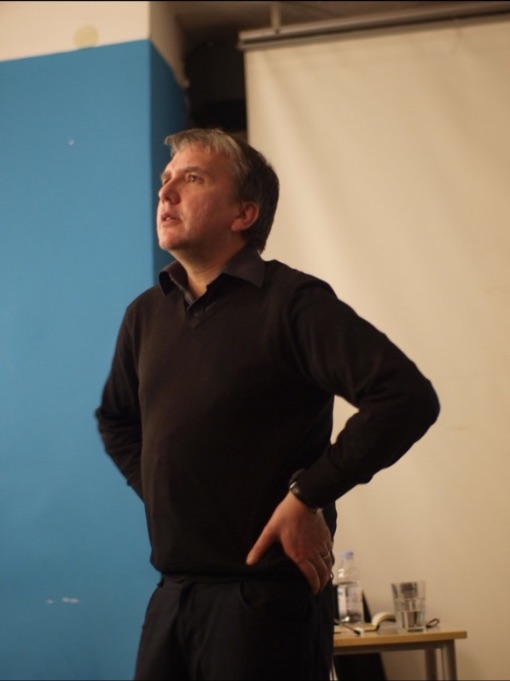
Sam Paterson warns that fatalistic “end-of-the-world” thinking closes off possibilities at the very moment we need them most. When catastrophe is treated as unavoidable, action begins to feel symbolic or futile, discouraging collective effort, experimentation, and reform.
ARTICLE: Against Apocalypse: The Slow Cancellation of the Slow Cancellation of the Future

