February 13, 2026
Culture
Crisis as catalyst for creative action and innovation
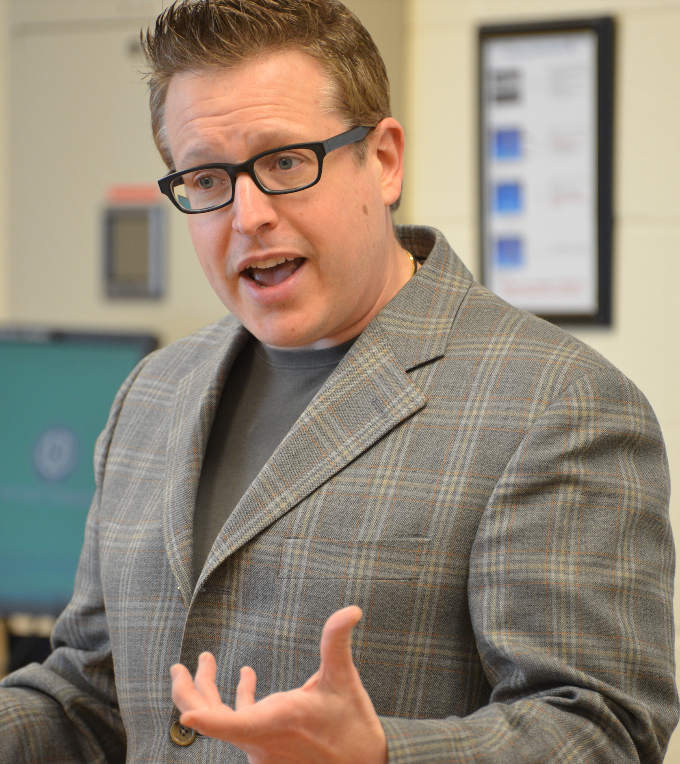
Ronald A. Beghetto is widely recognized for his work on human creativity, “possibility thinking,” and how to support creative agency. Photo by Shawn Kornegay/Neag School
Crises can be deeply troubling and anxiety provoking, and they can also serve as an important catalyst for creative action and innovative outcomes. This is because during times of crisis our typical forms of reasoning and action may no longer serve us. It is precisely during such times that new ways of thought, action and leadership are needed. In a recent article, educational psychologist Ronald A. Beghetto explores exactly how that shift happens—and what makes the difference between shutdown and creative response.
Crises, he says, create a mix of urgency and uncertainty, and what happens next depends on whether people feel a sense of agency. When people feel capable and supported, uncertainty can become a catalyst for creative action. When they do not, they are more likely to avoid decisions, deny reality, or hand responsibility over to others.
Creativity begins with confidence. People need at least some belief that they, or their group, can think and act creatively in the middle of the mess. Without that belief, uncertainty only adds to anxiety, making people more likely to retreat or defer to authority rather than take initiative.
But confidence alone is not enough. Creative action also requires a willingness to take risks, to try something new without certainty, and to judge which risks are worth taking. In some moments, not acting can be the greater danger.
From there, a choice emerges between creative action and what he calls deferential action. Creative action means being willing to think and act in new ways to navigate uncertainty and potential threats during a crisis. These actions can be small, such as changing how you run your household, or large, such as how organizations and movements respond.
The model makes clear that our future is not written by the crisis itself, but by how many of us are able and willing to move from fear and deference into shared, risk‑taking creativity.
ARTICLE: How Times of Crisis Serve as a Catalyst for Creative Action: An Agentic Perspective