July 31, 2026
Culture
Culture doesn't float above a place. It grows from one.
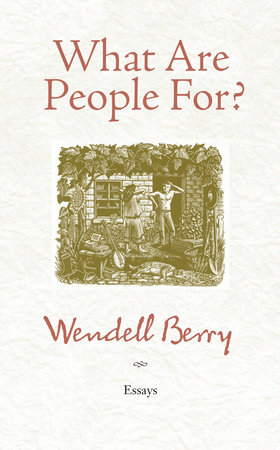
In the essay “The Work of Local Culture,” from his collection What Are People For?, Wendell Berry reminds us that culture doesn’t float above a place. It grows from one.
Berry believes that every healthy community develops its own way of living with the land beneath its feet. Over time, people discover which crops flourish, which buildings endure, which stories deserve repeating, and which habits allow neighbors to depend on one another. That accumulated knowledge becomes a local culture—not because anyone designed it, but because generations have learned, adapted, and passed it along.
What troubles Berry is how easily that knowledge can disappear. As our food, commerce, education, and entertainment become increasingly standardized, communities begin to lose confidence in their own experience. Decisions once made by people who knew a place intimately are handed over to distant institutions with little stake in its long-term health. The result may be greater efficiency, but often at the cost of resilience, responsibility, and belonging.
Berry isn’t asking us to retreat into the past. He’s asking us to recover the habit of paying close attention to the places we actually inhabit. Every community, he suggests, possesses forms of knowledge that cannot be imported because they arise from living somewhere long enough to understand its particular gifts, limits, and possibilities.
His enduring contribution is to remind us that culture is not an abstraction. It is the ongoing conversation between a people and a place. Before it can become national—or global—it first has to become local.
BOOK: What Are People For?