July 31, 2026
Culture
Culture begins in attention.
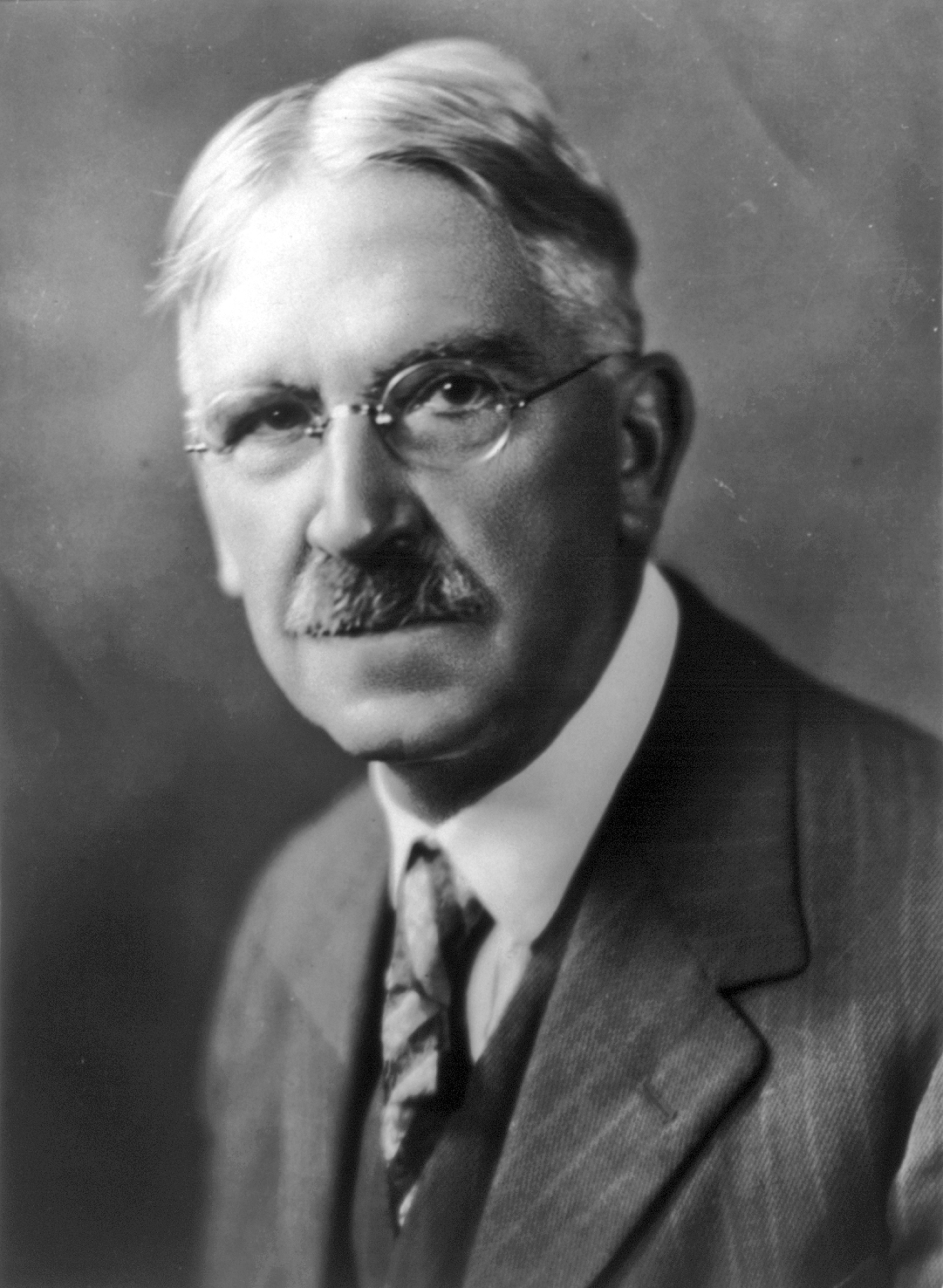
John Dewey (1859–1952) was an influential American philosopher of education. He believed that art begins not in museums but in the quality of our everyday experience.
John Dewey refused to separate art from ordinary life.
In Art as Experience, the philosopher and educator argues that art isn’t something confined to museums, concert halls, or galleries. It begins much earlier—with the human capacity to notice, to feel, to make meaning, and to find patterns in experience.
A painting, a poem, or a symphony may be the most refined expressions of that capacity, but they grow from the same impulse that leads someone to prepare a beautiful meal, tend a garden, shape a piece of wood, tell a story, or gather friends around a table. Art, in Dewey’s telling, is less an object than a way of engaging with the world.
That insight has profound implications for culture. A society doesn’t become more creative simply by producing more artists. It becomes more creative by cultivating habits of curiosity, attention, craftsmanship, and participation—qualities that enrich every corner of civic life.
Dewey believed democracy depended on those habits. Citizens capable of seeing deeply, listening carefully, and making meaning together are better equipped to solve problems, bridge differences, and imagine new possibilities.
Nearly a century after its publication, Art as Experience still challenges one of our most persistent assumptions: that art is separate from “real life.” Dewey reminds us that culture flourishes whenever ordinary experience is approached with imagination, care, and delight.
BOOK: Art as Experience
ARTICLE: John Dewey on Why the Rhythmic Highs and Lows of Life Are Essential to Its Creative Completeness