culture
The Society We Practice Every Day
Culture isn't just arts and entertainment. It's also the way a society discovers who it is becoming.
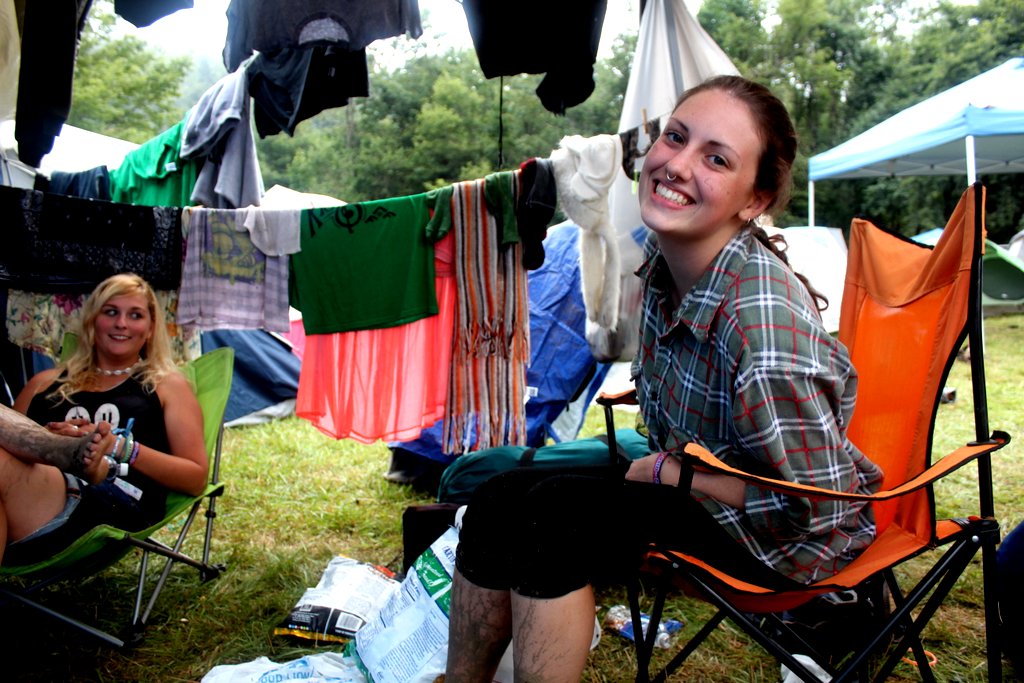
FloydFest 2013, Image by RuralUrbanNatural. Read more*
I’ve been thinking a lot about culture lately—not the arts, exactly, but the invisible patterns that shape how we live together.
The word gets used so many different ways that we can lose sight of culture’s deepest power: its ability to shape what feels normal, possible, and true. Culture isn’t just museums, music, theater, or literature. It isn’t something a society possesses. It’s something a society practices.
Every day we teach one another what is normal. We do it through the stories we tell, the language we choose, the meetings we organize, the neighborhoods we build, the traditions we keep, and the countless small decisions that communicate, “This is how we do things around here.” Over time those choices accumulate until they become common sense.
That’s why I’m starting to think of culture as one of the most practical forces in public life. Long before a new idea becomes law or policy, it usually begins somewhere much smaller. Someone writes a novel. A musician gives voice to a feeling people didn’t know they shared. A teacher experiments with a different way of learning. An entrepreneur builds a company around a new set of assumptions. A neighborhood discovers a better way to solve an old problem.In other words, societies rehearse the future before they build it.
That feels especially true in America. We’ve never been held together by a single ethnicity, language, monarchy, or ancient tradition. From the beginning, we’ve been asking what it means to become we. The answer has never been fixed. Every generation inherits that conversation and adds something of its own.
I suspect that’s why I’m drawn to people who are making culture rather than merely commenting on it. Artists, certainly. But also teachers, librarians, business leaders, community organizers, architects, parents, and neighbors. Anyone who is helping people imagine—and practice—a more generous way of living together.
That’s also what I’m hoping Love & Work can become. Not simply a collection of interesting ideas, but a place where we learn to notice the people, practices, and experiments already pointing toward a more hopeful future. Every week, we borrow a little of their vision so we can see our own lives—and our shared future—with fresh eyes.
culture, shared imagination
Where a society discovers itself
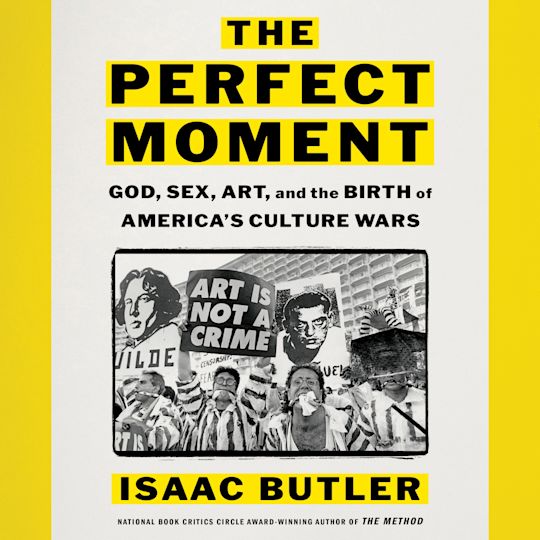
Art, literature, music, theater, and museums are not luxuries, says Isaac Butler. They are how a democracy discovers who it is and what it values. In The Perfect Moment, Butler traces America’s modern culture wars to show that creating a shared culture is itself an act of citizenship.
BOOK: Musicking
culture, creativity
Exchange creates prosperity. Gifts create culture.
Most economies run on exchange. We buy, sell, negotiate, and trade. The transaction is complete when both parties walk away with something of equal value. Lewis Hyde reminds us that culture works differently.
BOOK: The Gift
culture, human flourishing
Culture begins in attention
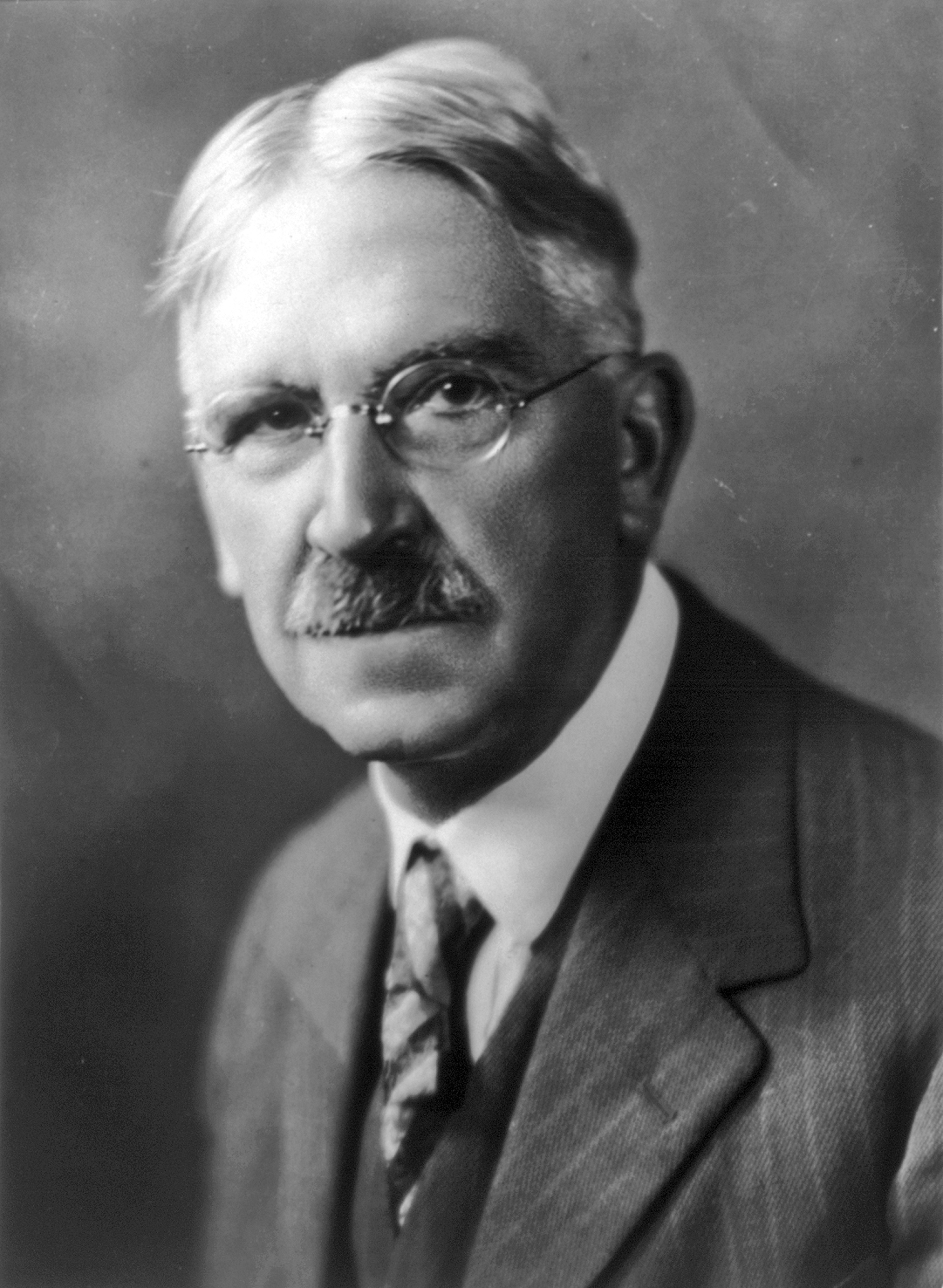
John Dewey refused to separate art from ordinary life.In Art as Experience, the philosopher and educator argues that art isn’t something confined to museums, concert halls, or galleries. It begins much earlier—with the human capacity to notice, to feel, to make meaning, and to find patterns in experience.
BOOK: Art as Experience
culture, music
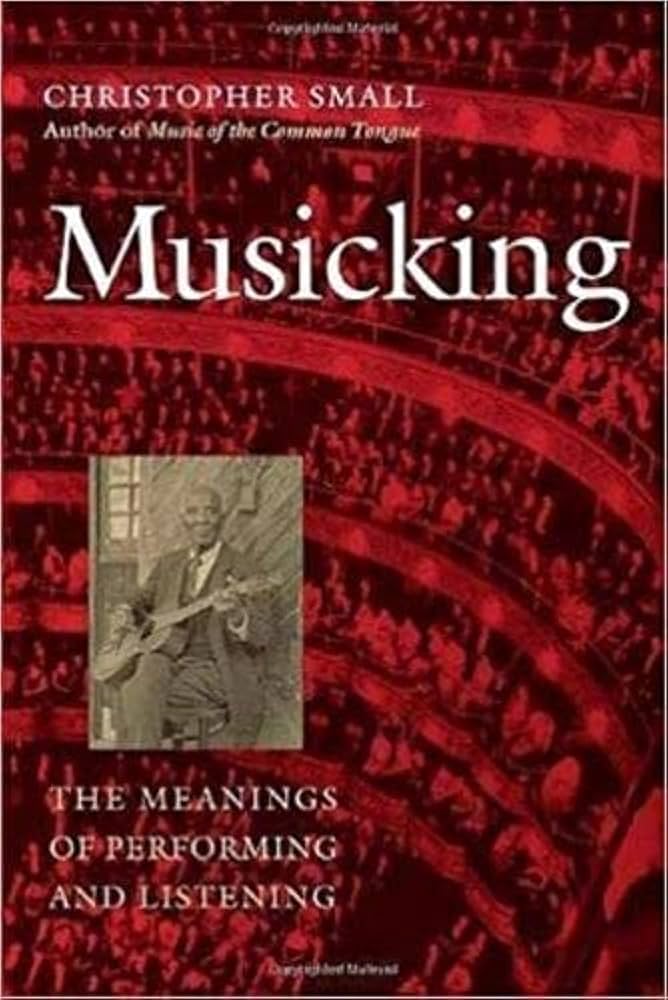
Music isn't a thing. It's something people do together.
Christopher Small asks us to see music not as an object but as something people do together. He calls it musicking: the shared activity of performers, listeners, and everyone involved, through which human beings practice belonging.
Book: Musicking
culture, place
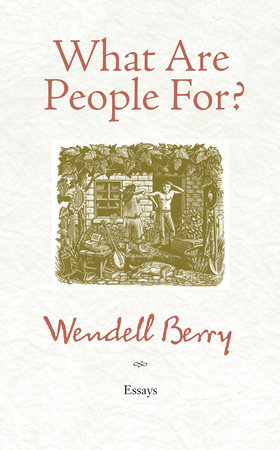
Culture doesn't float above a place. It grows from one.
In “The Work of Local Culture,” Wendell Berry reminds us that culture grows from place. Over generations, communities learn what the land supports, what endures, and how neighbors depend on one another. That accumulated knowledge becomes culture.
BOOK: What Are People For?
culture, collective hope
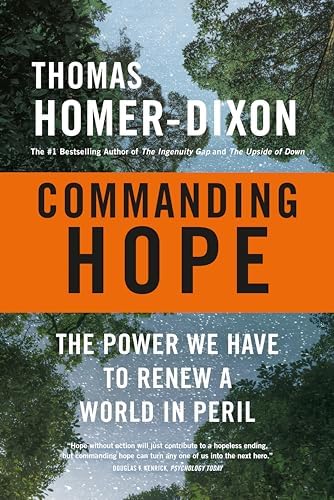
Hope is a discipline.
Every society lives by stories about the future. When those stories fail, hope becomes a cultural resource. In Commanding Hope, Thomas Homer-Dixon distinguishes hope from optimism: optimism expects things to work out; hope chooses to act even when we cannot know how the story ends.
BOOK: Commanding Hope
One liners
ARTICLE: In Philadelphia, residents of Germantown are turning their own poems about grief, gun violence, and loss into public art displayed throughout the neighborhood.
ARTICLE: On a street in South London, neighbors opened their homes, gardens, and even a car to artists, turning the entire block into a gallery—and discovering they knew one another better when it was over.
ARTICLE: In Portland, Oregon, the Latinx Choral Project is using community singing to preserve the musical traditions and stories of Latin America while building connections across generations.
ARTICLE: In California, public arts funding is explicitly being used to give more people the opportunity not merely to encounter culture, but to create, participate, and flourish through it.
ARTICLE: In the Catawba Indian Nation, a young cultural knowledge keeper is restoring rivercane basketry by restoring the rivercane itself—reviving culture, craft, and ecology as one practice.
*About the image
Festival-goer at FloydFest, Check, Virginia (2013).
On July 22-26, 2026, FloydFest celebrated more than two decades of music in Virginia’s Blue Ridge Mountains, where Appalachian traditions meet influences from around the world. On any given day, a traditional bluegrass band might be followed by a Malian guitarist, a New Orleans brass ensemble, an indie folk songwriter, or a psychedelic string band. It’s all part of the same conversation.
The festival is equally known for its culture. One longtime tradition is that an empty chair isn’t really empty. If someone leaves to get food or catch another performance, anyone is welcome to sit there until they return. Then you simply thank them and give the chair back. It’s a small gesture, repeated thousands of times over the years. Less about the chair than about the kind of community people are practicing together.
"Progress is people flourishing."
-Ted Gioia
Story
Books
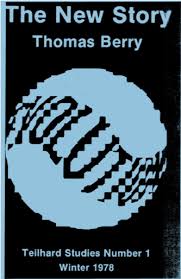
We need a new narrative that can transmit values, orient education, and guide institutions toward sustaining the Earth community.
In the late 1970s—at roughly the same time Joseph Campbell was suggesting that our understanding of the universe and our place within it is “all a matter of story”—Thomas Berry, a Catholic priest, cultural historian, and ecological philosopher, was asserting that “we are in between stories.”
ESSAY: The New Story: Comments on the Origin, Identification, and Transmission of Values
Creativity
How imagination made humans exceptional
Agustín Fuentes is a professor of anthropology at Princeton whose work explores how biology is inseparable from social and cultural life. His research ranges from human evolution and health to race, gender, and multispecies relationships.
BOOK: The Creative Spark

Commons
Why “heterarchy” might be a better way to describe the shifting roles and relationships that actually hold communities and institutions together.
Carole Crumley is an American anthropologist and archaeologist known for founding the field of historical ecology and for introducing the idea of heterarchy to explain power and complexity in human societies. Heterarchy describes systems where there isn’t one fixed top level of authority—different forms of power can rise, fall, and coexist depending on the situation.
ARTICLE: The Central Role of Collaboration and Trust in Human Societies
Connection
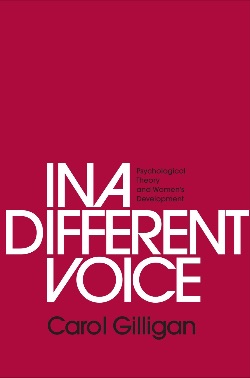
A “different voice” that speaks from a premise of connection and responsibility rather than separateness and hierarchy
When Carol Gilligan wrote In a Different Voice in 1982, most ideas about moral development were still based almost entirely on research with boys and men. Their way of reasoning was treated as the only “mature” way to judge right and wrong.
BOOK: In A Different Voice
Place
Regenerating nature, communities, and local economies through systems change
If Matt Biggar had a magic wand, then corporate capitalist structures that drive extraction and disconnection would lose their grip, replaced by locally rooted economies that prioritize ecological limits, shared prosperity, and belonging. He doesn't, so he sketched a framework that shows people how to see, map, and change the systems in their own place so daily life becomes more connected, local, and regenerative.
BOOK EXCERPT: Putting Systems Change in Place
Islands of Sanity
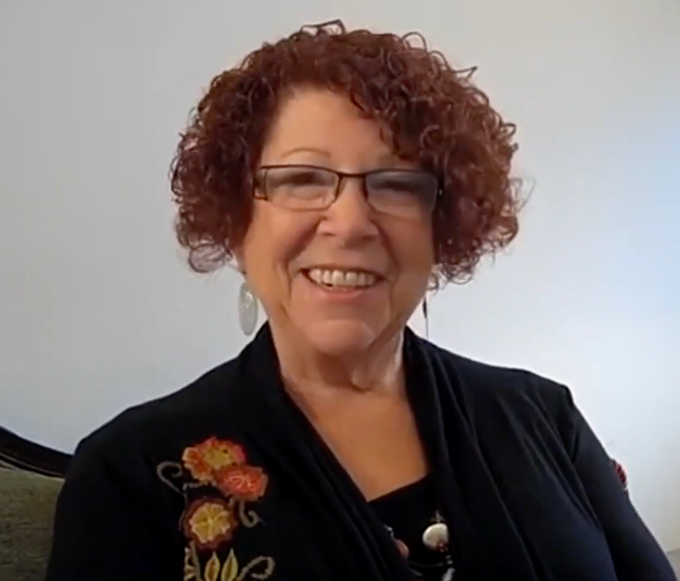
“We cannot change the way the world is, but by opening to the world as it is we may discover that gentleness, decency, and bravery are available."
In this interview with Tami Simon of Sounds True, Margaret Wheatley speaks candidly about daily experiences of rage, grief, fear, and powerlessness. She fears that we’ve reached tipping points on major issues—climate, justice, democracy—where we no longer have the means or political will to create the large-scale change many activists once imagined.
INTERVIEW: Margaret Wheatley: Warriors For The Human Spirit
Social Intelligence
Libraries
Public Spaces
Collective Intelligence
Libraries as commons-builders and cultural scaffolding
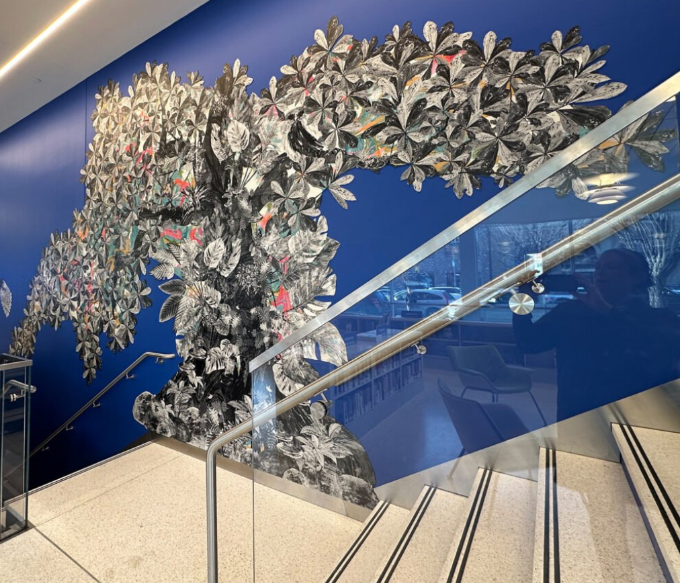
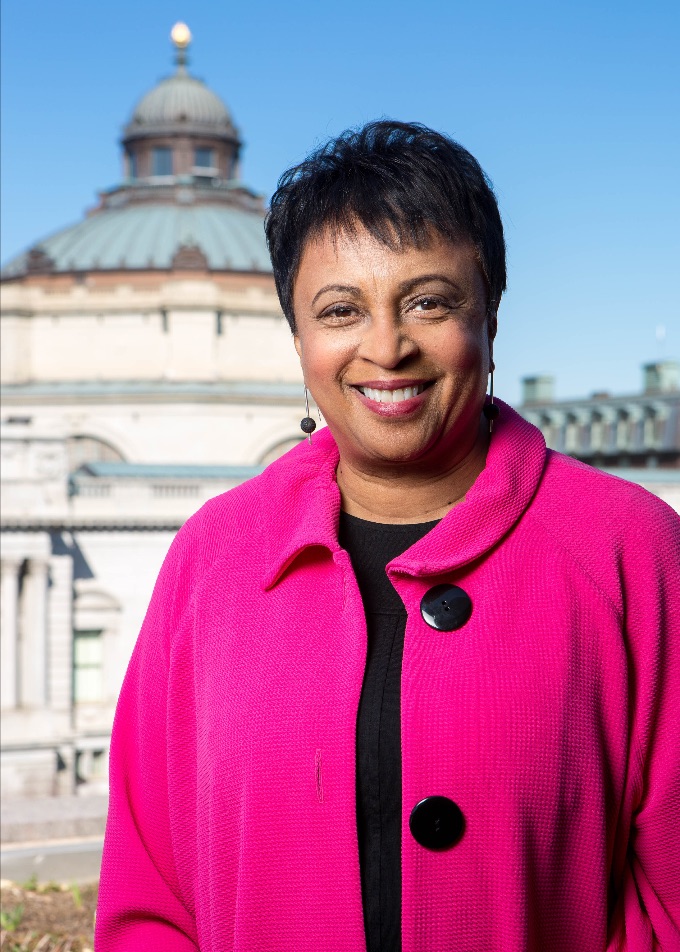
Libraries are among our most important builders of the commons—public spaces, shared knowledge, and collective imagination that belong to everyone. At a time when information is increasingly privatized, restricted, or distorted by ideological attacks, libraries stand as frontline defenders of public knowledge.
ARTICLE: Extralibrary Loan
Craft
"Started with love...finished with care"
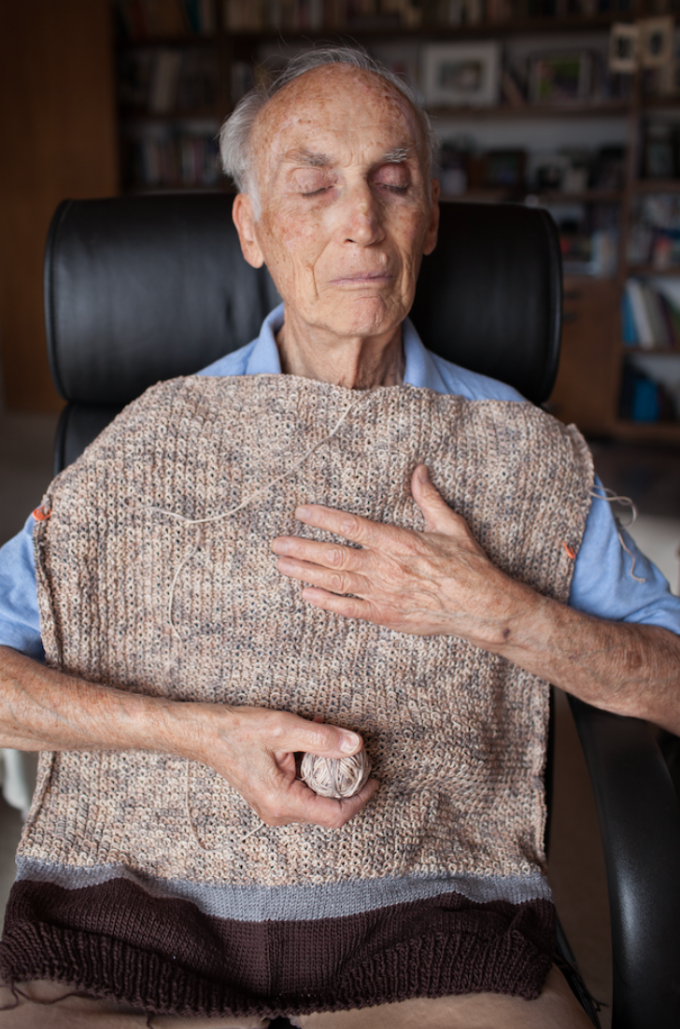
Friends Jennifer Simonic and Masey Kaplan are lifelong knitters. Jen jokes that she was “the weirdo knitting under the desk in 6th grade,” and Masey says knitting got her through the pandemic as she “stitched below the Zoom line, where no one could see.”
WEBSITE: Loose Ends
Libraries
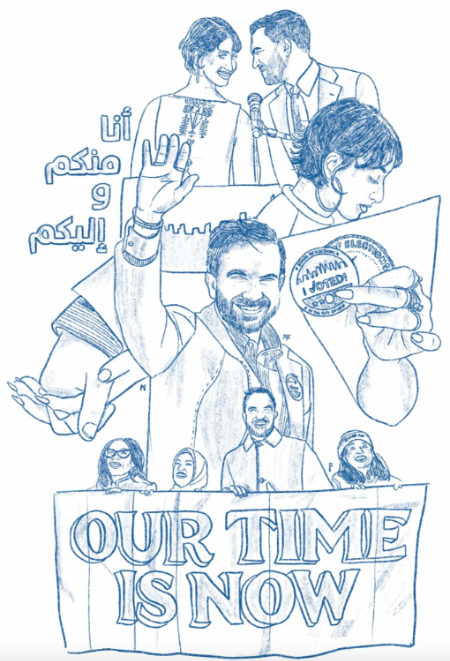
"A good fight begins with books. A good fight begins with all of you."
Sarah Weinman is an author, journalist, and crime fiction expert widely regarded as one of the leading voices in crime and mystery writing. On June 28, 2025, she delivered the keynote address at the American Library Association’s annual convention.
ARTICLE: In Praise of Librarians in Dangerous Times
Creativity
Books
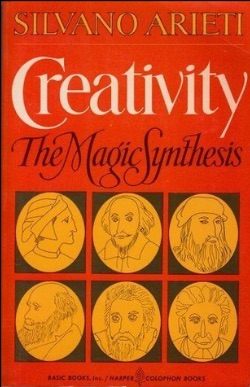
Creativity as a defense against authoritarianism and cultural stagnation
Born in Italy, Silvano Arieti emigrated to the United States in 1939 to escape fascist persecution as a Jew. He became a professor of psychiatry at New York Medical College and served as chief of psychiatry at Metropolitan Hospital in New York
BOOK: Creativity: The Magic Synthesis

