July 31, 2026
Culture
Where a society discovers itself
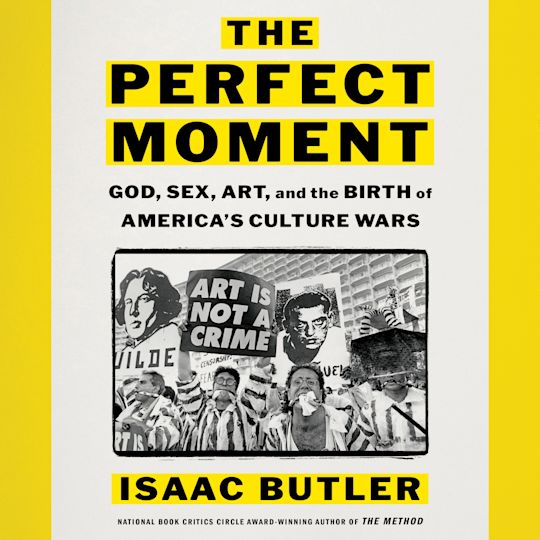
Art, literature, music, theater, museums, and public conversation are not luxuries, says Isaac Butler. They aren't what a society turns to after the "important" work is done. They are among the ways a democracy discovers who it is, what it values, and what it hopes to become. In The Perfect Moment: God, Sex, Art and the Birth of America's Culture Wars, Butler makes a compelling case that citizenship is more than voting, working, or paying taxes. It is also about participating in the ongoing work of creating a shared culture.
That conviction shapes Butler’s history of America’s modern culture wars.
The book begins with a series of controversies surrounding publicly funded art in the late 1980s, when works by artists including Andres Serrano and Robert Mapplethorpe became flashpoints in a political struggle that reached far beyond galleries and museums. Butler shows how those disputes were transformed into symbolic battles over morality, patriotism, religion, and national identity—establishing many of the political strategies that continue to shape American public life today.
His larger point, however, isn’t about individual artworks. It is about power.
Butler's larger point isn't about individual artworks. It's about authorship. Who gets to shape the stories a nation tells about itself? Whose experiences become part of the public imagination? Whose voices are treated as central, and whose are pushed to the margins?
In countries with long-settled identities, culture often reinforces tradition. In America, Butler suggests, culture has always had another job: helping negotiate what the nation is becoming.
One of the book’s strengths is its refusal to treat culture as something separate from civic life. The battles Butler describes weren’t really about art. They were battles over the boundaries of public imagination—over whose experiences counted, whose voices deserved to be heard, and which futures could be imagined.
That leads Butler to a thoughtful defense of public support for the arts. His argument isn’t simply that artists deserve funding. It is that every healthy democracy needs places where people can collectively imagine, question, and reinterpret who they are becoming. Our cultural institutions make that work possible.
The deeper question Butler leaves us with isn’t whether every controversial work deserves public praise. It’s whether a healthy democracy can flourish without spaces where people encounter unfamiliar ideas, wrestle with competing values, and imagine different ways of living together.
These places matter because they allow societies to experiment before they legislate, to imagine before they institutionalize, and to practice new ways of belonging before they become common sense.
If nurturing that shared imagination isn’t worthy of our collective investment, it’s hard to imagine what is.
BOOK: The Perfect Moment: God, Sex, Art and the Birth of America’s Culture Wars
INTERVIEW: Arts, Outrage and How the Culture Wars Began