July 31, 2026
Culture
Exchange creates prosperity. Gifts create culture.
Most economies run on exchange. We buy, sell, negotiate, and trade. The transaction is complete when both parties walk away with something of equal value.
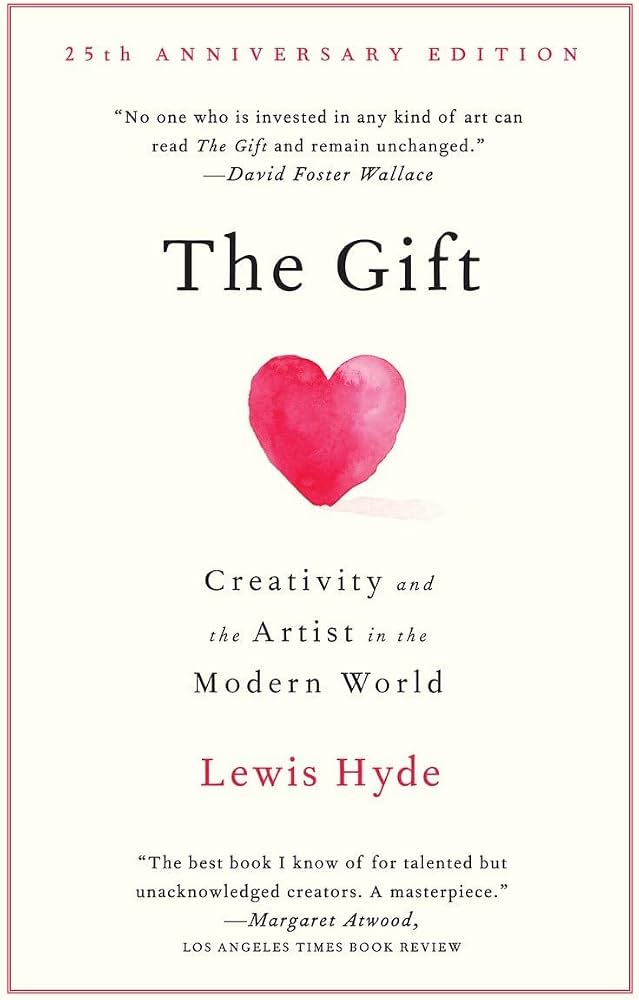
Lewis Hyde reminds us that culture works differently.
In The Gift, he makes a great case that art, music, stories, ideas, and acts of generosity don’t lose value when they are shared. They gain it. A song becomes richer the more people sing it. A story grows deeper the more lives it touches. A work of art begins a conversation that may continue long after its creator is gone.
Hyde isn’t suggesting that artists shouldn’t earn a living. He’s asking us to recognize that creative work follows a different logic than ordinary commerce. Great works of culture aren’t simply products to be consumed. They are gifts that continue moving through a community, gathering meaning as they go.
That insight extends well beyond the arts. Every healthy community depends on forms of value that resist simple accounting: mentorship, hospitality, volunteerism, trust, tradition, care, wisdom, and friendship. None fit neatly on a balance sheet. Yet they are often what hold a society together.
The Gift offers a useful complement to conventional economics. Markets are remarkably good at allocating goods and services. They are less capable of nurturing the relationships from which communities draw their resilience.
Hyde’s lasting contribution is his reminder that a flourishing society needs both. Exchange creates prosperity. Gifts create culture.
BOOK: The Gift
ARTICLE: The One Book Margaret Atwood Recommends to Every Writer