culture
The Society We Practice Every Day
Culture isn't just arts and entertainment. It's also the way a society discovers who it is becoming.
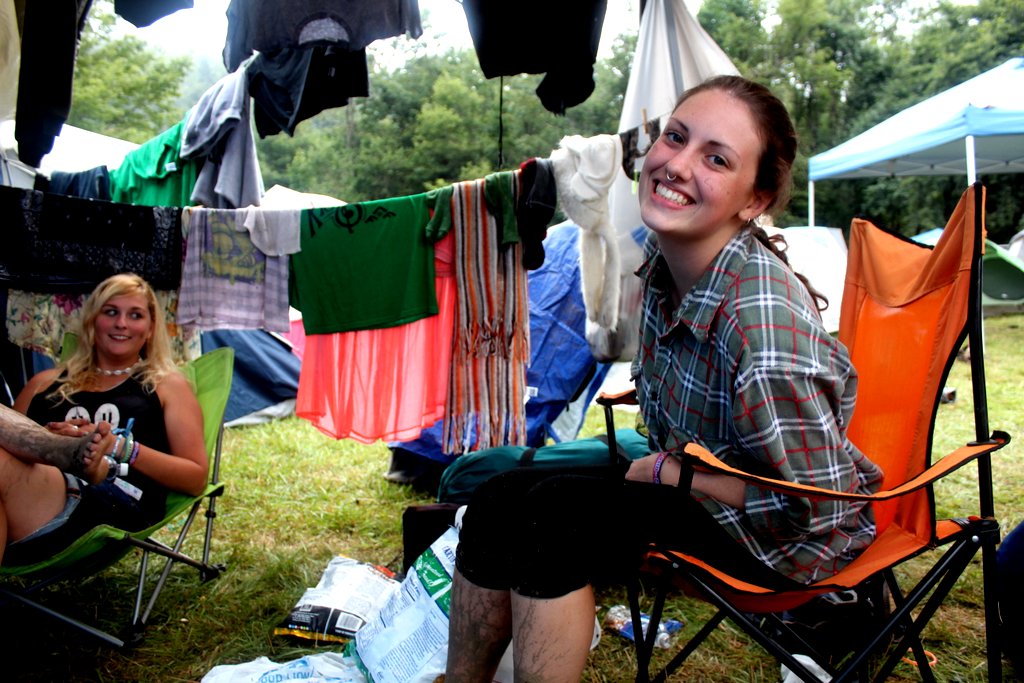
FloydFest 2013, Image by RuralUrbanNatural. Read more*
I’ve been thinking a lot about culture lately—not the arts, exactly, but the invisible patterns that shape how we live together.
The word gets used so many different ways that we can lose sight of culture’s deepest power: its ability to shape what feels normal, possible, and true. Culture isn’t just museums, music, theater, or literature. It isn’t something a society possesses. It’s something a society practices.
Every day we teach one another what is normal. We do it through the stories we tell, the language we choose, the meetings we organize, the neighborhoods we build, the traditions we keep, and the countless small decisions that communicate, “This is how we do things around here.” Over time those choices accumulate until they become common sense.
That’s why I’m starting to think of culture as one of the most practical forces in public life. Long before a new idea becomes law or policy, it usually begins somewhere much smaller. Someone writes a novel. A musician gives voice to a feeling people didn’t know they shared. A teacher experiments with a different way of learning. An entrepreneur builds a company around a new set of assumptions. A neighborhood discovers a better way to solve an old problem.In other words, societies rehearse the future before they build it.
That feels especially true in America. We’ve never been held together by a single ethnicity, language, monarchy, or ancient tradition. From the beginning, we’ve been asking what it means to become we. The answer has never been fixed. Every generation inherits that conversation and adds something of its own.
I suspect that’s why I’m drawn to people who are making culture rather than merely commenting on it. Artists, certainly. But also teachers, librarians, business leaders, community organizers, architects, parents, and neighbors. Anyone who is helping people imagine—and practice—a more generous way of living together.
That’s also what I’m hoping Love & Work can become. Not simply a collection of interesting ideas, but a place where we learn to notice the people, practices, and experiments already pointing toward a more hopeful future. Every week, we borrow a little of their vision so we can see our own lives—and our shared future—with fresh eyes.
culture, shared imagination
Where a society discovers itself
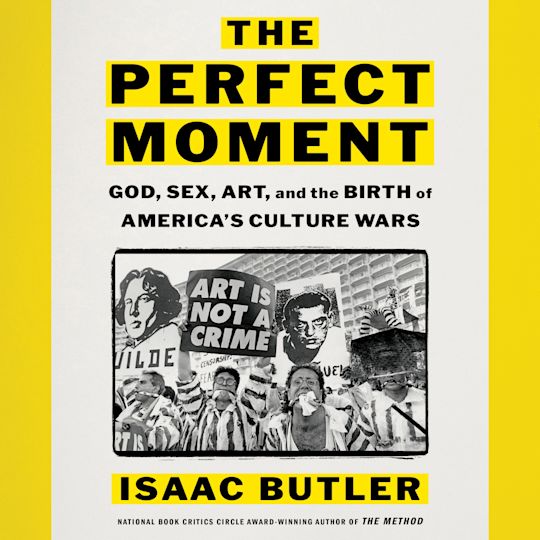
Art, literature, music, theater, and museums are not luxuries, says Isaac Butler. They are how a democracy discovers who it is and what it values. In The Perfect Moment, Butler traces America’s modern culture wars to show that creating a shared culture is itself an act of citizenship.
BOOK: Musicking
culture, creativity
Exchange creates prosperity. Gifts create culture.
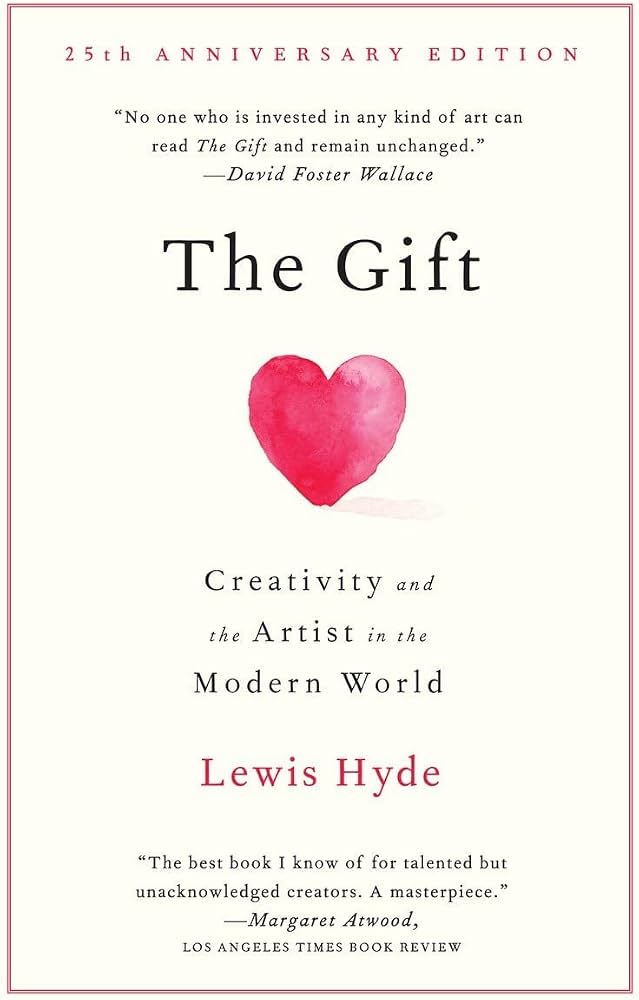
Most economies run on exchange. We buy, sell, negotiate, and trade. The transaction is complete when both parties walk away with something of equal value. Lewis Hyde reminds us that culture works differently.
BOOK: The Gift
culture, human flourishing
Culture begins in attention
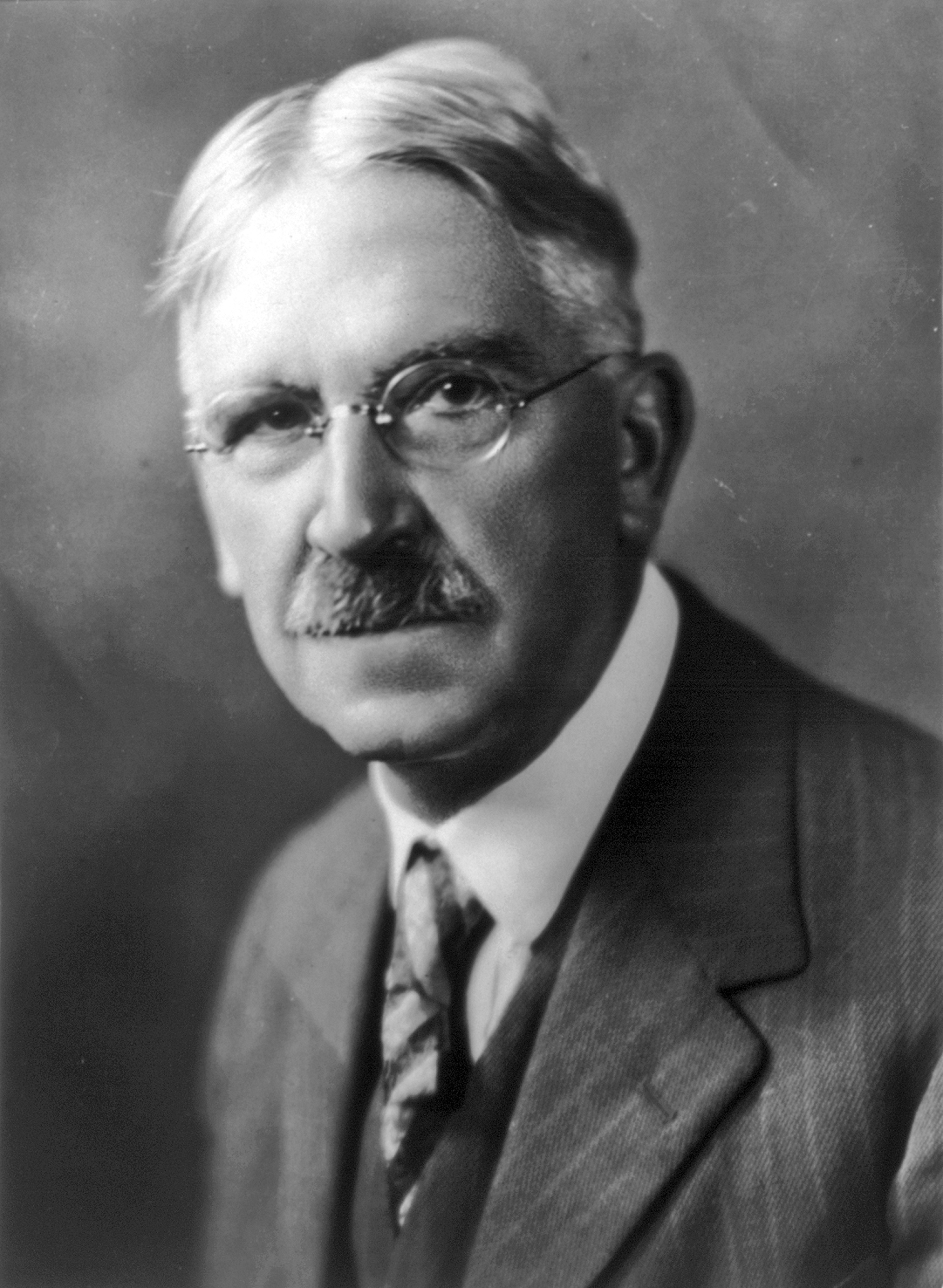
John Dewey refused to separate art from ordinary life.In Art as Experience, the philosopher and educator argues that art isn’t something confined to museums, concert halls, or galleries. It begins much earlier—with the human capacity to notice, to feel, to make meaning, and to find patterns in experience.
BOOK: Art as Experience
culture, music
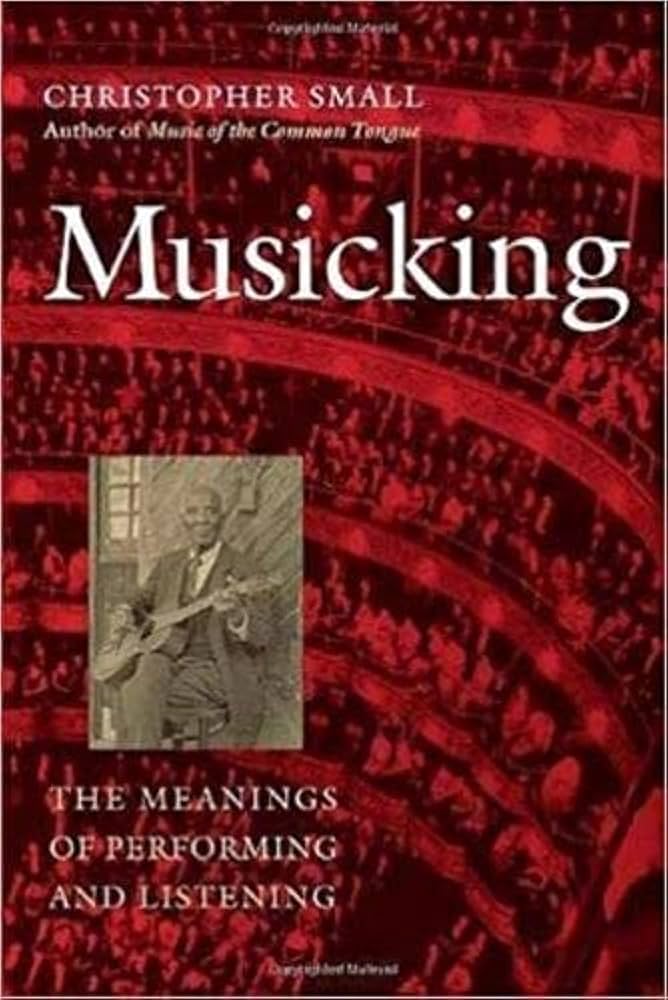
Music isn't a thing. It's something people do together.
Christopher Small asks us to see music not as an object but as something people do together. He calls it musicking: the shared activity of performers, listeners, and everyone involved, through which human beings practice belonging.
Book: Musicking
culture, place
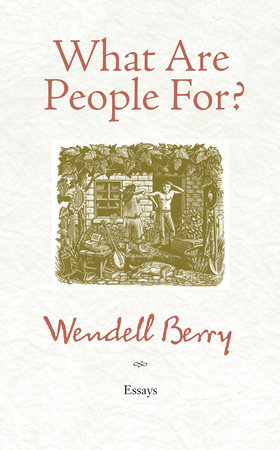
Culture doesn't float above a place. It grows from one.
In “The Work of Local Culture,” Wendell Berry reminds us that culture grows from place. Over generations, communities learn what the land supports, what endures, and how neighbors depend on one another. That accumulated knowledge becomes culture.
BOOK: What Are People For?
culture, collective hope
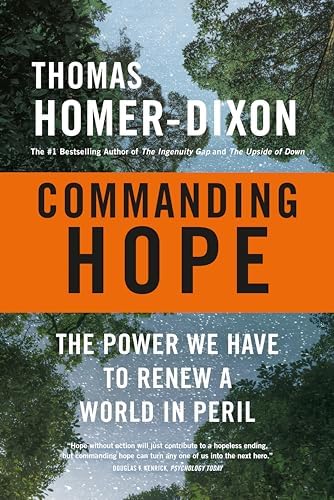
Hope is a discipline.
Every society lives by stories about the future. When those stories fail, hope becomes a cultural resource. In Commanding Hope, Thomas Homer-Dixon distinguishes hope from optimism: optimism expects things to work out; hope chooses to act even when we cannot know how the story ends.
BOOK: Commanding Hope
One liners
ARTICLE: In Philadelphia, residents of Germantown are turning their own poems about grief, gun violence, and loss into public art displayed throughout the neighborhood.
ARTICLE: On a street in South London, neighbors opened their homes, gardens, and even a car to artists, turning the entire block into a gallery—and discovering they knew one another better when it was over.
ARTICLE: In Portland, Oregon, the Latinx Choral Project is using community singing to preserve the musical traditions and stories of Latin America while building connections across generations.
ARTICLE: In California, public arts funding is explicitly being used to give more people the opportunity not merely to encounter culture, but to create, participate, and flourish through it.
ARTICLE: In the Catawba Indian Nation, a young cultural knowledge keeper is restoring rivercane basketry by restoring the rivercane itself—reviving culture, craft, and ecology as one practice.
*About the image
Festival-goer at FloydFest, Check, Virginia (2013).
On July 22-26, 2026, FloydFest celebrated more than two decades of music in Virginia’s Blue Ridge Mountains, where Appalachian traditions meet influences from around the world. On any given day, a traditional bluegrass band might be followed by a Malian guitarist, a New Orleans brass ensemble, an indie folk songwriter, or a psychedelic string band. It’s all part of the same conversation.
The festival is equally known for its culture. One longtime tradition is that an empty chair isn’t really empty. If someone leaves to get food or catch another performance, anyone is welcome to sit there until they return. Then you simply thank them and give the chair back. It’s a small gesture, repeated thousands of times over the years. Less about the chair than about the kind of community people are practicing together.
"Progress is people flourishing."
-Ted Gioia
History
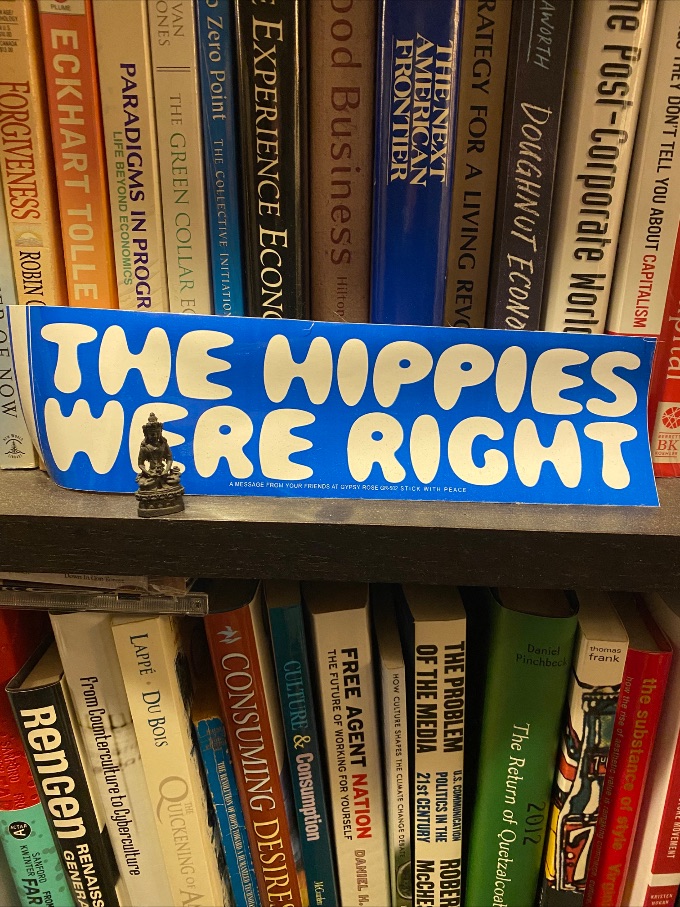
"Hippie modernism has been not only misunderstood but also underestimated."
Greg Castillo is a professor of architecture at the University of California, Berkeley, with expertise in the countercultural design of the 1960s.
ARTICLE: Hippie Modernism. How Bay Area Design Radicals Tried to Save the Planet.
Hope
Books
Radical hope is the engine of change.
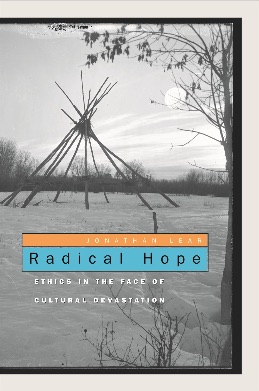
I call my new website "A catalog of radical hope." he philosopher Jonathan Lear introduced the term in his 2006 book Radical Hope: Ethics in the Face of Cultural Devastation. Drawing on the story of Plenty Coups, the last great Chief of the Crow Nation, Lear describes a kind of hope that looks forward to a good we cannot yet imagine from within a collapsed cultural framework.
ARTICLE: Radical Hope
Connection
What we learned when a Zen priest took over the Harvard Study
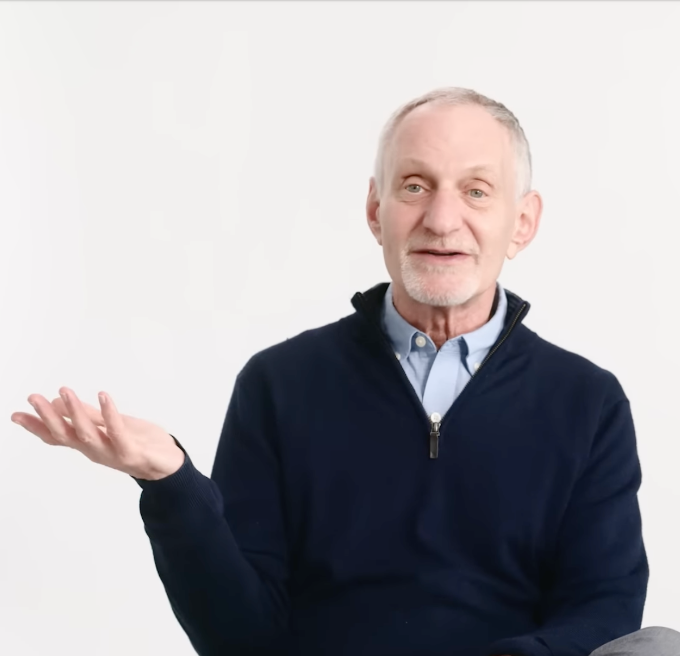
Harvard psychiatrist Robert Waldinger recently shared new findings from the world’s longest study of adult life—an 85-year investigation into what makes people truly happy and healthy.
VIDEO: What 85 years of research says is the real key to happiness | Robert Waldinger: Full Interview


History
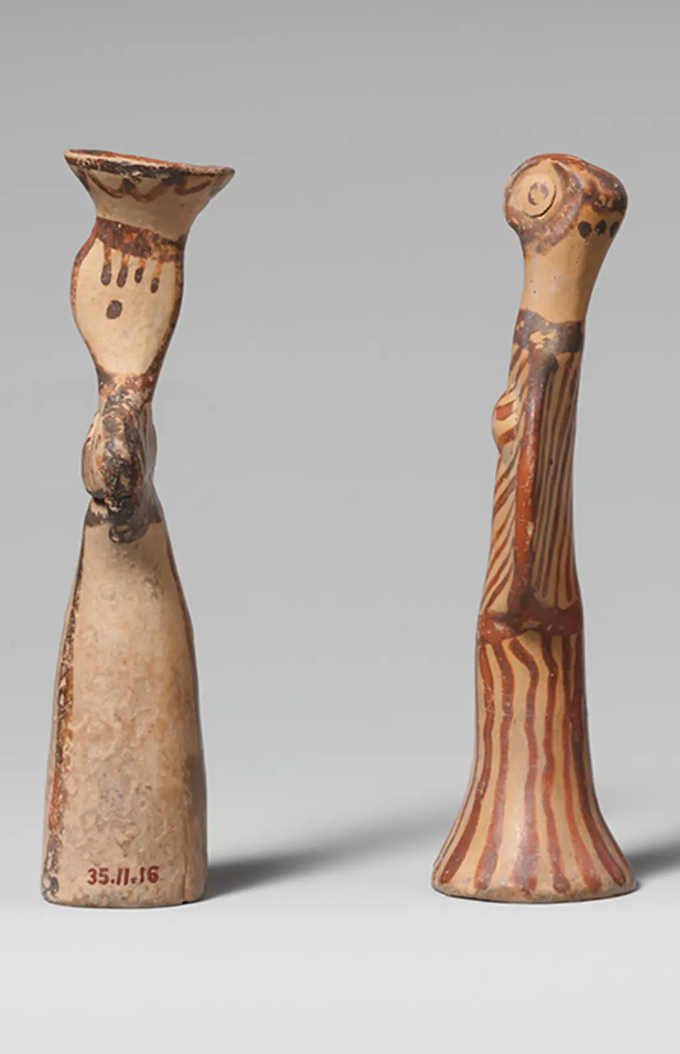
A “99% perspective” on history suggests that societal collapse often meant liberation, adaptation, and resilience for the majority.
Here's a tough job. Luke Kemp researches the causes, dynamics, and consequences of societal collapse across history, along with today’s existential risks such as climate change and nuclear war.
ARTICLE: The Rewards of Ruin
Change and Transition
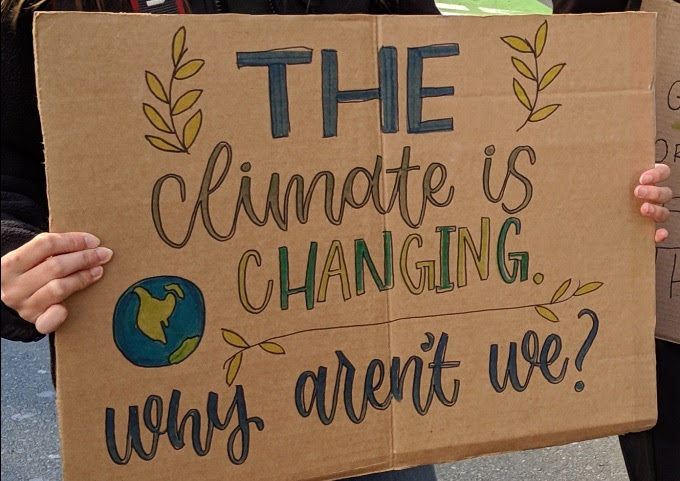
“System Change, Not Climate Change!”
Gus Speth has been at the center of the environmental movement for decades. He co-founded the Natural Resources Defense Council (NRDC), chaired the U.S. Council on Environmental Quality under President Carter, founded the World Resources Institute, and later served as Administrator of the United Nations Development Programme. He also spent ten years as dean of the Yale School of Forestry and Environmental Studies.
ARTICLE: Towards a Climate-Capable Democracy
Generations
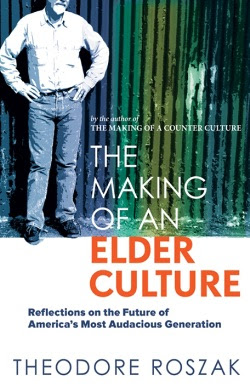
Boomers, let's finish what we left undone.
My cultural lottery ticket—being born white, male, and middle-class in mid-20th century America—gave me the freedom, even the encouragement, to challenge the status quo. This privilege even came with guidebooks.
BOOK: The Making of an Elder Culture
Diversity and Inclusion
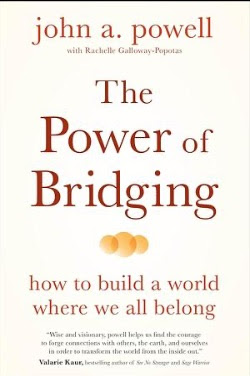
A “possibilist” believes that what we do matters, even when we cannot predict the results.
john a. powell spells his name in lowercase to reflect humility and interconnectedness. He is director of the Othering and Belonging Institute at the University of California Berkeley. Born to former sharecroppers, with a father who was a Christian minister, powell grew up in a large Black family where community and belonging were central.
AUTHOR INTERVIEW: Can We Build a World Where We All Belong?
Art
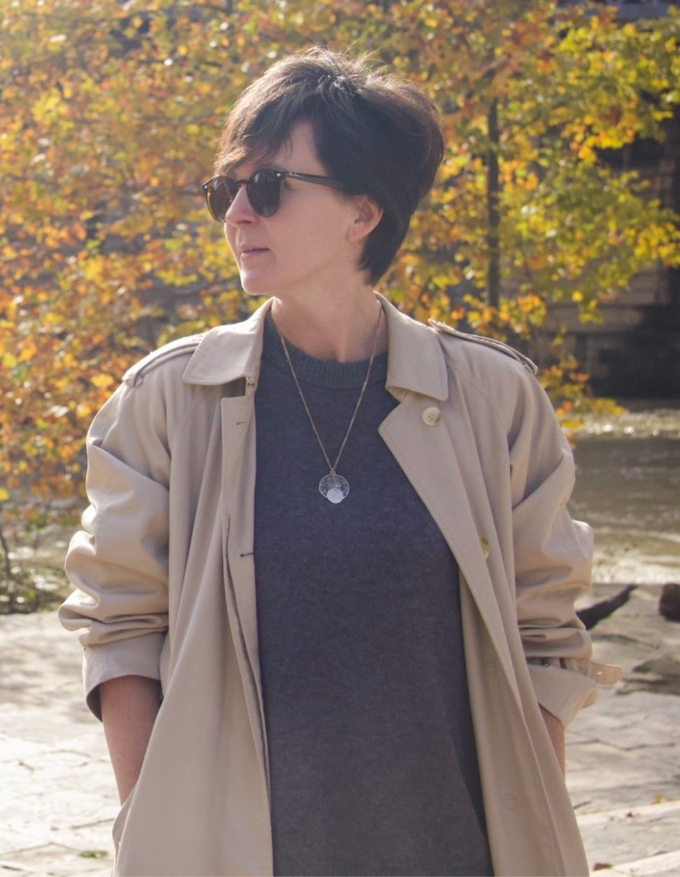
Art as resistance and repair
Olivia Laing is good at blending memoir, cultural criticism, and biography in their work. In Strange Weather: Art in an Emergency, a collection of essays published in 2020, they remind us that art is essential-especially in turbulent times. Art, they offer, can be both a form of resistance to political and social injustice and a source of healing for individuals and communities.
BOOK: Strange Weather: Art in an Emergency
Change and Transition
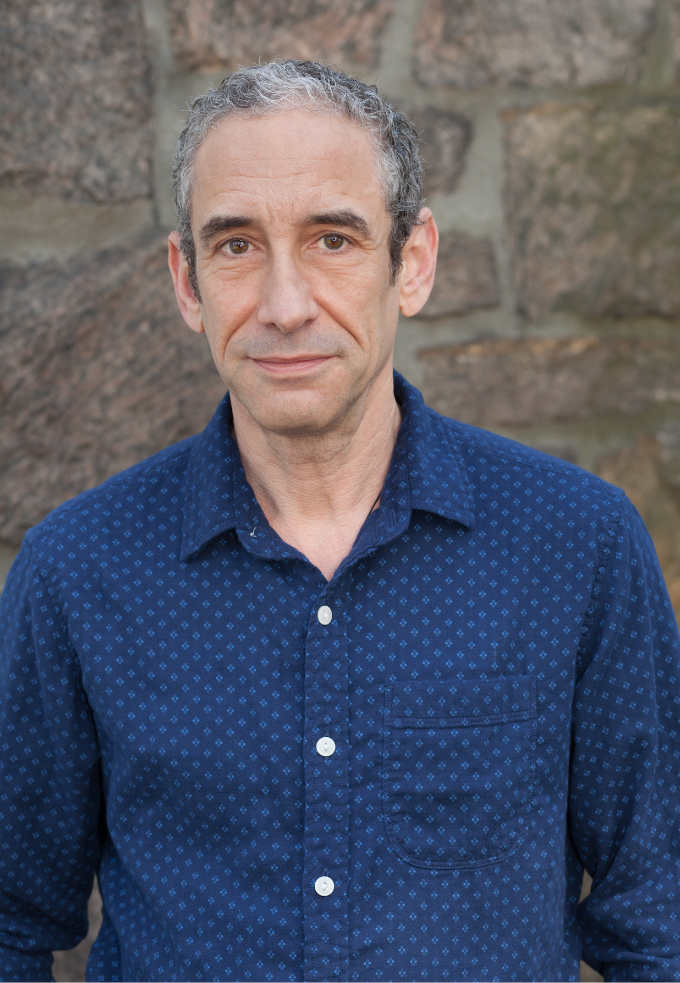
What if this is neoliberalism’s last gasp—its turning point?
I read this essay with a sense of relief. Yes, it feels disorienting when the federal government dismantles institutions, defunds agencies, and upends social norms. But that unease isn’t just felt by progressives—it crosses the political spectrum. Most Americans, regardless of ideology, want the same basic things: autonomy, security, and a fair shot at economic opportunity. Many of us share a growing frustration with financial and tech elites who extract value from our daily lives.
ARTICLE: Uniting in Universal Weirdness

