December 12, 2025
Culture
Why “heterarchy” might be a better way to describe the shifting roles and relationships that actually hold communities and institutions together.

Carole Crumley suggests that moving beyond hierarchy alone allows researchers to see how cooperation and power-from-below have repeatedly shaped social change across history.
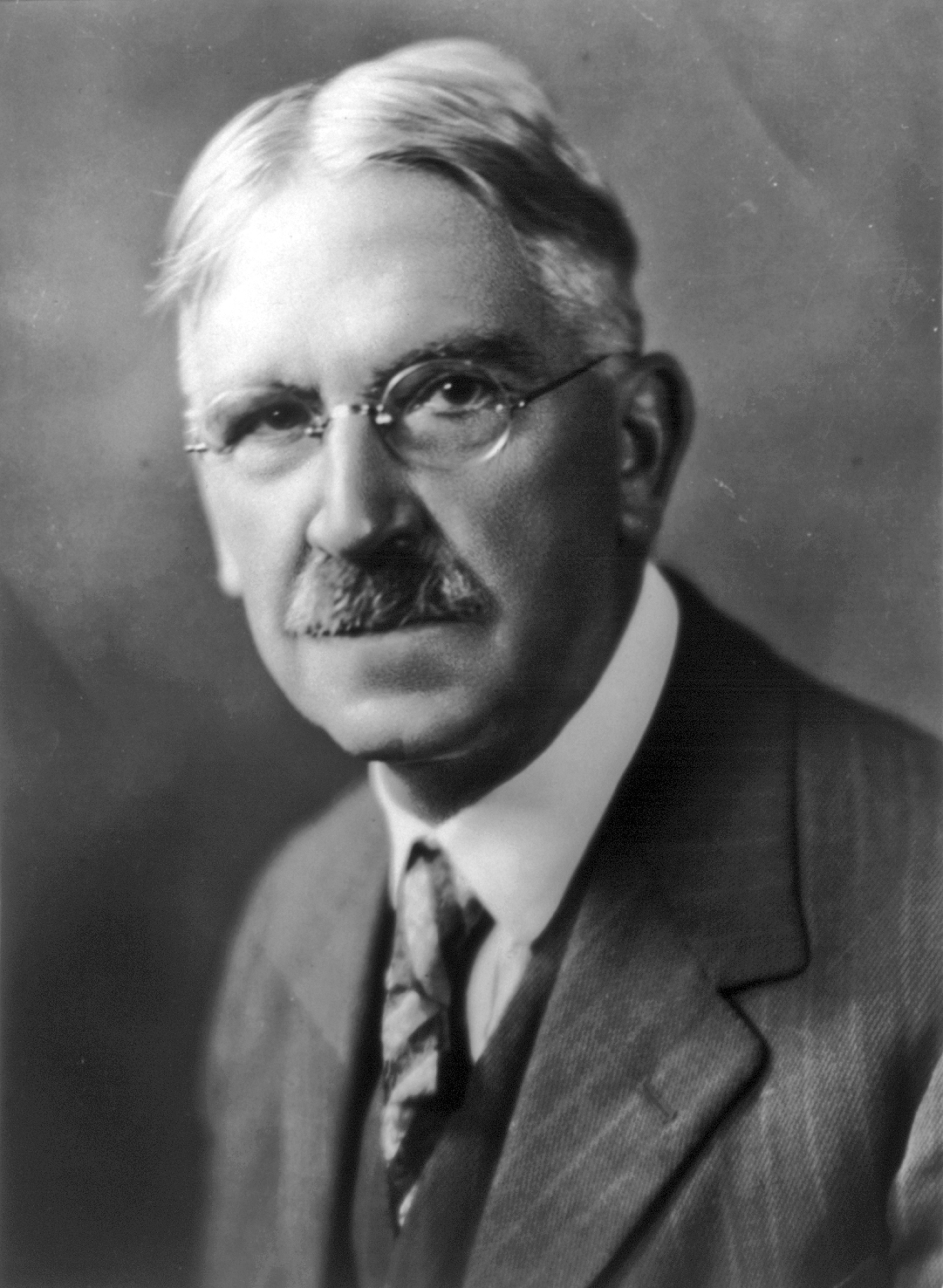
Carole Crumley is an American anthropologist and archaeologist known for founding the field of historical ecology and for introducing the idea of heterarchy to explain power and complexity in human societies. Heterarchy describes systems where there isn’t one fixed top level of authority—different forms of power can rise, fall, and coexist depending on the situation. It’s a more accurate way to understand complex, changing human systems than strict hierarchy or any single chain of command.
This shift toward heterarchy represents a real change in how the social sciences think about complexity, governance, and social organization. The article argues that this emerging perspective may even signal a scientific turning point in how we understand power and collective decision-making.
In practice, the heterarchy lens suggests that future forms of organization will depend less on rigid command-and-control models and more on flexible, networked structures where power, voice, and responsibility can move with context. As this paradigm develops, it offers both a way to diagnose what isn’t working in today’s institutions and a vocabulary for designing new ones that are more adaptive, equitable, and capable of operating in a complex world.
Even though the article is academic, anyone working with Teal organizations, regenerative or “living systems” approaches, Agile or Scrum teams, networked product groups, communities of practice, peer learning networks, or shared-governance and consent-based systems will recognize the principles immediately.
"The real challenge is to define “complexity” rather than heterarchy. Social scientists have long uncritically embraced models that define social complexity in terms of levels (a spatial position on a vertical axis) of organization. In the biophysical sciences, complex systems (such as the brain and the immune system) are interconnected; instead of being characterized by ranks or levels, they feature nodes, links, and networks."
ARTICLE: The Central Role of Collaboration and Trust in Human Societies