January 9, 2026
Learning
How a strong, self‑transcending purpose can transform health, resilience, and ethical behavior
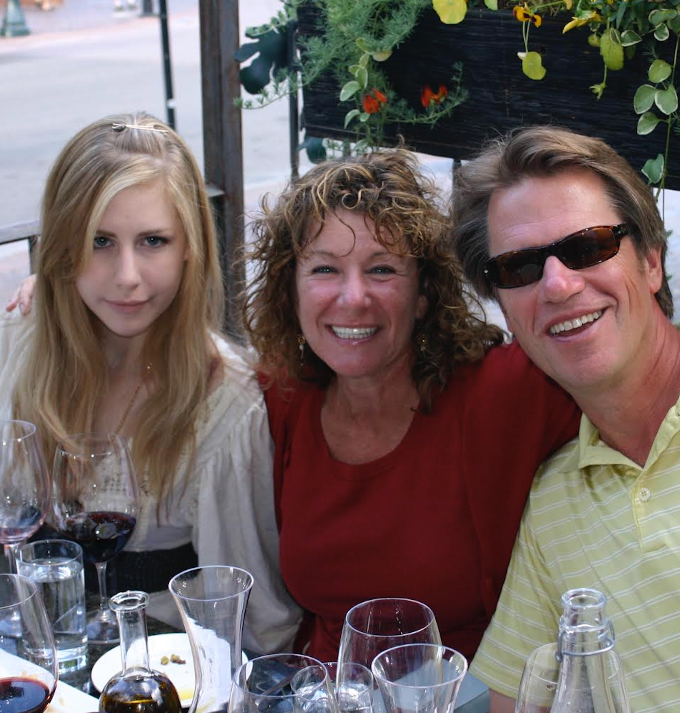
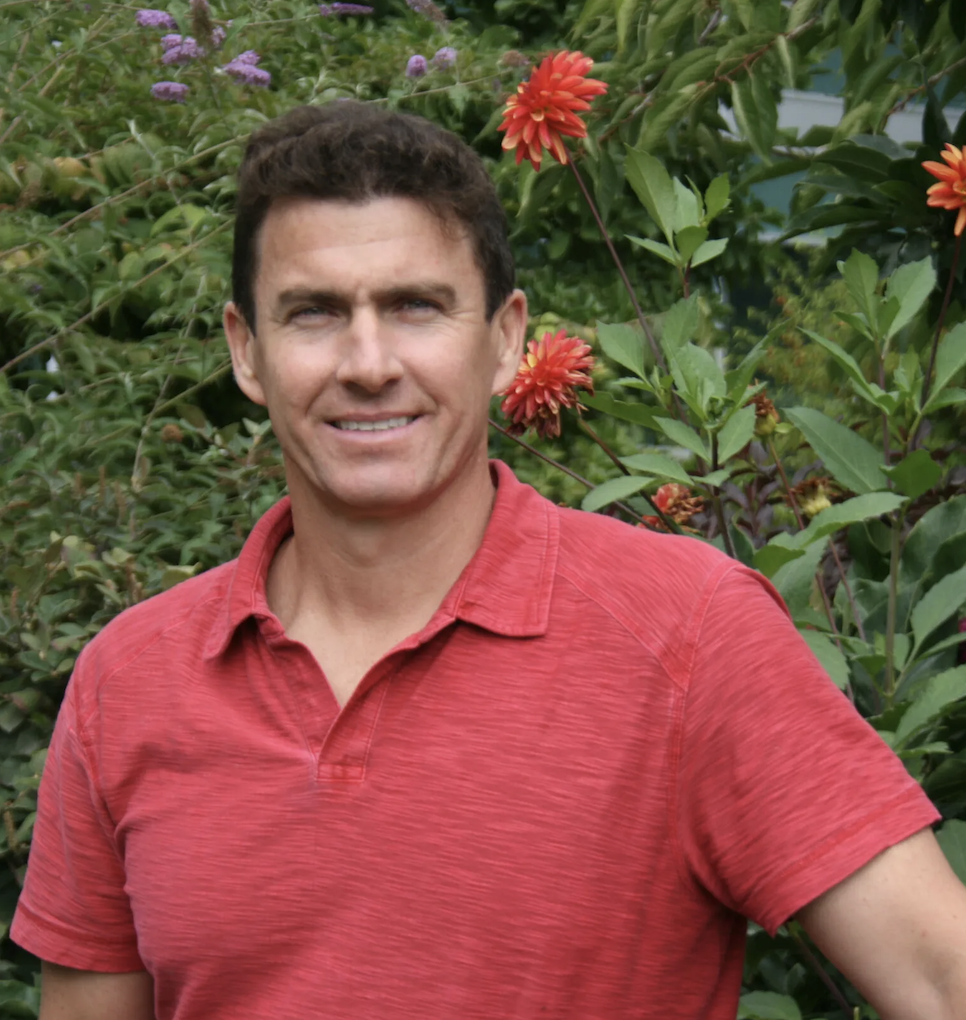
Victor (Vic) Strecher is one of the most visible scientific voices arguing that purpose—especially purpose beyond the self—is central to human flourishing. His second daughter, Julia, pictured here with his wife Jeri, suffered viral damage to her heart as an infant, which led to a first heart transplant at around 14 months and a second at age nine. She died suddenly at 19 from a heart attack while on a family trip. Today, Strecher says his work is directly rooted in the love, loss, and reorientation he experienced through Julia’s life and death.
When Vic Strecher’s daughter was an infant, she was diagnosed with a fatal heart condition. Because she was otherwise healthy, her doctors recommended that she undergo what was then a relatively new and still largely untested infant heart transplant. Knowing her life might be short, Strecher and his family made a conscious choice about purpose: to help her live a “big life”—one rich in experience, friendship, and contribution.
Eighteen years later, after Julia’s death, Strecher describes losing not only a child but also his sense of purpose. He fell into numbness and self-destructive coping until a turning point forced a profound reorientation. That crisis led him into what he calls “me-search”: an immersion in philosophy and science focused on meaning, which he then translated into new research programs and public work on purpose in life.
This interview with Shankar Vedantam on Hidden Brain is both moving and illuminating. It offers a clear account of the power of consciously chosen, self-transcending purpose—one that organizes values and energy around something larger than personal comfort, status, or success. Strecher shows how such effort is both personally transformative and socially generative: it reshapes inner life—ego, emotions, and coping—and channels attention toward contributions that endure.
Given my own interest in identifying motivators that help people live more collaboratively, I appreciate his distinction between hedonic or ego-centered aims—money, appearance, status, and reputation—and self-transcending values such as compassion, kindness to strangers, care for family, students, community, and the environment.
When purpose is rooted in these transcending values, Strecher says very articulately, people are less driven by fear, aggression, and short-term gratification, and more by long-term orientation, wise decision-making, and a future self they want to grow into.
As you know, I am of the view that we could all use less fear, and a lot more long-term orientation.
"People with transcending values have less activation in a part of the brain that relates to fear and aggression called the amygdala. They have more activation in a part of the brain that relates to long-term orientation, a future orientation, and that's called the ventral medial prefrontal cortex."
"I try to be a researcher of myself. And I hope everybody listening to this may think, can I become a better researcher of myself? And all that means is carefully observing your life and what matters to you, what you're spending your time on, what you're spending your time thinking about, what you're obsessed with. Are those the right things to be obsessed with? And some of them may well be, and some of them may well not be. And then you have to say, my life is very finite. I'm here for this very brief time on this planet, an infinitely brief time. And what am I going to do with that brief time? Am I going to really spend a lot of time on social media, or watching a lot of TV that I really don't care about, or spending my time in arguments, or spending my time listening to things that I have no control over? Maybe I do have control over certain things. I have some agency over certain things. Maybe I can make a difference in this world during this brief time that I'm here. Maybe I can leave a legacy. Maybe I can be a good ancestor."
PODCAST: You 2.0: What Is Your Life For?
BOOK: Life On Purpose: How Living for What Matters Most Changes Everything