December 26, 2025
Learning
It is better to think of purpose as something you form, rather than something you find.
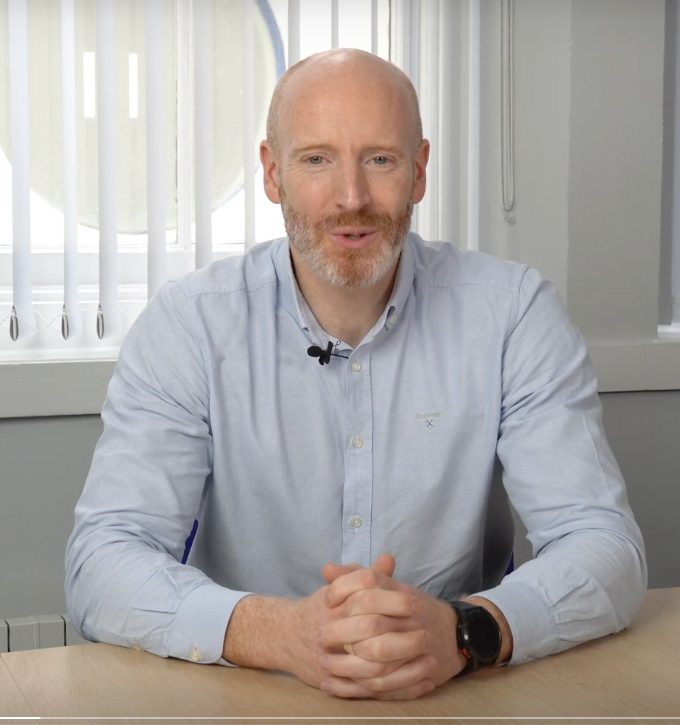
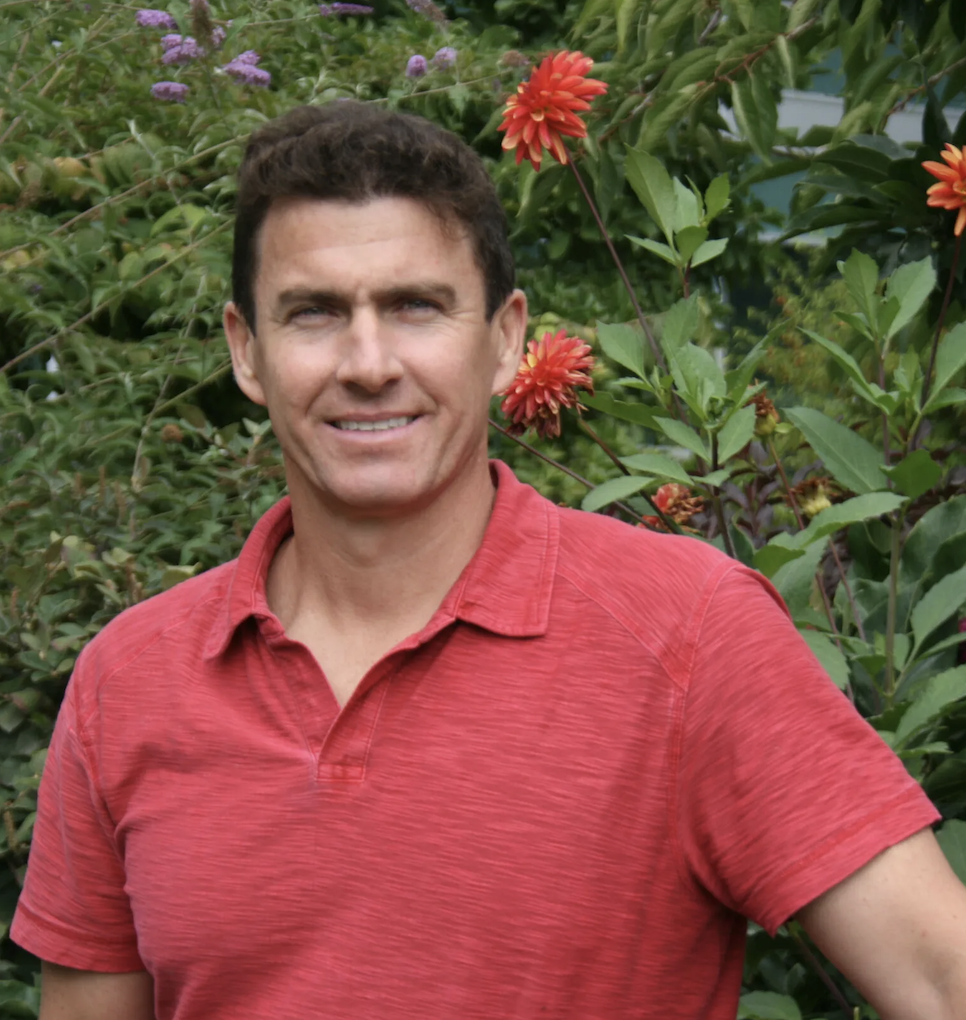
Ross White is a clinical psychologist and author whose work focuses on psychological flexibility, wellbeing, and peak performance. He is the author of The Tree That Bends: How a Flexible Mind Can Help You Thrive and frames his practice around helping individuals and organizations function effectively under pressure.
In this article, White notes how frequently clients describe feeling listless, apathetic, and directionless—people who say they lack a guiding light or sense of purpose. Yet his years of clinical experience have led him to a counterintuitive insight: the effort to “find” purpose can itself become part of the problem rather than the solution.
The language of “finding” implies that purpose is currently absent, which can intensify anxiety and a sense of personal deficiency when no clear answer appears. It also suggests a sudden, fully formed revelation; when that moment does not arrive, people feel frustrated, discouraged, and even more lost. Framing purpose as fixed once discovered can cause individuals to cling to a particular path and fear changing direction, even as their lives and priorities evolve. Perhaps most troubling, in contemporary culture the injunction to “find your purpose” is often absorbed into productivity and entrepreneurial rhetoric, turning purpose into something to optimize or monetize rather than a source of intrinsic meaning.
White argues instead that purpose is formed, not found. It develops through ongoing effort, experimentation, and a willingness to tolerate frustration—often a sign that something genuinely matters. Purpose begins with the “seeds” already present in one’s interests, sources of vitality, and moments of aliveness, even if they have not yet been fully explored. It evolves over time; multiple reasons for being—such as caring for the planet while serving one’s family—can coexist and shift as inner and outer conditions change. Crucially, purpose is autotelic: its primary reward is the experience of engagement itself, not external outcomes like money, status, or fame, even if those sometimes follow.
Reading White brings to mind a line often attributed to Joseph Campbell: “Midlife is when you reach the top of the ladder and realize it has been leaning against the wrong wall.” The insight is not that you need to climb down and start over, but that change starts from where you are. You can choose a different wall without abandoning the height you have already gained.
"In my experience, it is better to think of purpose as something you form, rather than something you find. This distinction helps my clients get moving from where they are now, instead of stalling because they feel lost about where to begin. The seeds of purpose are already there in ideas and interests that excite us – even if we haven’t had a chance to fully explore them – or in activities that bring vitality into our lives (however rarely). With the right conditions, these seeds can grow. Purpose requires cultivation."
ARTICLE: Your Purpose Isn’t Something To Find, It’s Something You Form