July 10, 2026
Learning
The difference between a finished design and a living pattern
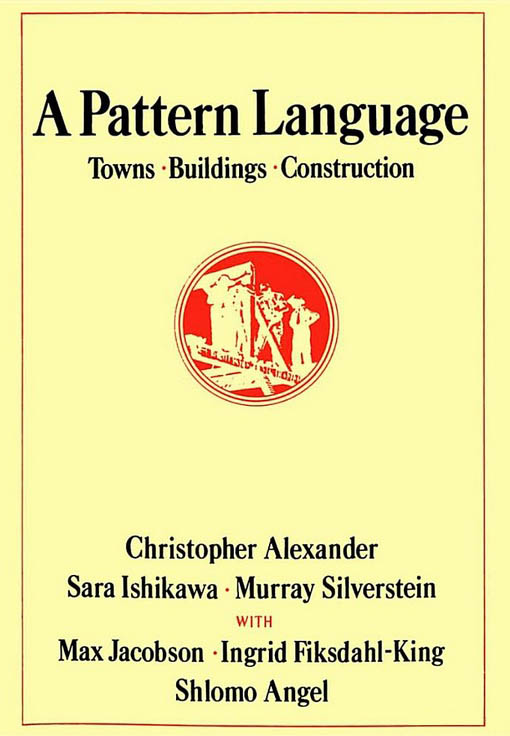
Christopher Alexander wrote A Pattern Language for architects, planners, and builders. But the book reaches far beyond architecture. It offers a practical way of thinking about how people create places—and, by extension, organizations, schools, neighborhoods, and communities—that feel alive.
What the book is really about
Alexander noticed that certain design problems appear again and again. How do you create a street where people naturally gather? How large should a public square be? Where should a kitchen sit in relation to the rest of a home? Over centuries, people discovered solutions that consistently worked.
He called these recurring solutions patterns.
A Pattern Language collects 253 of them. Each begins with a recurring problem, describes the pattern that addresses it, and explains why it works. No pattern is presented as a rule. Each is an invitation to adapt, combine, and improve.
Taken together, the patterns become a language—a vocabulary communities can use to shape places that support everyday human life.
Practice before blueprint
Alexander rejected the idea that better communities could be designed through a perfect master plan.
Instead, he believed that good design grows from careful observation. People notice what makes a place feel welcoming, peaceful, useful, or connected. They name those recurring qualities, test them in practice, refine them, and pass them on.
The language grows from experience, not theory.
That makes this book feel surprisingly contemporary. Many of today’s biggest challenges—from schools to workplaces to civic life—cannot be solved by waiting for the perfect five-year plan. We learn by experimenting, paying attention, and improving what works.
Small patterns create larger worlds
One of the pleasures of the book is its scale.
Alexander begins with regions and towns, moves through neighborhoods and streets, then buildings, rooms, windows, gardens, and even where to place a chair. Each pattern is modest on its own. Together they create environments where people naturally encounter one another, balance privacy with community, and remain connected to nature.
Large change emerges from hundreds of small, thoughtful decisions.
Beyond architecture
Although Alexander wrote about buildings, his idea translates easily into almost any field.
A school might develop patterns for curiosity-driven learning. A workplace might develop patterns for shared ownership and decision-making. A neighborhood might develop patterns for informal gathering and mutual care.
Rather than searching for “best practices,” we can look for recurring situations where people become more connected, more capable, and more alive—and give those patterns names that others can borrow, adapt, and improve.
Why it matters
One thread runs through much of Love & Work: tomorrow’s instructions will not arrive as a finished blueprint. They will emerge from thousands of people trying new ways of living, working, learning, governing, and caring for one another.
Christopher Alexander offers a remarkably practical framework for understanding that process:
Don’t wait until you have the whole theory.
Notice what works.
Name the pattern.
Share it.
Refine it.
Then let others build on it.
BOOK: A Pattern Language