Habitat
How the places we make—homes, buildings, neighborhoods, and communities—shape how we live and relate, and how we might inhabit the Earth as participants rather than masters.
Part of Love & Work's continuing inquiry into what human beings are capable of becoming.
habitat
The places we create shape who we become.
"The mother art is architecture. Without an architecture of our own we have no soul of our own civilization." — Frank Lloyd Wright
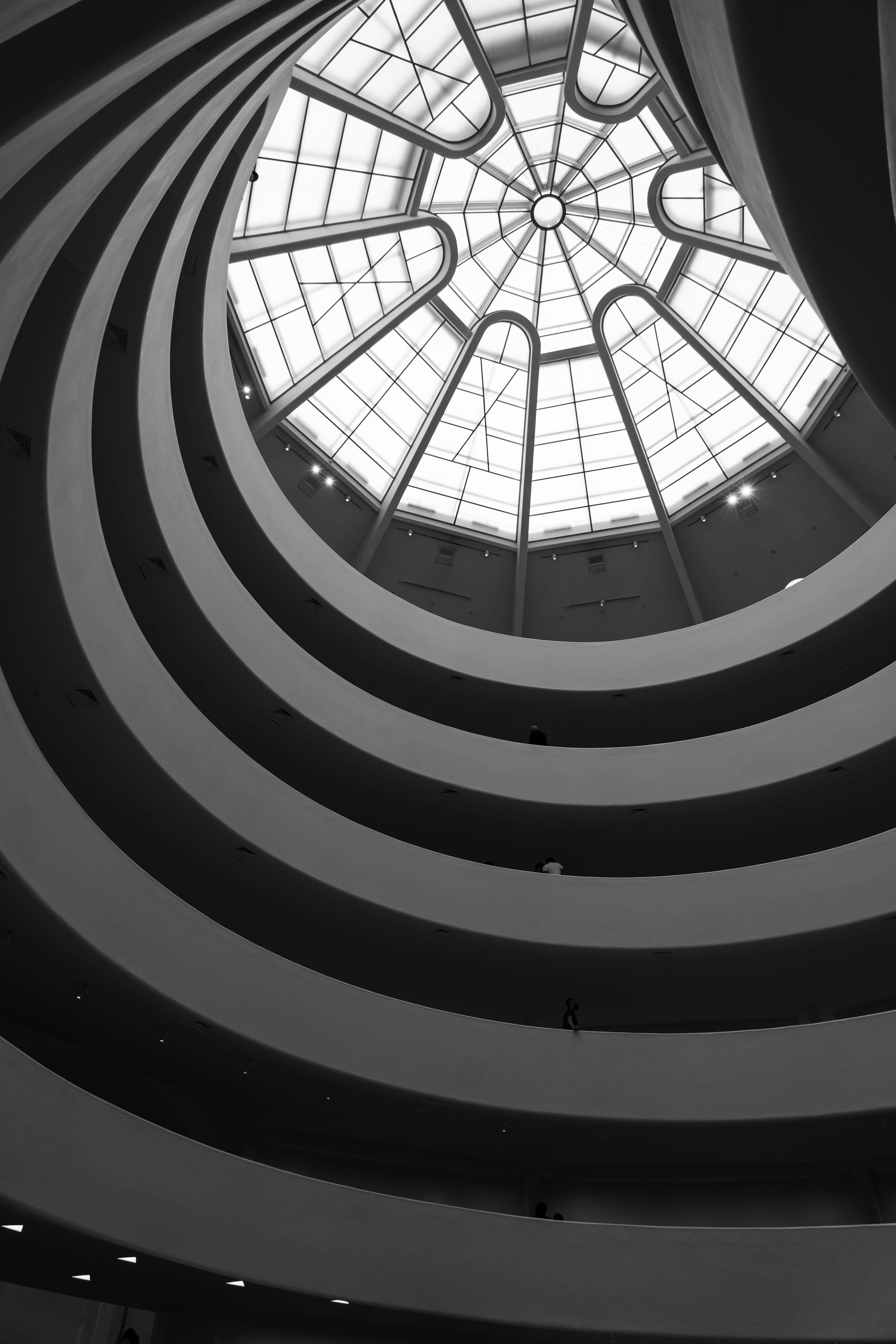
Guggenheim Museum, 5th Avenue, New York, NY, USA. Photo by Marco D'Abramo*
The only problem with the Guggenheim Museum in New York is that the building is so magnificent that its own energy can overshadow the art it was ostensibly designed to showcase. The place itself changes me from the moment I enter.
Frank Lloyd Wright designed it as a great spiraling ramp beneath a luminous dome, where visitors drift upward through space rather than from one rectangular gallery to the next. Every time I enter this grand hall of light and movement, before I’ve stopped to look at a single piece of art, something has already shifted. I find myself standing a little taller. More curious. More open. The building itself expands my sense of what human beings are capable of creating, of what we can be.
Contrast that experience with walking through a strip mall anywhere in America. At its best, it is an exercise in pedestrian efficiency: a place to park your car and buy something. Period. It certainly doesn’t stir the imagination, let alone suggest that life might be more important than my next snack.
Worse, places like this don't simply fail to inspire. They gradually teach us to expect less—from our communities, from our public spaces, and ultimately from ourselves. The difference isn’t merely aesthetic. It is philosophical. Every place makes a proposal about what kind of lives are possible there.
We tend to think of habitat as the physical places we occupy: our homes, buildings, neighborhoods, and cities. But habitat is something much larger. It is the physical expression of what a society believes about life. It is where our values become tangible and where our relationship with one another, with nature, and with the future takes material form.
Every building embodies a conversation about what kind of lives are possible there. A library proposes that curiosity matters. A front porch proposes that neighbors are worth knowing. A public square proposes that strangers can become citizens. A school proposes that everyone is capable of learning. The places we build do more than shelter our lives. They shape our expectations of them. Some places invite us to become larger than ourselves. Others ask almost nothing of us.
Once we begin to see this, architecture stops being a specialty reserved for architects. It becomes one of civilization’s most powerful languages. The materials we choose, the way a building meets the land, the amount of daylight we welcome inside, whether a structure can adapt over generations or must be discarded after a few decades—each decision expresses a belief about what deserves to endure.
The most hopeful buildings are not simply efficient or beautiful. They participate in life. They evolve with the people who inhabit them. They treat the land not as a commodity to be conquered but as a living system to which they belong. They remind us that stewardship and imagination are not opposing values but partners.
What if the places we build are doing far more than accommodating our lives? What if, every day, they are helping us discover who we might become?
HABITAT, HUMAN FLOURISHING
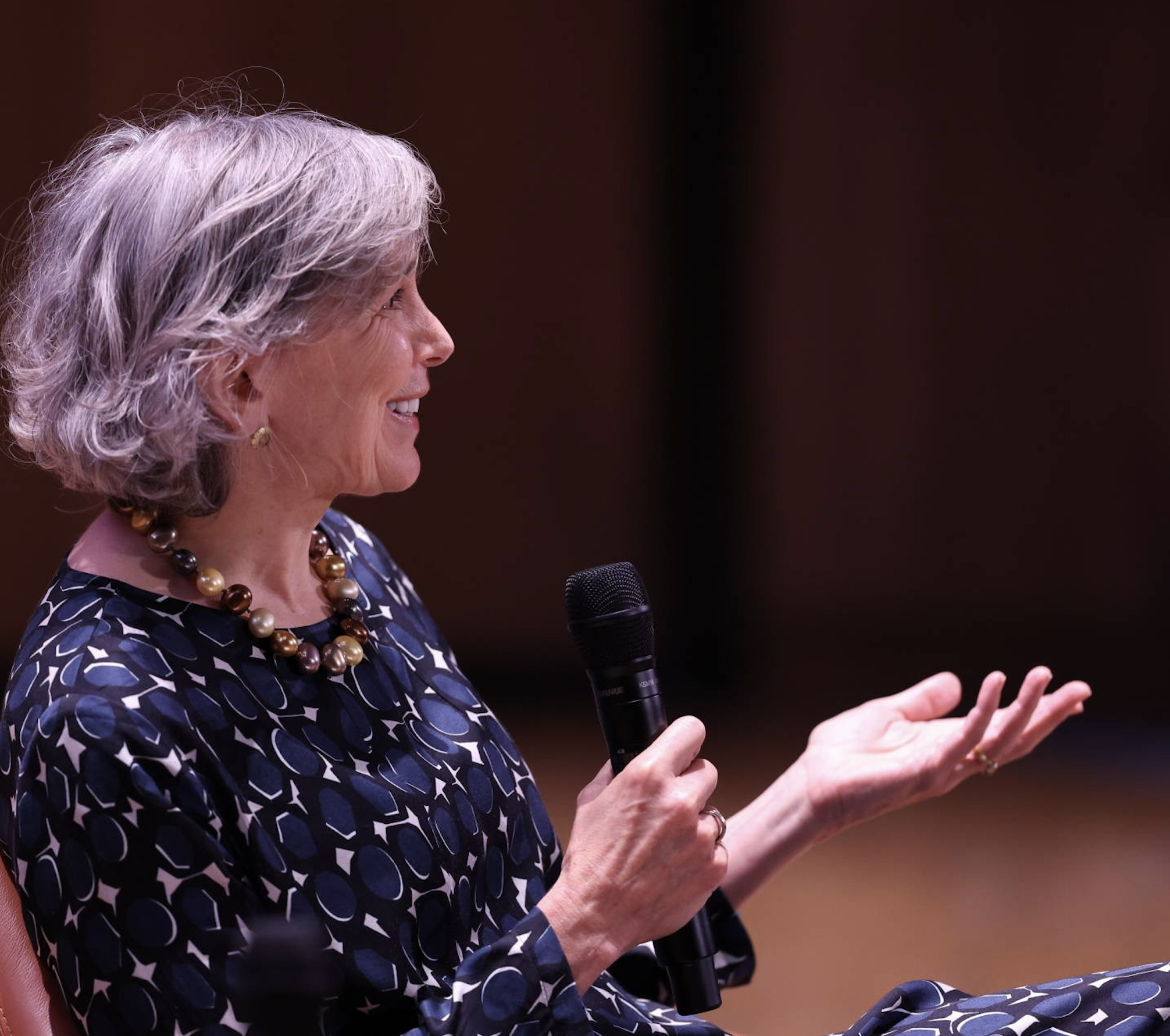
Why crappy buildings make us feel crappy
Sarah Williams Goldhagen spent much of her career writing about architecture before asking a different question: What does a building do to and for the people who inhabit it? Drawing on neuroscience, cognitive psychology, and environmental design, Welcome to Your World shows how our surroundings shape our attention, emotions, health, relationships, and sense of ourselves.
BOOK: Welcome to Your World. How the Built Environment Shapes Our Liveslture, Revised Edition
HABITAT, PUBLIC SPACES
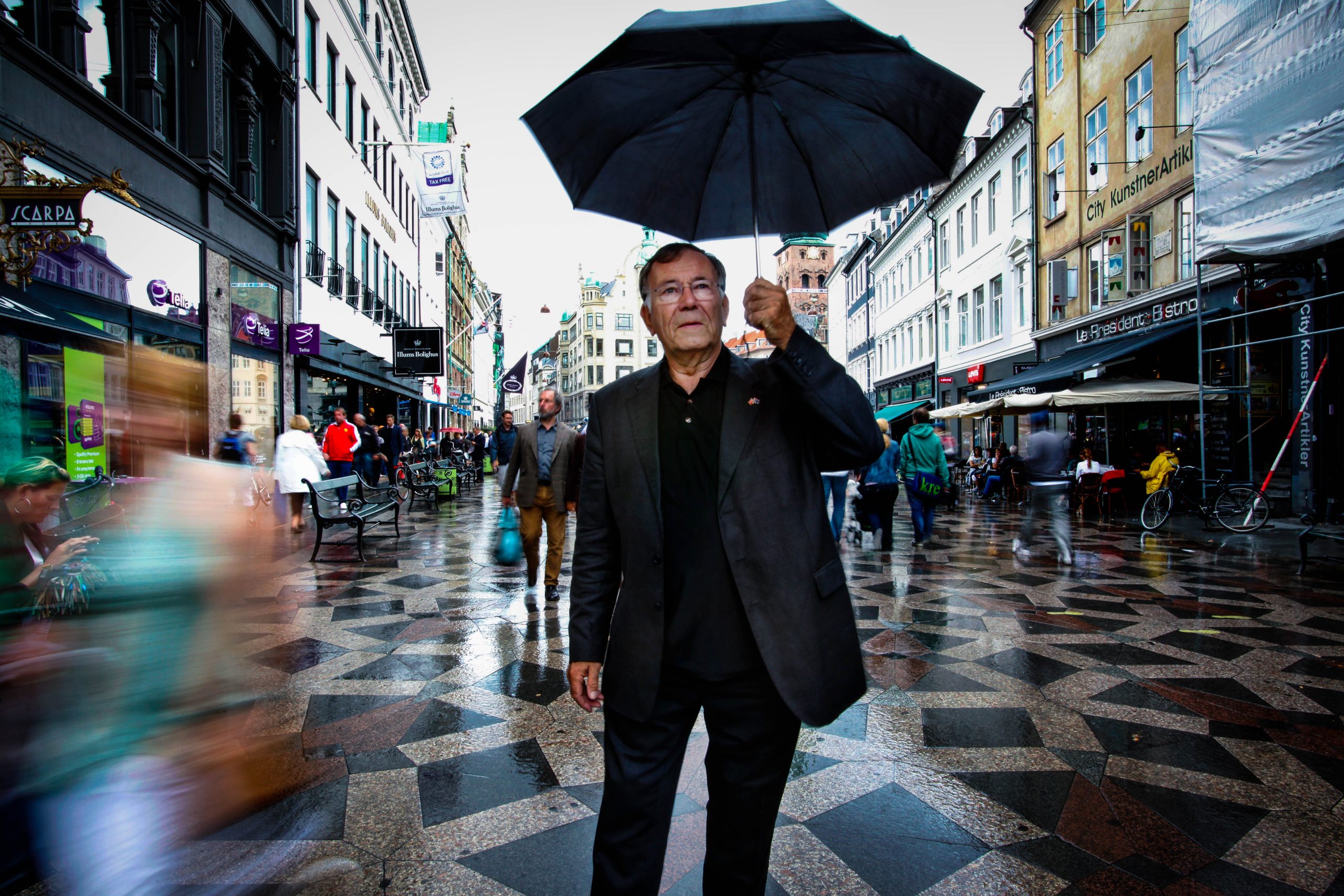
We don’t build community. We build the conditions from which community emerges.
Jan Gehl graduated as an architect in 1960, but had never been taught to think much about the people using the spaces between buildings. Then he married Ingrid, a psychologist, who asked: “Why are architects so interested in buildings and so uninterested in people?”
BOOK: Life Between Buildings. Using Public Space
HABITAT, ADAPTATION
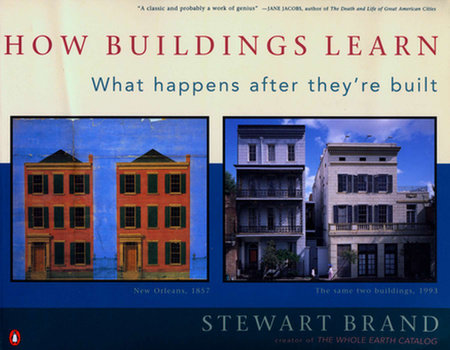
The buildings that last are the buildings that learn.
Stewart Brand has spent his career exploring how systems change. He created the Whole Earth Catalog, anticipated the personal computer revolution, and co-founded the Long Now Foundation. When he turned to architecture, he brought the same curiosity to buildings, asking what happens to them not when they’re built, but over time.
BOOK: How Buildings Learn

HABITAT, biophilia
We forget that we are nature.
E.O. Wilson spent a lifetime asking how life works. One of the world’s leading biologists, he transformed our understanding of ants, biodiversity, and evolution. In his 1984 book Biophilia, he turned to a different question: Why do humans feel so at home in nature? His answer: we are innately drawn to living things.
BOOK: Biophelia. The Human Bond with Other Species
One liners
ARTICLE: A Lesson From Urban Icons on Designing Public Space: Get Rid of Traffic
ARTICLE: Architecture Firms Do More Work Adapting Old Buildings Than Designing New Ones
ARTICLE: How Designing for Mental and Behavioral Health Strengthens Architectural Practice
ARTICLE: Brussels Built “Europe’s Largest Frying Pan” Instead of a Shady Public Square
ARTICLE: Social housing designed around gardens, light, flexibility and residents' autonomy rather than standardized "machines for living."
*About the photograph
Frank Lloyd Wright spent the last sixteen years of his life designing the Guggenheim Museum. Begun in 1943 and completed in 1959, just months after his death at age ninety-one, it stands as the culmination of a lifetime spent reimagining what architecture could be.
Rather than treating a building as a neutral container for art, Wright made the experience of moving through space part of the work itself. Visitors ascend a continuous spiral beneath a luminous dome, encountering light, form, and one another before they encounter a single painting.
Wright believed architecture should grow organically from its purpose, its materials, and the rhythms of human life. More than sixty years later, the Guggenheim continues to demonstrate that a building can do more than shelter activity. It can enlarge our sense of what is possible.
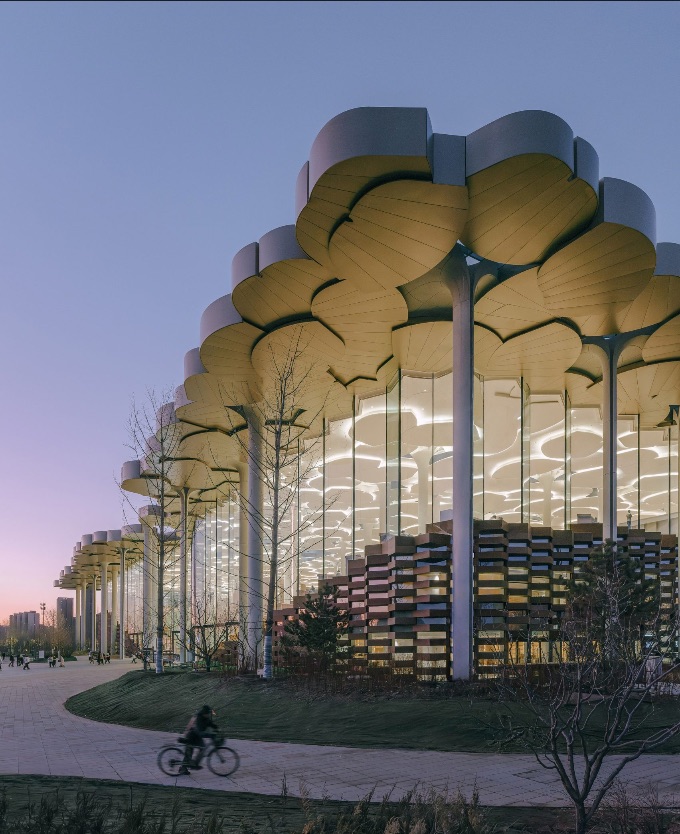
"Progress is people flourishing."
-Ted Gioia
Public Spaces
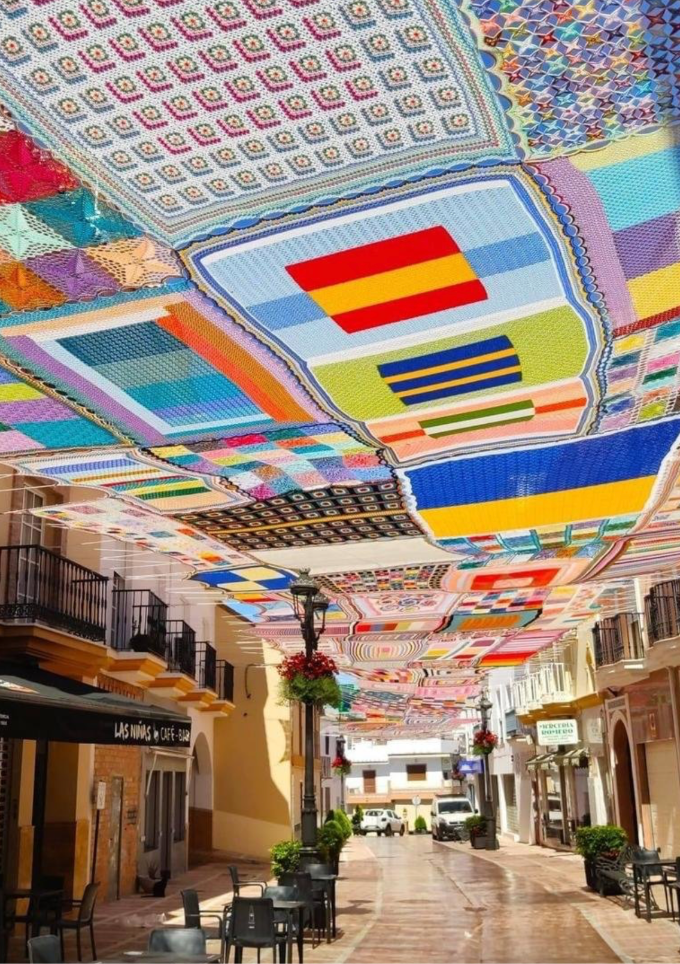
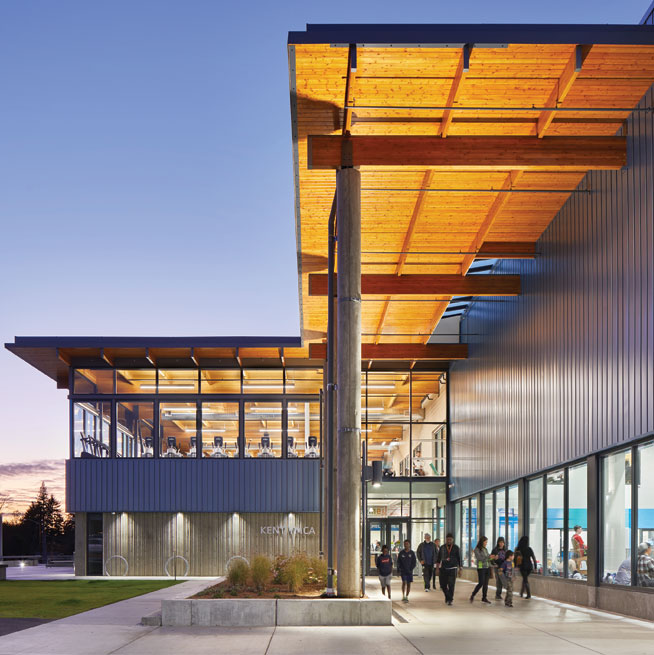
A crochet teacher and her students replaced plastic awnings with beautiful recycled fabrics.
Southern Spain is no stranger to hot weather, and the town of Alhaurín de la Torre, in Malaga, has used plastic awnings to shade its walkways for years.
ARTICLE: From Spain, a Creative and Eco-Friendly Way to Beat the Heat

Workspace
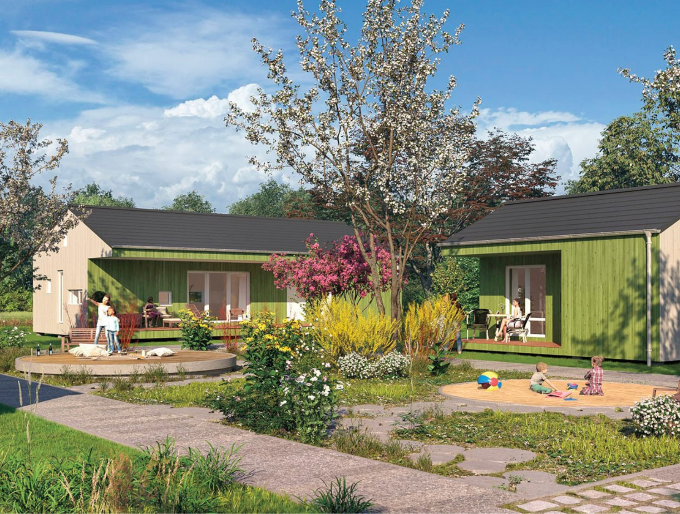
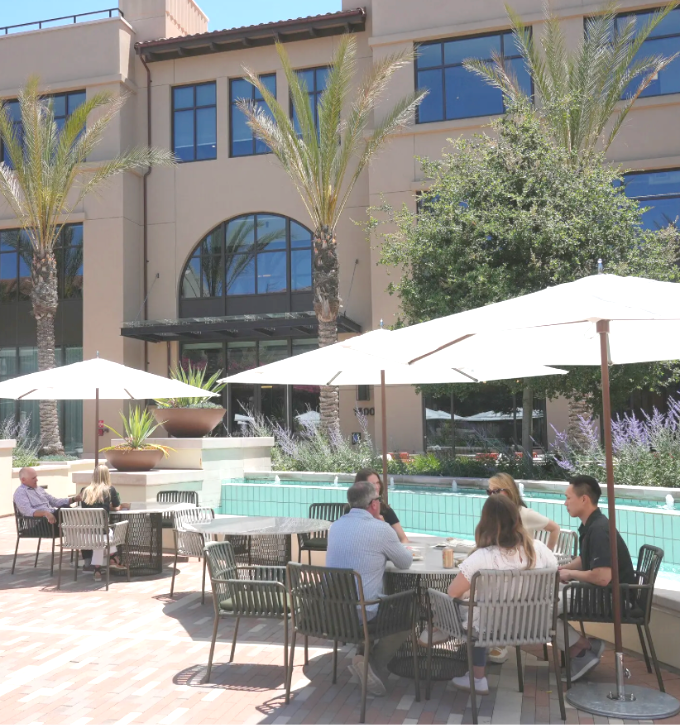
'Work resorts” are designed coax workers from their living rooms with the comforts and versatility of luxury hotels.
Visitors to the Springline complex in Menlo Park, Calif., are surrounded by a sense of comfort and luxury often found at high-end hotels: off-white walls with a Roman clay finish, a gray-and-white marble coffee table and a white leather bench beneath an 8-by-4 resin canvas etched with the words “Hello, tomorrow.” Springline’s signature scent — hints of salty sea air, white water lily, dry musk and honeydew melon — linger in the air.
ARTICLE: The Hotelification of Offices, With Signature Scents and Saltwater Spas
Public Spaces
Community
Commons
Learning
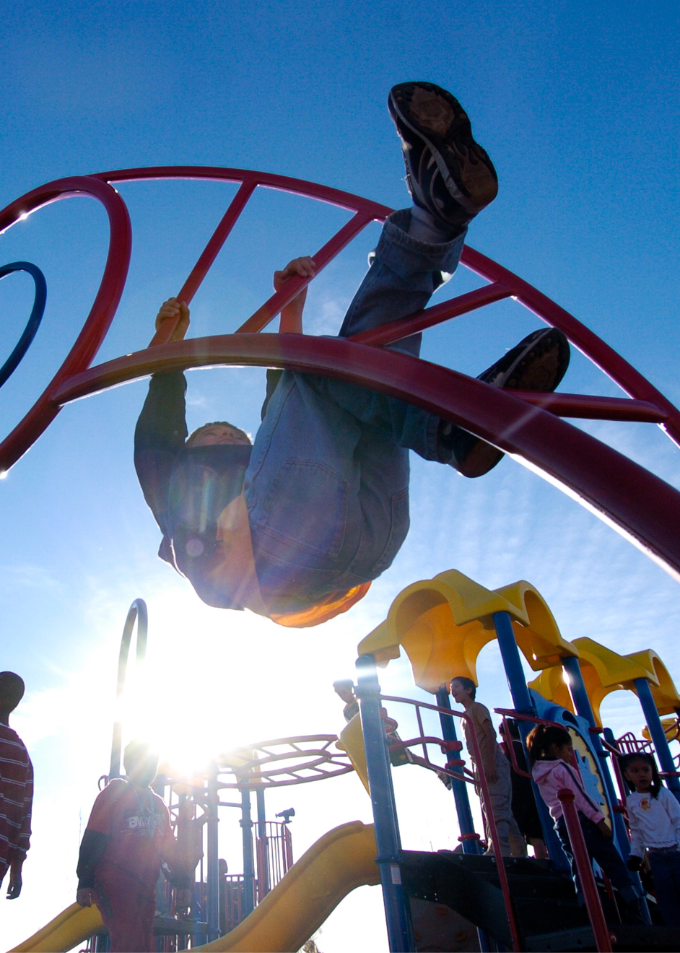
Helping communities thrive by turning schoolyards into spaces that serve well-being, development, learning, and social cohesion.
When Lois Brink’s kids were in elementary school, she remembers being struck by how uninviting their schoolyard was.
ARTICLE: How Greener Schoolyards Benefit Kids — and The Whole Community
Architecture
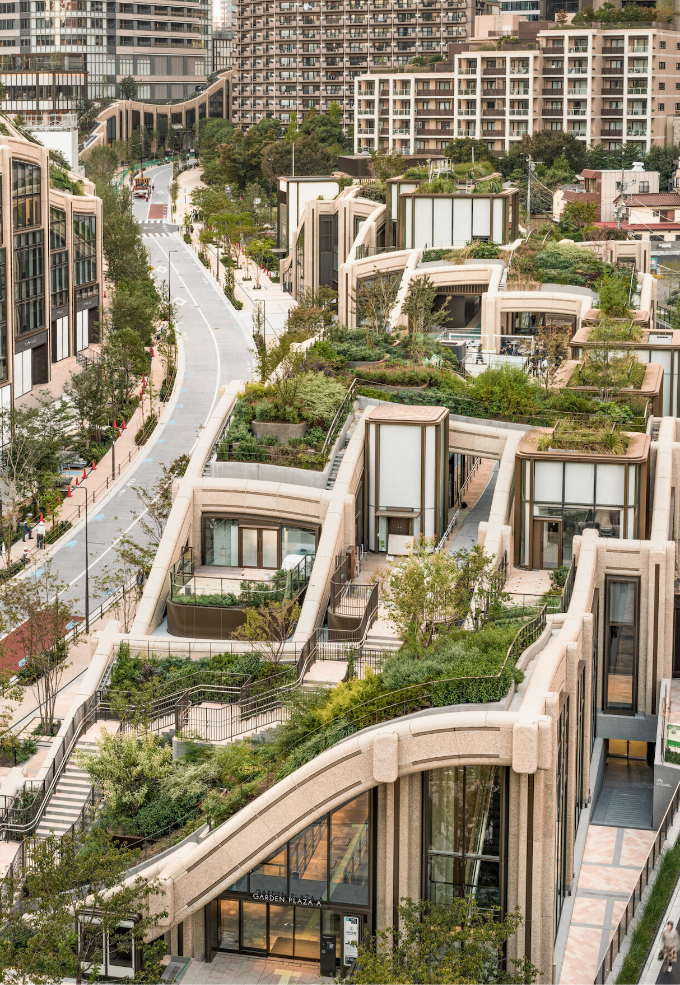
Embracing emotion as function, and two other ways to shatter the 'architectural blandemic'
In 2023, (architect Thomas Heathrwick) launched his campaign “Humanise,” delving into why architects make boring buildings (and have for the past 100 years).
ARTICLE: Ode to Joy: 3 Steps Architects Can Take To Make Buildings Less Boring
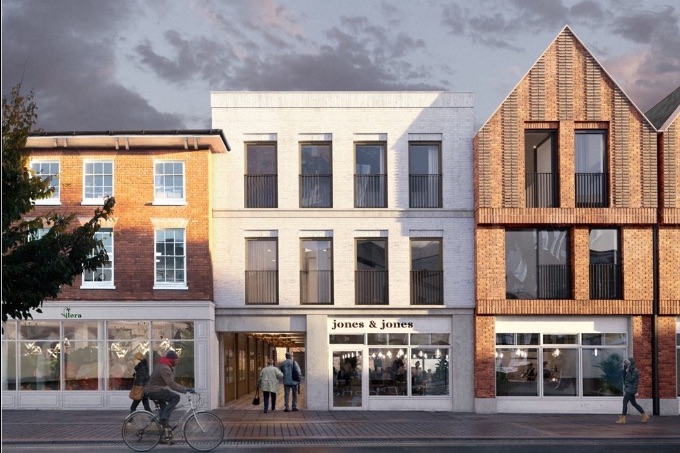
Social Infrastructure
'In many ways the solution is simple – our high streets need people living in them.'
The concept of a 20-minute neighbourhood, born during Covid, is straightforward: a neighbourhood where people can meet the majority of their daily needs within reasonable distance of their home by walking or cycling.
ARTICLE: Could A Solution To The Housing Crisis Also Save Our High Streets?
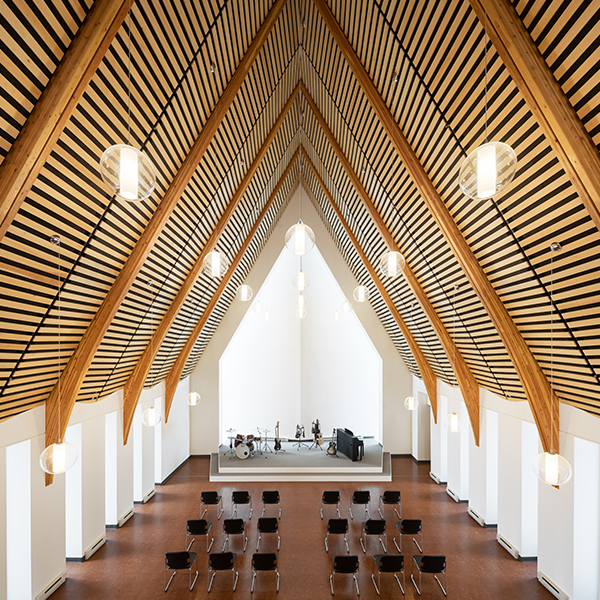
Public Spaces
A Multifunctional building for the Doig River People is one of the northern-most passive house–certified buildings in Canada.
The Doig River Cultural Centre is a 6,000-square-foot gathering place in Rose Prairie, British Columbia.
ARTICLE: This First Nations Cultural Center Is a Symbol of Community and Sustainability
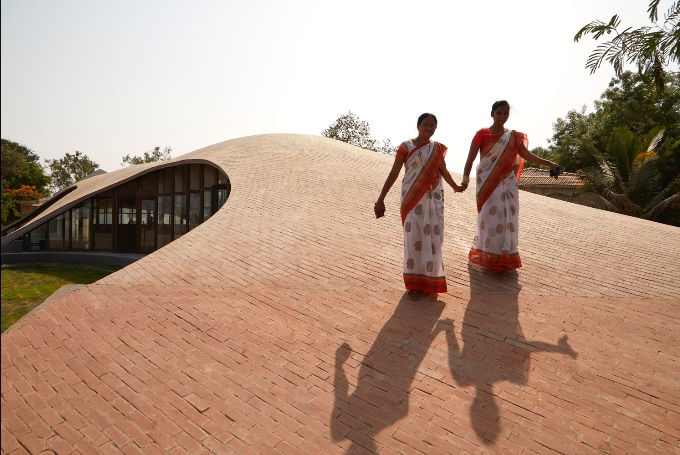
Libraries
'A place inside for study and a place above for play.'
The site chosen for this small addition of a children’s library within a school in rural Maharashtra, was a sliver between existing buildings and the school boundary, a site that almost implied a linear building footprint to adjust the program for the chosen site. Alluding to the impetus that children have towards landscape over a building we imagined the library building to be a formal extension of the ground plane.
ARTICLE: Maya Somaiya Library, Sharda School
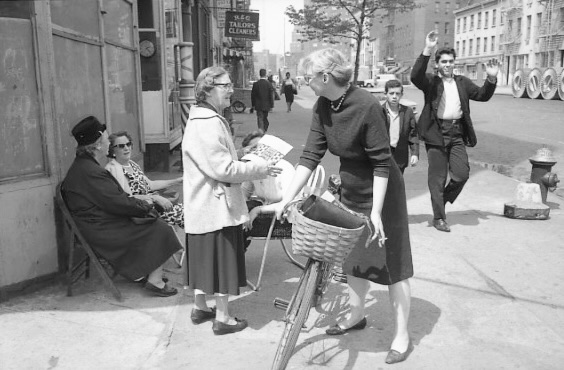
Transportation
“The car is not only a monstrous land-eater itself: it abets that other insatiable land-eater—endless, strung-out suburbanization.”
In the 1950s, in the glory days of the American automobile industry, when Jane and Bob Jacobs moved to Greenwich Village and their contemporaries were acquiring tail-fined cars and moving to the suburbs, she went to work and got around Manhattan by bike.
ARTICLE: Jane Jacobs, Cyclist

