September 13, 2024
Habitat
Kids don't need special equipment or lessons; they just need to get outside.
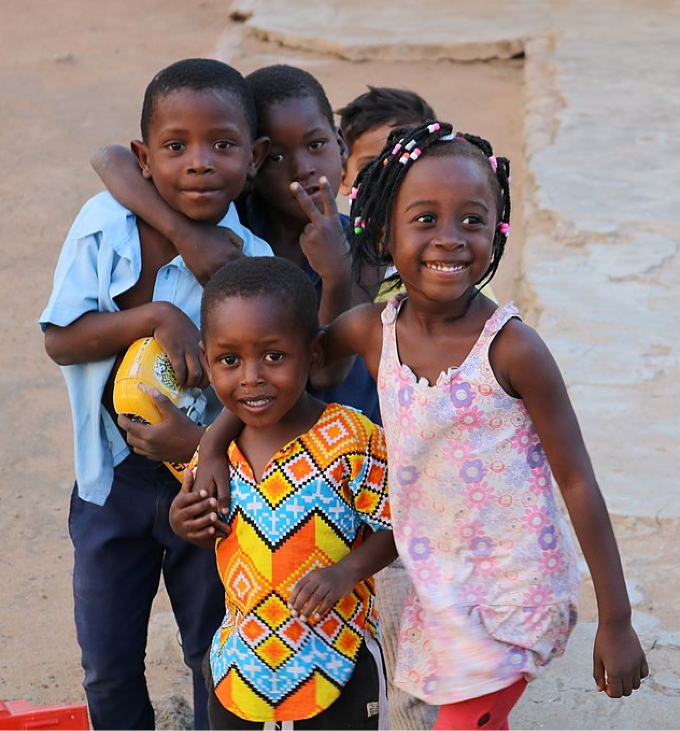
Image by Bram Berkelmans, CC BY-SA 4.0
"In the summer of 2009, Amy Rose and Alice Ferguson, two mothers living on Greville Road in Bristol, a midsize city in southwest England, found themselves in a strange predicament: They saw entirely too much of their kids. 'We were going, like, Why are they here?' Rose told me. 'Why aren’t they outside?' The friends decided to run an experiment. They applied to shut their quarter-mile road to traffic for two hours after school on a June afternoon—not for a party or an event but just to let the children who lived there play. Intentionally, they didn’t prepare games or activities, Rose told me, as it would have defeated the purpose of the inquiry: 'With time, space, and permission, what happens?'
"The results were breathtaking. The dozens of kids who showed up had no problem finding things to do. One little girl cycled up and down the street '3,000 times,' Rose recalled. 'She was totally blissed out.' Suddenly, the modern approach to children’s play, in which parents shuttle their kids to playgrounds or other structured activities, seemed both needlessly extravagant and wholly insufficient. Kids didn’t need special equipment or lessons; they just needed to be less reliant on their time-strapped parents to get outside." - Stephanie H. Murray
ARTICLE: What Adults Lost When Kids Stopped Playing in the Street