August 14, 2026
Habitat
We don’t build community. We build the conditions from which community emerges.
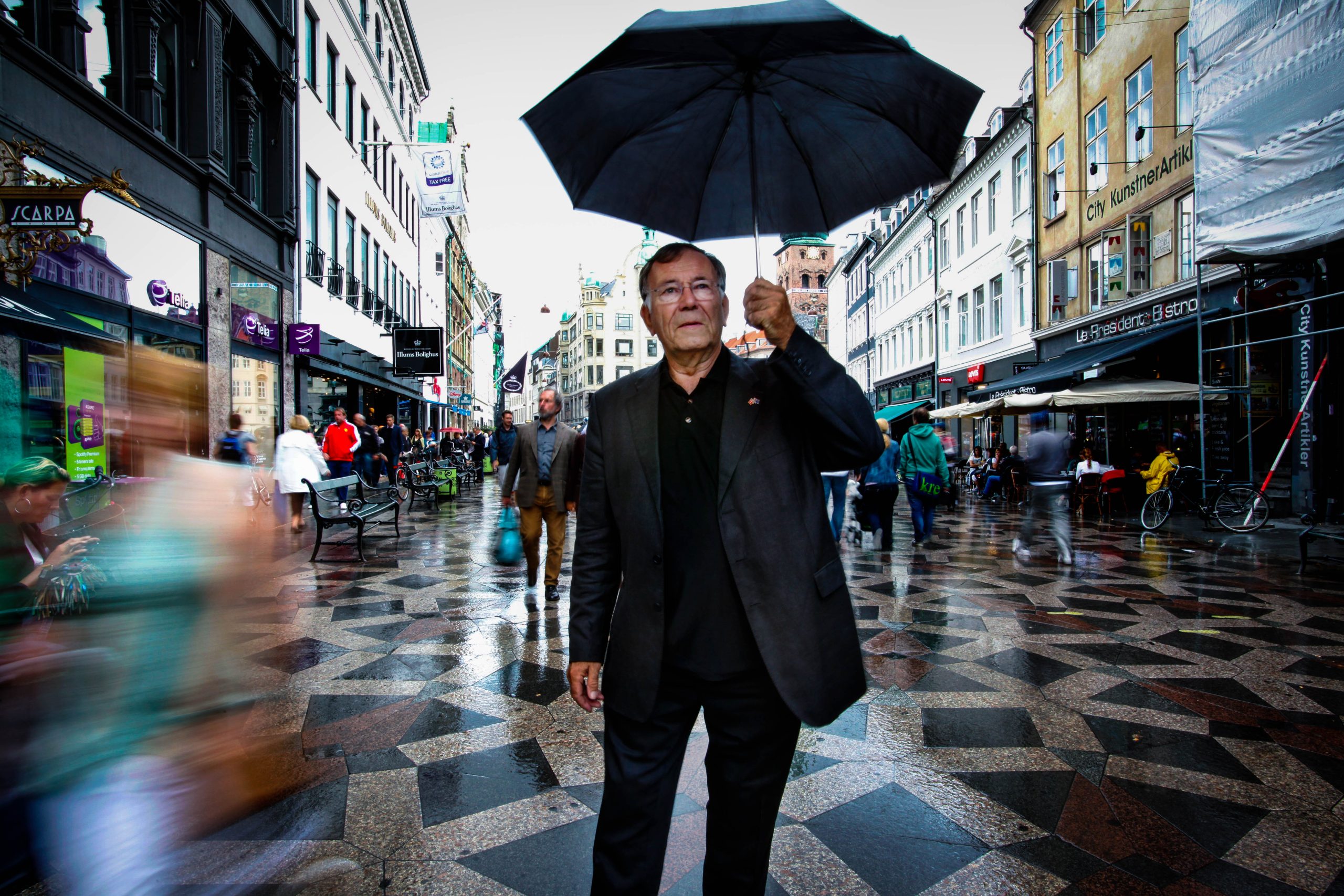
Image credit: Henningsson/Gehl Architects via CityChangers.org
Jan Gehl graduated as a conventional architect in 1960. He knew how to design buildings, but by his own admission he had never been taught to think much about the people who would use the spaces between them.
Then he married Ingrid, a psychologist. She kept asking him a simple question: “Why are architects so interested in buildings and so uninterested in people?” That question changed his life.
Together they won a grant to spend six months in Italy studying how people actually used piazzas and streets. Instead of sketching buildings, they watched people. Where did they stop? Where did they linger? Which squares filled with life, and which remained empty?
Those observations became the foundation of Life Between Buildings. What I love is how utterly simple Gehl’s method was. He didn’t begin with computer models or grand theories. He began with a clipboard.
For years, he and his students watched and counted people in Copenhagen. They mapped where children played, where couples sat, where conversations happened, how long people stayed, and how those patterns changed when a bench was added, a street was closed to cars, or a square was redesigned.
He treated cities the way Jane Goodall treated chimpanzees—with patient observation before explanation. What they learned was that the quality of public life has surprisingly little to do with the buildings themselves and almost everything to do with the spaces between them.
A bench in the shade. A narrow street that slows traffic. A small square where children can play while parents linger nearby. A café spilling onto the sidewalk. Trees. Places to pause. Places where it’s easy to see another person—and even easier to strike up a conversation.
None of these seem especially important on their own. Together, they determine whether a neighborhood feels alive.
Gehl’s great contribution was to shift the focus of architecture away from objects and toward relationships. Instead of asking, What kind of building should go here? he asked, What kind of life do we hope will happen here?
That simple shift transformed not only Copenhagen, but cities around the world. It also points to a larger truth. We don't build community. We build the conditions from which community emerges.
BOOK: Life Between Buildings. Using Public Space