August 30, 2024
Habitat
'Work resorts” are designed coax workers from their living rooms with the comforts and versatility of luxury hotels.
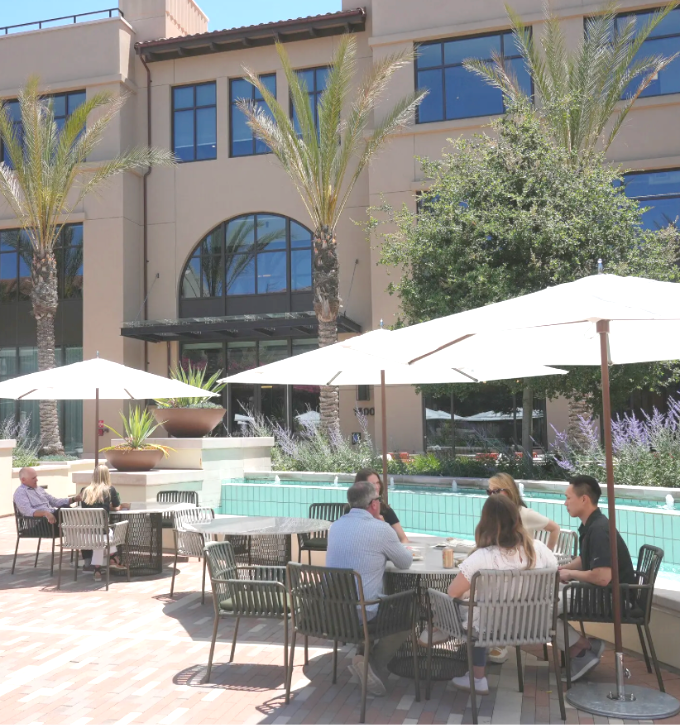
A co-working space at Springline in Menlo Park, Calif. Photo by Jim Wilson/The New York Times
A co-working space at Springline in Menlo Park, Calif. Photo by Jim Wilson/The New York Times
A co-working space at Springline in Menlo Park, Calif. Photo by Jim Wilson/The New York Times
"Visitors to the Springline complex in Menlo Park, Calif., are surrounded by a sense of comfort and luxury often found at high-end hotels: off-white walls with a Roman clay finish, a gray-and-white marble coffee table and a white leather bench beneath an 8-by-4 resin canvas etched with the words “Hello, tomorrow.” Springline’s signature scent — hints of salty sea air, white water lily, dry musk and honeydew melon — linger in the air.
"But Springline isn’t a hotel. It’s a 'work resort,' meaning that its office space designs have taken a page from boutique hotels.
"The complex is a 6.4-acre town square steps from the Menlo Park Caltrain station in San Francisco’s Bay Area. It includes two premium office buildings, nine restaurants, outdoor workspaces and terraces where people can mingle and connect, gym facilities, a high-end golf simulator, an upscale Italian grocery store and a 183-unit residential building. And like any good resort, it has a calendar of community events from craft cocktail fairs to silent discos." - Stacey Freed
ARTICLE: The Hotelification of Offices, With Signature Scents and Saltwater Spas