June 26, 2026
Culture
Stories are foundational tools for systems change.
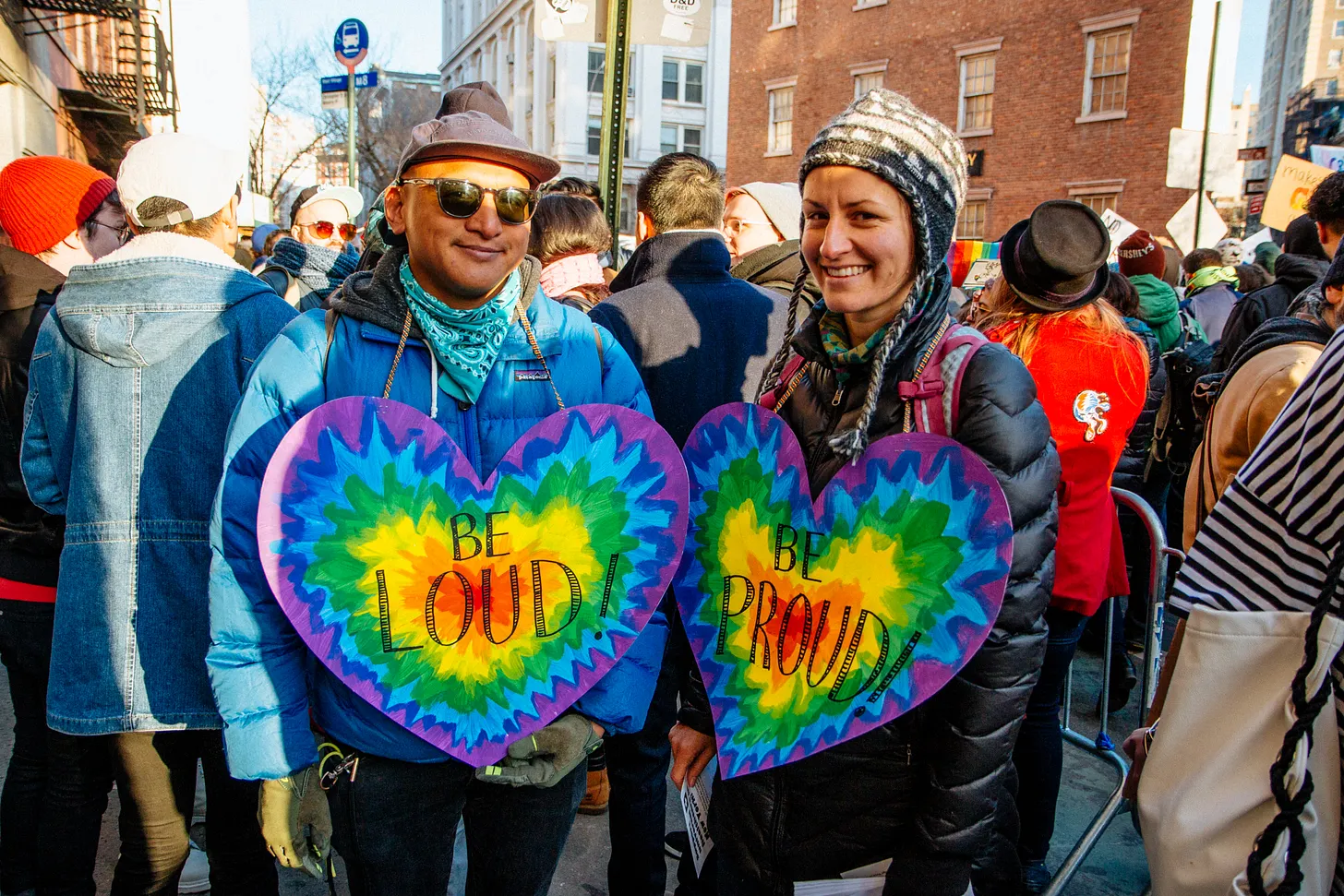
LGBT Solidarity Rally in front of the Stonewall Inn. Stories of social movements can help people working towards systemic change situate their work within a wider cultural context. Photo by mathiaswasik
Ella Saltmarshe suggests that lasting change often begins with a change in the stories we tell. Those stories shape what feels normal, what feels possible, and what we're willing to work toward.
In this article, she outlines three things stories do well: they help us see more clearly, there bring people together, and they reveal the larger web of relationships that shapes our lives.
Story as light
Stories help us see. They expose hidden patterns, reveal fault lines, and make alternative futures feel real enough to influence how we act today. Saltmarshe points to examples ranging from Uncle Tom’s Cabin and investigative journalism that exposed labor abuses in Qatar to immersive projects that help people understand complex systems and imagine different futures.
Story as glue
Stories help us find one another. They build empathy, create common ground, and make collaboration possible across differences. Whether the divide is between environmentalists and fishermen or families and social workers, shared stories can foster trust, belonging, and a sense of common purpose. Saltmarshe highlights approaches that help people connect their personal experiences to larger collective efforts.
Story as web
Stories help us see the larger patterns we inhabit. They shape our understanding of ourselves, our culture, and the myths that guide society. By reframing personal narratives, cultural assumptions, and collective stories, we can expand what feels possible. The article explores efforts to develop new narratives capable of supporting a more connected, resilient, and life-giving future.
A call to practice
Saltmarshe concludes with a challenge. In a participatory media landscape, the goal is not to control the narrative but to create conditions where many people can help shape it. She calls for new forms of collective storytelling that help us navigate polarization, strengthen our capacity to act together, and bring better futures a little closer to reality.
“A tension between orchestration and openness runs through all this work. We no longer live in a broadcast era, where we passively receive stories en masse. Instead, growing numbers of people have the means to be storytellers as well as story listeners. As systems changers, we should seek the minimum structure needed for people to illuminate the past, present and future; build communities through empathy and coherence; and reauthor the web of narratives we live in. How can we empower generations of storytellers to use this most ancient of technologies to change systems for the better?
“We need to develop new processes of collective storytelling to help us navigate these turbulent and polarizing times. As such, we need more stories about stories in the field of systems change. There are many more examples, tools, and ways of using of stories to share. It is time for systems change practitioners and storytellers to work together in new ways to build a better world so that ‘living happily ever after’ exists off the page, as well as on it.”
Article: Using Story to Change Systems
A review of this article first appeared in Love & Work (#441, February 7, 2025). I’ve rewritten and updated it because its central ideas closely parallel the work of Jürgen Habermas and many of the recurring themes explored in this letter.