Communication
How language, listening, conversation, and dialogue shape what we understand, how we relate, and what we are able to create together.
Part of Love & Work's continuing inquiry into what human beings are capable of becoming.
shared meaning
Communication is the invisible architecture of belonging.
"The single biggest problem in communication is the illusion that it has taken place."- George Bernard Shaw
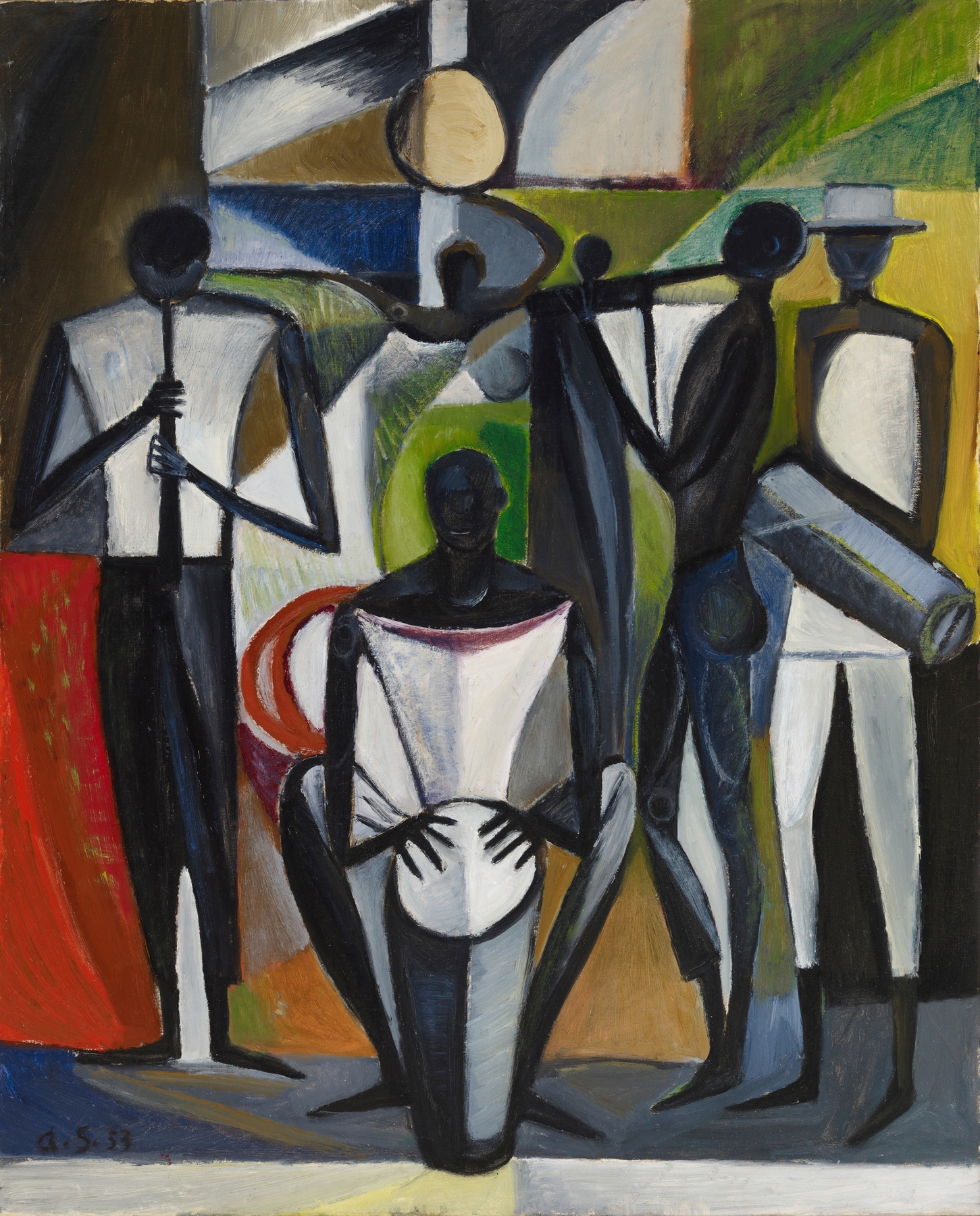
Orchestra (1953) Anita Snellman. Read more about this painting.*
For more than forty years I’ve worked with organizations of every kind. Some were reinventing how we live and work through technology. A few designed and sold athletic gear. One was providing international aid services. More than one was educating tomorrow’s teachers, caregivers, and community leaders. Their missions couldn’t have been more different. Yet beneath the surface, they all kept arriving at the same realization.
Organizations rarely struggle because they lack words. They struggle because they lack shared understanding.
Marketing can’t resolve confusion. Internal newsletters can’t rebuild trust. Mission statements can’t compensate for strategic ambiguity. People communicate clearly when they know what they’re building together.
The same pattern repeats at every scale. Families lose one another not because they stop talking, but because they stop understanding what matters most to one another. Communities fracture when shared purpose gives way to competing stories. Our culture often mistakes louder voices for clearer meaning. Whether we’re leading a company, raising children, or trying to hold a democracy together, communication is ultimately the work of creating enough shared understanding to move forward together.
Communication is the work of creating shared understanding, and shared understanding begins by noticing what lies beneath the words themselves.
Living into our fullest humanity has always been a shared endeavor. The conversations we practice today become the relationships, organizations, and cultures we inhabit tomorrow.
communication, shared meaning
Communication creates society
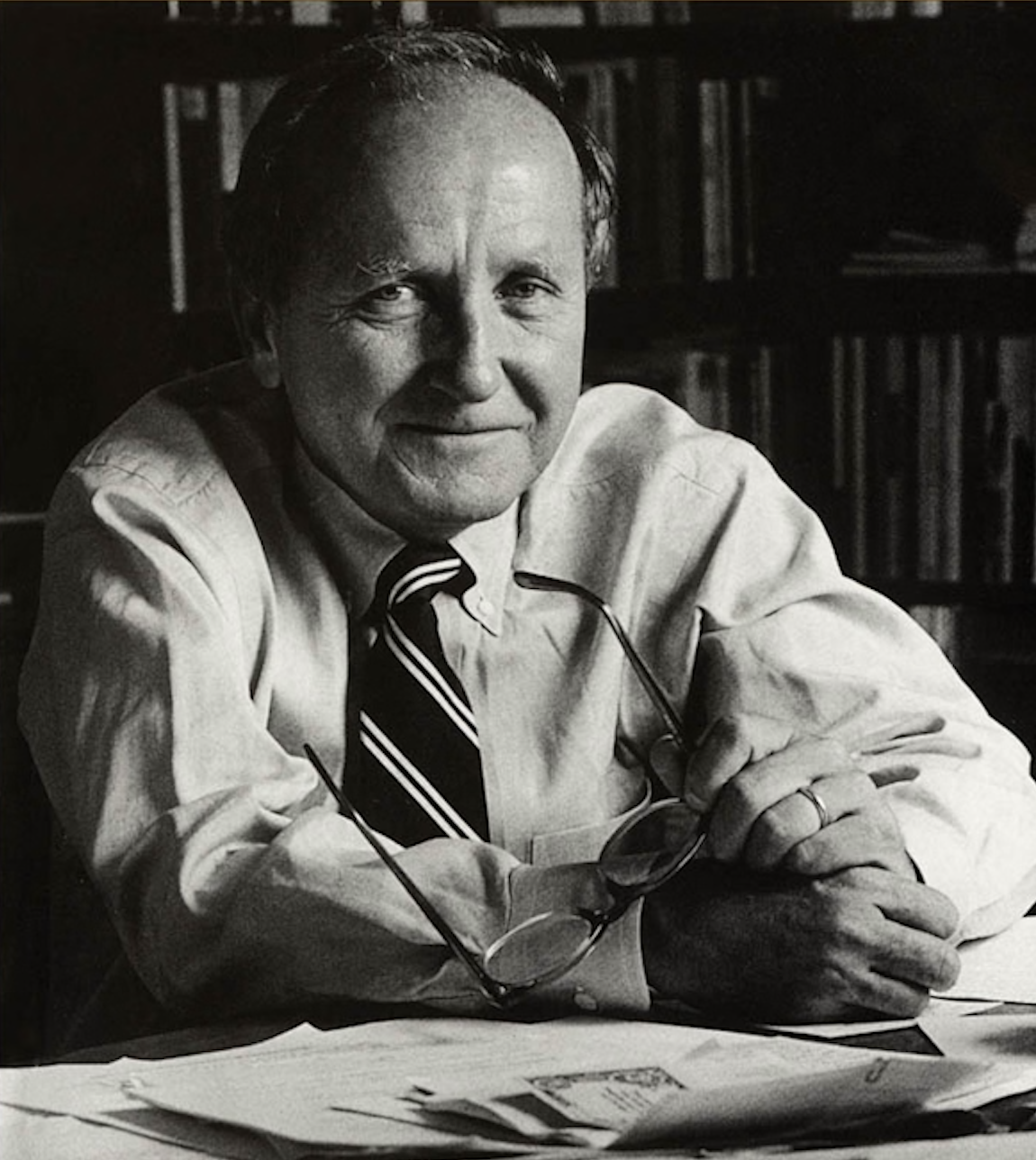
Marshall McLuhan famously observed that the medium is the message—that the ways we communicate shape society as profoundly as the ideas we communicate.James Carey asks even deeper questions. What if communication is not primarily the transmission of information, but the creation of shared meaning? What if communication itself is how society comes into being?
BOOK: Communication as Culture, Revised Edition
communication, collective intelligence
Learning to think together
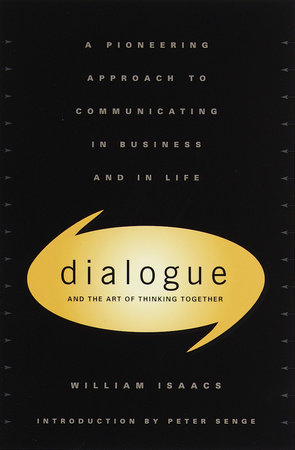
William Isaacs asks a question that opens all kinds of doors: What becomes possible when a group learns to think together?His answer stretches our understanding of communication itself. Dialogue, he suggests, is far more than conversation. It is the practice of creating the conditions where a group can discover insights that none of its members could have reached alone.
BOOK: Dialogue and the Art of Thinking Together
communication, nonviolent communication
Learn to hear what matters
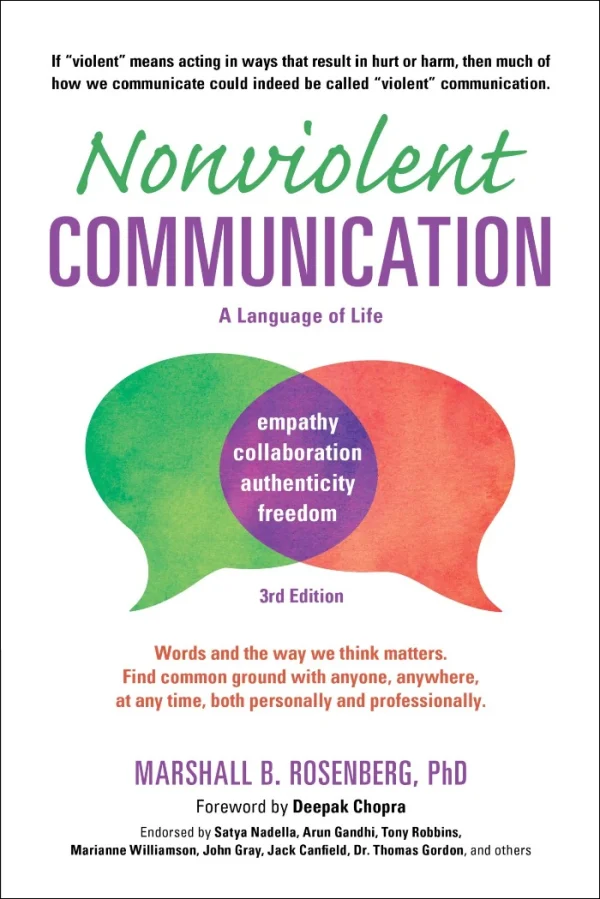
Most communication books promise techniques. They offer better ways to persuade, negotiate, present, or influence. Marshall Rosenberg's Nonviolent Communication begins somewhere much deeper.His central insight is deceptively simple—and extraordinarily difficult to practice: beneath every opinion, criticism, argument, or demand is a human being trying to meet a need.
BOOK: Nonviolent Communication. A Language of Life

communication, listening
The power of a better question
The person asking the questions often learns more than the person giving the answers. Edgar Schein built an entire philosophy of leadership around that deceptively simple idea.Unlike many consultants, Schein was convinced that leaders and advisors should stop arriving with answers. Their job was not to be the smartest person in the room. It was to help the room become smarter.
BOOK: Humble Inquiry, The Gentle Art of Asking Instead of Telling
*About the painting
Anita Snellman was born in Helsinki in 1924 and became one of Finland’s leading twentieth-century painters.
She painted Orchestra in 1953, not long after studying in Paris. The influence of European modernism is there, but so is her own voice. The painting isn’t strictly realistic, nor is it abstract. It lives somewhere in between.
The musicians remain distinct individuals, yet they are clearly part of something larger. Each makes sense on their own. Together, they become something else. No one in the room is making music alone. Each player matters. The listener matters. The music itself exists because everyone is attending to one another.This is how communication works. Meaning rarely arrives fully formed from a single voice. It emerges between people—through attention, timing, and the shared work of creating something that none of us could have created alone.
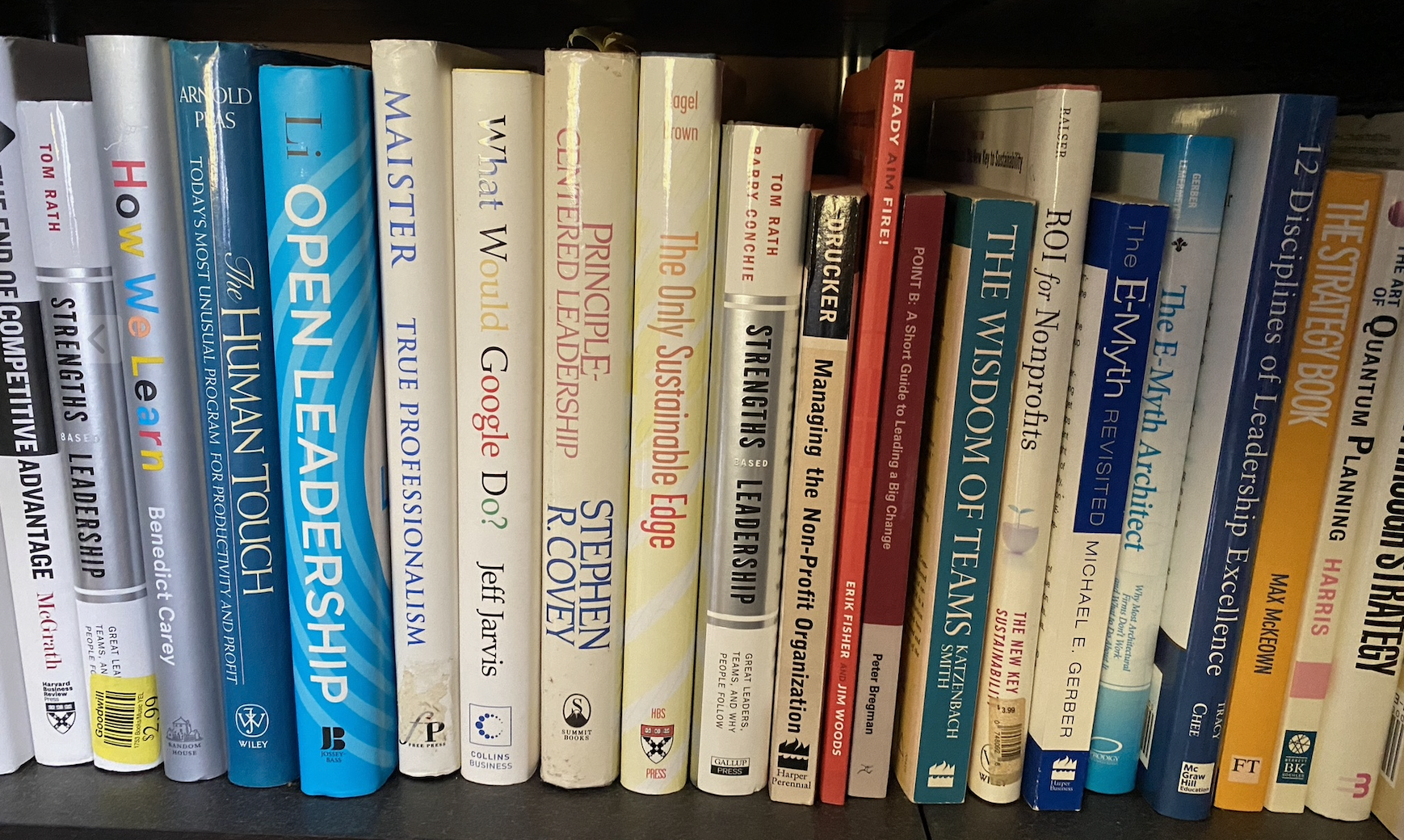
"Progress is people flourishing."
-Ted Gioia
Social Messaging
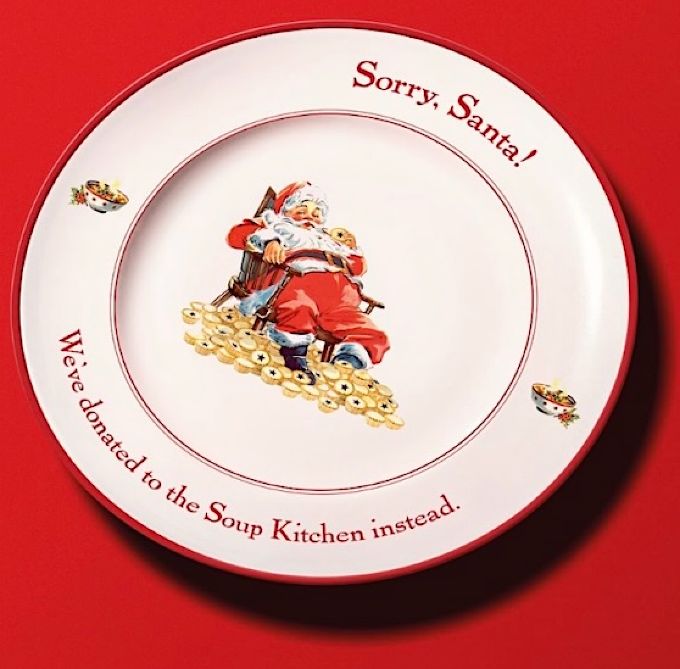
“Every year, we spare a thought for Santa, making sure he’s well fed as he makes his magical journey across the world. But we forget there are millions of real people who will go hungry this Christmas.”
This holiday season a U.K. advertising campaign is asking families to skip leaving snacks out for Santa and instead donate that money to help feed people facing hunger.Created by Wonderhood Studios with Soup Kitchen London, the campaign invites families to donate £5.55—the cost of Santa’s traditional mince pie, sherry, and carrots—so “real people” can eat this Christmas.
ARTICLE: Sorry Santa, No Snack for You! We'd Rather Feed Struggling Families
Storytelling
Books
Repair
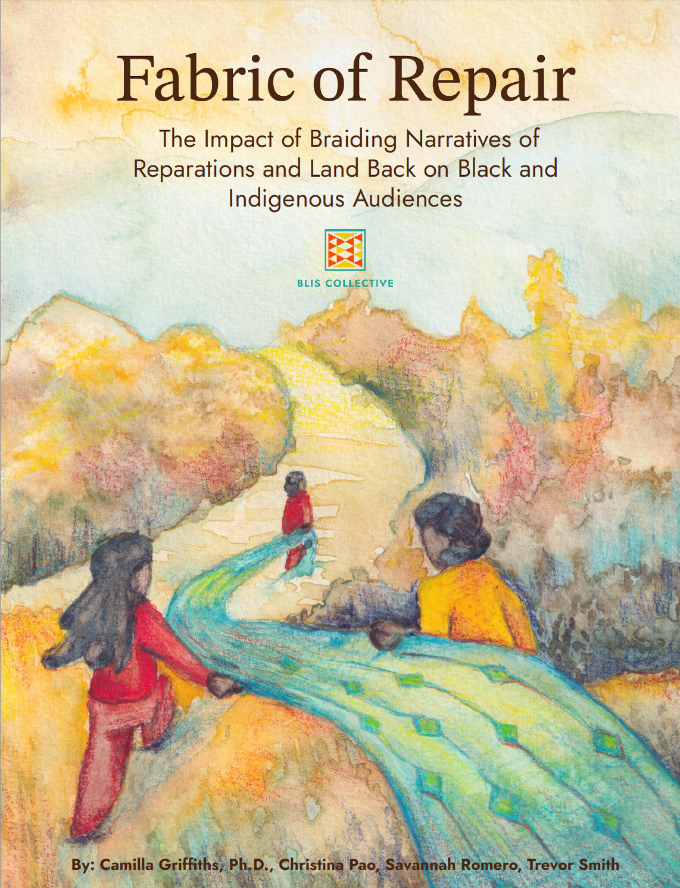
Stories help people understand that the futures we picture together can become the futures we build.
Within reparations work, the term “hope gap” describes the disconnect between support and belief. Many people back an issue, yet far fewer think meaningful change can realistically happen in their lifetime, especially around Black reparations and Indigenous Land Back.
RESEARCH REPORT: Fabric of Repair

Social Messaging
"If you give me a smart phone then I'll be able to ask everyone - everyone - whether or not I look pretty in this bathing suit."
The Phone-Free Schools Movement is a nonprofit organization advocating for bell-to-bell phone-free school environments, allowing students to focus, connect, and build relationships without the constant pull of social media.
VIDEO: If You Give Me A Smartphone—PSA
Social Messaging
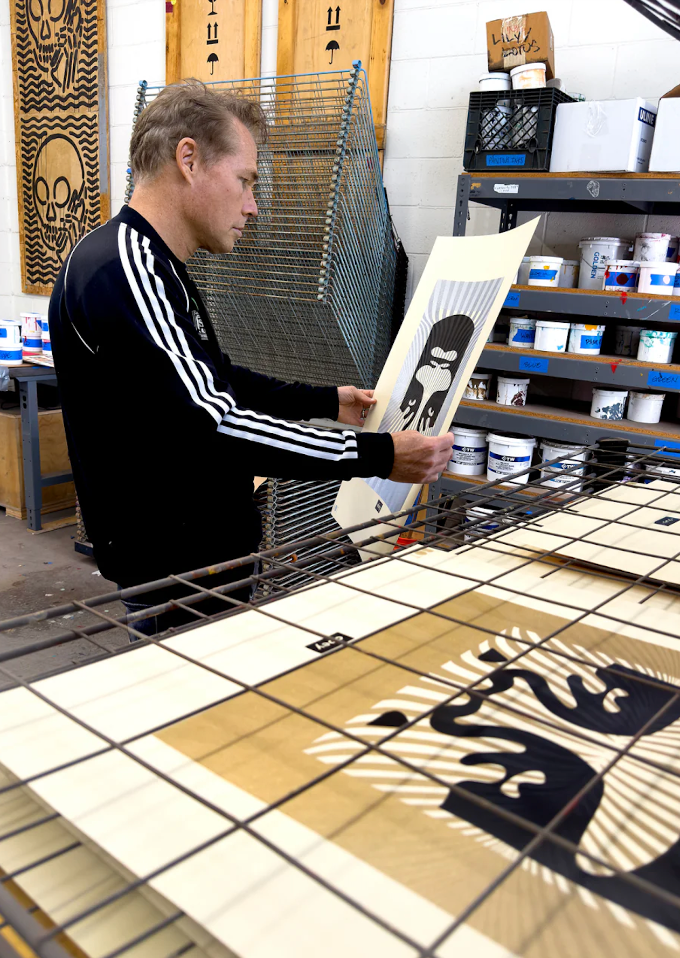
An exhibition that celebrates the rebellious, democratic force of ink and paper
SHEPARD FAIREY: OUT of PRINT is an exhibition exploring the artist’s lifelong dialogue with printmaking. The 2008 Obama “Hope” poster made Fairey’s style famous, showing the power of shared art to move people and define a moment.
ARTICLE: Beyond The Streets Presents Shepard Fairey: Out Of Print

Social Messaging
"I guess what I'm trying to say is I want to exist in a world where I don't have to think about these things, ever again."
This ad works because it’s direct, honest, and plainspoken. It speaks to human needs and desires we all share.
VIDEO: End Violence Against Women Coalition: 20th Anniversary

Social Messaging
"Sweden is the first country in the world prescribed by doctors. Welcome to a destination of a different nature."
Sweden’s ranking as one of the happiest countries in the world is frequently attributed to its comprehensive welfare system—a model that provides citizens with free education, universal healthcare, and generous parental leave, ensuring basic needs are met for everyone.
VIDEO:The Swedish Prescription
%20poster.png)
Social Messaging
Using posters to express concerns, influence public opinion, and foster dialog
This poster was issued by the Northern Friends Peace Board (NFPB), a Quaker organization based in northern England. Founded in 1913 in response to rising militarism and the threat of war, the Board’s mission was—and still is—to encourage and support efforts for peace across Britain and beyond.
WEBSITE: Northern Friends Peace Board
Visual Identity
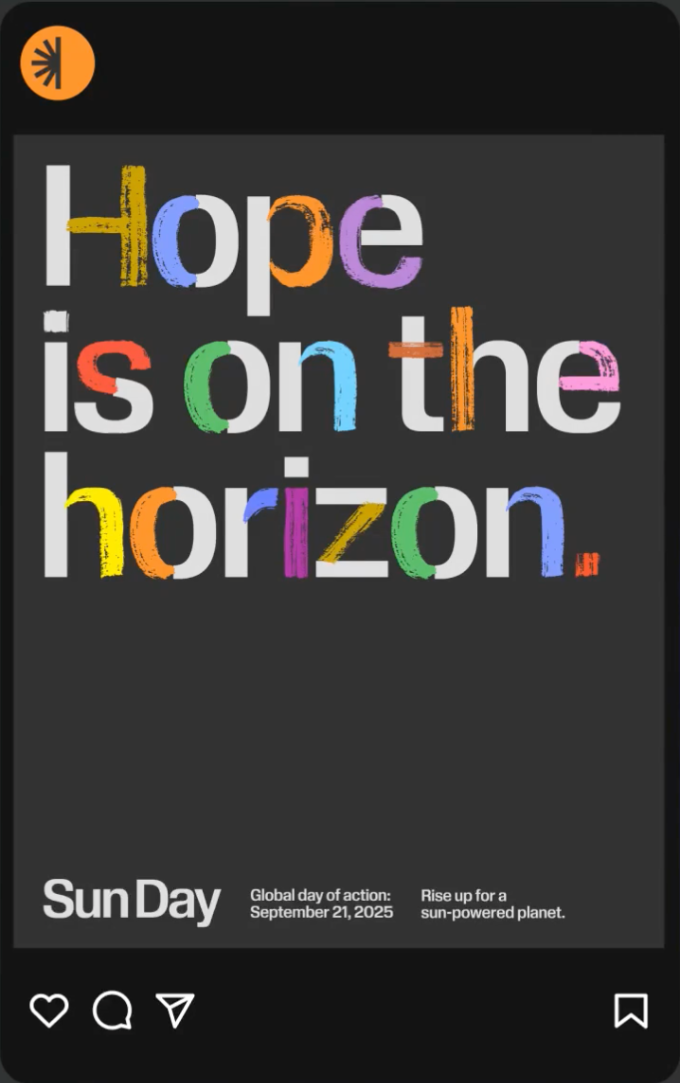
"Before we had the design system, logo and identity for Sun Day, it was just an idea. After, it became the seeds of a movement."
The headline quote comes from Bill McKibben. Together with Denis Hayes, founder of Earth Day, he launched Sun Day this past Sunday, September 21, 2025.
ARTICLE: Designing Action: COLLINS, McKibben, and the Birth of Sun Day

Advertising
Better business through chemistry
On his website, Rob Schwartz says: “I help business people be more creative and help creative people succeed in business.” He lives up to that promise in his newsletter, Rob Schwartz Helps, where he generously shares his love for the creative business.
ARTICLE: Atomic Bonds: Why Great Work Requires A Little Chemistry
Social Messaging
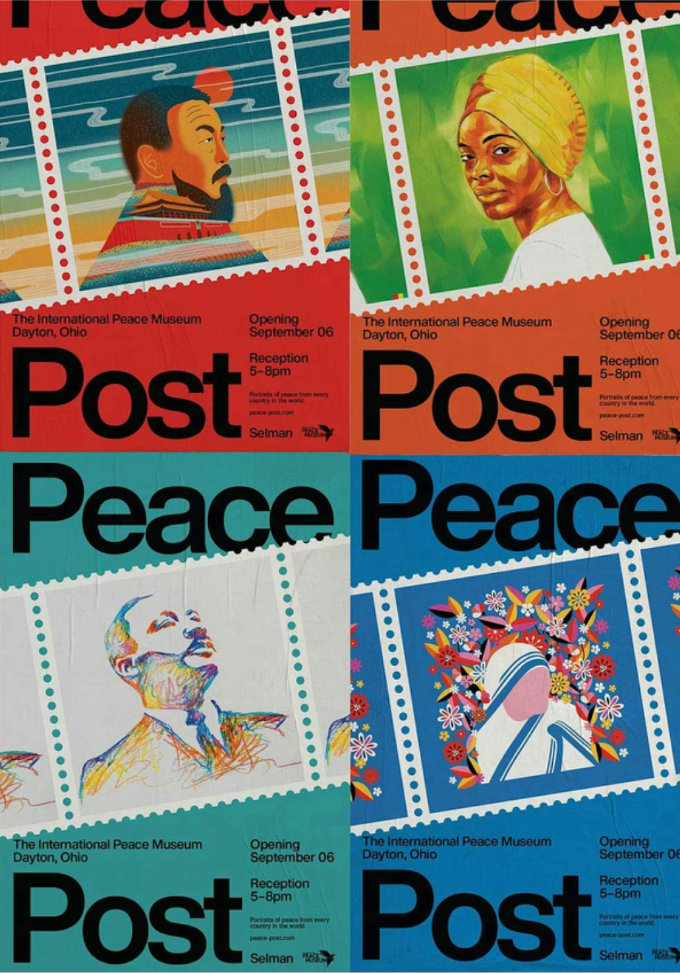
Portraits of peace from around the world
Selman is a Brooklyn-based brand identity and design studio founded in 2013. Its founder, Johnny Selman, believes design carries ethical responsibility and can bring urgency, empathy, and clarity to pressing issues like injustice, climate change, and political divides.
WEBPAGE: Peace Post
Social Messaging
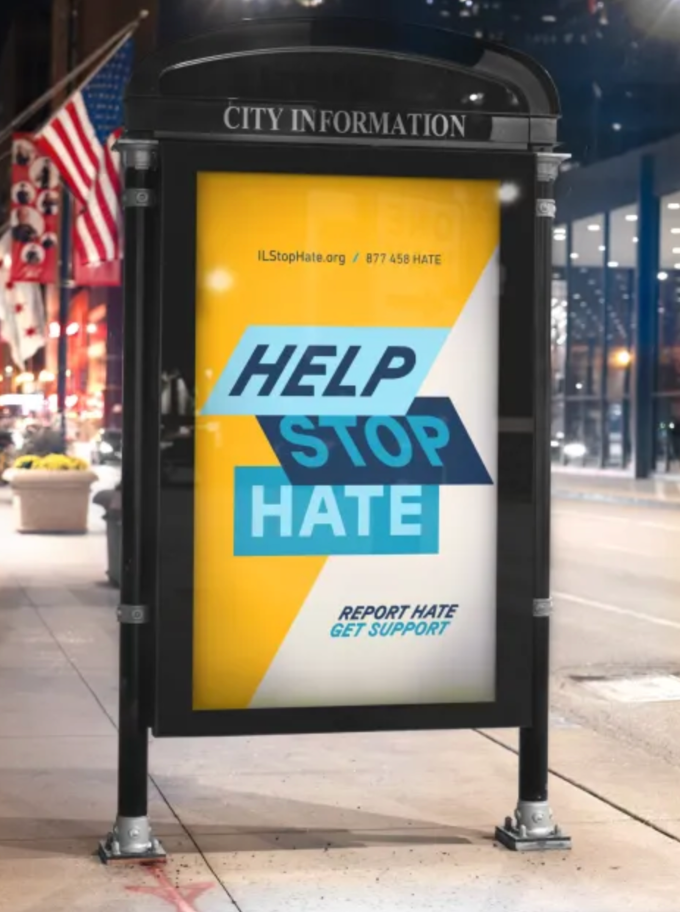
Reporting hate is care in action.
While federal support for emergency services has been shrinking, Illinois is one of only three states with an agency focused on responding to hate incidents. To build public trust, Chicago designer Nick Adam and his firm Span teamed up with the University of Illinois Chicago’s Institute for Healthcare Delivery Design to create a new identity for the program, which helps people and communities affected by hate.
ARTICLE: Words Are Not Just Words

