August 7, 2026
Communication
Communication creates society
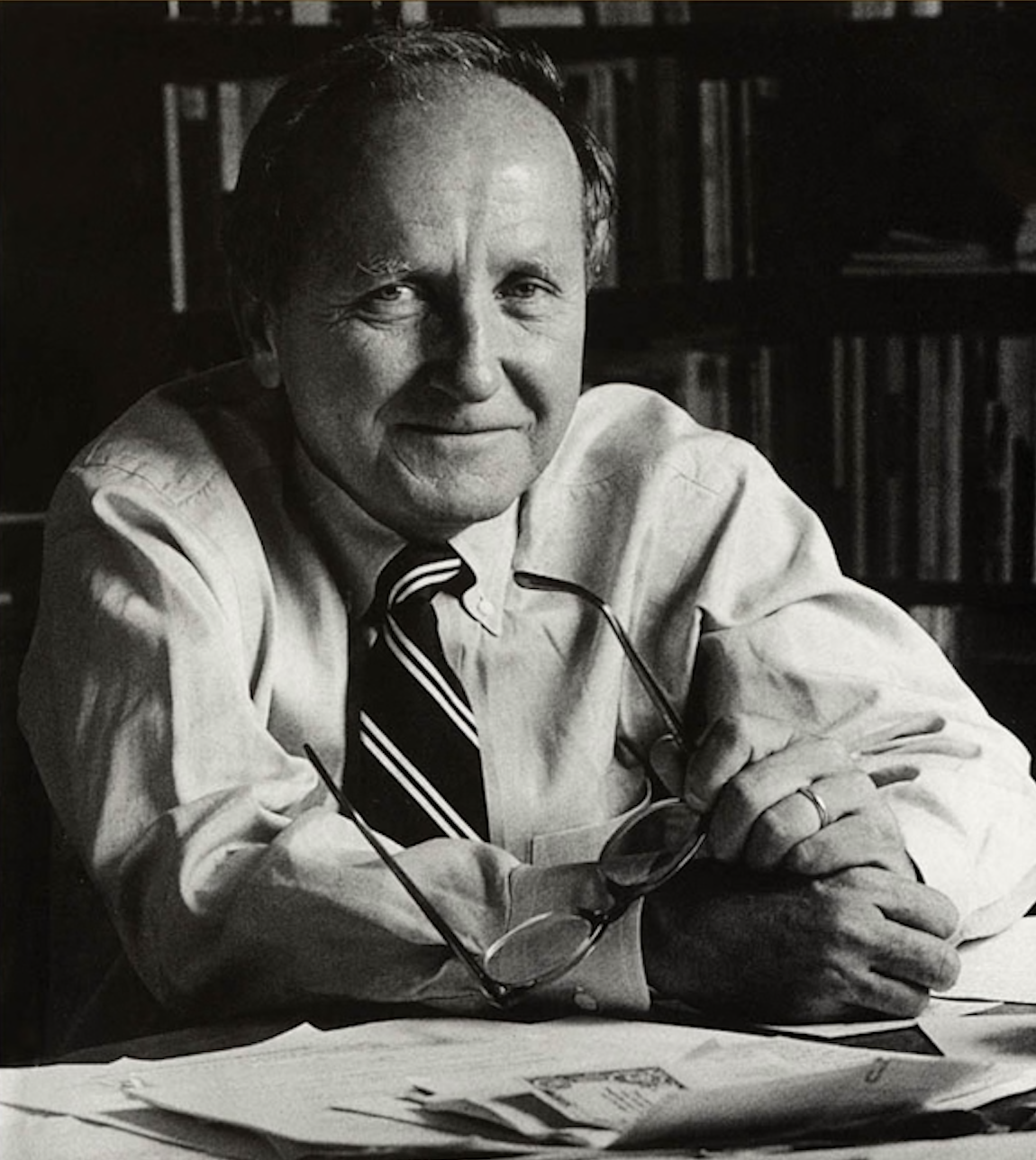
Image clipped from the cover of James Carey, A Critical Reader
Marshall McLuhan famously observed that the medium is the message—that the ways we communicate shape society as profoundly as the ideas we communicate.
James Carey asks even deeper questions. What if communication is not primarily the transmission of information, but the creation of shared meaning? What if communication itself is how society comes into being?
Most of us think of communication as the transmission of information. We send messages. We exchange ideas. We persuade, explain, instruct, and inform. Carey suggests that this is only half the story. In his essay “A Cultural Approach to Communication,” he proposes a second understanding. Communication is not merely the movement of information across space. It is the ongoing process through which people create, maintain, repair, and transform a shared world.
That simple shift changes everything. Families are not held together by genetics alone. Companies are not held together by organizational charts. Democracies are not held together by constitutions. They endure because people continually renew a shared understanding of who they are, what they value, and what they are trying to accomplish together.
Communication, Carey suggests, is less like transportation than ritual. Every conversation, newspaper, classroom, ceremony, public meeting, and shared meal participates in the continual work of creating culture.
"A Cultural Approach to Communication" opens Carey's influential collection, Communication as Culture, and serves as its central thesis. The essays that follow examine journalism, technology, public life, and the changing relationship between communication and culture, each reinforcing the same insight: societies endure not because information moves efficiently, but because people continually create and renew shared meaning together.
Once you begin to see communication this way, it stops looking like a skill. It becomes one of civilization’s fundamental practices.
BOOK: Communication as Culture, Revised Edition