Civics
How people build the relationships, practices, institutions, and collective agency needed to participate in shaping a shared future.
Part of Love & Work's continuing inquiry into what human beings are capable of becoming.
social intelligence
Hope is a group project.
"The essential challenge is to transform the isolation and self-interest within our communities into connectedness and caring for the whole." — Peter Block
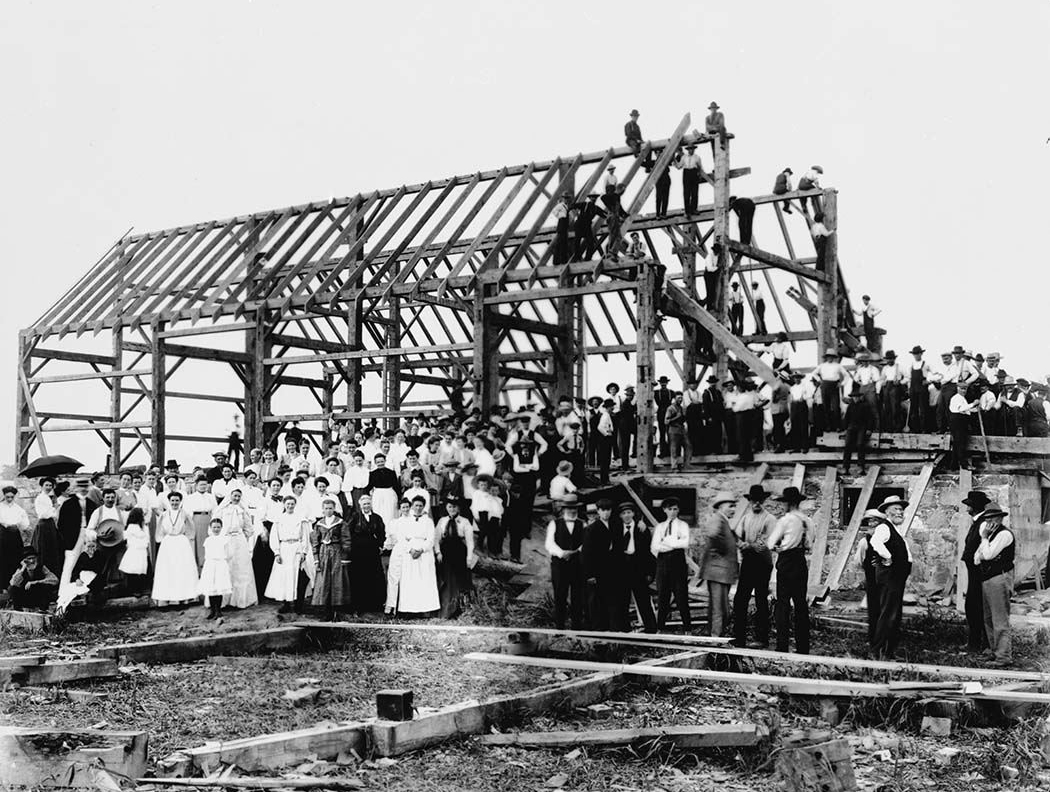
Alexander W. Galbraith, Barn Raising in Lansing (circa 1900)
We are just weeks away from a consequential midterm election, and like you I find myself increasingly frightened by what is happening to American democracy. The Trump administration continues to test the limits of presidential power and the institutions designed to constrain it. Enormous wealth increasingly buys access and influence. The rush to build massive data centers, while communities contend with their demands for power, water, and land, is only the latest obvious manifestation. Rules and norms that once seemed durable suddenly seem much less so. And all around me I hear thoughtful people wondering whether anything they do can possibly make a difference.
That last part may frighten me most. Lately I’ve been wondering what happens when enough people conclude that nothing they do matters.
Carlyn Beccia recently introduced me to a useful idea she calls the “asshole threshold.” Cooperation works when most people believe that other people will cooperate too. But when enough people cheat, exploit, lie, or simply look out for themselves, cooperation begins to seem foolish. Why follow the rules when the assholes don’t?
Eventually the cooperators begin to defect too. That sounds uncomfortably familiar. But there is another side to the story. Research on cooperation suggests that cooperators become more resilient when they find one another, interact repeatedly, and discover that cooperation can actually work.
I keep thinking about what this means for community. Maybe one reason so many of us feel powerless is that we experience the enormous problems confronting us as individuals. Climate change. Concentrated wealth. Threats to democracy. Each is far beyond anything I can affect by myself.
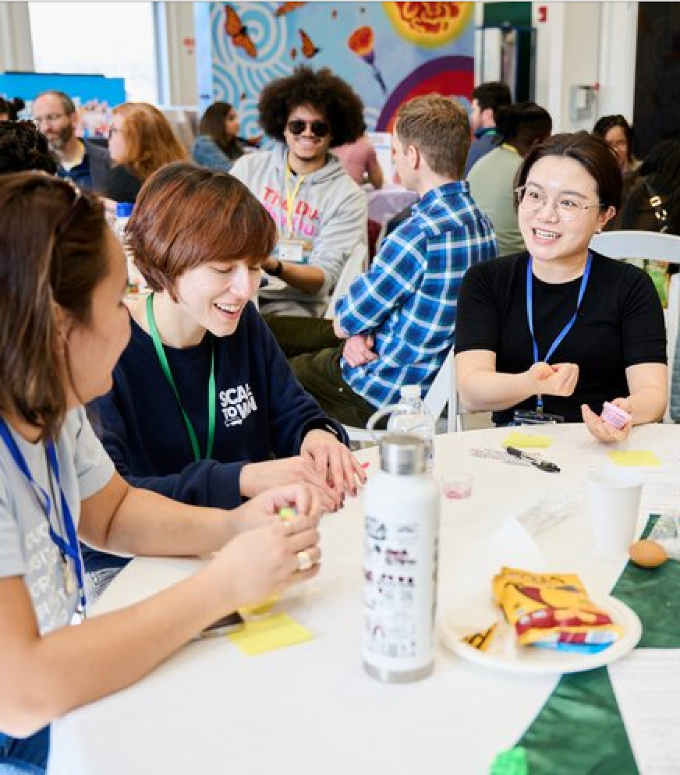
But community changes the scale of the question. You show up. You meet people you didn’t know. Someone listens. Someone knows something you don’t. Someone has a skill, a relationship, a building, a truck, a garden, an idea. You begin to discover what exists among you. You imagine something that none of you could accomplish alone.
And then you do something. Something changes. That experience matters. The question shifts from What can I possibly do? to What might we be able to do together?
Maybe this is what start where you are really means. Whenever people have a chance to know one another, discover what they have among them, imagine what might be possible, and accomplish something together, they experience their own collective capacity.
These experiences are still far too rare. But each one provides evidence that cooperation works. Perhaps hope isn’t something we need to convince one another to feel. Perhaps it is something we create together.
civics, civic capacity
Community is built one gathering at a time.
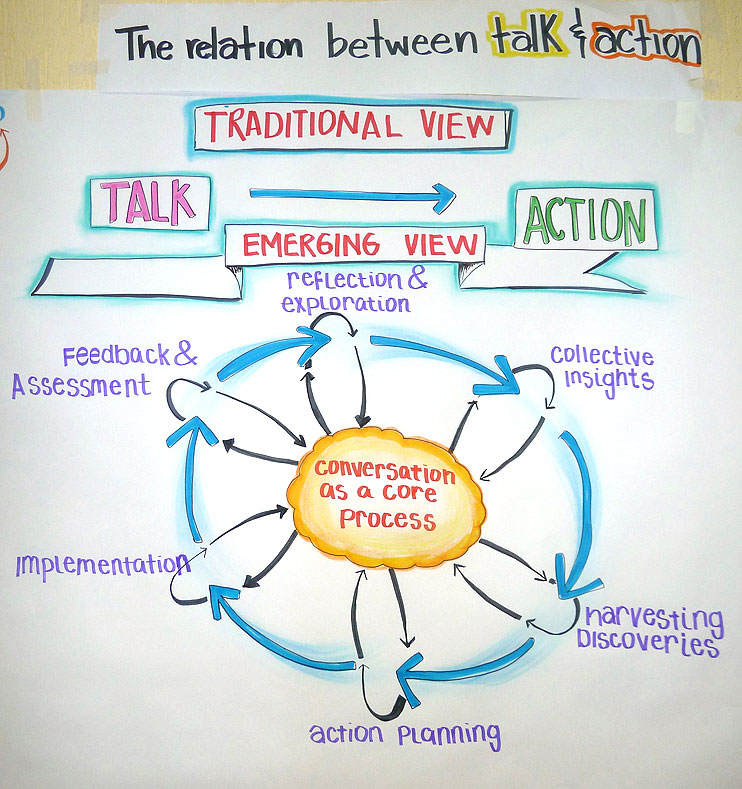
I like Peter Block’s contention that a community’s capacity to create its future resides not primarily in its leaders, but in its citizens and their relationships. In Community, he proposes the small group as the unit of transformation: bring people together, ask questions that matter, discover what each can contribute, and create something together. The experience shifts people from waiting for solutions to discovering their own capacity to act together.
BOOK: Community: The Structure of Belonging
CIVICS, SOCIAL INTELLIGENCE
The opposite of helplessness may be connection.
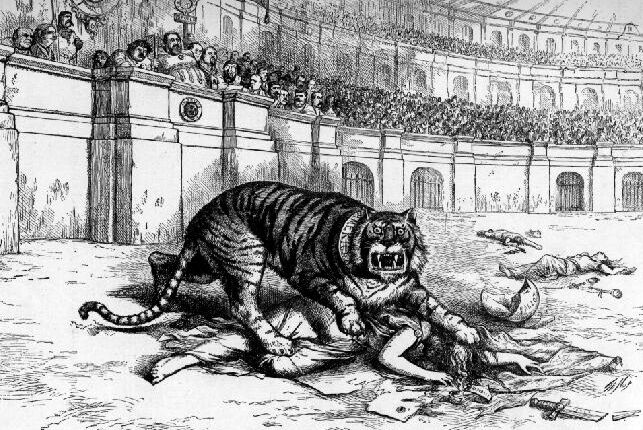
Carlyn Beccia warns that when corruption and self-dealing become common, cooperation starts to look foolish. But drawing on Robert Axelrod’s game theory and the civic organizing of the Gilded Age, she finds reason for hope: cooperation becomes more resilient when cooperators find one another and keep showing up. I like her suggestion that community may be where we find evidence that cooperation works—and where we rediscover our collective power.
ARTICLE: Has America Crossed the Asshole Threshold?
CIVICS, ASSET-BASED COMMUNITY DEVELOPMENT
Look what we've got.
Asset-Based Community Development turns the usual approach to community building on its head. Rather than beginning with problems and deficiencies, John McKnight and Jody Kretzmann begin by discovering the people, relationships, skills, knowledge, spaces, and resources already present. In the process, people discover one another and begin connecting capacities that had been scattered and unseen. The question shifts from What do we lack? to What might we do with what we already have?
ARTICLE: Asset Based Community Development (ABCD)
CIVICS, SOCIAL TECHNOLOGY
Your backyard is wilder than you are.
Over the past fifty years, practitioners have developed radically different ways for groups to think and act together. World Café, Open Space, Circle, Appreciative Inquiry, Liberating Structures, and other “social technologies” replace arguing competing points of view with practices that help people listen to and learn from one another. Their premise is radical: change the way people come together, and you can change what they become capable of doing together.
FOLLOW THE THREAD
One liners
ARTICLE: Twenty-nine ordinary residents of Snohomish County spent three weekends learning about artificial intelligence and emerged with 35 recommendations for how their government should use it.
ARTICLE: A Phoenix woman started inviting neighbors into her yard to talk, and those conversations eventually turned a vacant city lot into a community garden.
ARTICLE: A dozen California neighbors skipped the usual fight with a developer, pooled $50,000, bought the land themselves, and turned it into a permanent nature preserve.
ARTICLE: When a heat wave hit Watertown, Massachusetts, neighbors collected unwanted air conditioners from other neighbors, then delivered and installed them free for people who needed them.
ARTICLE: After their island’s only grocery store and gas station closed, Anderson Island residents decided the replacement should belong to the community itself.
ARTICLE: Columbus is giving residents $9 million and asking them—not city officials—to decide how it should be spent in their neighborhoods.
*About the photograph
Alexander W. Galbraith photographed this barn raising in Lansing, then a rural community and now part of North York in Toronto, around 1900.
I am moved by what the photograph contains. There is no obvious expert at the center directing everyone else. Instead, scores of people with different roles and abilities have gathered to accomplish something none could readily do alone.
They aren’t discussing community, they are producing it. And the barn is almost beside the point. The tangible product of the gathering is a building. But another product is the experience people take home: we can do things together.
That is a lovely expression of a truth I want to find and celebrate again and again: Community is one of the places where people learn and relearn that cooperation works.
"Progress is people flourishing."
-Ted Gioia
Civic Engagement
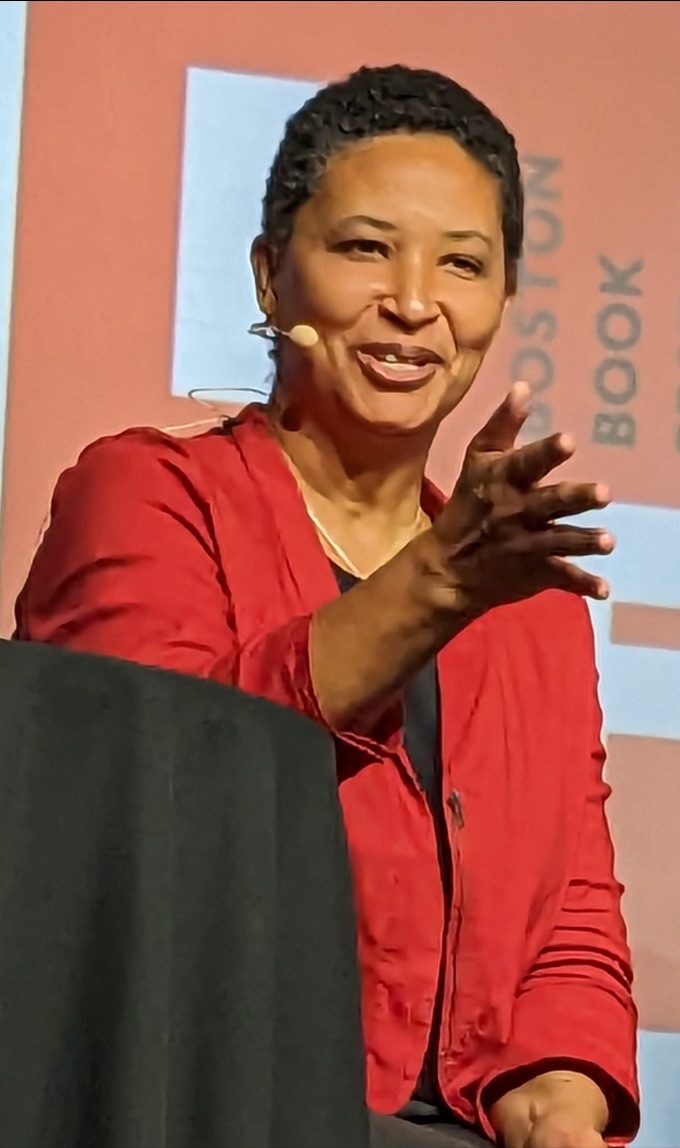
Danielle Allen says ordinary citizens need to step up.
Danielle Allen puts it plainly: democracy’s promise of freedom and equality can only be fulfilled if we show up as engaged citizens. A working democracy depends on participation, collaboration across differences, and continual renewal of our institutions.
ARTICLE: Democracy Teetering on Brink

Free Speech
"Supporting independent bookstores isn’t just about personal consumer choice—it’s civic engagement."
This spring, Kate Broad was six hundred miles into a two-thousand-mile road trip when her phone buzzed with the update she had been dreading.
ARTICLE: A Refuge From Censorship: Why Independent Bookstores Will Save Us
Civic Engagement
“When you are compassionate and generous, society can become compassionate and generous."
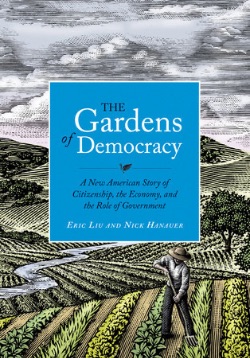
Authors Eric Liu and Nick Hanauer have an idea about what has caused the cesspool that is contemporary politics, and they've got an idea about how to make it better.
BOOK: The Gardens of Democracy
Activism
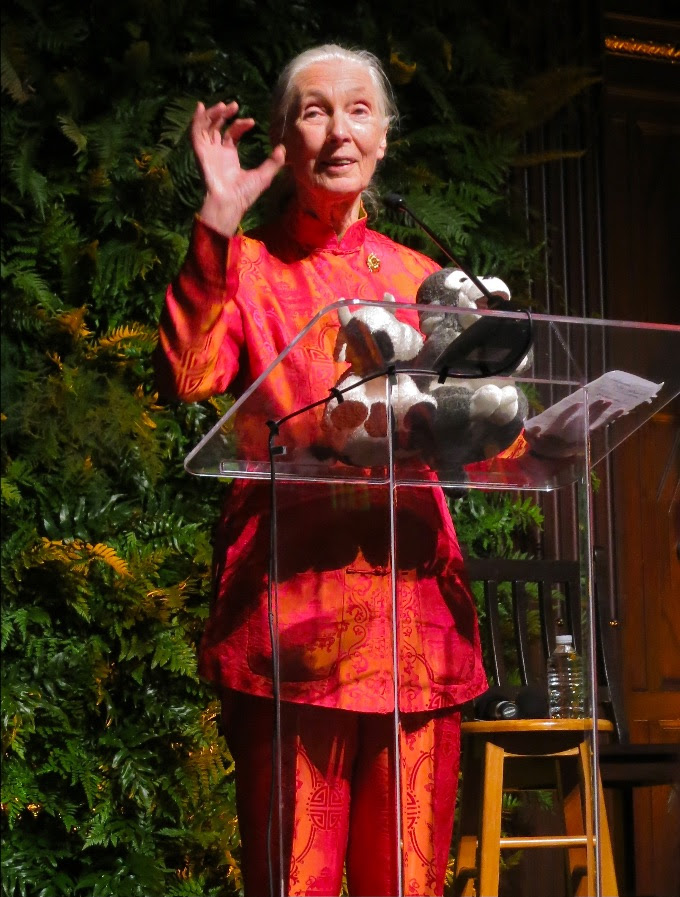
"We have huge power, we of the affluent societies, we who are causing the most environmental damage."
Jane Goodall warns that the greatest threat to our shared future is apathy. She is especially concerned about those with the means to act who instead choose inaction. While it’s easy to feel small as one person among billions, she insists that each of us can make a difference—by replacing apathy with hope and action.
ARTICLE: The Power of One
Scenario Planning
Scenario Planning
Creating stories about what might happen in order to shape and change the future, not simply to predict or adapt to it
I first met Adam Kahane in 2012, the same year he published his book Transformative Scenario Planning. Unlike traditional scenario planning, which focuses primarily on prediction and adaptation, Kahane’s approach uses the process not merely to understand the future but to actively shape it.
VIDEO: Transforming the Future with Adam Kahane
Media
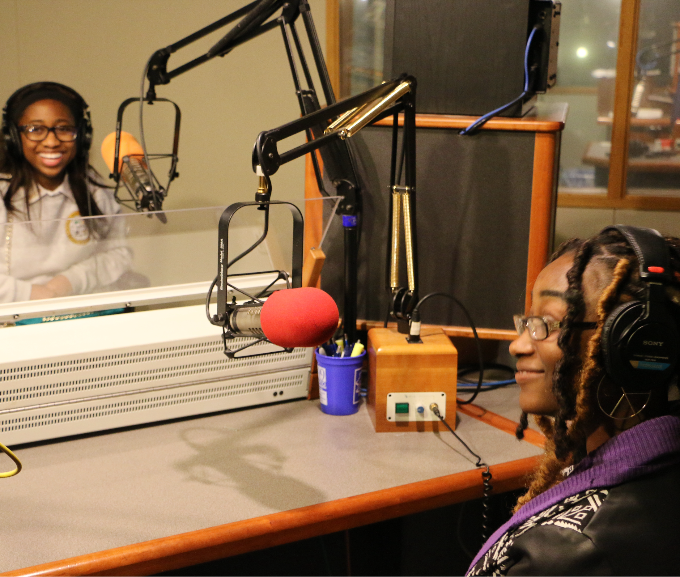
Empowering communities through reliable and impactful information
Many U.S. communities—especially marginalized ones—lack access to reliable, relevant news. These “news deserts” leave people invisible to mainstream media. Even where local journalism exists, it often overlooks diverse voices vital to civic life.
WEBSITE: The Listening Post Collective
Media
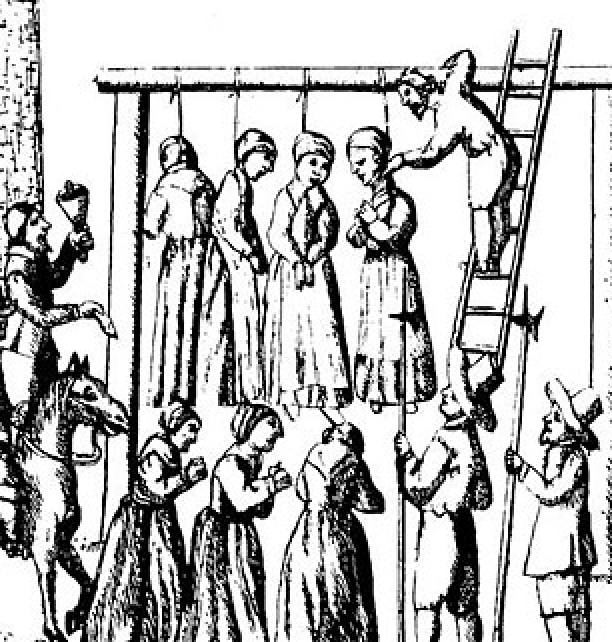
Striking parallels link witch-hunt falsehoods to today’s online misinformation.
Julie Walsh says that we have been here before. Writing in The Conversation, she draws stark parallels between the witch hunts in early modern Europe (1400–1780) and today’s misinformation crisis on social media. Both were fueled by new media technologies—the printing press then, social platforms now—that enabled rapid spread of sensational and harmful content.
ARTICLE: From Printing Presses to Facebook Feeds: What Yesterday’s Witch Hunts Have in Common with Today’s Misinformation Crisis
Empathy
What if they gave a war and nobody came?
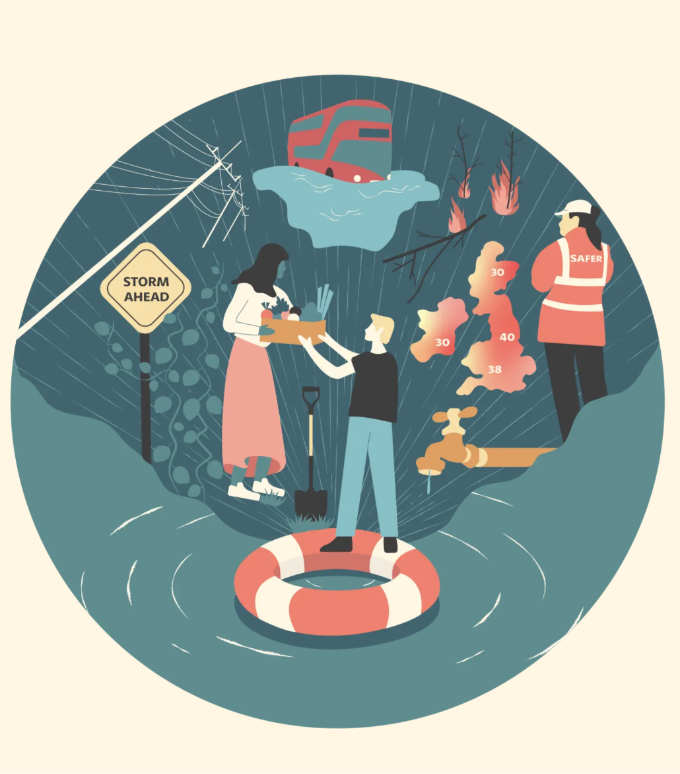
Billions now see that our political and economic systems can’t stop the climate chaos already underway. Richard Heinberg, Senior Fellow at the Post Carbon Institute, says this is a moment for people to drop their "us vs. them" attitudes, because we share these risks. It would be harder to stoke homicidal zeal, he says, if everyone understood that behind all our hostilities is the simple, though stark, reality that humanity faces climate change and resource depletion.
ARTICLE: Let's (Not) Choose Sides and Fight
Government
What if the true purpose of governance was not control—but connection?
File this under utopian thinking. Michael Paredrakos, a self-described “dyslexic 360-degree brand and communication strategy consultant,” shares a sweet and compelling vision of a government built on care, trust, and relationships. It’s a clear break from politics as usual.
ARTICLE: What If Governments Were Designed To Care? What If Governments Were Social First?
Libraries
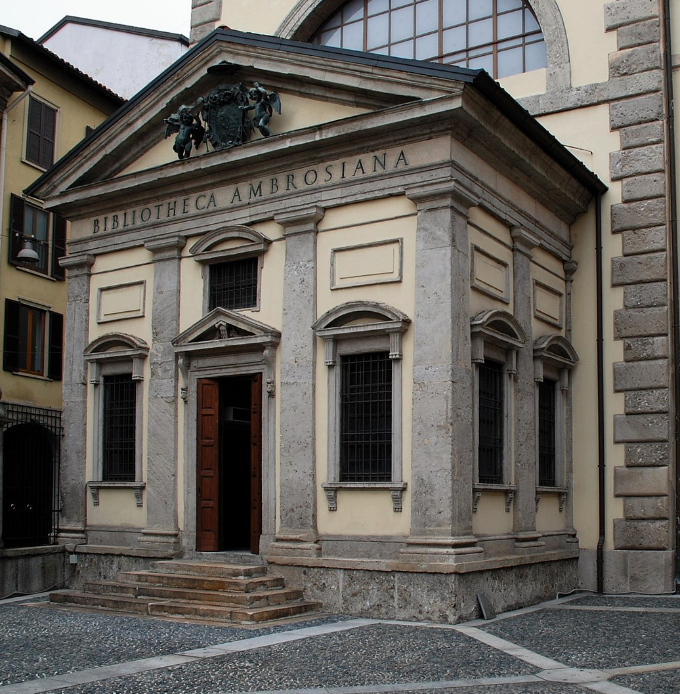
The library’s enduring role in cultural and civic life
Anthony Grafton is a historian and scholar of early modern Europe. A tireless advocate for the humanities, his research deepens our understanding of how learning, scholarship, and historical awareness have evolved in the West.
ARTICLE: No Cheese Please
Mindfulness
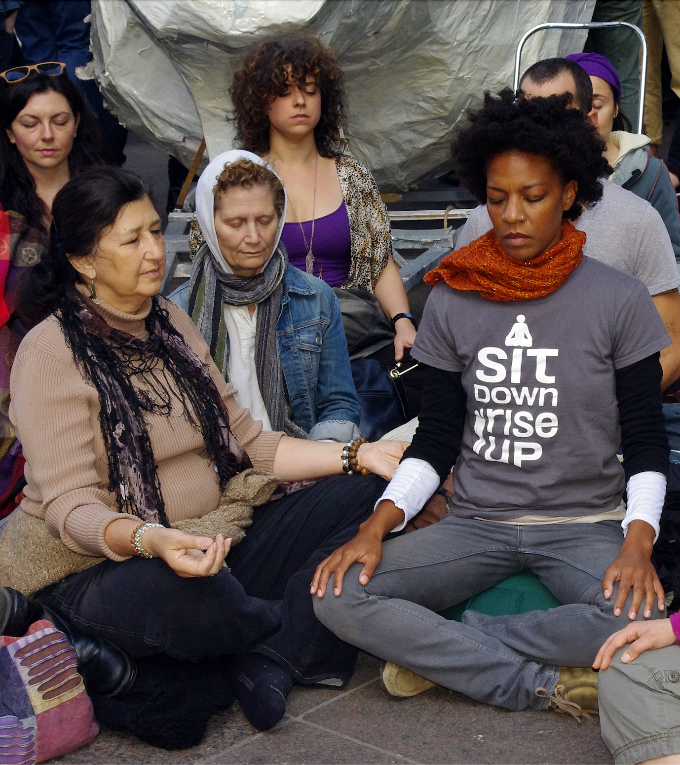
How mindfulness can support deeper engagement with civic and social challenges
Pavel Chvykov is an interdisciplinary researcher with a background in physics, complexity science, artificial intelligence, and the theoretical foundations of mindfulness. His work explores how complex systems and patterns emerge in both natural and human-made networks. In this article, he traces the evolution of mindfulness from its Buddhist origins in sati—a holistic practice of awareness and ethical discernment—to its present-day form as a secular tool for stress reduction.
ARTICLE: Complexity Science Can Deepen Your Mindfulness Practice
Social Messaging
"The future is the sum of the changes we demand, the courage we display, and how we stand with and for each other."
Both democracy and dictatorship rely on people working together. But collaboration often feels like a lot of effort, so many people avoid it. Yet studies in psychology show that when people receive positive messages about belonging—about who’s included in a group or space—difficult tasks can feel more manageable.
WEBSITE: We Make The Future

