September 18, 2026
Civics
Look what we’ve got.
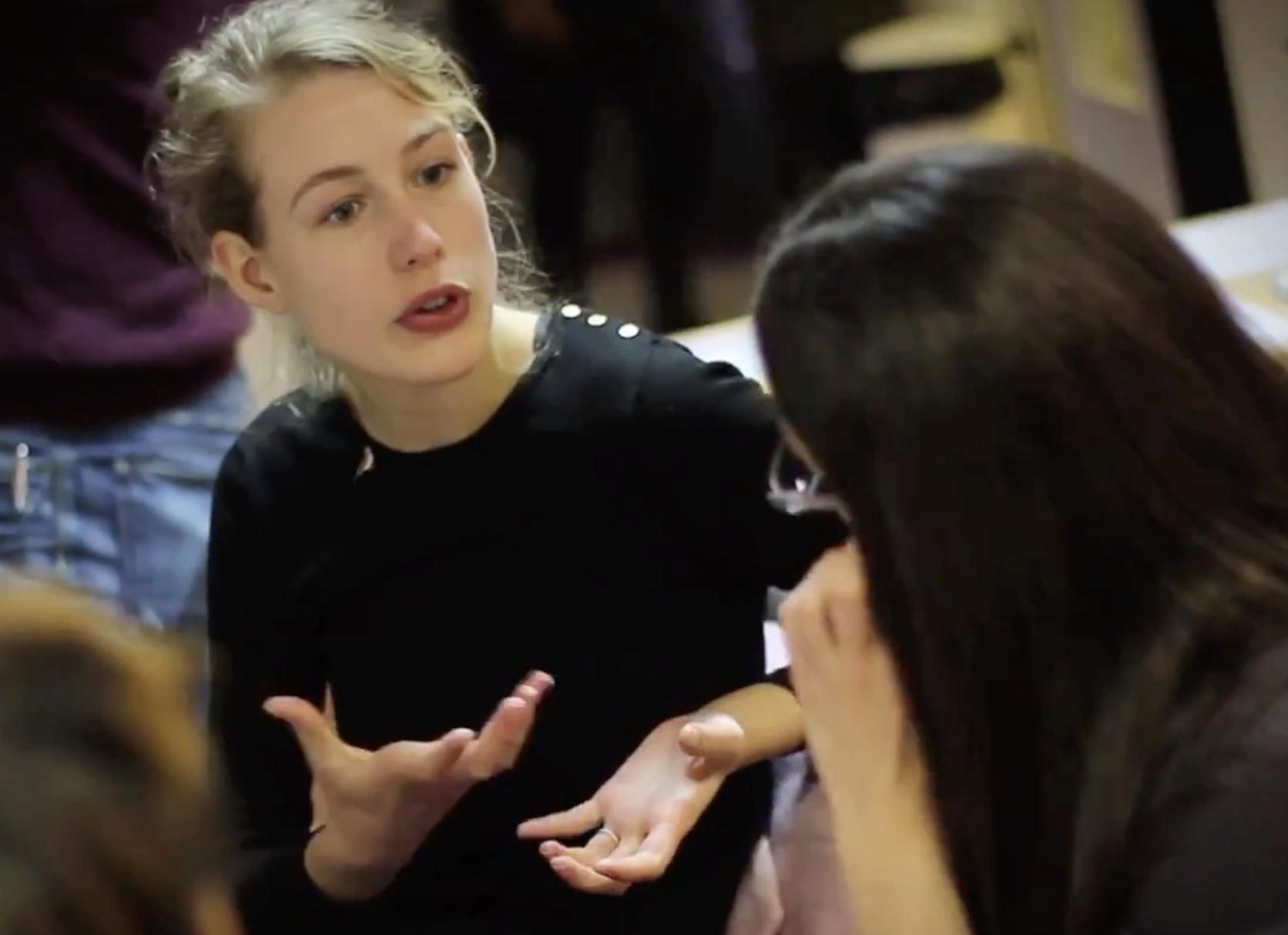
Asset-Based Community Development (ABCD) is built around a radical but underused idea: Every community already contains people, relationships, skills, knowledge, and resources that can be discovered, connected, and put to work. Photo: Nurture Development, a European leader in ABCD practice and strategic partner of the ABCD Institute.
Most efforts to improve communities begin with problems. What is broken? What is missing? Who needs help? What services do we need?
John McKnight and Jody Kretzmann began somewhere else. Beginning with research in Chicago neighborhoods, they spent years studying communities that were managing to solve problems despite limited resources. They noticed that successful community building often began by identifying what was already there: the skills of residents, informal associations, local institutions, physical spaces, businesses, relationships, traditions, and knowledge embedded in the place.
They called the approach Asset-Based Community Development, or ABCD. The distinction sounds simple, obvious even, but it changes the starting point. If we begin by cataloging deficiencies, we quickly arrive at a list of things someone else needs to provide. If we begin by discovering capacities, we start to see things people can do with one another.
An unemployed carpenter knows how to build things. A retired teacher knows how to organize learning. Someone has a commercial kitchen that sits empty at night. Someone else knows every teenager in the neighborhood. The library has meeting rooms. The garden club knows how to grow food. A local business owns a truck. A congregation has a kitchen. None of these is a community plan. But together they begin to reveal what a community might be capable of.
That is what makes asset mapping so powerful. At a time when so many people feel powerless, it turns the usual starting assumption on its head. Instead of beginning with what we lack, we ask what is already here but largely unseen. Who knows how to do what? What relationships, skills, spaces, institutions, tools, knowledge, and experience do we already have? We may discover that we have far more capacity than we imagined.
But something else happens in the process. People aren’t simply discovering assets. They are discovering one another. They begin to see that knowledge, skills, relationships, and resources scattered throughout a community can become something more when they are connected.
And that changes the question. Instead of What can I possibly do? we can begin asking What might we be able to do with what we already have?
Perhaps powerlessness sometimes begins to loosen its grip when we discover that we were never as empty-handed as we thought.
ARTICLE: Asset Based Community Development (ABCD)