August 22, 2025
Civics
"We have huge power, we of the affluent societies, we who are causing the most environmental damage."
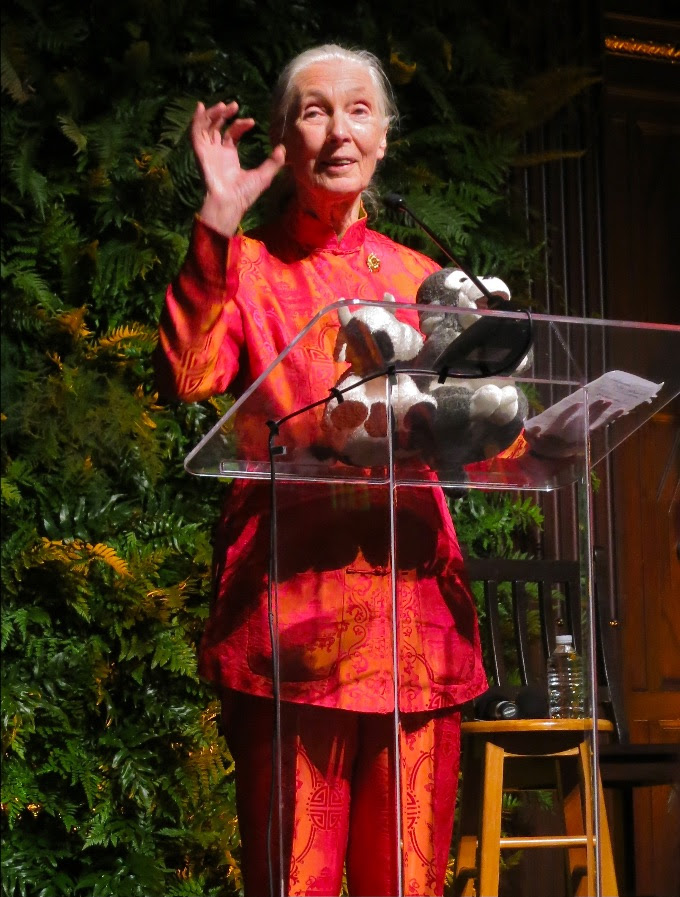
Jane Goodall celebrating her 80th birthday. Image by Steve Jurvetson via CC
Jane Goodall warns that the greatest threat to our shared future is apathy. She is especially concerned about those with the means to act who instead choose inaction. While it’s easy to feel small as one person among billions, she insists that each of us can make a difference—by replacing apathy with hope and action.
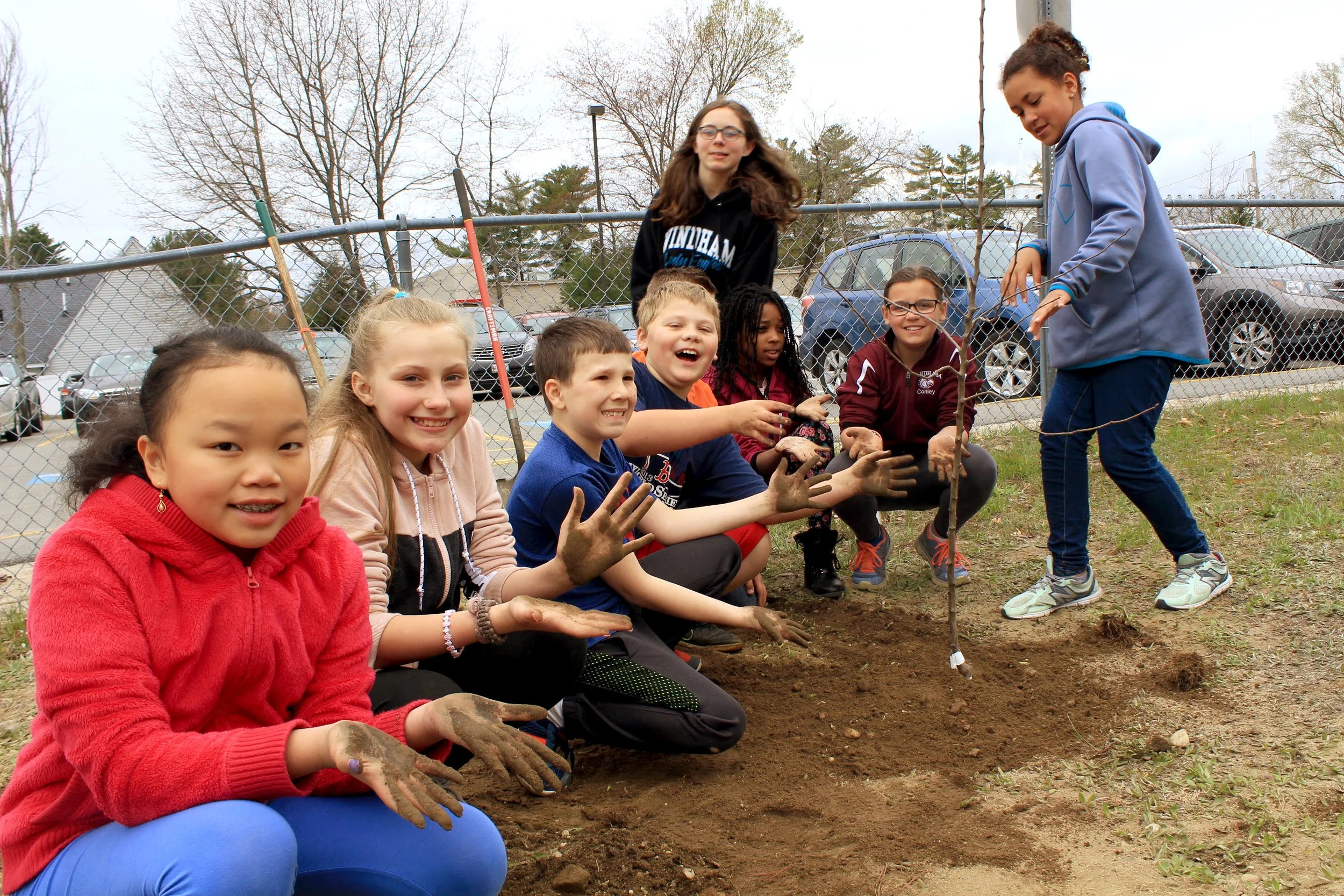
She draws hope from the many ways people are already responding. Around the world, young activists are cleaning up the environment and leading education programs. Affluent consumers are using their influence to push companies toward stronger environmental practices. And grassroots networks—amplified by the Internet—are connecting people who want to create change.
"Can we overcome apathy? Yes, but only if we have hope. One reason for hope lies in the extraordinary nature of human intellectual accomplishment. A hundred years ago, the idea of a 747, of a man on the moon, of the Internet remained in the realm of science fiction. Yet we have seen those things and much, much more. So, now that we have finally faced up to the terrible damage we have inflicted on our environment, our ingenuity is working overtime to find technological solutions. But technology alone is not enough. We must engage with our hearts also. And it’s happening around the world."
ARTICLE: The Power of One