September 18, 2026
Civics
Community is built one gathering at a time.
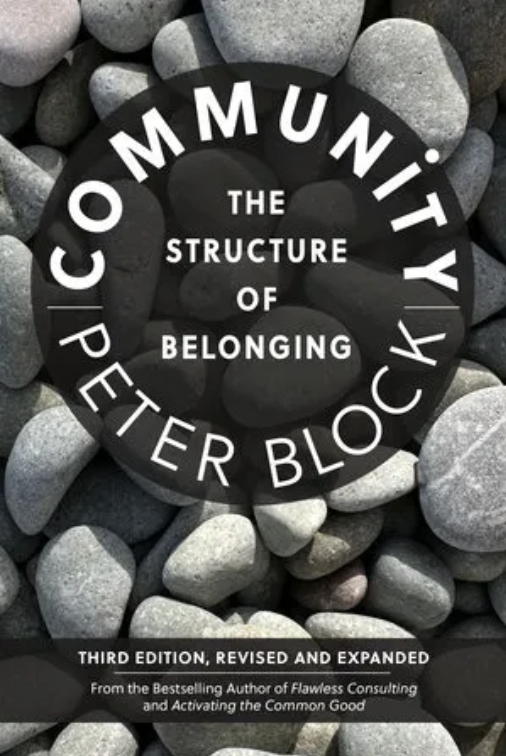
Peter Block spent the first half of his career thinking about organizations. He began as an organizational consultant at Esso in the 1960s, when the field of organizational development was still being invented. His books Flawless Consulting, The Empowered Manager, and Stewardship explored a question that became increasingly central to his work: How do you create organizations in which people take responsibility rather than simply follow instructions?
I wrote briefly about Block’s Community: The Structure of Belonging early last year. I keep coming back to it because the questions he raises feel increasingly consequential.
Over time, Block began wondering whether what he had learned inside organizations might apply outside them. By the time he wrote Community in 2008, he was living in Cincinnati and increasingly involved in civic life. He saw communities becoming fragmented. Government, business, education, health care, nonprofits, and ordinary residents occupied separate worlds. Meanwhile, more and more of the work of community had been handed over to professionals and institutions.
Block thought we were looking in the wrong place for the solution. A community’s capacity to create its future does not reside primarily in its leaders. It resides in its citizens and in the relationships among them.
That changes the job of leadership. Leaders can convene people rather than provide answers. A community can ask what is possible and what each person is willing to contribute rather than concentrating only on what is wrong and who is responsible. Block asks us to stop thinking of residents as clients or consumers of services and instead see ourselves as citizens with gifts, responsibilities, and the capacity to act.
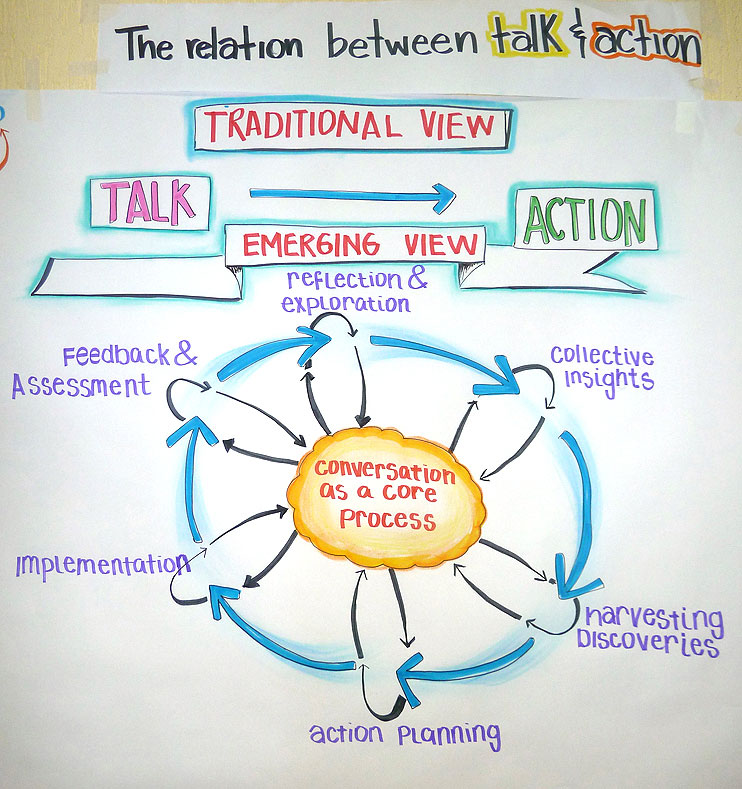
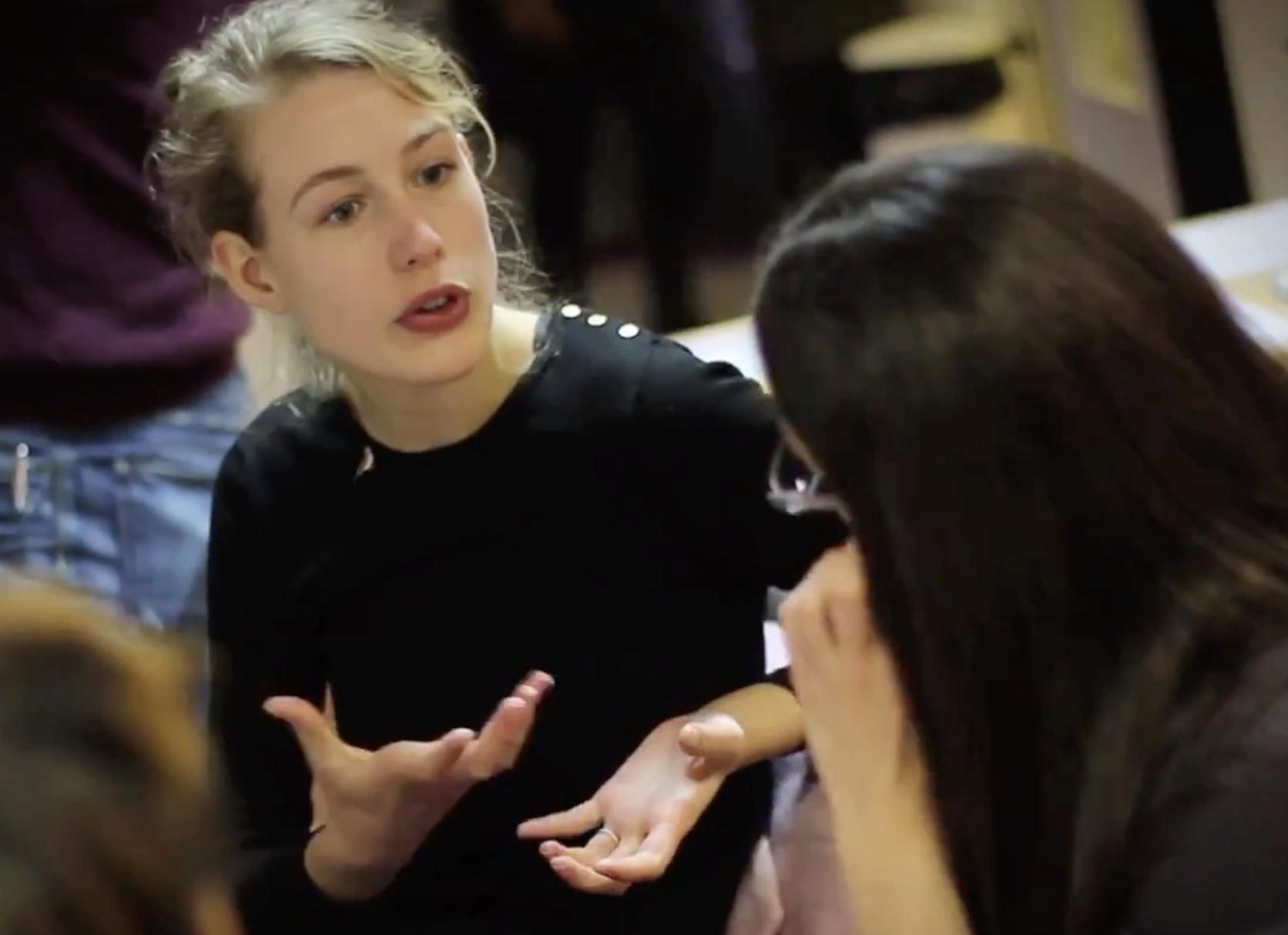
His most provocative idea may be that the small group is the unit of transformation. Community is built one gathering at a time. Put people in a room. Ask questions that matter. Make room for dissent. Invite people to take responsibility for what they care about. Something begins to change. People who arrived expecting someone else to solve the problem can begin to see themselves as participants in creating the future.
This isn’t simply a plea for more public meetings. Block wants to change the nature of the meeting itself. The questions we ask matter. Who we invite matters. How we arrange the room matters. Whether people speak as citizens or representatives matters. Whether the conversation begins with deficiencies or possibilities matters. How we gather affects what we become capable of doing together.
That makes Community feel especially relevant now. So many people feel powerless before problems far beyond their individual reach. Block shifts the question away from Who is going to fix this? He asks what becomes possible when people stop waiting for someone else and begin creating a future together.
And that may matter for another reason. The experience of actually accomplishing something together gives people evidence that cooperation works.
BOOK: Community: The Structure of Belonging