July 24, 2026
Economics
Economies don't simply measure value. They define it.
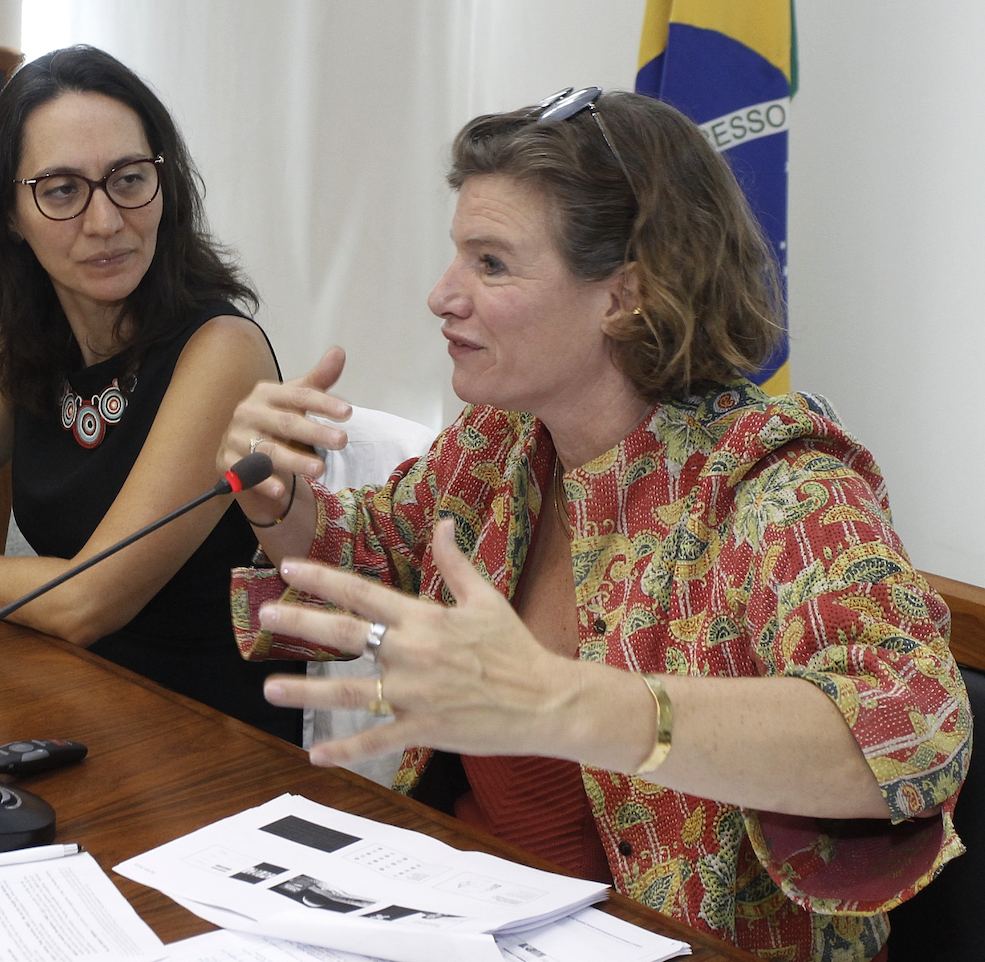
Mariana Mazzucato isn't interested in choosing between markets and governments. She's interested in a more important question: Who creates value, and what kind of value should our economy encourage?
Mariana Mazzucato has spent years challenging one of economics’ most fundamental assumptions. Economies don’t simply measure value—they define it.
Every society decides what kinds of work deserve reward, investment, prestige, and protection. Those decisions, in turn, shape markets, institutions, and the future we build together.
The idea sounds obvious once you hear it. But it changes almost everything.
If we treat extracting wealth as the same thing as creating wealth, we begin rewarding financial engineering over invention, speculation over stewardship, and short-term gain over long-term resilience. Activities that genuinely create public value—raising children, restoring ecosystems, educating citizens, caring for neighbors, building civic trust—are overlooked because markets can’t put a price on them.
Mazzucato isn’t arguing against markets. She is asking us to remember that markets are human creations, not forces of nature. The rules governing ownership, taxation, finance, innovation, and public investment have all been designed. They have changed before, and they can change again.
That perspective is assuringly liberating.
Much of today’s public conversation assumes there are only two choices: leave markets alone or regulate them more aggressively. Mazzucato opens a third possibility. What if our task is to become better designers? What if the real question isn’t how to redistribute value after it’s created, but how to shape an economy that creates the kinds of value we actually need?
That question feels increasingly urgent.
As ecological disruption, political polarization, and economic insecurity deepen, we’re discovering that healthy societies aren’t byproducts of prosperous economies. They are among the conditions that make prosperity possible. Trust, education, functioning institutions, shared opportunity, and resilient communities are not expenses to be minimized. They are productive assets.
Why it matters
Mazzucato reminds us that value isn’t simply discovered. It’s negotiated, institutionalized, and rewarded. Once we understand that, the economy becomes something less like gravity and more like architecture: something people build together, maintain together, and ultimately have the capacity to redesign.
That’s a hopeful thought.
Because if stability, belonging, healthy ecosystems, and strong communities truly matter—and I believe they do—then perhaps the most important economic question of the coming generation is not How do we grow the economy?
It is: How do we build an economy that grows the things life depends on?
BOOK: The Value of Everything