Economics
How we organize ownership, exchange, wealth, and resources—and how economic systems can serve communities while respecting the limits and interdependence of a living planet.
Part of Love & Work's continuing inquiry into what human beings are capable of becoming.
ECONOMICS
The Wealth We Can't Build Alone
Resilient communities, healthy economies, and shared prosperity may be the best investment we can make.

Pandilla Moyobambina, a traditional couples' dance performed during the Fiesta de San Juan in Moyobamba, Peru's San Martín region. Photo by Bill Salazar
A good community insures itself by trust, by good faith and good will, by mutual help. A good community, in other words, is a good local economy.” —Wendell Berry
For generations, wealth promised security. Work hard, invest wisely, build a successful business, and you could create a safe future for yourself and your family.
Today that bargain feels more than a little shaky.
...read more

ECONOMICS, STEWARDSHIP
Business can’t thrive on a burning planet
Capitalism has proven remarkably good at generating wealth. It’s much less reliable at protecting the conditions that make wealth possible.
BOOK: Reimagining Capitalism in a World on Fire
ECONOMICS, COMMON GOOD
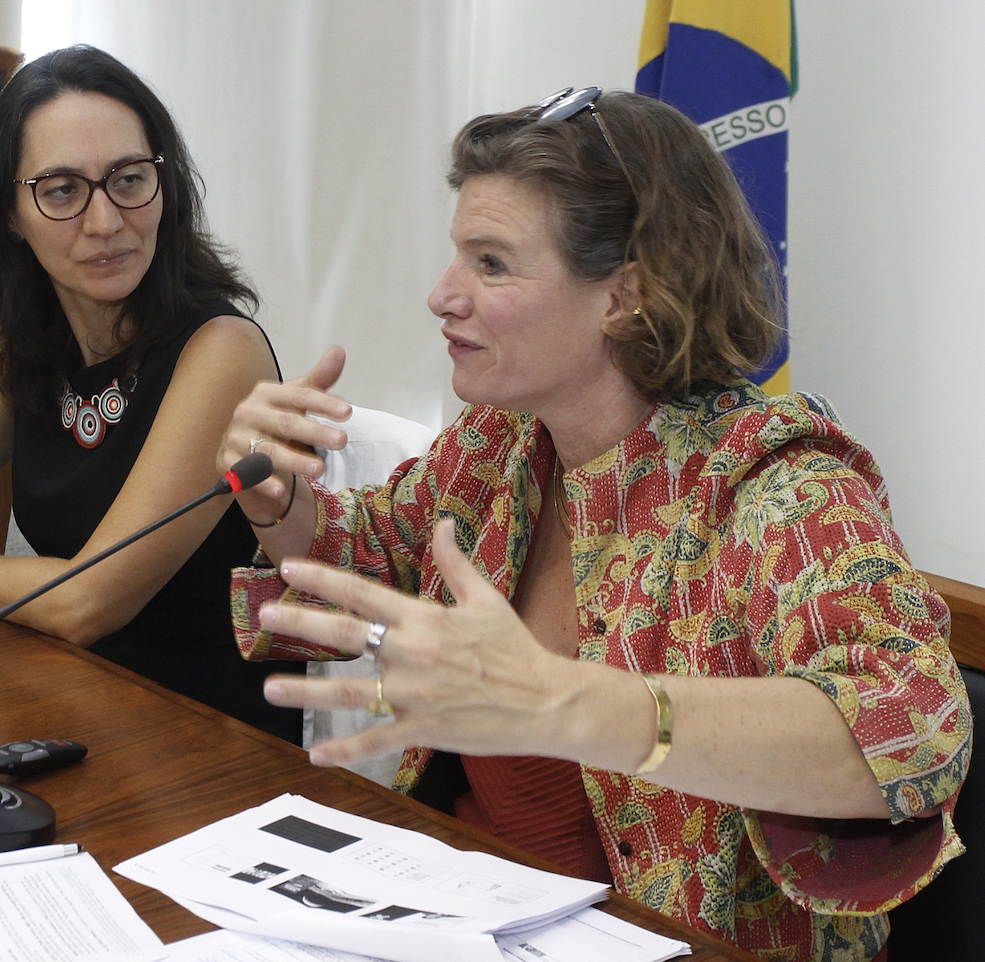
Economies don't simply measure value. They define it.
Mariana Mazzucato has spent years challenging one of economics’ most fundamental assumptions. Economies don’t simply measure value—they define it.
BOOK: The Value of Everything

economics, values
Safe futures are good business.
We often hear that markets reward what people value. But markets can only function well when they rest on values they cannot create themselves. Mark Carney explores what happens when market value begins to crowd out the social and moral values that make markets possible.
BOOK: Value(s): Building a Better World for All
COMPANY, ORGANIZATIONAL strategy
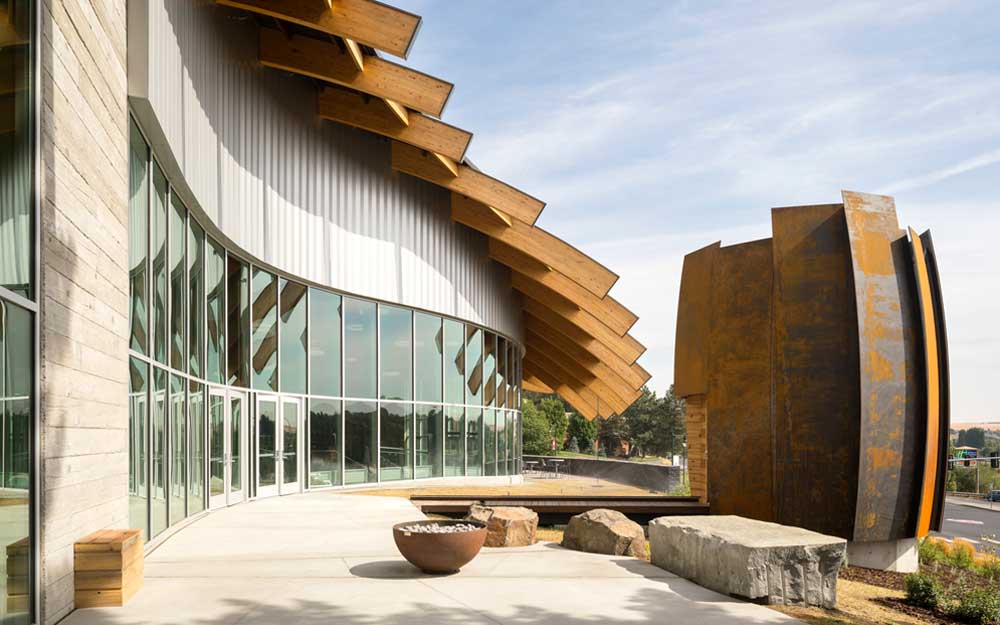
Sustainability is becoming the operating system of resilient organizations.
For years, companies framed sustainability as a matter of corporate responsibility—a way to reduce environmental harm, strengthen reputation, and meet stakeholder expectations.
ARTICLE: Corporate Sustainability Is Now a Resilience Strategy
"Progress is people flourishing."
-Ted Gioia
Government Support
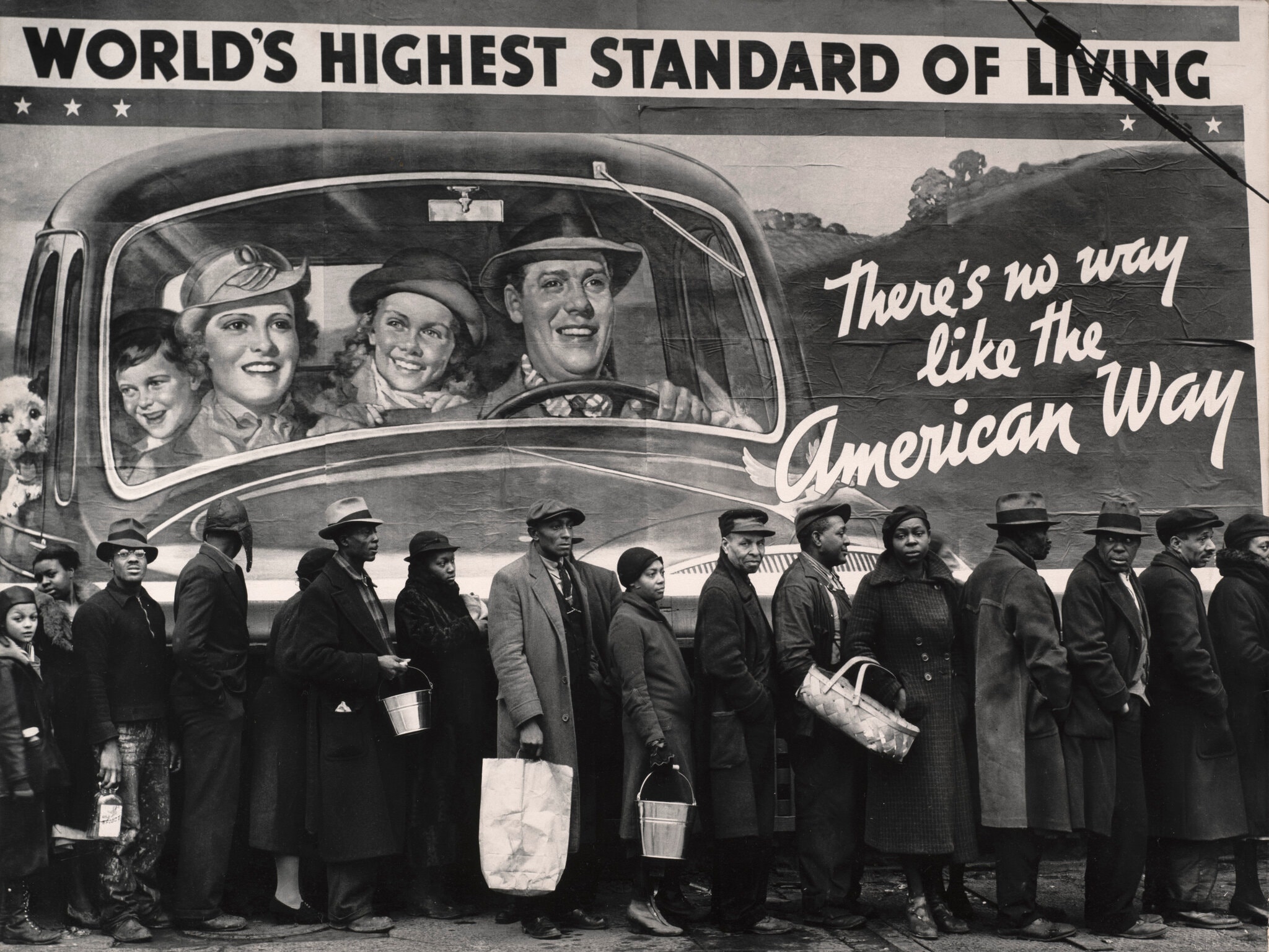
Why can't everyone have well-funded schools, reliable infrastructure, wages that keep workers out of poverty, or a comprehensive public health system equipped to handle pandemics?
"Over a two-decade career in the white-collar think tank world, I’ve continually wondered: Why can’t we have nice things?
ARTICLE: The Way Out of America’s Zero-Sum Thinking on Race and Wealth
Government Support
Why did Spotify and Skype start in Sweden? Because Swedish homes had government-supported broadband.
As Klarna's billionaire founder Sebastian Siemiatkowski prepares to stage one of the biggest-ever European fintech company listings, a feast of capitalism, he credits an unlikely backer for his runaway success: the Swedish welfare state.
ARTICLE: How Sweden Became the Silicon Valley of Europe
Degrowth
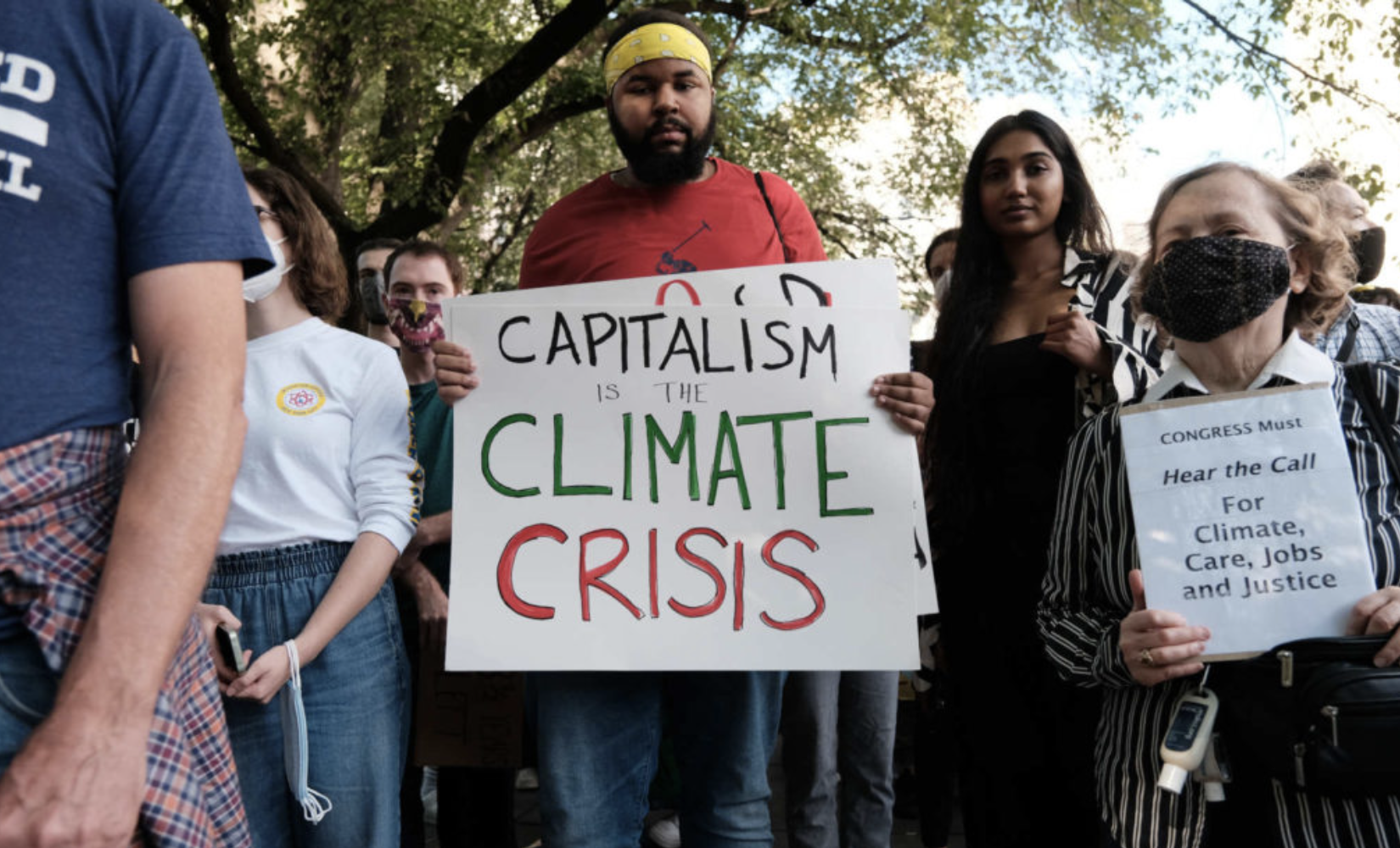
We don't need to sacrifice prosperity, but to redefine it.
Many scientists, politicians, and commentators have disparaged degrowth as unrealistic, and asserted that there simply isn’t enough political will to pursue it. We must act on climate now, they say, and we must act within the parameters of our current economic system. There is no time for a revolution.
ARTICLE: ‘Degrowth’ Isn’t Just About the Economy. It’s About Culture
Restorative Justice
Economic Development
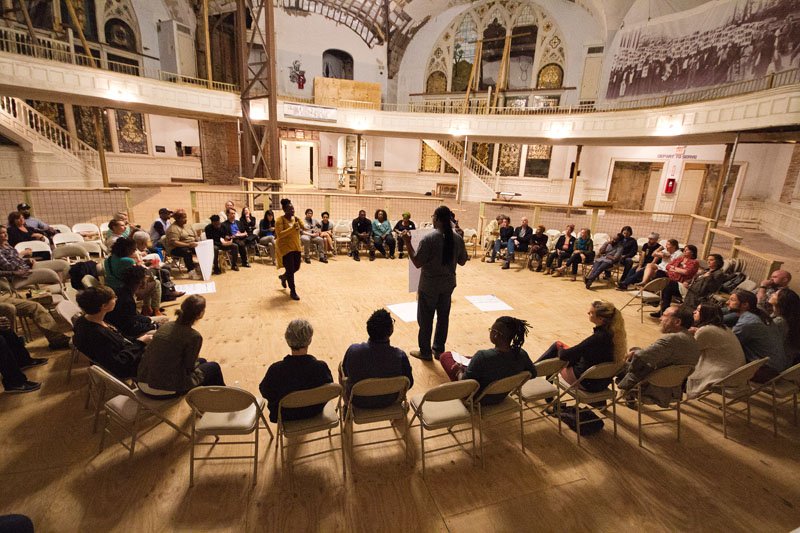
Where restorative justice and economic development meet
The Historic Clayborn Temple served as the home base for Memphis sanitation workers organizing and striking against unsafe and inhumane working conditions faced by Black garbage collectors in 1968.
ARTICLE: Restorative Economics: A Values-Based Roadmap to a Just Economy
Degrowth
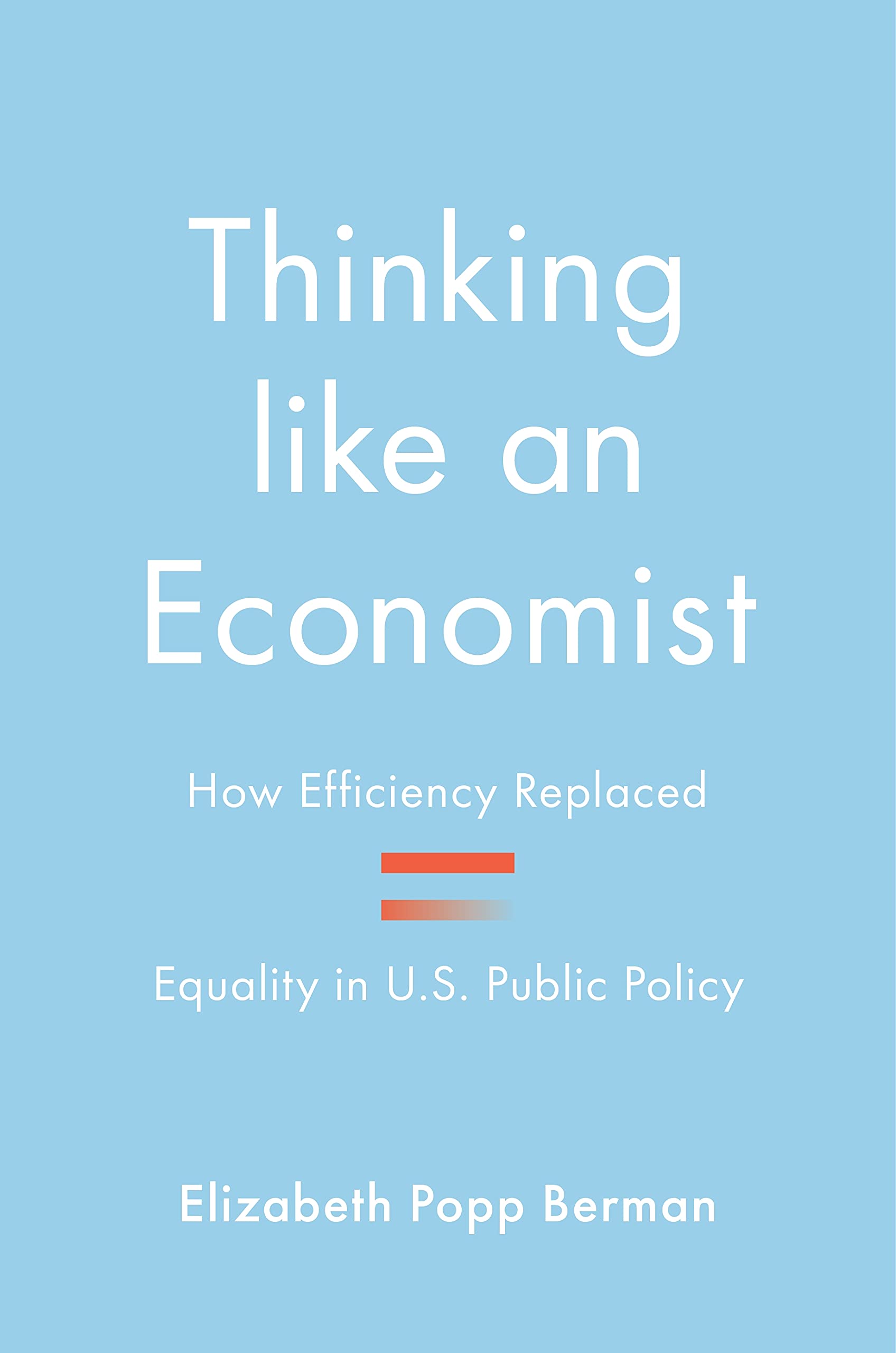
'30 years ago, thinking 'like an economist' would have been taken as good adivice. Today, not so much.'
"When it comes to crafting economic policy, cost-effectiveness, efficiency, choice, and competition have reigned supreme among policymakers for decades. Sociologist Elizabeth Popp Berman says that this style of economic reasoning—prioritizing efficiency above all else—makes good ideas seem like bad policy. She walks us through how that short-sighted style of thinking took hold in DC and explains when policymakers are right to lean on purely economic thinking—and when they should reject it in favor of prioritizing more fundamental values." - Pitchfork Economics
INTERVIEW: How Thinking Like Economists Holds Us Back (With Elizabeth Popp Berman)
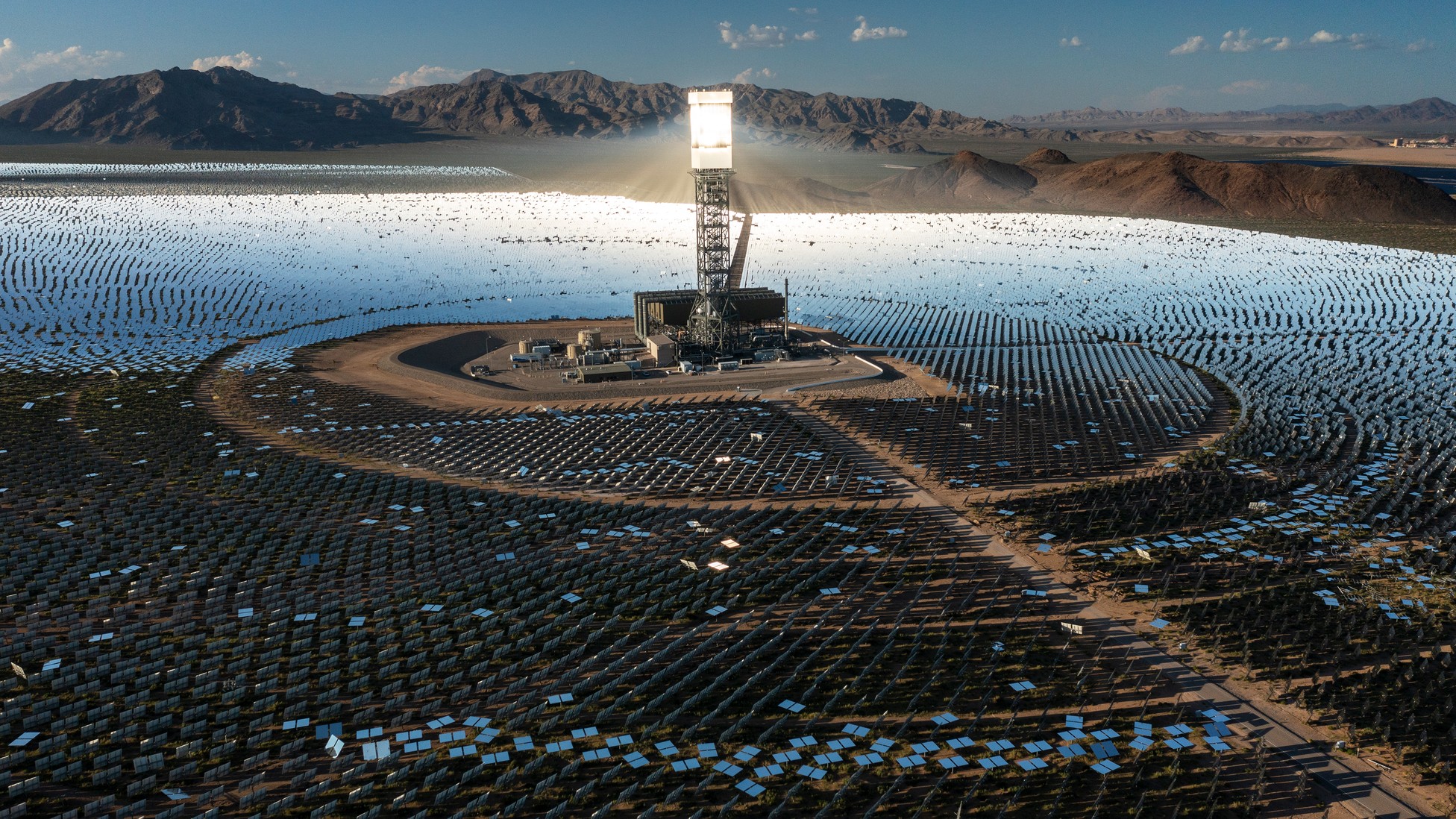
Climate Economy
For big corporations, The Inflation Reduction Act “definitively changes the narrative from risk mitigation to opportunity capture.”
"Late in September, analysts at the investment bank Credit Suisse published a research note about America’s new climate law that went nearly unnoticed."
ARTICLE: The Climate Economy is About to Explode

Token Engineering
Blockchain
Blockchains give us the power to organize around something other than just maximizing returns for shareholders.
"Governments, corporations, and non-profit organizations just can’t seem to crack society’s biggest challenges.
ARTICLE: Token Engineering is the Future of Organizational Design

Income Disparity
'99% of humanity' is worse off due to Covid-19 while the world's 10 richest men have doubled their fortunes during the pandemic.
"In a new report titled 'Pandemic of Greed,' Oxfam offers a grave assessment of the current state of the public health emergency in an effort to bury the notion that the coronavirus is on its way out and normality is on the horizon—a rosy and potentially dangerous sentiment voiced in recent days by the leaders of rich nations and the executives of powerful pharmaceutical companies." - Jake Johnson
ARTICLE: After Two Years of Covid, Report Finds Pandemic Made Far Deadlier by 'Greed'
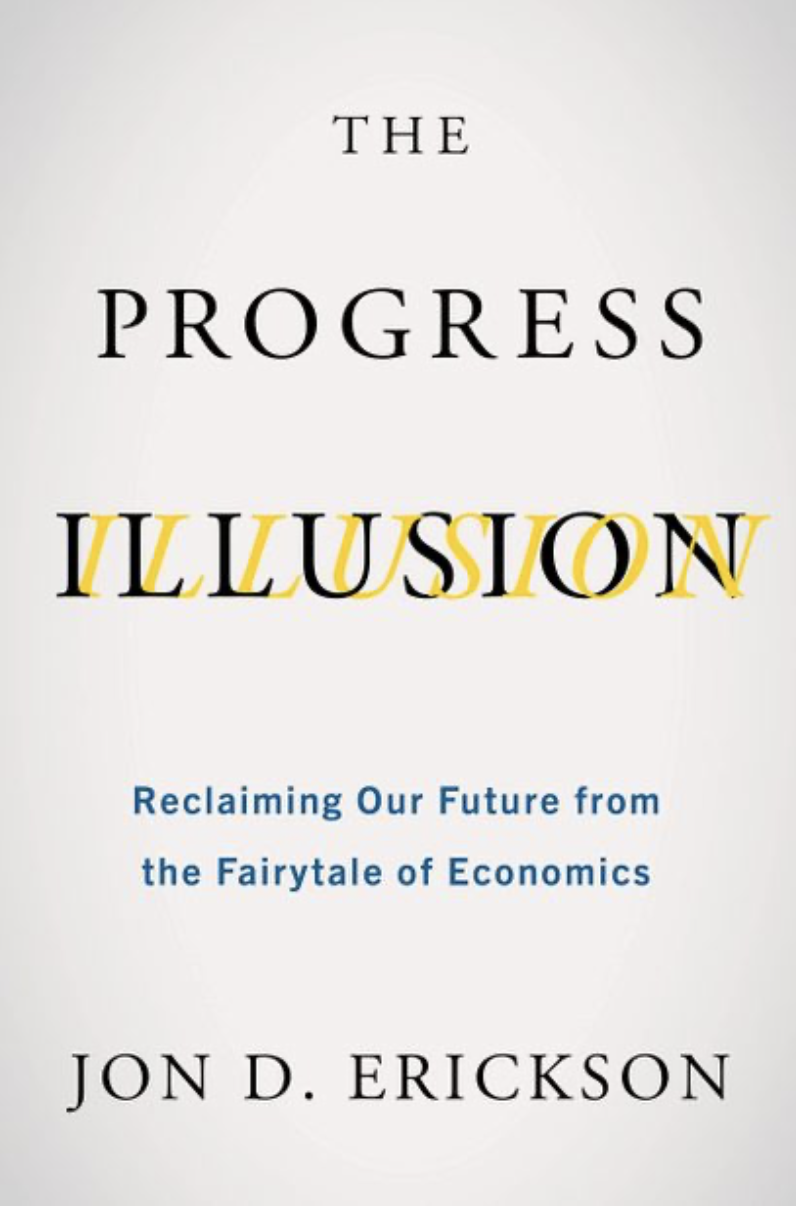
Degrowth
'The goal is people over profit, community over consumption, and resilience over recklessness.'
We live under the illusion of progress: as long as GDP is going up and prices stay low, we accept poverty and pollution as unfortunate but inevitable byproducts of a successful economy. In fact, the infallibility of the free market and the necessity of endless growth are so ingrained in the public consciousness that they seem like scientific fact.
BOOK SUMMARY: The Progress Illusion Reclaiming Our Future from the Fairytale of Economics

Degrowth
Wealthy countries can create prosperity while using less materials and energy if they abandon economic growth as an objective.
Many industrialized countries are now struggling to grow their economies, given economic convulsions caused by the COVID-19 pandemic, Russia’s invasion of Ukraine, resource scarcities and stagnating productivity improvements. Governments face a difficult situation. Their attempts to stimulate growth clash with objectives to improve human well-being and reduce environmental damage.
ARTICLE: Degrowth Can Work — Here’s How Science Can Help

Employee Ownership
Transitioning businesses to employee ownership has the potential to significantly reduce the overall wealth gap as well as the racial equity gap.
For many years now, conventional solutions to income and wealth inequality—minimum wage, unions, progressive taxation, or guaranteed income—have failed to gain enough momentum to reverse the trend of greater and greater accumulation among the already well-off.
ARTICLE: The Case for Investing in Employee Ownership

Circular Economy
How to turn fashion waste into healthy ecosystems
"Beauty, function and non-toxic decomposition coexist in this simple flax flower. We challenge the fashion and textile industries to match that performance."
WEBPAGE: This Initiative Includes Several Pathways That Help Fashion Industries Embrace Decomposition

