May 9, 2025
Culture
Art as resistance and repair
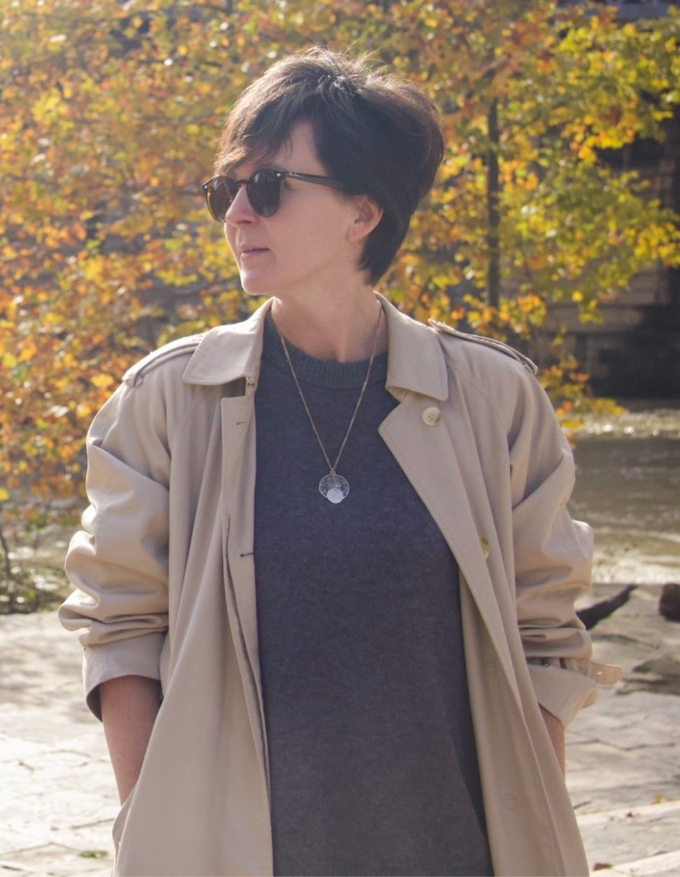
Photo by Chiara Barzini
Olivia Laing is good at blending memoir, cultural criticism, and biography in their work. In Strange Weather: Art in an Emergency, a collection of essays published in 2020, they remind us that art is essential-especially in turbulent times. Art, they offer, can be both a form of resistance to political and social injustice and a source of healing for individuals and communities.
A central theme is art’s power to build empathy and stretch our ethical imagination. Laing doesn’t claim that art automatically makes us better people, but they believe it gives us the raw material for developing deeper understanding and compassion if we're willing to do the work.
I came to the book through Austin Kleon, who wrote about it in a post titled Finding nourishment vs. identifying poison. Laing draws on Eve Sedgwick’s idea of “paranoid” versus “reparative” reading, and Kleon riffs on the theme. Paranoid reading is like doomscrolling—“looping toward dead ends, tautologies, and dread. It proves what we already feared we knew.” While this kind of reading might help us diagnose the present, it rarely helps us imagine a way forward.
Reparative reading, by contrast, is about seeking nourishment more than spotting poison. It doesn’t mean being naive or unaware of injustice—it means remaining open to creating something new and sustaining in even the most hostile conditions.
Yes. We can find—or invent—something new and sustaining out of inimical environments.