culture
The Society We Practice Every Day
Culture isn't just arts and entertainment. It's also the way a society discovers who it is becoming.
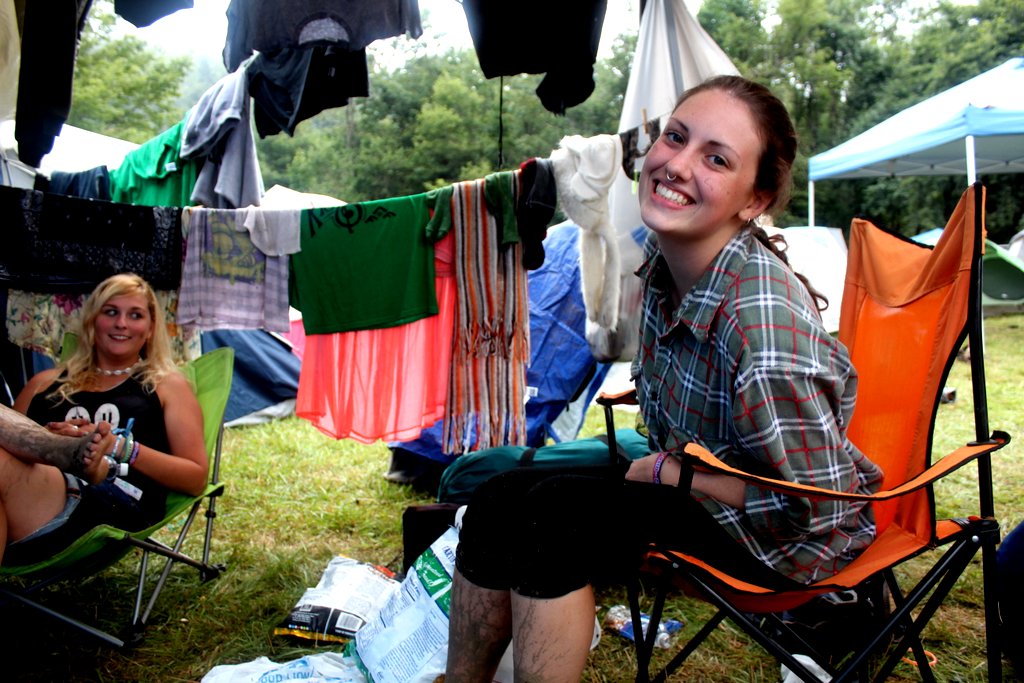
FloydFest 2013, Image by RuralUrbanNatural. Read more*
I’ve been thinking a lot about culture lately—not the arts, exactly, but the invisible patterns that shape how we live together.
The word gets used so many different ways that we can lose sight of culture’s deepest power: its ability to shape what feels normal, possible, and true. Culture isn’t just museums, music, theater, or literature. It isn’t something a society possesses. It’s something a society practices.
Every day we teach one another what is normal. We do it through the stories we tell, the language we choose, the meetings we organize, the neighborhoods we build, the traditions we keep, and the countless small decisions that communicate, “This is how we do things around here.” Over time those choices accumulate until they become common sense.
That’s why I’m starting to think of culture as one of the most practical forces in public life. Long before a new idea becomes law or policy, it usually begins somewhere much smaller. Someone writes a novel. A musician gives voice to a feeling people didn’t know they shared. A teacher experiments with a different way of learning. An entrepreneur builds a company around a new set of assumptions. A neighborhood discovers a better way to solve an old problem.In other words, societies rehearse the future before they build it.
That feels especially true in America. We’ve never been held together by a single ethnicity, language, monarchy, or ancient tradition. From the beginning, we’ve been asking what it means to become we. The answer has never been fixed. Every generation inherits that conversation and adds something of its own.
I suspect that’s why I’m drawn to people who are making culture rather than merely commenting on it. Artists, certainly. But also teachers, librarians, business leaders, community organizers, architects, parents, and neighbors. Anyone who is helping people imagine—and practice—a more generous way of living together.
That’s also what I’m hoping Love & Work can become. Not simply a collection of interesting ideas, but a place where we learn to notice the people, practices, and experiments already pointing toward a more hopeful future. Every week, we borrow a little of their vision so we can see our own lives—and our shared future—with fresh eyes.
culture, shared imagination
Where a society discovers itself
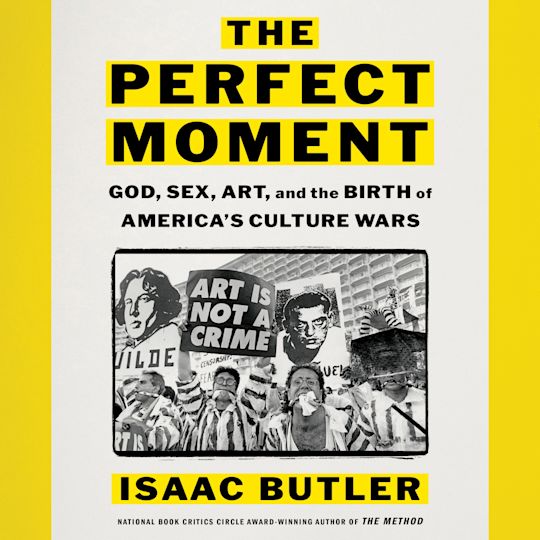
Art, literature, music, theater, and museums are not luxuries, says Isaac Butler. They are how a democracy discovers who it is and what it values. In The Perfect Moment, Butler traces America’s modern culture wars to show that creating a shared culture is itself an act of citizenship.
BOOK: Musicking
culture, creativity
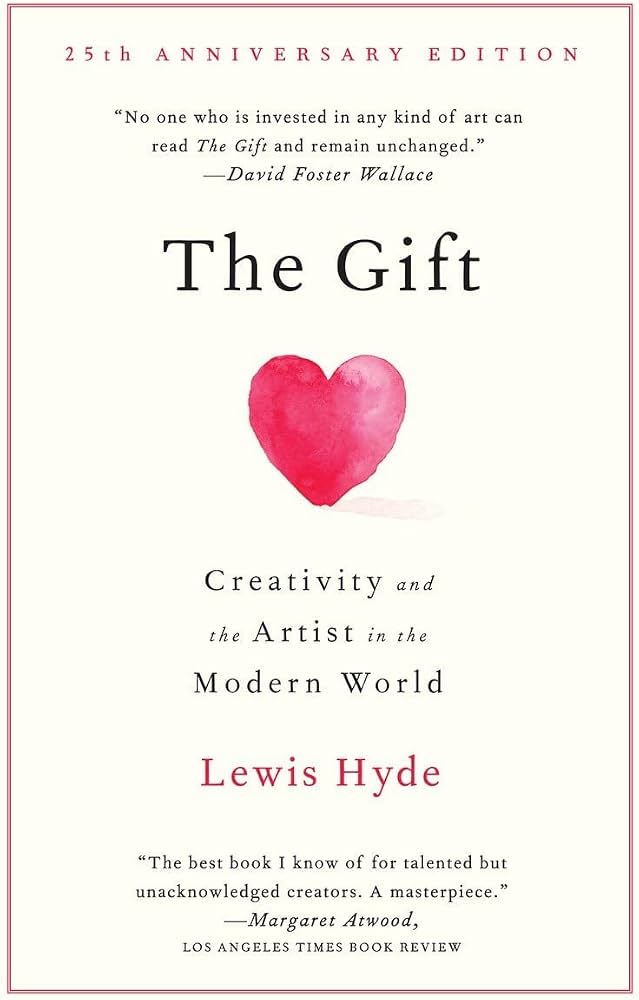
Exchange creates prosperity. Gifts create culture.
Most economies run on exchange. We buy, sell, negotiate, and trade. The transaction is complete when both parties walk away with something of equal value. Lewis Hyde reminds us that culture works differently.
BOOK: The Gift
culture, human flourishing
Culture begins in attention
John Dewey refused to separate art from ordinary life.In Art as Experience, the philosopher and educator argues that art isn’t something confined to museums, concert halls, or galleries. It begins much earlier—with the human capacity to notice, to feel, to make meaning, and to find patterns in experience.
BOOK: Art as Experience
culture, music
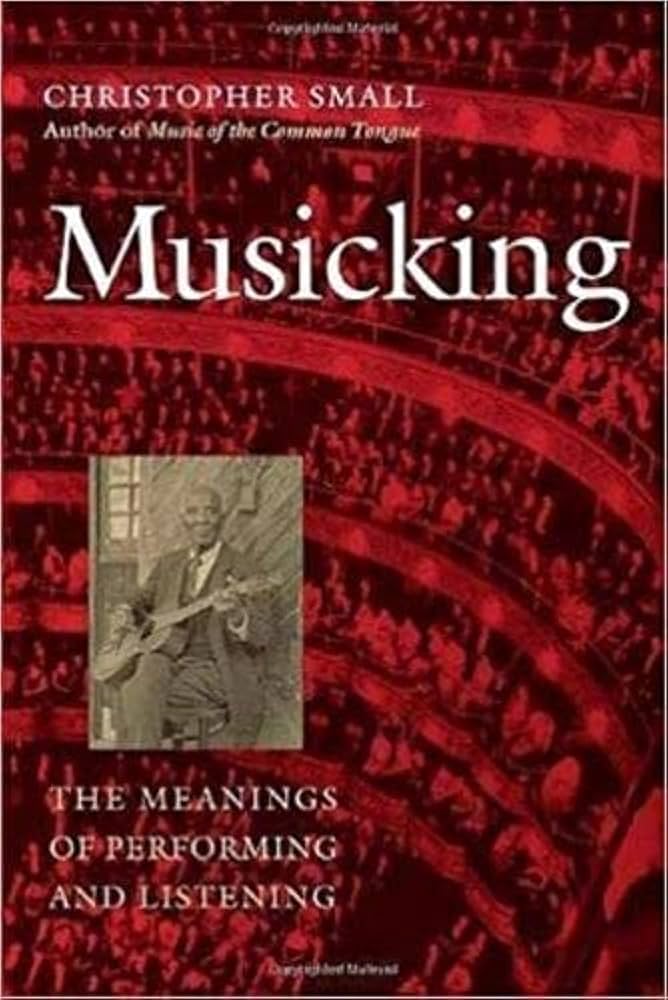
Music isn't a thing. It's something people do together.
Christopher Small asks us to see music not as an object but as something people do together. He calls it musicking: the shared activity of performers, listeners, and everyone involved, through which human beings practice belonging.
Book: Musicking
culture, place
Culture doesn't float above a place. It grows from one.
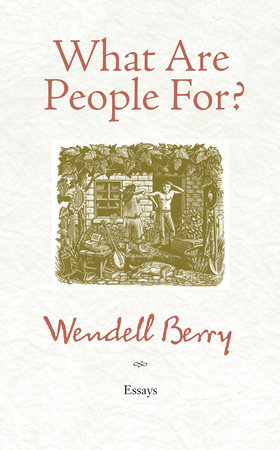
In “The Work of Local Culture,” Wendell Berry reminds us that culture grows from place. Over generations, communities learn what the land supports, what endures, and how neighbors depend on one another. That accumulated knowledge becomes culture.
BOOK: What Are People For?
culture, collective hope
Hope is a discipline.
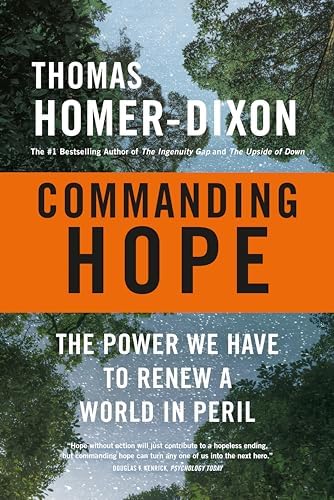
Every society lives by stories about the future. When those stories fail, hope becomes a cultural resource. In Commanding Hope, Thomas Homer-Dixon distinguishes hope from optimism: optimism expects things to work out; hope chooses to act even when we cannot know how the story ends.
BOOK: Commanding Hope
One liners
ARTICLE: In Philadelphia, residents of Germantown are turning their own poems about grief, gun violence, and loss into public art displayed throughout the neighborhood.
ARTICLE: On a street in South London, neighbors opened their homes, gardens, and even a car to artists, turning the entire block into a gallery—and discovering they knew one another better when it was over.
ARTICLE: In Portland, Oregon, the Latinx Choral Project is using community singing to preserve the musical traditions and stories of Latin America while building connections across generations.
ARTICLE: In California, public arts funding is explicitly being used to give more people the opportunity not merely to encounter culture, but to create, participate, and flourish through it.
ARTICLE: In the Catawba Indian Nation, a young cultural knowledge keeper is restoring rivercane basketry by restoring the rivercane itself—reviving culture, craft, and ecology as one practice.
*About the image
Festival-goer at FloydFest, Check, Virginia (2013).
On July 22-26, 2026, FloydFest celebrated more than two decades of music in Virginia’s Blue Ridge Mountains, where Appalachian traditions meet influences from around the world. On any given day, a traditional bluegrass band might be followed by a Malian guitarist, a New Orleans brass ensemble, an indie folk songwriter, or a psychedelic string band. It’s all part of the same conversation.
The festival is equally known for its culture. One longtime tradition is that an empty chair isn’t really empty. If someone leaves to get food or catch another performance, anyone is welcome to sit there until they return. Then you simply thank them and give the chair back. It’s a small gesture, repeated thousands of times over the years. Less about the chair than about the kind of community people are practicing together.
"Progress is people flourishing."
-Ted Gioia
Change and Transition
'The drivers of collapse and renewal are one and the same.'
Nafeez M. Ahmed is the creator of the Age of Transformation, a newsletter offering "systems-thinking for the global phase-shift." He wrote this piece nearly a year ago, before the 2024 U.S. elections, predicting that 2024 would be an inflection point—not only for liberal democracy, but for human civilization as a whole.
ARTICLE: Confronting Fascism in the Final Stage of the Life-Cycle of Industrial Civilisation
Economic Value
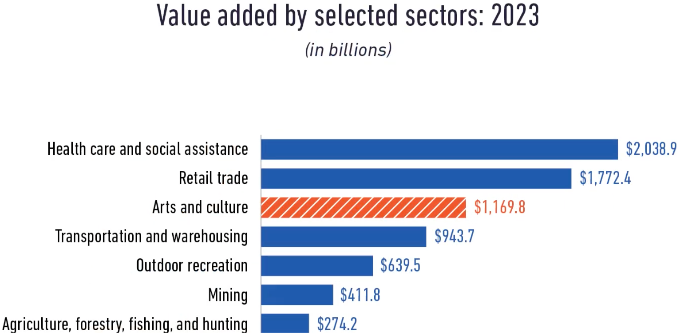
From 2019 to 2023, all 50 states experienced growth in the economic value added by the arts.
Arts and culture add more value to the economy than sectors such as transportation and warehousing, outdoor recreation, mining, and agriculture.
VIDEO: Measure for Measure: Anatomy of a Rebound in the Arts Economy
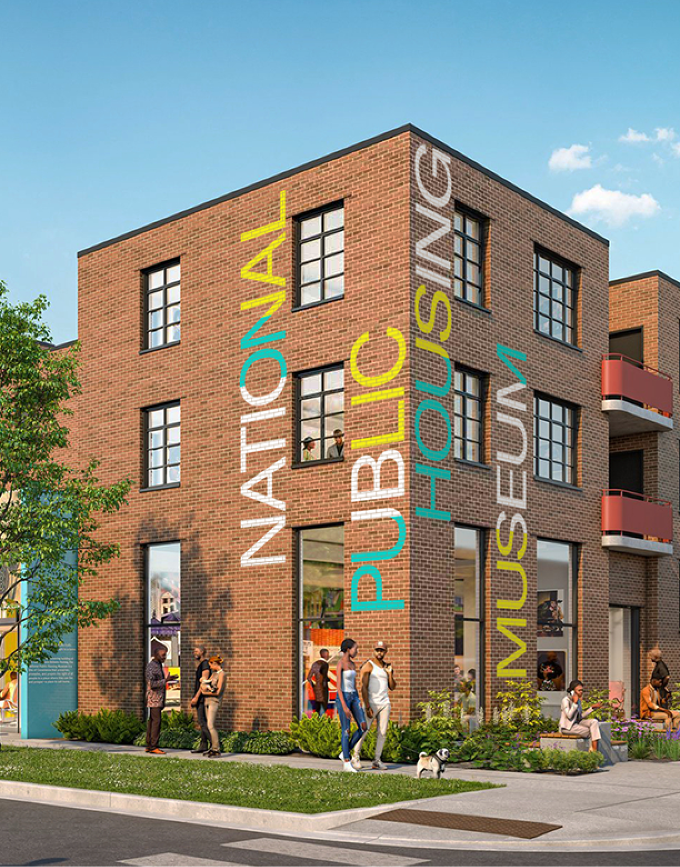
History
Public housing is woven into the fabric of American history. Its policies have shaped generations of families and the communities they call home.
Public housing has often been associated with narratives of poverty, crime, and failure.
ARTICLE: Changing the Narrative: National Public Housing Museum Opens in Chicago
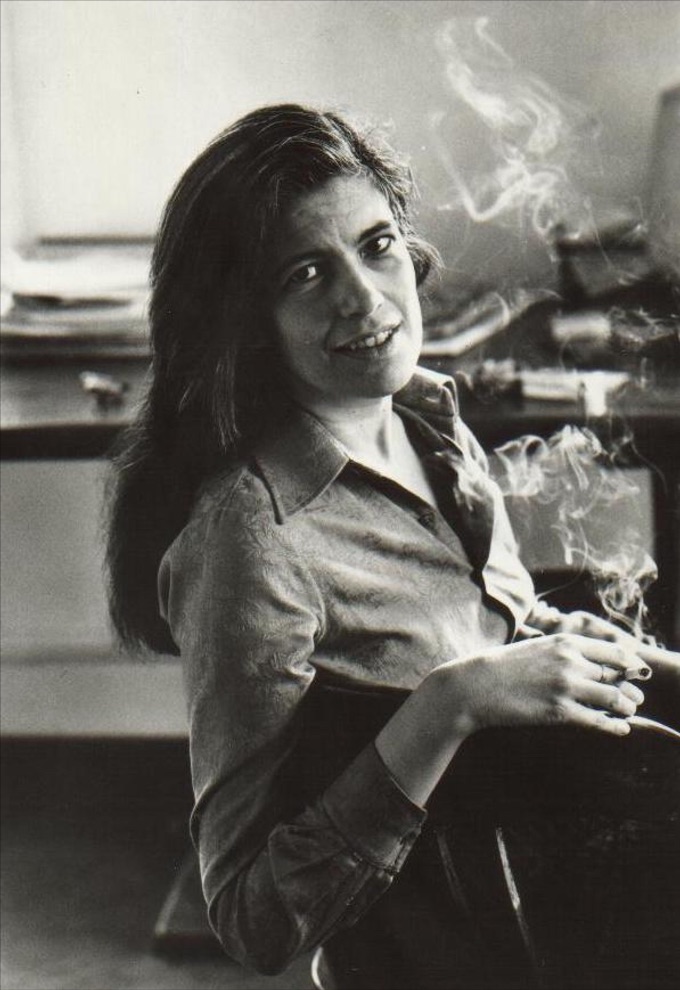
Feminism
The underlying weakness of the very concept of “liberation,” according to Sunsan Sontag
In 1972, Libre magazine—a Marxist journal published in France—invited Susan Sontag to respond to a series of questions on the aims and ideals of global feminism. This post presents her response to one of those questions.
ARTICLE: Susan Sontag: Androgyny Is the Future
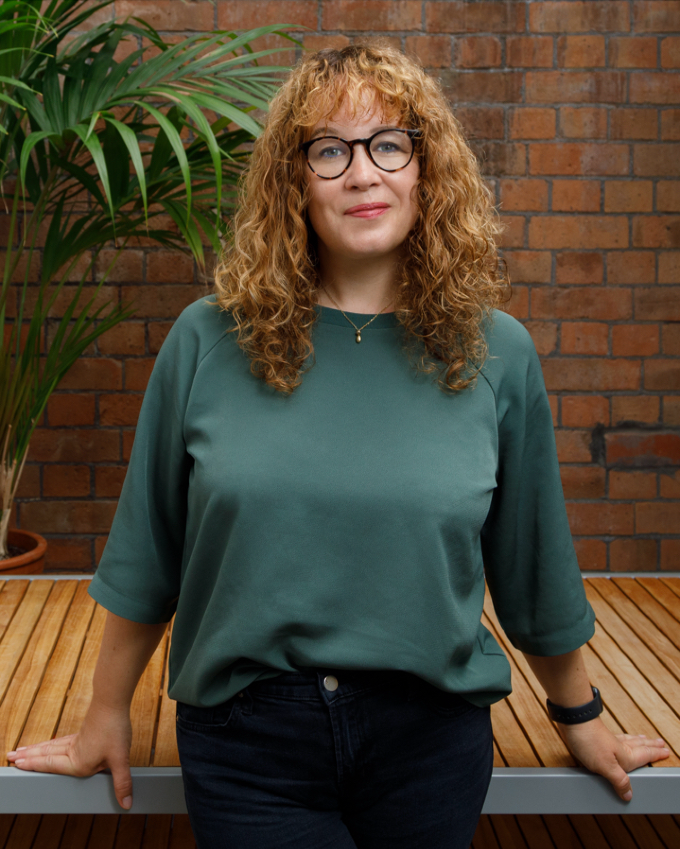
Gender Roles
Mothers share the reality of blending careers with caregiving
The creative industries celebrate hustle stories, but for many moms there’s an unseen struggle: balancing parenting with pitching, nurturing ideas alongside children, and building careers while raising families.
ARTICLE: The Invisible Hustle: How Motherhood Shapes Creativity, Career Paths & the Fight for Flexibility in 2025
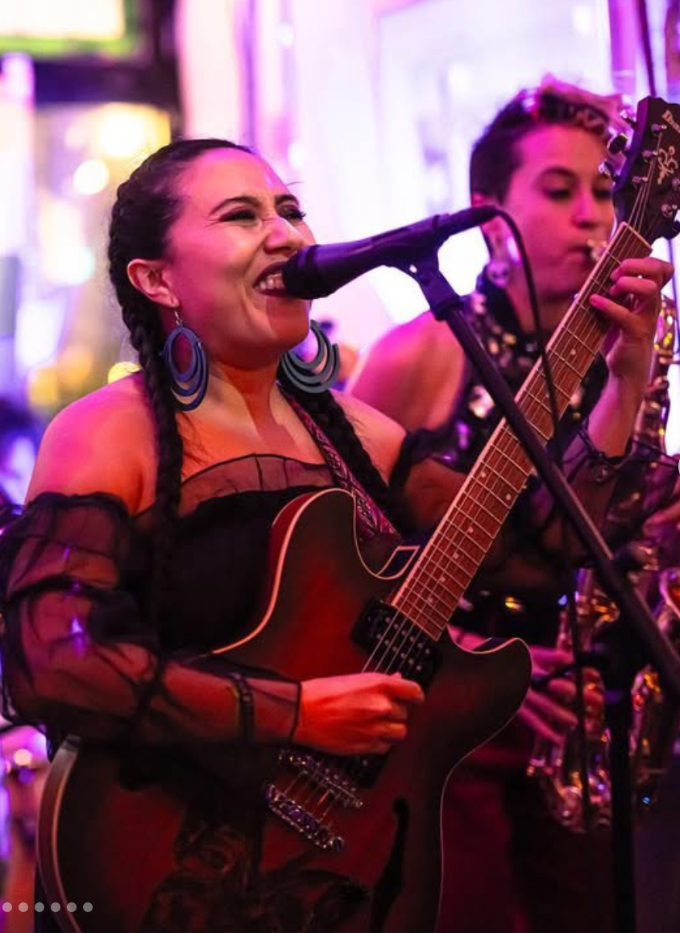
Celebration
“We met as activists, so when we play music together, we also play music for the environment, music for the planet, for saving water … and we are feminists”.
This week my friend and colleague, Emily Miles, and I were sharing weekend highlights. She enthusiastically recounted a Purim party featuring West Philly Orchestra and Mariposas Galácticas at World Cafe in her neighborhood.
ARTICLE: Mariposas Galácticas Honors its Ancestors with Music for Community Empowerment

Gender Diversity
This year show your support of gender diversity by buying your Girl Scout cookies from a trans scout.
The Girl Scouts openly welcome transgender and nonbinary individuals into their membership. As waves of anti-trans sentiment intensify, one meaningful way to support trans girls is by purchasing cookies from transgender Girl Scouts.
ARTICLE/LIST: 2025 Trans Girl Scouts To Order Cookies From
Story
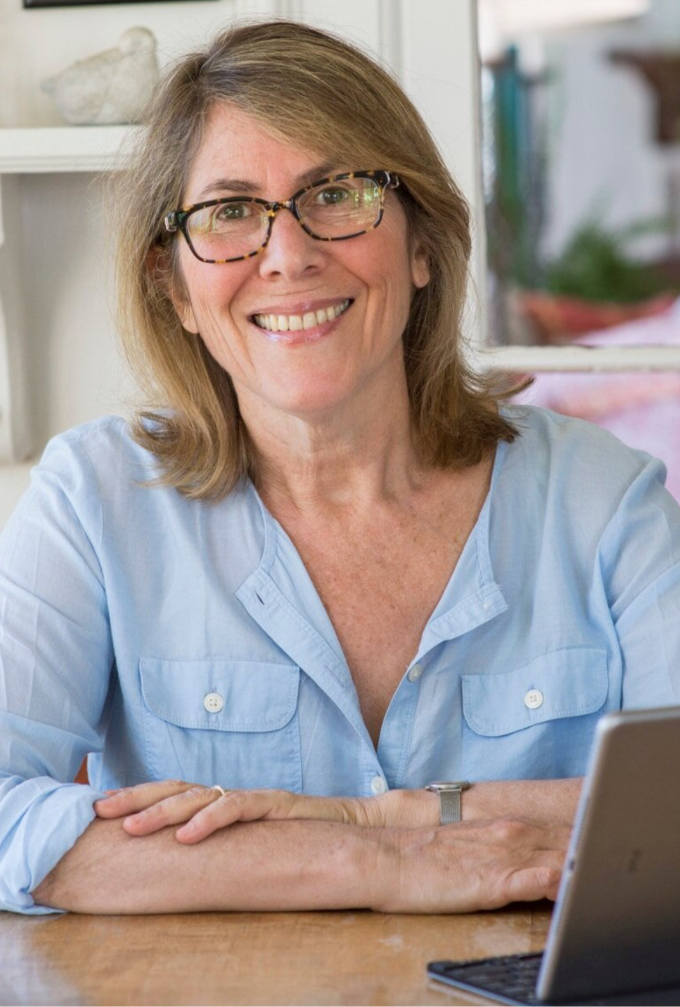
If women had been the storytellers throughout history our cultural narratives and power structures would be very different.
In this Zoom discussion she talks with Brené Brown about her latest book, Cassandra Speaks: When Women Are the Storytellers, the Human Story Changes.
PODCAST: Brené Brown with Elizabeth Lesser on The Power of Women’s Stories
Story
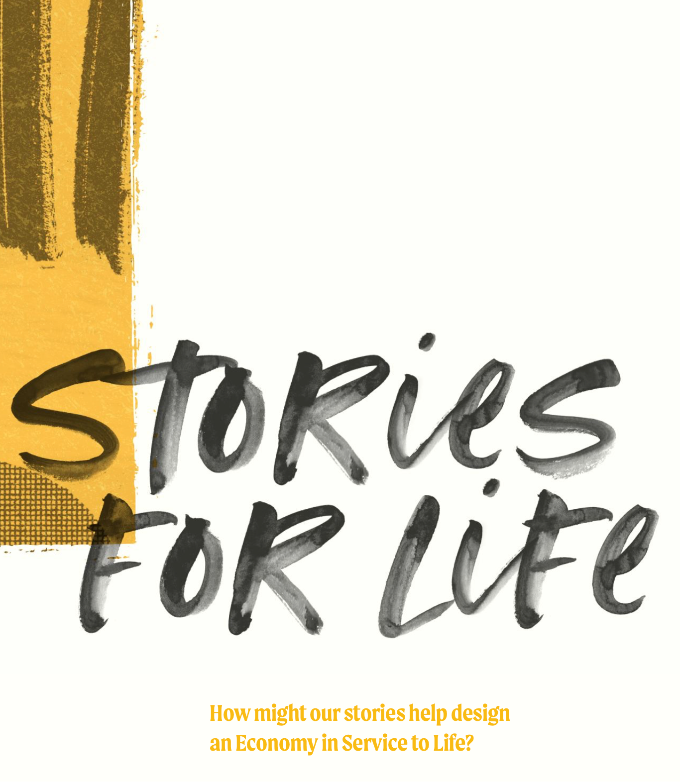
'The role stories play in redesigning our systems is critical, and we all play a role in their telling.'
In exploring the root causes of our crises, this team found "humility and clarity in ancient wisdom." They offer this website as a gift, a tool, and a reference—a way to discuss the interconnected crises caused by an economic system that fails to prioritize people and the planet.
WEB PROJECT: Stories for Life