August 7, 2026
Communication
Writing is an act of hospitality.
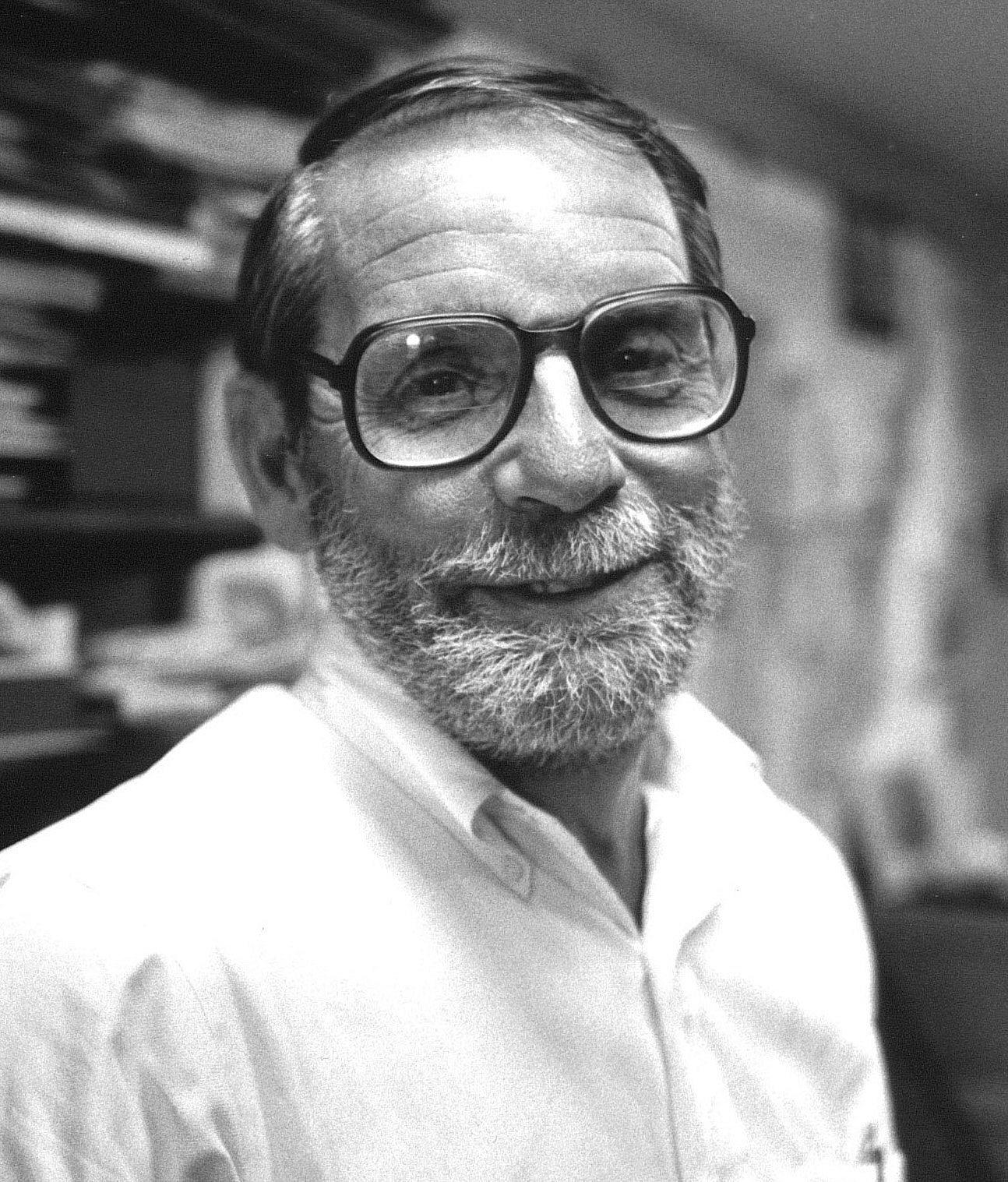
John McPhee is a Pulitzer Prize-winning author, longtime New Yorker staff writer, and Ferris Professor of Journalism at Princeton University, where he taught writing for more than four decades.
John McPhee has spent more than half a century demonstrating that almost any subject—a freight canoe, geology, oranges, or the Swiss Army—can become fascinating in the hands of a careful writer. Few authors have done more to expand our understanding of what nonfiction can be.
Then, in Draft No. 4, he does something even rarer.
Instead of showing us the finished work, he invites us behind the curtain. He reveals that clarity is rarely discovered in a first draft. It is built through revision, reorganization, rephrasing, and trying again. What readers experience as graceful and inevitable is, in fact, the product of rigorous revision.
For McPhee, writing is not the act of recording finished thoughts. It is how thoughts become finished. That requires patience. It requires structure. Above all, it requires the humility to discover that what seemed clear in our own minds often becomes clear only after we have struggled to explain it to someone else.
One of McPhee’s recurring themes is that good writing begins with good organization. Structure is not something added after the fact. It is the framework that allows ideas to unfold naturally in the reader’s mind. Every sentence prepares the next. Every paragraph earns the one that follows.
By the time we encounter the finished work, the struggle has disappeared. What remains is the impression that the writing could not have been any other way.
The lesson extends far beyond writing. Whether we are preparing a presentation, drafting a strategic plan, designing a website, or leading a meeting, we face the same responsibility. We are not simply expressing our own thoughts. We are helping another person arrive at understanding.
Communication, at its best, is an act of generosity. It asks us to slow down, clarify our thinking, choose our words with care, and organize our ideas so someone else can follow the path we have traveled.
McPhee reminds us that this kind of clarity rarely arrives all at once. It is built patiently, draft after draft, until what once existed only in one mind can take root in another.
Every discipline has its hidden practices. In Draft No. 4, McPhee generously reveals those behind his own. The result is not simply a deeper appreciation of writing, but a greater respect for the patient work required to communicate any important idea well.
ARTICLE: Draft No. 4