COMPANY
The revolution has a payroll department.
“The workplace is a key site for the development of human beings.” — Frederic Laloux
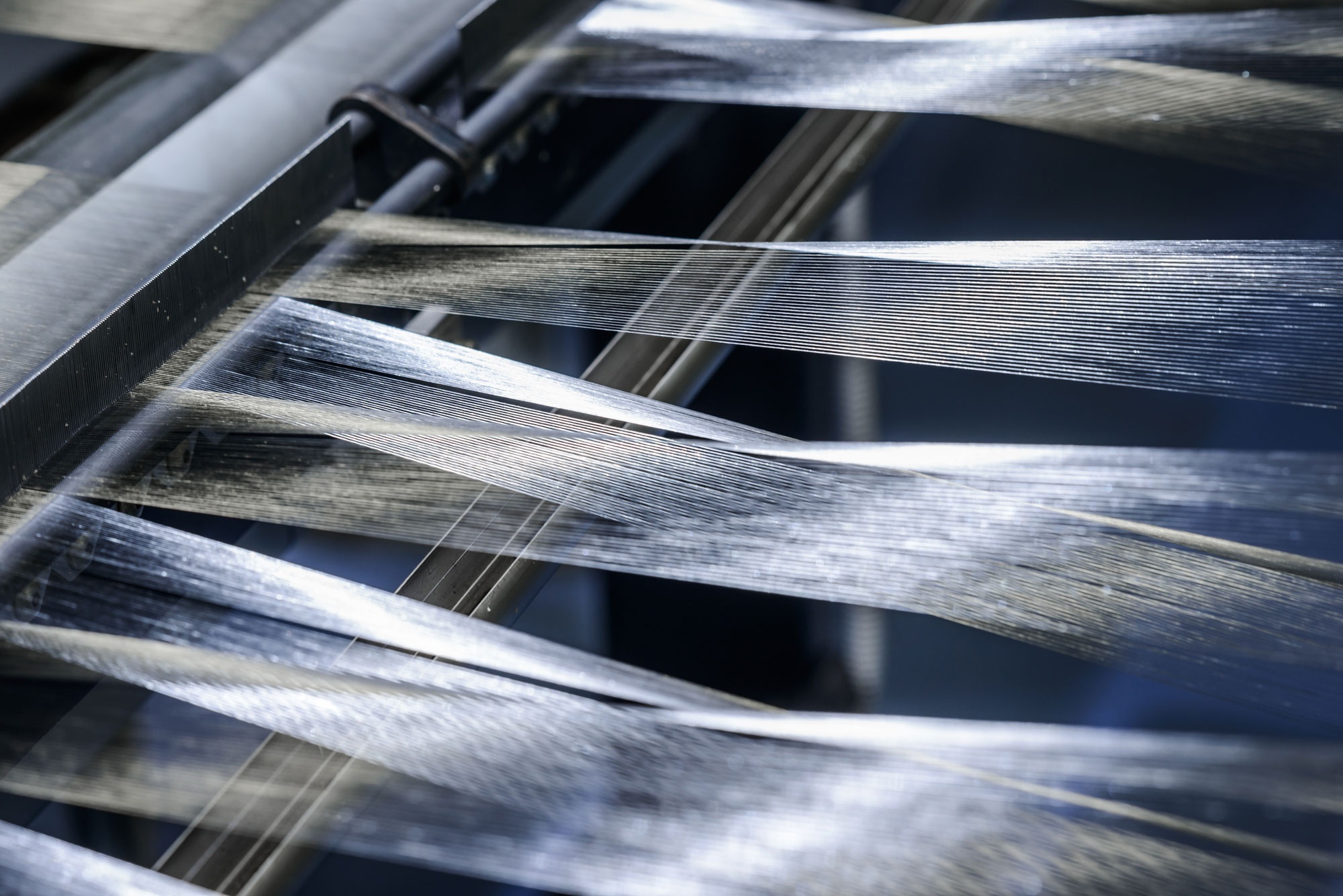
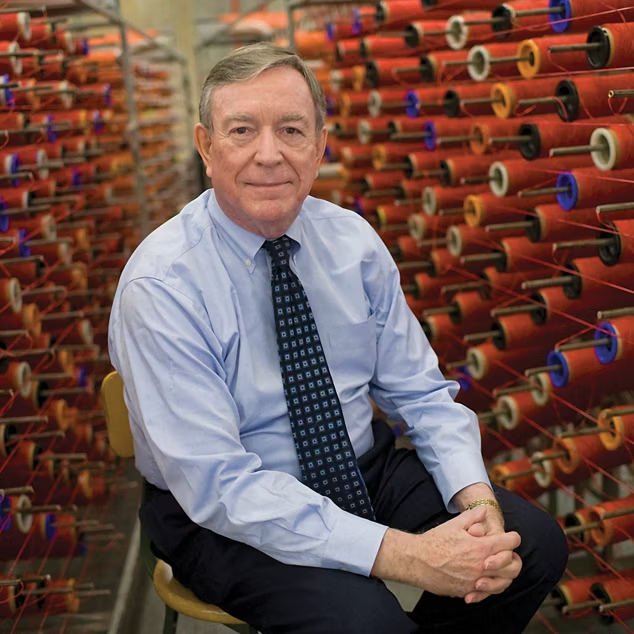
Founded in Italy in 1965, Aquafil grew from a family business into a global nylon manufacturer before turning its attention to the circular economy. Its flagship product, ECONYL, is Nylon 6 made entirely from waste, including discarded carpets, industrial plastics, and fishing nets. Aquafil breaks the waste nylon down to its molecular building block, purifies it, and turns it back into nylon with the performance of virgin material. Better still, the process can be repeated again and again without degrading its quality. Image via Interface.
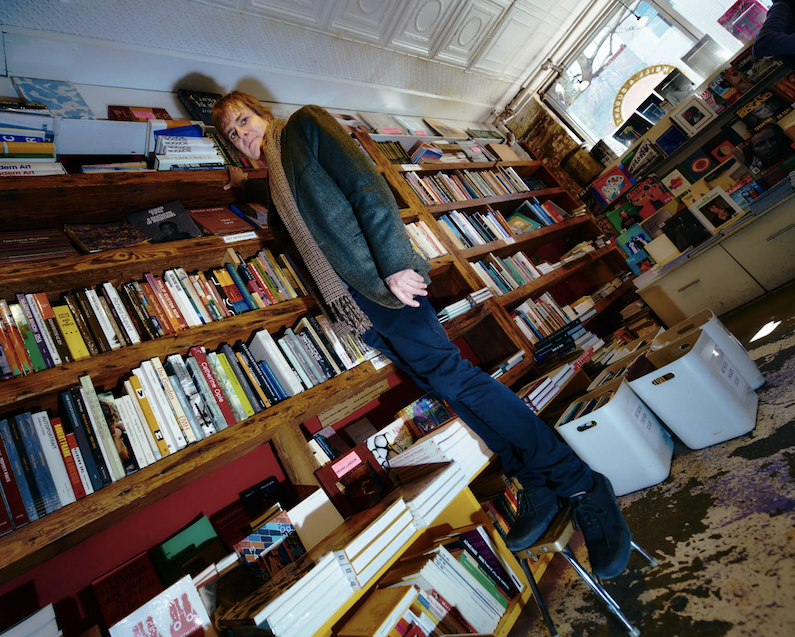
I started my first business when I was 19. My then-wife and two other members of our local natural foods co-op and I opened a vegetarian café in a storefront the co-op had outgrown. It was 1973, and our generation was pretty sure we could change the world by changing the way we did business.
We weren’t only trying to sell better food. We were trying to build a different kind of place to work. The natural foods movement was full of businesses like ours: bakeries, small manufacturers, bookstores, farms and speciality distributors. Many of us had very little idea what we were doing. But we shared an intuition that the businesses we created could express the same values we were trying to live by.
That idea has stayed with me. Work is where most of us spend an enormous part of our lives. We use it to define ourselves. When we ask someone we are meeting for the first time what they do we aren’t asking about their hobbies. A career is supposed to be one of the principal ways we develop our abilities and make a contribution to the world.
And yet we often talk about companies as though their primary purpose were something else. We measure what they produce, what they earn, what they are worth, how fast they grow. The experience of the people who spend their lives inside them can seem almost secondary.
But companies are human inventions. We get to decide what they are for. They can be places where authority is concentrated or shared. Where people follow instructions or exercise judgment. Where information is guarded or available. Where ownership belongs to a few people or to the people doing the work. Where success is measured by what can be extracted or by what can be created and sustained.
These aren’t simply management choices. Taken together, they describe a different idea of what a company can be.
Fifty-three years after opening that café, I remain fascinated by the possibility we saw in business back then. I no longer imagine that changing the way we do business will, by itself, change the world. But I do believe companies are among the places where change becomes real.
We spend too much of our lives at work for them not to be.
COMPANY, SELF-MANAGEMENT
Bosses are not a law of nature.
After ten years at McKinsey, Frederic Laloux began wondering why organizations full of capable adults so often produced bureaucracy, politics, and disengagement. He went looking for alternatives. He found large, successful organizations operating with remarkably little hierarchy, using self-managing teams, shared authority, and transparent information. His larger point is provocative: hierarchy isn’t inevitable. Companies are human inventions, and we can invent different ways of working together.
BOOK: Reinventing Organizations

COMPANY, EMPLOYEE OWNERSHIP
You can’t take the company with you.
In From Founder to Future, John Abrams asks what happens to a company when its founder leaves. Drawing on his own transition from South Mountain Company, the worker-owned firm he led for nearly fifty years, Abrams makes a great case that succession is about more than replacing the boss. It is an opportunity to share ownership and authority, preserve purpose, and create a lasting legacy by putting the company’s future in the hands of the people who helped build it.
BOOK: From Founder to Future
COMPANY, RIGHT LIVELIHOOD
Work is not the price you pay for having a life.
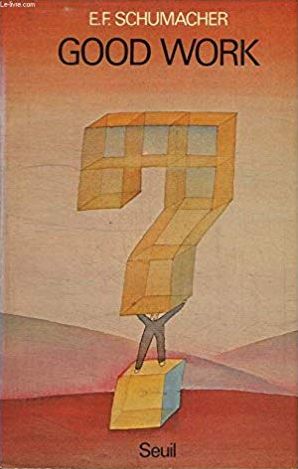
In Good Work, E. F. Schumacher asks a strikingly fundamental question: What is work for? Modern economics tends to treat labor as a cost to be reduced. Schumacher saw work as something more: a way to produce what we need, develop our abilities, and connect with others through shared purpose. Drawing on the Buddhist idea of right livelihood, he asks whether earning a living might also help us become more fully human.
BOOK: Good Work
COMPANY, REGENERATIVE BUSINESS
So much for the idea that values don’t scale
In Confessions of a Radical Industrialist, Ray Anderson tells how he set out to transform Interface, his global carpet company, from a petroleum-dependent manufacturer into a regenerative business. Environmental responsibility became a driver of innovation rather than a constraint on growth. Interface redesigned materials, products, energy use, and waste streams—and kept going after Anderson’s death. His experiment demonstrates something important: values don’t have to disappear as a company grows.
BOOK: Confessions of a Radical Industrialist
One liners
ARTICLE: Baltimore is putting public money behind converting legacy businesses into worker cooperatives.
ARTICLE: A Danish EV-charging company with more than 500 employees has eliminated its traditional management hierarchy.
ARTICLE: Haier turned a giant corporation into thousands of small entrepreneurial businesses instead of one hierarchy.
ARTICLE: The four-day workweek may work because companies redesign the work—not simply because people work one day less.
ARTICLE: One estimate puts the coming transfer of American small-business wealth at $5 trillion—and employee ownership could keep more of it in local communities.
ARTICLE: W.L. Gore still operates without a traditional chain of command—with more than 12,000 employees.
"Progress is people flourishing."
-Ted Gioia

Hybrid Working
The COVID pandemic provided evidence that remote and hybrid working practices could work for a wide variety of jobs.
Jane Parry is a UK-based sociologist whose applied research examines changing workplaces, workforce inequalities, and especially flexible, remote, and hybrid work. She followed organizations through the pandemic lockdowns to understand what they learned about hybrid models.
ARTICLE: What Five Years Of Evidence On Hybrid Working Tells Us About The Future Of Employment

Systems Thinking
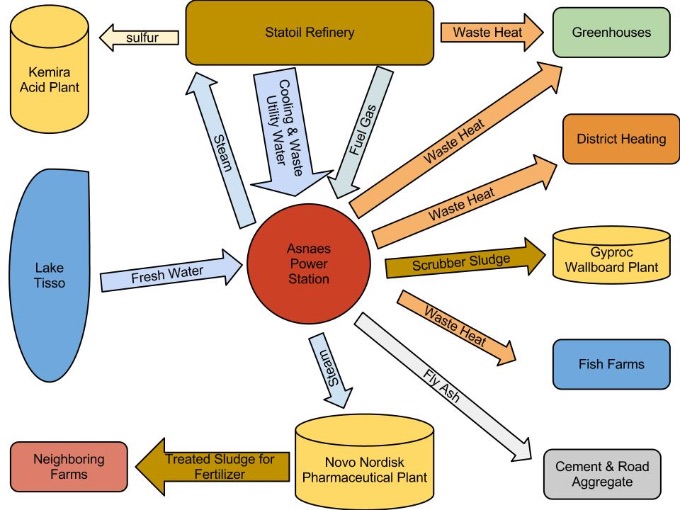
Kalundborg, Denmark, has set the standard for how industries can collaborate to reduce waste, save resources, and cut costs.
Industrial circularity is a systems-based approach to production that eliminates waste by turning one company’s byproducts into another’s resources. The result is a closed-loop, regenerative network that benefits the environment, the economy, and the community.
ARTICLE: Case Study: Kalundborg Industrial Symbiosis

Complexity
"What we face at the tail end of our industrial society is a design problem."
One of the reasons I feel hopeful about our collective future is that change itself changes. The mindset that got us here—linear, industrial, growth-at-all-costs thinking—no longer defines the path ahead.
ARTICLE: An Introduction to the Book No Straight Lines: Making Sense of our Non-linear World
Leadership
Books
True leadership is the art of amplifying collective intelligence.
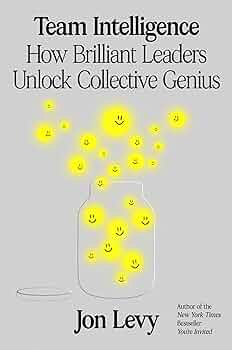
Jon Levy sees leadership as the art of amplifying group intelligence. He thoroughly busts the myth of the “heroic leader,” making a clear case that great leaders don’t succeed through charisma but by building cultures of strong collaboration.
BOOK: Team Intelligence. How Brilliant Leaders Unlock Collective Genius
Leadership
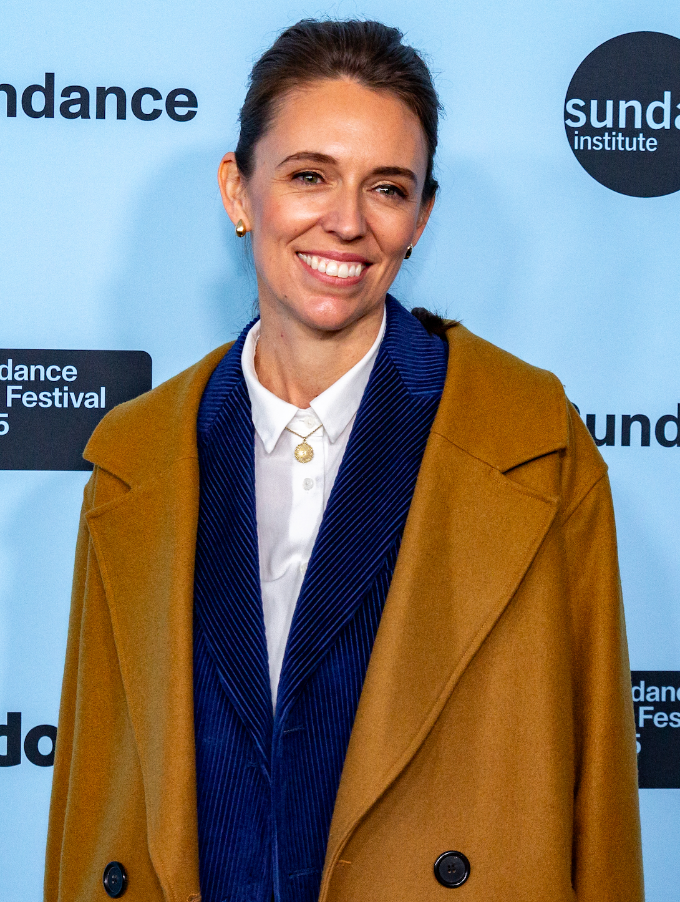
Kindness is a core leadership practice and a proven driver of organizational success.
Boris Groysberg teaches leadership, organizational behavior, and management at Harvard Business School. His research and experience have led him to conclude that in times of uncertainty, traditional management approaches fall short.
ARTICLE: Good Leadership Is an Act of Kindness
Manufacturing
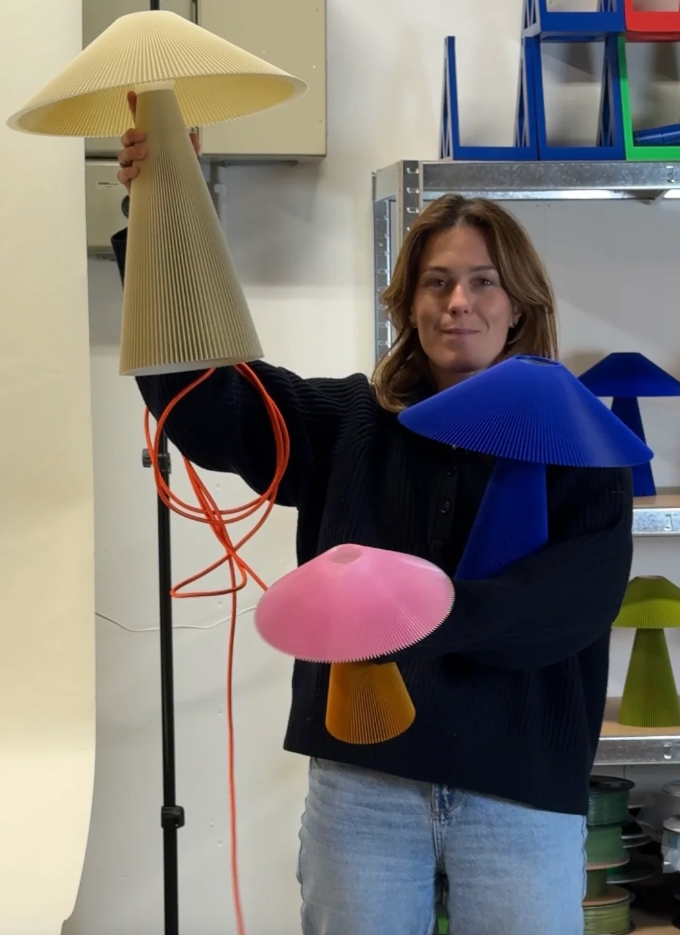
Transforming everyday waste into high‑design objects close to home
Gunnar Magnusson and Tess Olofsson founded Manu with a simple brief: turn waste into usable objects. They work with a signature mix of lemon peels, PET bottles, and cornstarch, letting the materials guide the design.
WEBSITE: Manu Matters
Strategy
"Strategy is how we know what the hard choices are, and when and how to make them."
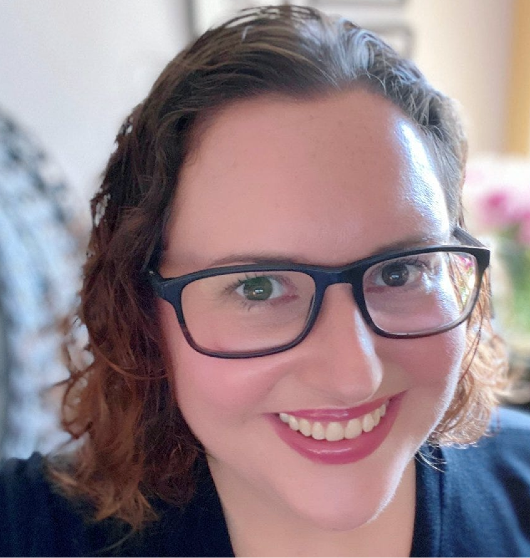
Cate Huston says that strategy – how to be strategic, and how to be seen as strategic – is one of her ongoing obsessions. Years ago, she read Good Strategy/Bad Strategy, and she says that it’s guided her thinking ever since
ARTICLE: Getting More Strategic
SOLOPRENEURSHIP
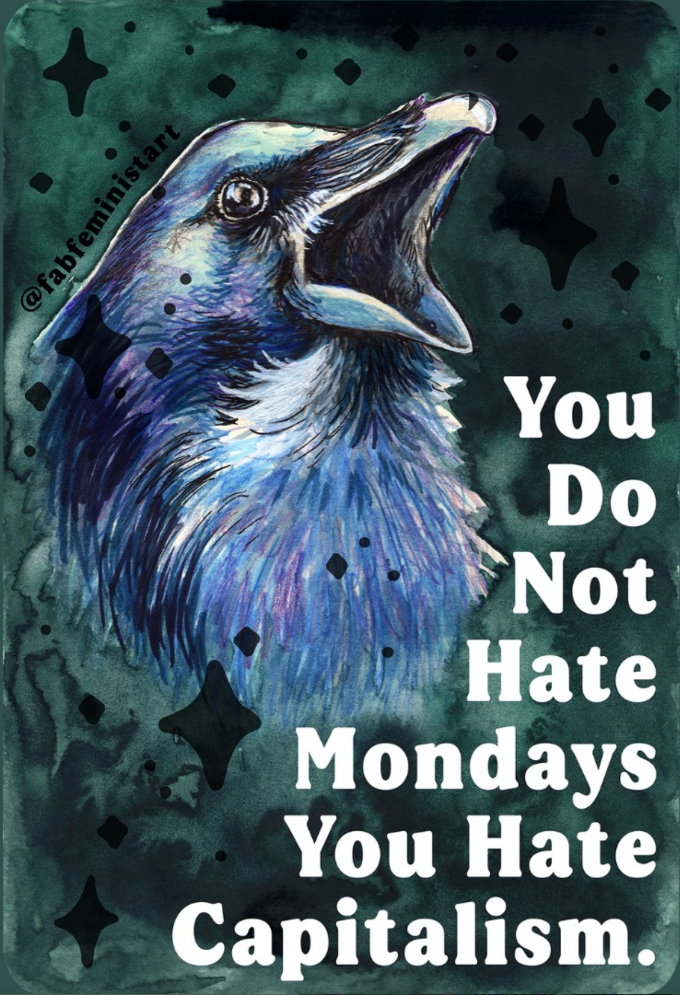
"Resist individualism. Together, we are more powerful than they want us to believe."
Callie Garp is an artist with passion for feminism and gender studies. She has mixed this interest with her love of creative expression and problem-solving to make an online store.
WEBSITE: Fabulously Feminist: Art For Eco & Social Justice

Sustainability
The world’s 'most sustainable furniture factory' just opened in the middle of a Norwegian forest.
"Playfulness, democracy, and sustainability are at the heart of the Vestre brand and everything they do; our wooden, colourful factory in the middle of the Norwegian woods – surrounded by a 300,000 sq m public forest park...lives and breathes this philosophy. "
ARTICLE: Vestre’s Sustainable Factory, The Plus by BIG, Opens
Ideation and Innovation
Circular Economy
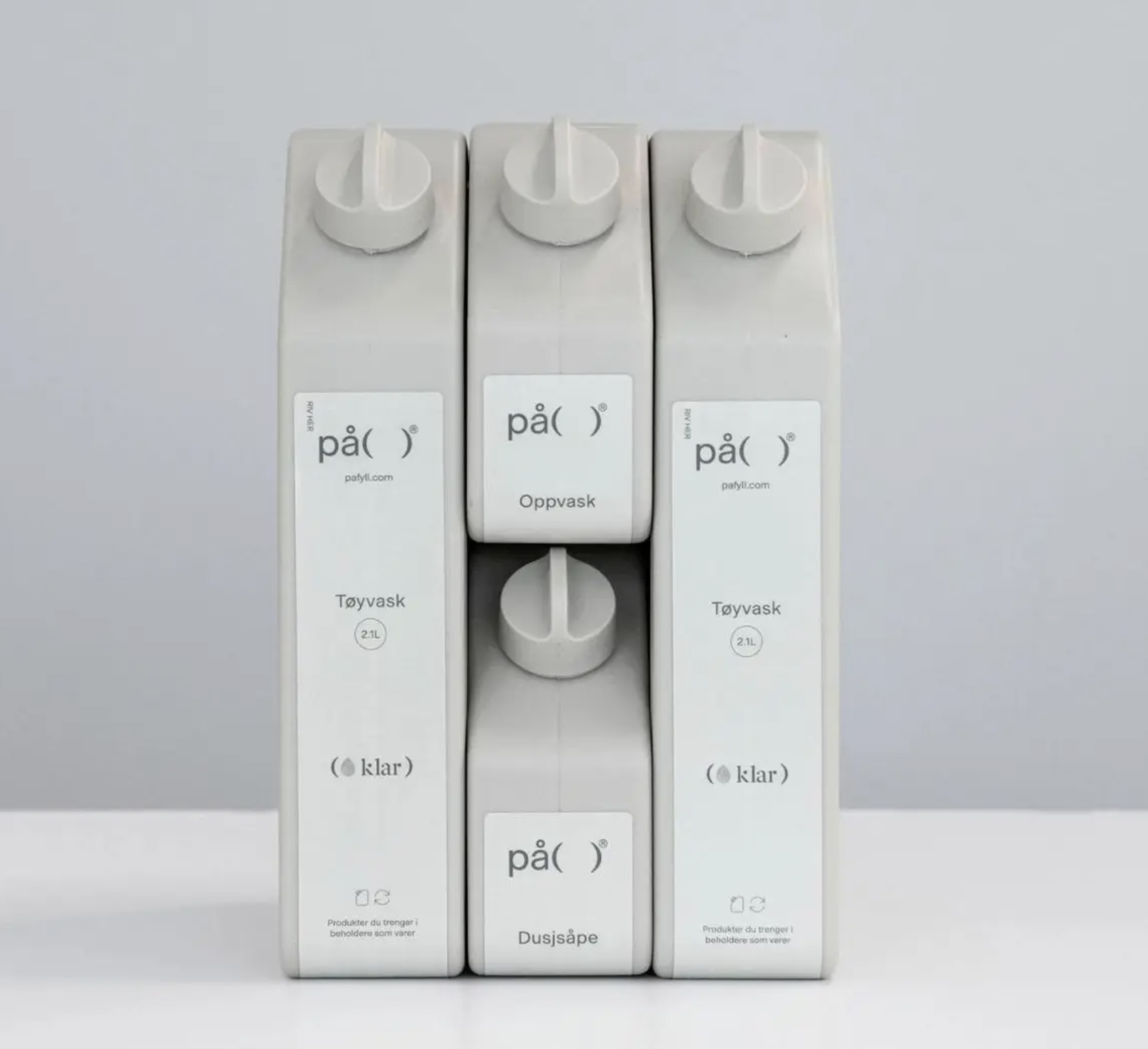
Tackling plastic waste with a digital platform, reusable packaging and a home refill service
A Norwegian company has developed one way to reduce the amount of single-use plastics in our waste stream. På(fyll) lets you order everyday cleaning and personal care products, then the company delivers those products directly to your home in containers that can be used over and over again. When you need a refill they pick up the containers, clean them, refill, and deliver again.
ARTICLE: På(fyll) is a Circular Service Designed to Offer Refillable Containers