December 19, 2025
Company
"People don’t come to offices for proximity—they come for purpose."
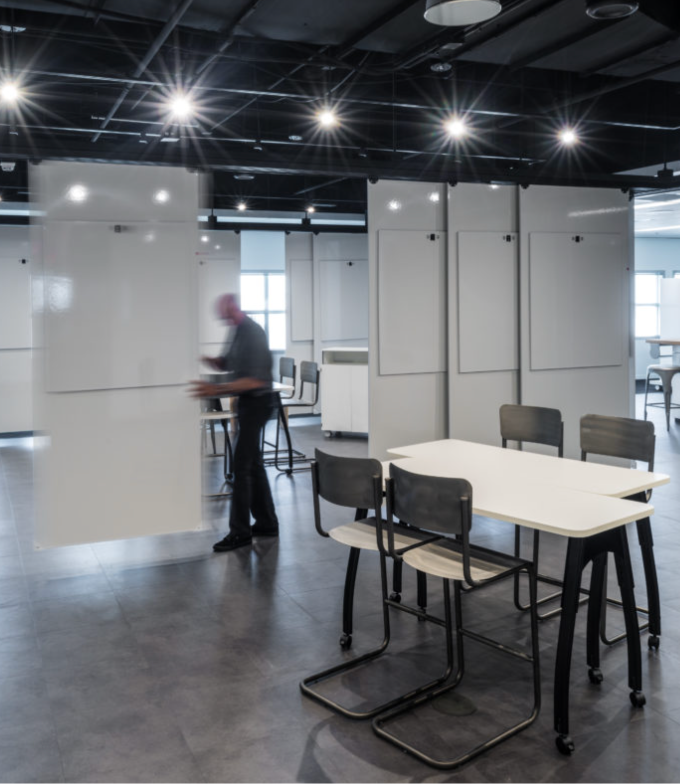
IBM’s Austin campus features deliberately designed spaces that cultivate serendipity. The goal is not efficiency but engagement. These environments are meant to draw people in by offering something no screen can provide: genuine, human connection. Photo via The Switzer Group
Phil Gilbert, former IBM General Manager and later Head of Design, helped lead a major shift in how IBM worked. Using design thinking, he moved the company away from a rigid, engineering-first, siloed culture toward one centered on customer experience, collaboration, and shared purpose—across a global workforce of nearly 400,000 people.
In this article, he makes an important point: leaders should stop forcing people back to the office and instead start designing workplaces—both physical and virtual—that people actually want to come to. If the office is just a place to complete tasks, people will rightly choose to do that work elsewhere. So offices need to be worth the trip. They should offer things you can’t get through a screen: connection, creativity, meaning, and a sense of belonging.
The pandemic, he says, didn’t change human nature. What it changed is who has to make the case. Workers no longer need to justify working from home; leaders need to explain why coming in adds value. When people don’t want to be in the space, that’s a design problem, not a people problem.
Gilbert also pushes back on the idea that hybrid work is simply a time split. Instead, it’s about designing environments that genuinely make collaboration better. The real value of physical workplaces shows up beyond transactional work—in mentorship, creativity, morale, accountability, and culture.
He holds up how IBM approached its redesign. The goal was “active engagement” that supported individual growth, stronger teams, and connection to the company’s mission. Spaces were intentionally designed for serendipity, even trading some efficiency for more human interaction—like routing elevator traffic through shared studios to encourage unexpected encounters across teams.
With return-to-office crackdowns provoking resistance, performative compliance, and long-term backlash rather than productivity gains, it becomes clear that the issue is not enforcing attendance. It is designing physical and virtual environments that offer real, personal value to everyone.
ARTICLE: If You Want People in the Office, Build One Worth Coming To