September 4, 2026
Company
You can’t take the company with you.
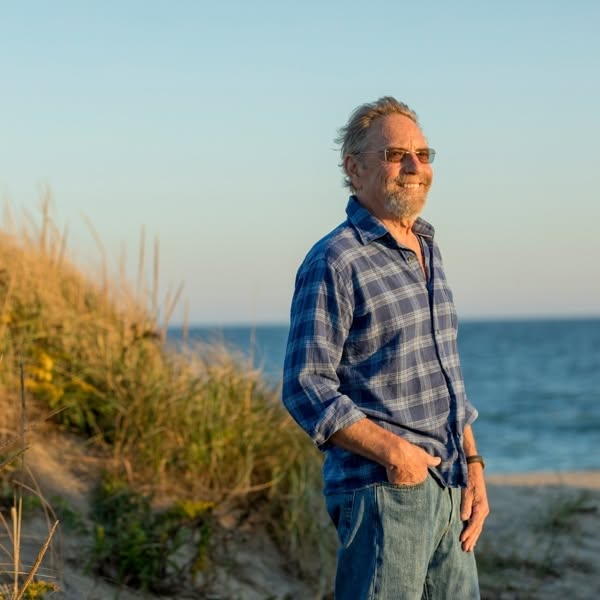
Twenty years ago, John Abrams wrote what became an influential guide to employee ownership and workplace democracy. The Company We Keep, later revised and expanded as Companies We Keep, told the story of South Mountain Company, the Martha’s Vineyard design-build firm Abrams helped start in 1973 and converted to a worker-owned cooperative in 1987. His idea was straightforward: the people who create the wealth of a company should have a meaningful share in its ownership, its decisions, and its future.
Now Abrams is asking what may be an even harder question: What happens when the founder leaves?
In From Founder to Future, published in 2025, Abrams draws on something he couldn’t have offered when he wrote his first book: the experience of actually letting go. After nearly fifty years at South Mountain, he stepped away from leadership in 2022 and left the company in the hands of the people who had helped build it. The new book turns that experience into a guide for other founders facing the same transition.
But succession, as Abrams sees it, is about much more than finding the next CEO. A founder has an extraordinary opportunity to decide what happens to the company itself. Does it get sold to the highest bidder? Passed to the next generation? Acquired by private equity? Or can ownership, authority, and responsibility be transferred to the people who work there while the purpose and values of the company are preserved?
Abrams calls the alternative a CommonWealth company. He describes five transitions: from founder to next-generation leadership; from concentrated to shared ownership; from hierarchical control to democratic management; from an unprotected mission to one designed to endure; and from business as usual toward business as a force for social and environmental good.
The timing matters. Millions of American businesses are owned by people approaching retirement, and Abrams sees their coming succession decisions as an enormous, largely overlooked opportunity. A founder can sell to the highest bidder and walk away. Or that moment can become one last chance to decide what kind of company—and what kind of wealth—they want to leave behind.
In that sense, From Founder to Future is a book about legacy. After spending decades building a company, what do you want to remain when you’re gone? Abrams makes the case that a founder’s greatest legacy may not be the company they built, but what that company becomes in the hands of the people who inherit its future.
BOOK: From Founder to Future