Teaching
How we create the conditions in which people can discover, develop, question, make meaning, and realize capacities of their own.
Part of Love & Work's continuing inquiry into what human beings are capable of becoming.
TEACHING
Your education belongs to you.
“Learning is not the product of teaching. Learning is the product of the activity of learners.” — John Holt
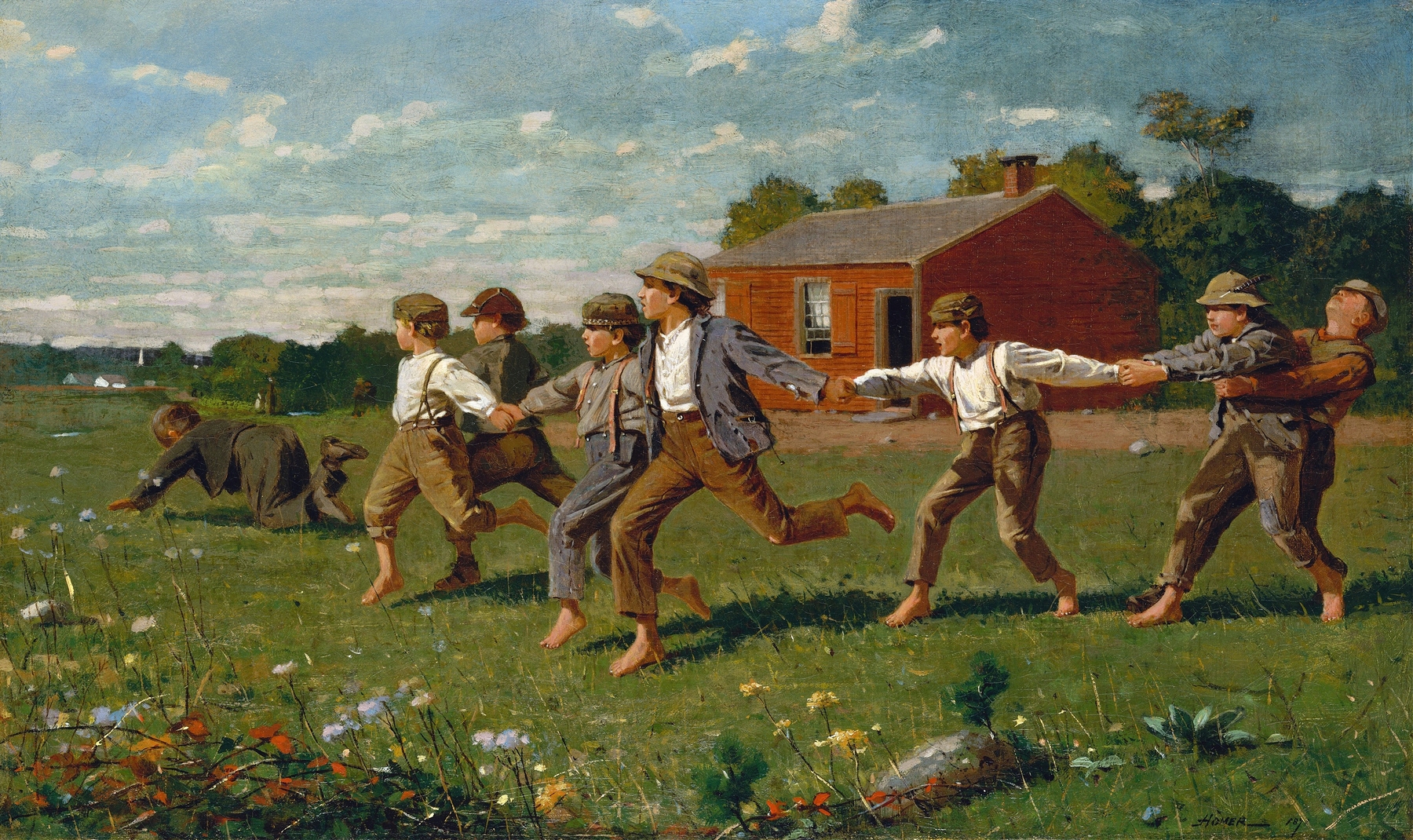
Snap the Whip. Winslow Homer. 1872*
Technically, I’m a high-school dropout, despite having taken more than a few college-level courses. I never bothered to stop long enough to collect any formal certification. And I have certainly never stopped learning.
I was lucky enough to be born white, male, and middle-class into a generation that was literally handed permission to “Turn on, tune in, drop out.” I grew up assuming that the education I needed was available to me. If I wanted to know something, I could find someone who knew it, read a book, take a class, try something, make a mistake, ask a question, or simply follow my curiosity until it led somewhere interesting.
I still learn that way. In fact, I suspect most of us do. Which is why I’ve long wondered whether we have teaching a little backwards. We spend an enormous amount of time deciding what students need to know, teaching it to them, and then testing to see whether they learned it. What if we spent more of that time creating the conditions that make people want to learn in the first place?
What if the real work of teaching is helping someone become curious enough, confident enough, and free enough to learn for themselves?
Watch a young child and it’s obvious. They touch things. Take things apart. Ask endless questions. Imitate people. Invent games. Fall down. Try again. Nobody has to teach a toddler how to be curious.
Maybe the teacher’s job, then, is something different: to notice what catches someone’s interest and help them follow it. That might mean introducing a possibility, providing a tool, asking a good question, offering encouragement, or creating a challenge. Sometimes it means simply getting out of the way.
This doesn’t make teachers less important. It makes their work more interesting. Instead of asking, How do I get someone to learn what I want to teach? we can ask, What makes someone want to learn?
Curiosity does. Purpose does. A problem worth solving does. Making something does. Discovering that you can do something today that you couldn’t do yesterday does.
And agency does. I know that some of my own sense of agency comes from privilege. I grew up assuming the world was open to me, that my questions were worth pursuing, and that if I wanted to learn something, I could find a way. Not everyone grows up with that assumption.
But I don’t think the answer to privilege is shame or embarrassment. It is recognizing what that privilege gave me and wanting everyone to experience the same sense of possibility.
Maybe that is one of the greatest things a teacher can give us: the confidence that our questions matter, that we are capable of pursuing them, and that the world is ours to explore.
Maybe part of the answer to our “education crisis” is helping more people understand that their education belongs to them. Agency and belief in our own capacity don’t require another curriculum or another program.
They begin by helping people discover that they are capable of learning, and that their education never has to end.
TEACHING, LEARNER AGENCY
Start with questions, not answers.
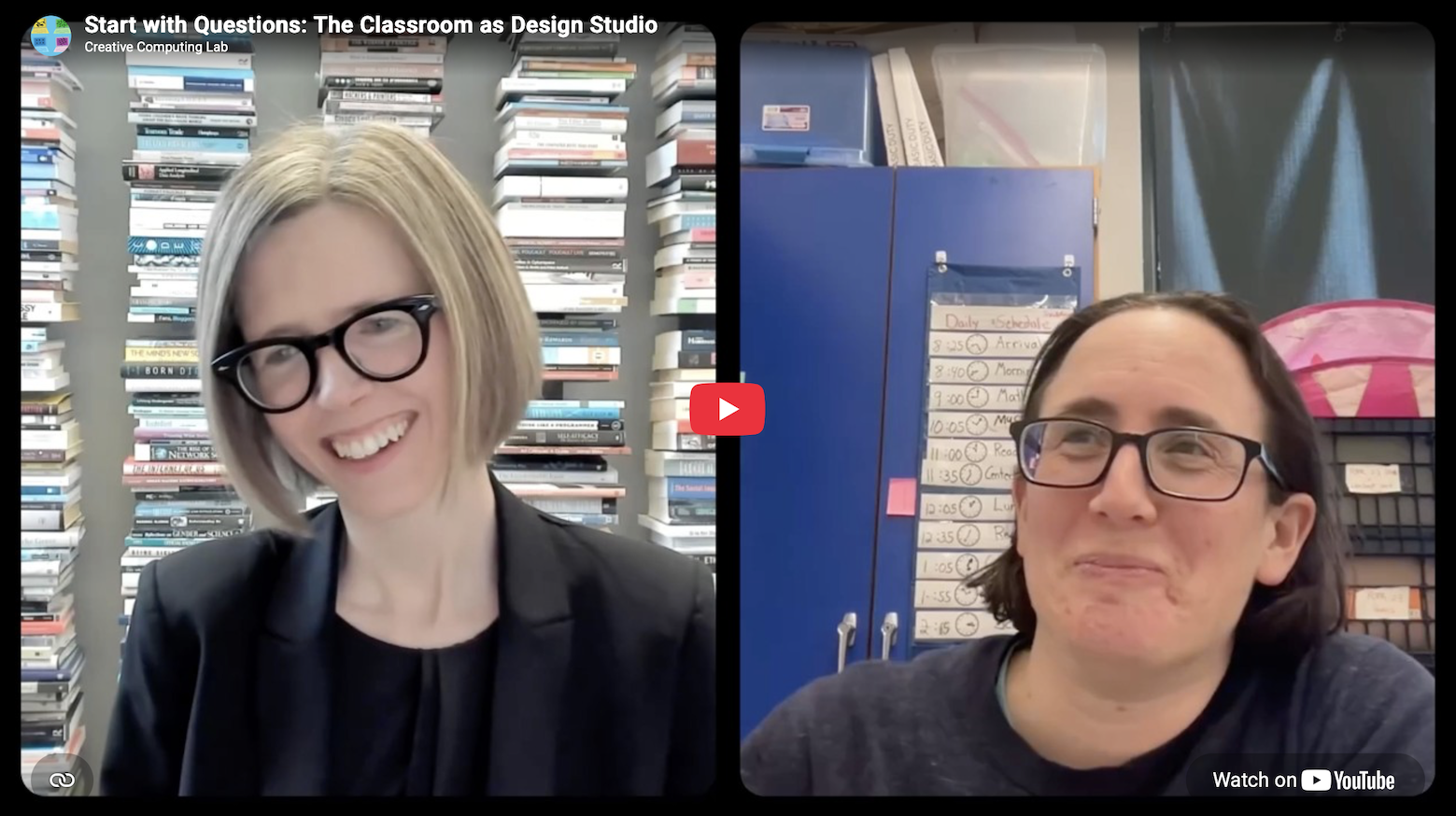
Karen Brennan and Sarah Blum-Smith studied teachers who gave students meaningful control over their learning. They found that the teachers didn’t step aside. They were intensely involved—asking genuine questions, offering expertise, providing structure, and helping students pursue their ideas. Student agency didn’t diminish the teacher’s role. It transformed it.
BOOK: Start with Questions: The Classroom as Design Studio
TEACHING, LEARNER AGENCY
Teens: take responsibility for your own education
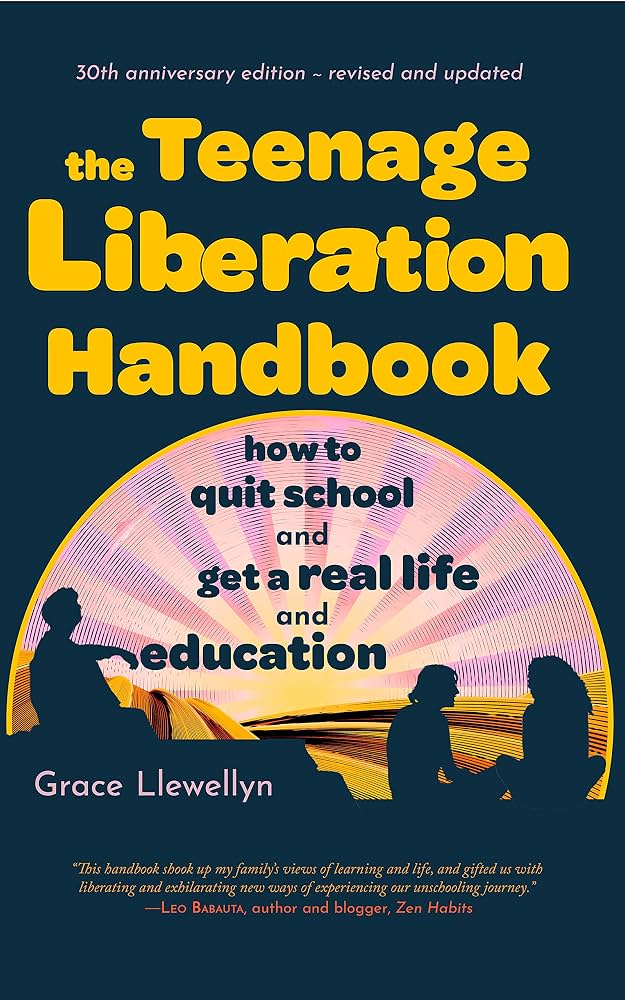
Grace Llewellyn had taught middle school before deciding that, for some young people, school itself was getting in the way of learning. So she wrote The Teenage Liberation Handbook directly to teenagers, treating them as capable of making consequential choices. Her radical proposition: you can take responsibility for your own education.
BOOK: The Teenage Liberation Handbook – 30th Anniversary Edition!
TEACHING, PLAY
Play is how children practice being human.
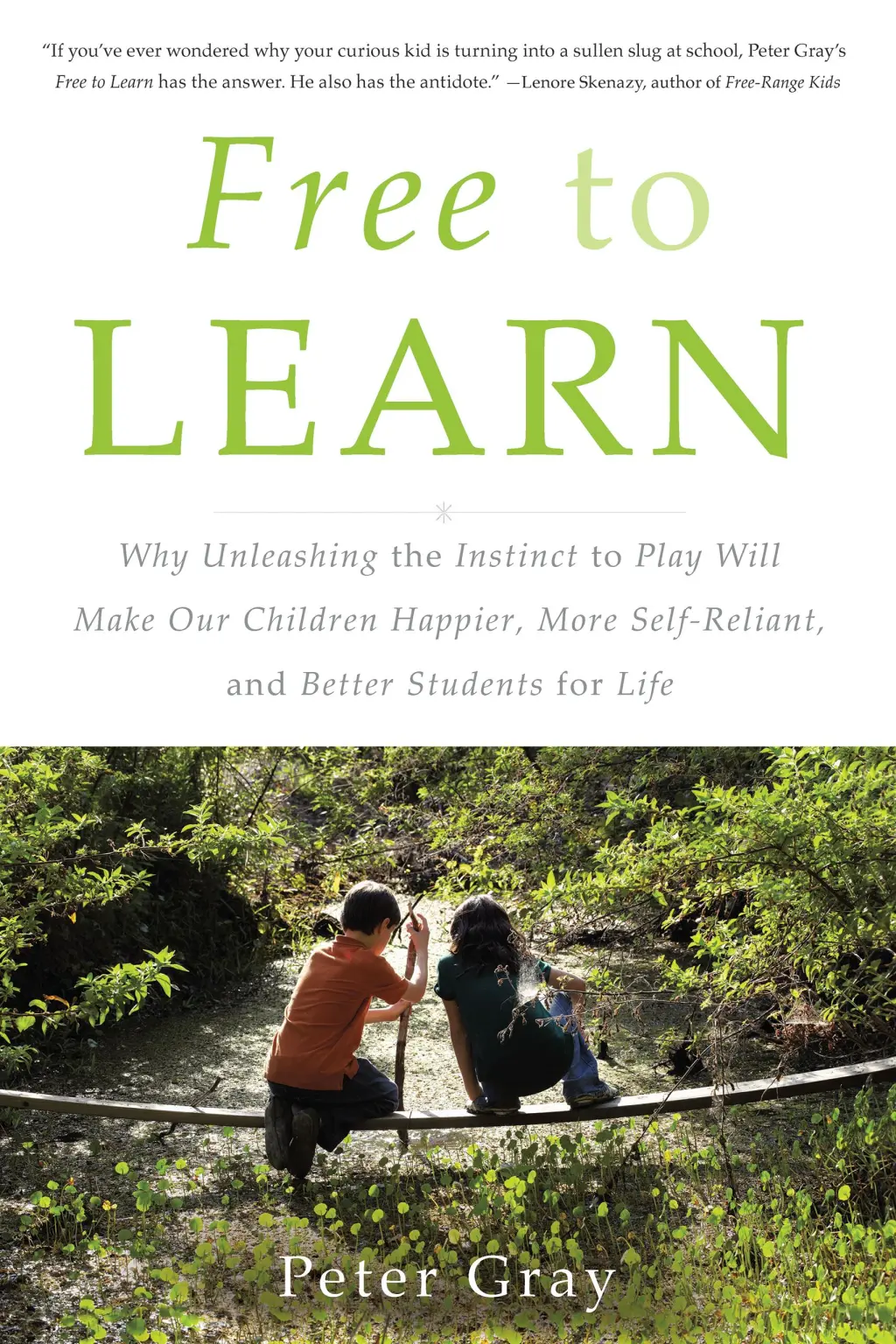
Peter Gray began studying how children learn after his own son struggled in school. He and his wife found a school that gave children extraordinary freedom. He noticed how much time they spent playing. Free to Learn explores his discovery: when children invent and direct their own play, they are learning remarkably consequential things.
BOOK: Free To Learn
TEACHING, SELF-DIRECTED LEARNING
Given curiosity, access, and one another, learners can create knowledge together.
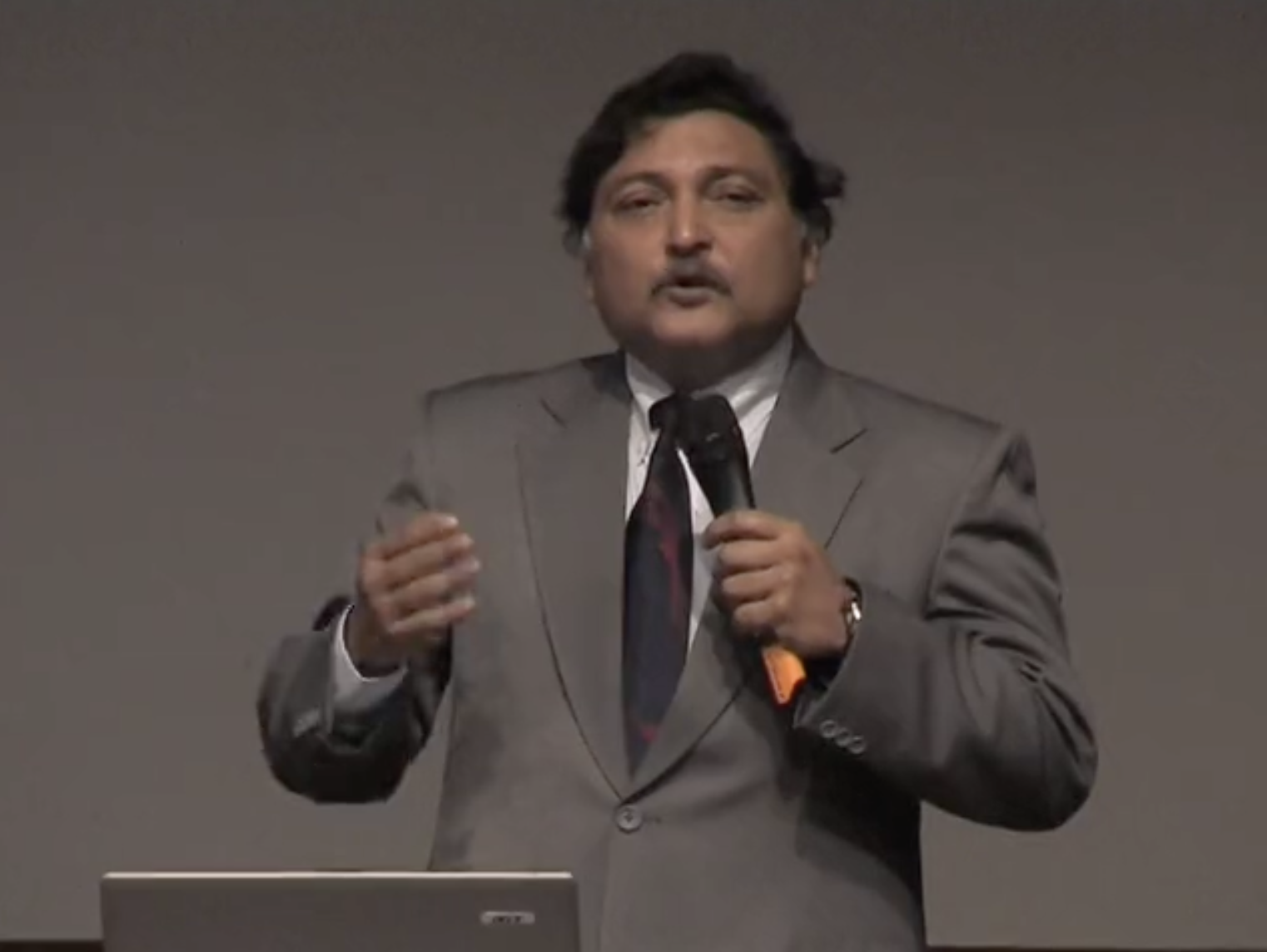
In 1999, Sugata Mitra gave children in a poor New Delhi neighborhood access to an internet-connected computer, with no teacher or instructions. He wasn’t surprised to see that they learned to use it by experimenting and teaching one another. He repeated the experiment and kept seeing the same thing: given powerful tools, children can learn remarkably well together.
TED TALK: Kids Can Teach Themselves
One liners
ARTICLE: Preschoolers can learn language, math, and social-emotional skills by investigating the things that already make them curious.
ARTICLE: Teachers need agency, too: self-directed classrooms work better when teachers have the freedom to design them.
ARTICLE: Giving students meaningful choices about what and how they learn can increase both motivation and self-regulation.
ARTICLE: Researchers studying nearly 9,000 definitions of “learner agency” found that education tends to overlook one of its essential dimensions: learning to act with other people.
ARTICLE: Young children engage more deeply when they can touch, move, build, explore, and talk together than when learning is mediated by screens.
*About the painting
Winslow Homer painted Snap the Whip in 1872, just seven years after the Civil War. It shows barefoot boys playing what we would now call crack-the-whip before a small red country schoolhouse. Homer made two closely related oil versions; the smaller is in the collection of the Metropolitan Museum of Art.
Painted so soon after the war, the image can be read as a vision of the country’s future. The game depends on cooperation and coordination: each child must respond to the movements of everyone else. As the Met observes, those qualities might have been understood as virtues essential to reunifying the nation. Yet the broken chain also suggests how difficult it can be to sustain that connection.
There is another reading available here—one that doesn’t need to be presented as Homer’s intention. The schoolhouse sits in the background; the learning takes place in the foreground.
These boys are not seated at desks, receiving instruction. They are organizing themselves, testing their bodies, cooperating, discovering cause and effect, and taking risks. Some keep their footing; others tumble into the grass. Then, presumably, they get up and try again.
"Progress is people flourishing."
-Ted Gioia

Advocacy
"A remarkable story of self-possession under the most dehumanizing circumstances"
Before Susan B. Anthony, Rosa Parks, and Maggie Kuhn, there was Sojourner Truth. Today she’d be called a badass with brass balls. In her own time she was known as a “fiery abolitionist” and a “riveting preacher” with a straight-talking, unsentimental style.
ARTICLE: The Remarkable Untold Story of Sojourner Truth
Curriculum
“Learning how to learn is the ultimate skill.”
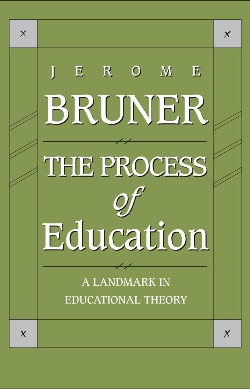
Jerome Bruner wrote this book in 1960, when teaching largely relied on rote memorization, rigid curricula, and the passive transfer of facts from teacher to student. He was among the first to suggest that education’s highest purpose is to cultivate the ability to actively construct knowledge, not simply store information.
BOOK: The Process of Education
Joy
"Joy should be the ultimate goal of teaching and learning."
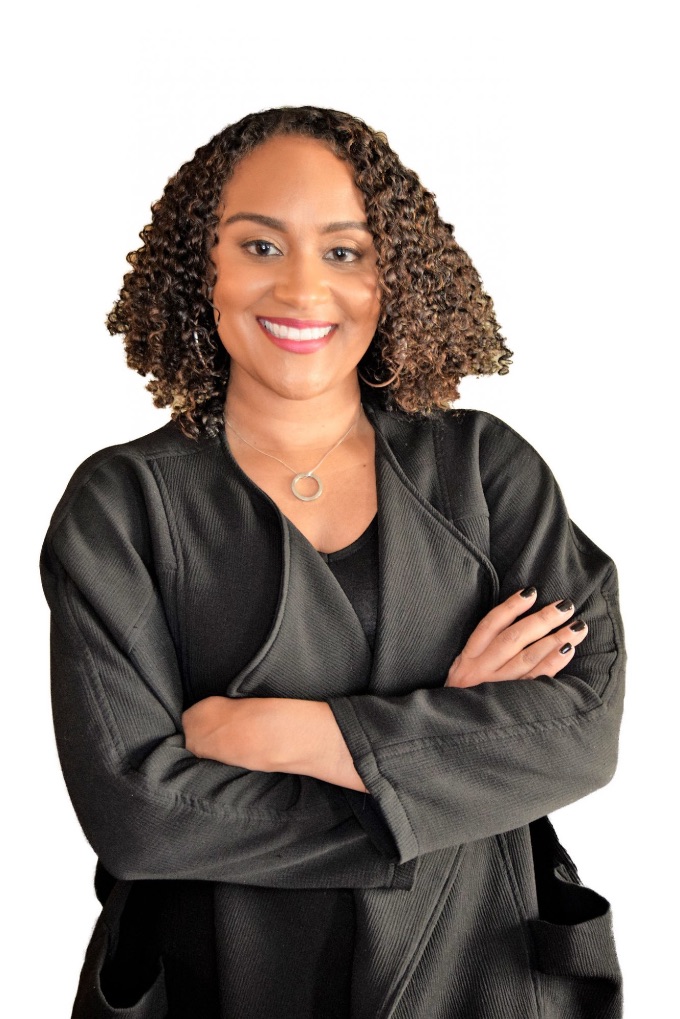
Gholdy Muhammad sees a pressing need for joy in school environments. She notes that teachers often tell her they feel overwhelmed and stressed, and the mental health of students is in serious decline.
AUTHOR INTERVIEW: Gholdy Muhammad Champions ‘Unearthing Joy’ in Her New Book
Teal
Books
Reimagining school leadership as a collaborative structure that empowers individuals at every level of the system.
As a student of Teal Management principles popularized by Frederic Laloux in Reinventing Organizations, I was interested to read Dr. Lindsay Whorton’s ideas on rethinking leadership structures in schools.
BOOK: A New School Leadership Architecture: A Four-Level Framework for Reimagining Roles
Nature
Outdoor time for students relieves stress and sets the stage for better memory, mood, and classroom behavior.
Outdoor time—often called “green time”—offers powerful benefits for student well-being and learning. Schools, especially those serving under-resourced communities, can play a crucial role in providing equitable access to nature, even with limited budgets and tight schedules.
ARTICLE: From Screen Time to ‘Green Time’: Going Outside to Support Student Well-Being

Age Diversity
Diverse learners need diverse instruction.
If you had stepped into a Rockford, Illinois elementary school classroom a few years ago, you’d have seen students grouped by grade, moving through lessons together.
ARTICLE: We Started Grouping Students by Reading Ability vs. Grade. Here’s What Happened
Self-Guided-Learning
“We do school differently.”
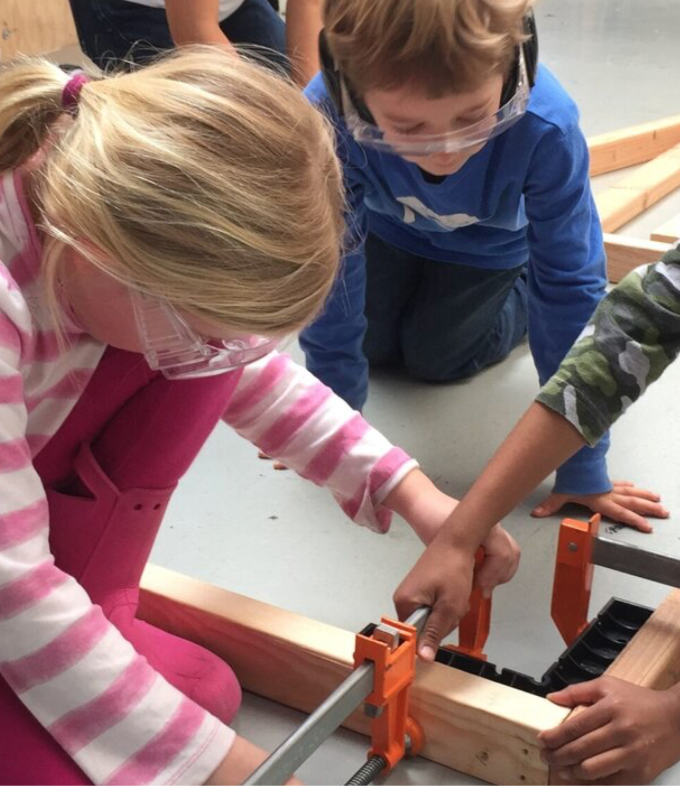
Gever Tulley describes his parents as beatniks. Growing up in Mendocino, California, often below the poverty line, he and his brother were given a great deal of freedom and largely left to their own devices after school.
ARTICLE: No Teachers and No Curriculum: Is This the School of the Future?
Alternative Futures
"The classroom remains the most radical space of possibility."
Anke Schwittay's work bridges anthropology, global development, and design. She is developing what she calls critical-creative pedagogy—teaching methods that invite experimentation, imagination, and deep engagement with social challenges.
WEBSITE: Creative Universities
Citizenship
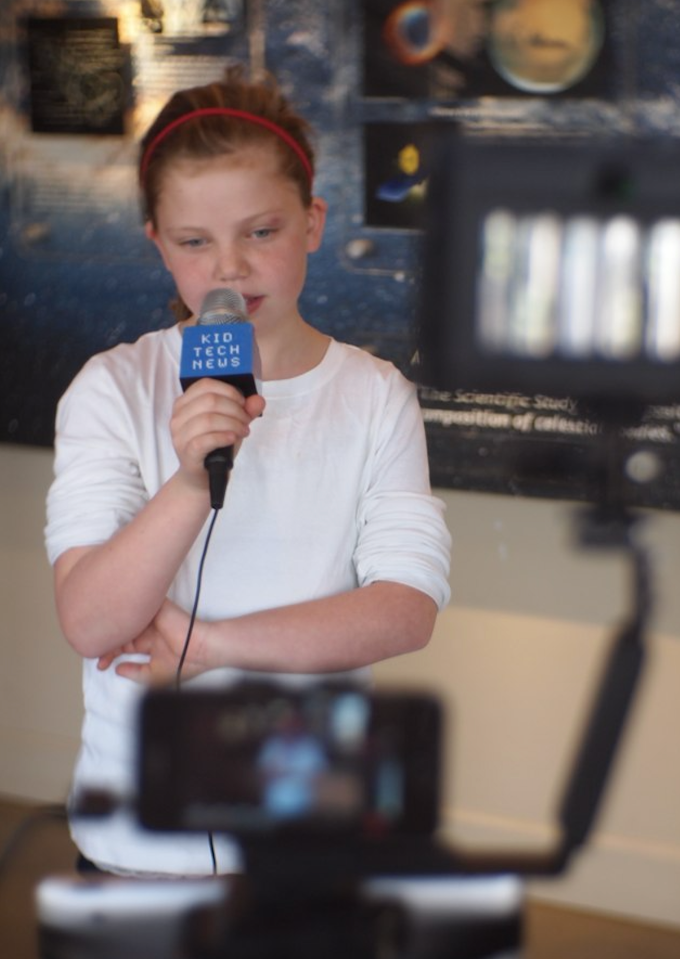
How to help students become better conversationalists and more thoughtful citizens
Frederick J. Ryan, Jr.’s career spans law, politics, journalism, and nonprofit leadership. He served as Ronald Reagan’s Chief of Staff and later as publisher and CEO of The Washington Post (2014–2023). He co-founded Politico and currently chairs the Ronald Reagan Presidential Foundation & Institute, where he leads its new Center on Civility and Democracy.
ARTICLE: Teach Them to Disagree: Why Civility Belongs in Every Classroom
Zines
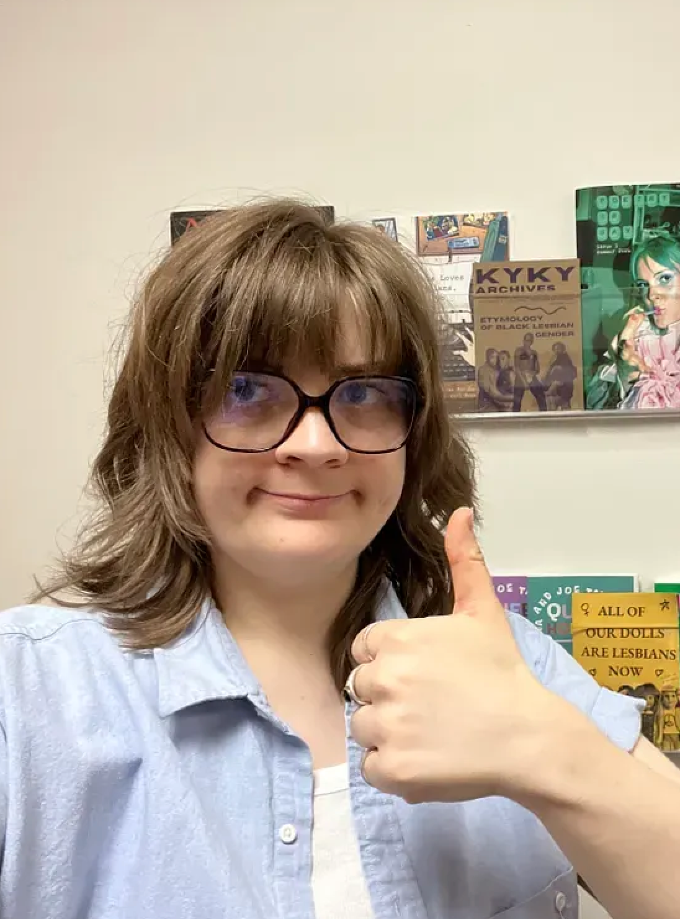
Zines can help us reshape what we teach for.
Abby Schleifer is the First Year Outreach Services Librarian at Pace University’s Birnbaum Library. In May, she shared a short reflection in her newsletter:“Hey, I work with college students often. Do you know what brings their attention back to the surface after years of Zoom classes, Generative AI cheating, and smartphone overload?"
ARTICLE: Paper Cuts Over Cut-and-Paste

