August 21, 2026
Teaching
Given curiosity, access, and one another, learners can create knowledge together.
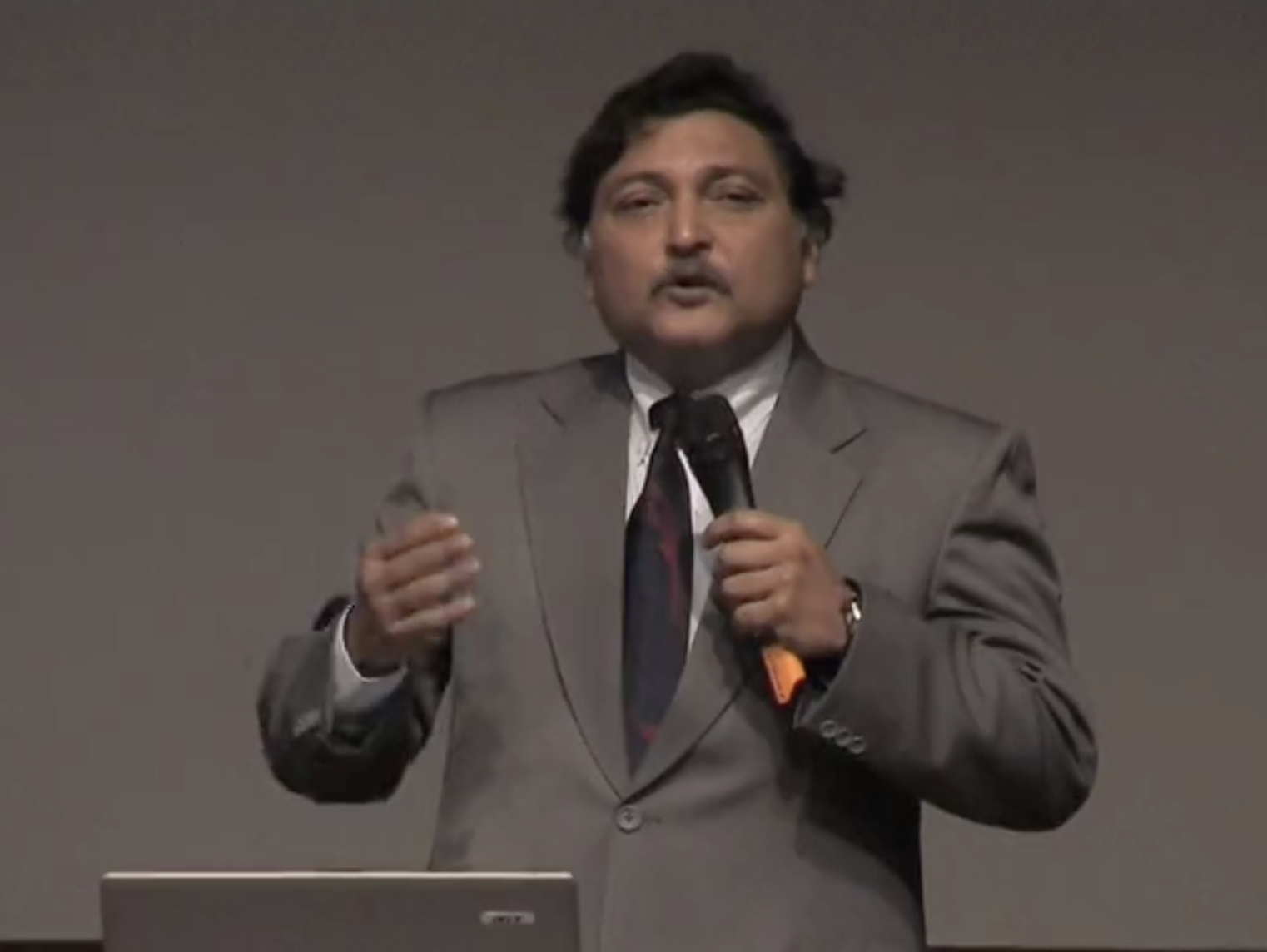
In 1999, Sugata Mitra and his colleagues wondered what children might learn on their own if you gave them access to powerful learning tools and then left them to figure things out for themselves.
So they conducted a wonderfully audacious experiment. They cut a hole in a wall bordering a poor neighborhood in New Delhi, installed an internet-connected computer, and left it there.
They provided no instructions and no teacher. The computer was simply there for the neighborhood children to use.
Before long, children gathered around it and began experimenting. They clicked on things, watched one another, and shared what they discovered. When one child figured something out, others picked it up. Together they learned to navigate the computer, open programs, find things online, and teach what they had learned to other children.
Mitra was fascinated. So he tried versions of the experiment in other communities. Again and again, he saw the same basic pattern: given access to powerful tools and the freedom to explore together, children could figure out a remarkable amount on their own.
Mitra called his approach “minimally invasive education.” In his 2007 TED talk, “Kids Can Teach Themselves,” he asks the obvious next question: If children can teach themselves how to use a computer, what else might they be able to teach themselves?
That question led Mitra to spend years experimenting with what he eventually called Self-Organized Learning Environments. Give a small group of children access to the internet and a big, interesting question, then give them room to pursue it together.
What happens is different from the solitary image we often have of self-directed learning. The children talk. They disagree. They look over one another’s shoulders. Someone discovers something and shares it. Another child follows a different trail. Knowledge moves around the group.
The teacher still has a role, but it changes. Instead of being the primary source of information, the teacher can pose an interesting question, create the conditions for exploration, encourage the students, and help them make sense of what they discover.
Mitra’s experiments have inspired plenty of debate about how far we should take his conclusions, but one thing is clear. Learning doesn’t have to travel in one direction, from someone who knows to someone who doesn’t. Given curiosity, access, and one another, learners can create knowledge together. And sometimes the most powerful thing a teacher can do is start that process.
TED TALK: Kids Can Teach Themselves