August 21, 2026
Teaching
Play is how children practice being human.
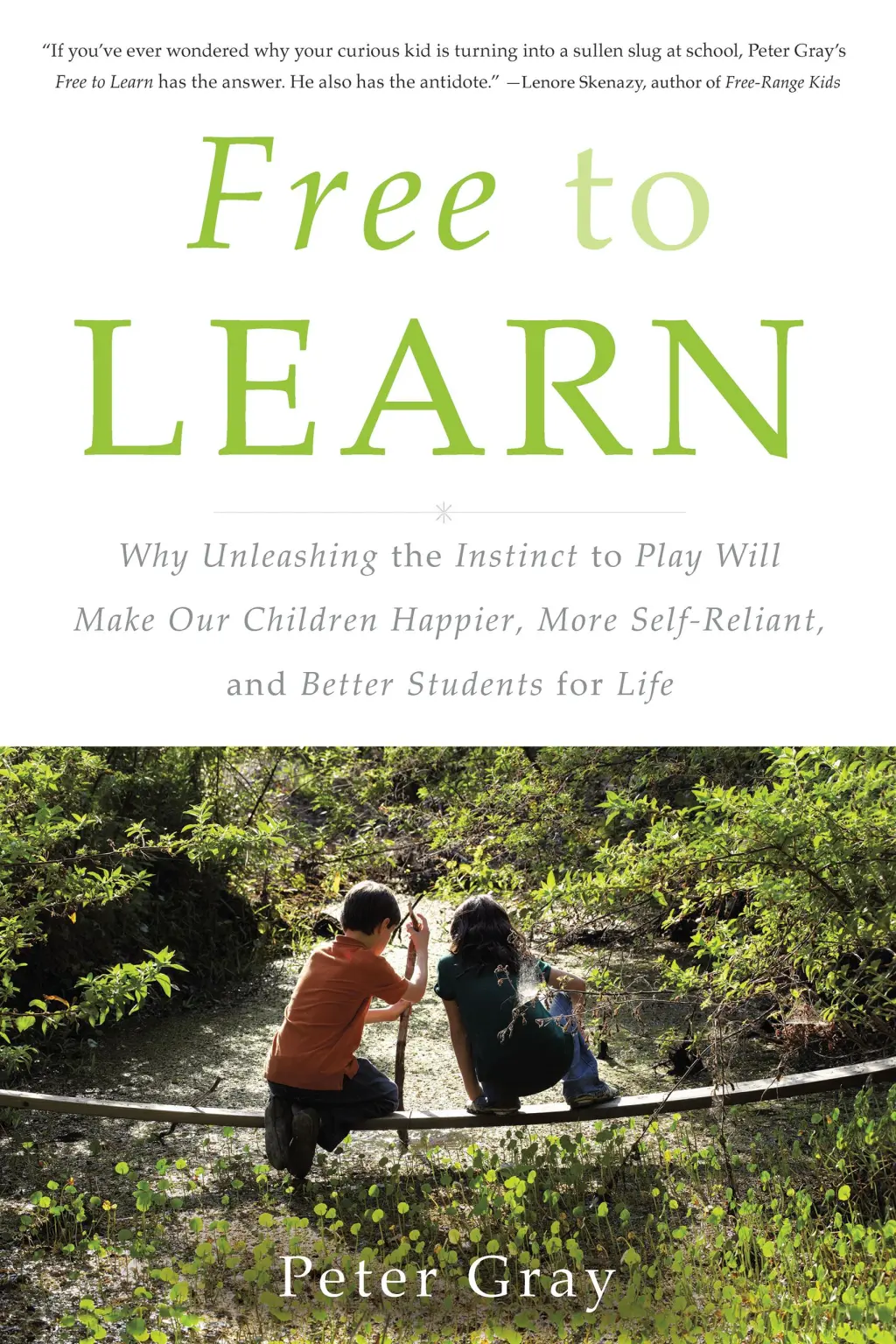
Peter Gray is a research professor of psychology at Boston College. But his interest in how children learn became personal when his own son struggled in school.
So Gray and his wife began searching for an alternative to their local public school. They found the Sudbury Valley School in Massachusetts, where almost everything they assumed about school was turned upside down. Students had extraordinary freedom to decide how to spend their time.
Gray was especially struck by how often the students played. He wasn’t talking about organized sports or activities that adults had designed for them. He was interested in something much more basic: what happens when children invent their own games and decide for themselves how to play them.
That interest eventually led to Free to Learn, his exploration of something adults have a tendency to underestimate: how much children are learning when they appear to be doing nothing more consequential than playing.
Watch children invent a game and a surprising amount is going on. They have to decide what the rules are, persuade other children to accept them, notice when something feels unfair, resolve disagreements, manage frustration, take risks, change strategies, and keep the game interesting enough that everyone wants to continue.
None of this works very well if an adult is constantly stepping in. The game itself provides the feedback. If you are too bossy, the other children may refuse to play with you. If the rules are unfair, somebody objects. If you take a foolish risk, you live with the result. If the game becomes boring, you have to make it better.
Gray sees play as a kind of rehearsal for life. Children practice cooperation without being given a lesson in cooperation. They learn emotional control because losing your temper can end the game. They develop judgment because choices have consequences. They stretch their imaginations by creating worlds that didn’t exist five minutes earlier.
They also discover something harder to teach directly: other people have minds, desires, boundaries, and ideas of their own.
Gray worries that children have steadily lost access to this kind of unsupervised play. School takes more time. Homework takes more time. Organized activities take more time. Even play increasingly arrives with coaches, schedules, adult supervision, and predetermined goals.
The problem isn’t simply that children are having less fun. They are losing one of the places where human beings have always practiced becoming social, capable, adaptable people.
That is what makes Free to Learn useful in a conversation about teaching. Not every important lesson needs a teacher. Some require a playground, a few other kids, and enough freedom for the game to become theirs.
BOOK: Free To Learn