Economics
How we organize ownership, exchange, wealth, and resources—and how economic systems can serve communities while respecting the limits and interdependence of a living planet.
Part of Love & Work's continuing inquiry into what human beings are capable of becoming.
ECONOMICS
The Wealth We Can't Build Alone
Resilient communities, healthy economies, and shared prosperity may be the best investment we can make.

Pandilla Moyobambina, a traditional couples' dance performed during the Fiesta de San Juan in Moyobamba, Peru's San Martín region. Photo by Bill Salazar
A good community insures itself by trust, by good faith and good will, by mutual help. A good community, in other words, is a good local economy.” —Wendell Berry
For generations, wealth promised security. Work hard, invest wisely, build a successful business, and you could create a safe future for yourself and your family.
Today that bargain feels more than a little shaky.
...read more

ECONOMICS, STEWARDSHIP
Business can’t thrive on a burning planet
Capitalism has proven remarkably good at generating wealth. It’s much less reliable at protecting the conditions that make wealth possible.
BOOK: Reimagining Capitalism in a World on Fire
ECONOMICS, COMMON GOOD
Economies don't simply measure value. They define it.
Mariana Mazzucato has spent years challenging one of economics’ most fundamental assumptions. Economies don’t simply measure value—they define it.
BOOK: The Value of Everything

economics, values
Safe futures are good business.
We often hear that markets reward what people value. But markets can only function well when they rest on values they cannot create themselves. Mark Carney explores what happens when market value begins to crowd out the social and moral values that make markets possible.
BOOK: Value(s): Building a Better World for All
COMPANY, ORGANIZATIONAL strategy
Sustainability is becoming the operating system of resilient organizations.
For years, companies framed sustainability as a matter of corporate responsibility—a way to reduce environmental harm, strengthen reputation, and meet stakeholder expectations.
ARTICLE: Corporate Sustainability Is Now a Resilience Strategy
"Progress is people flourishing."
-Ted Gioia
Common Good
Human Rights
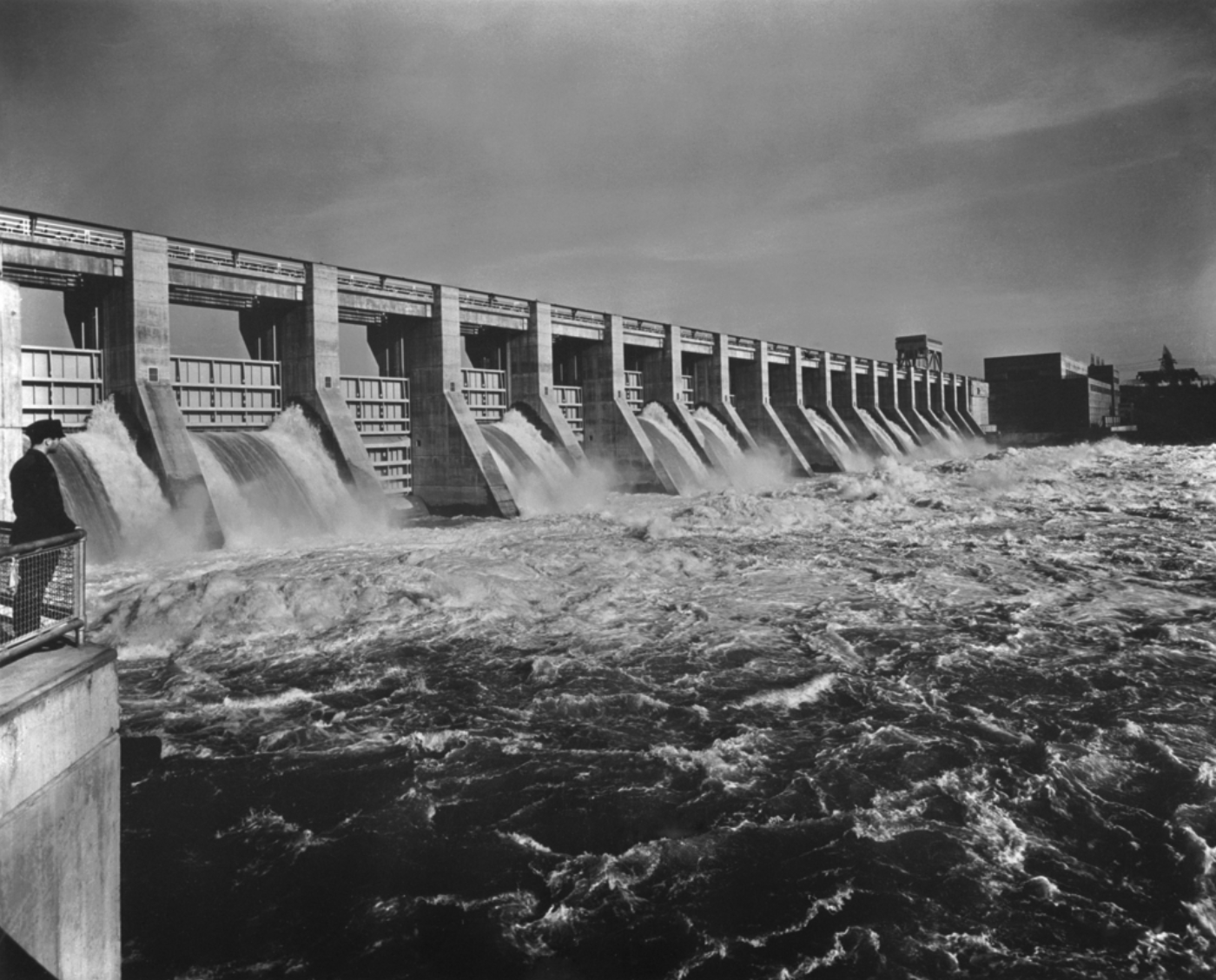
What if we used the principles outlined in the Universal Declaration of Human Rights to define U.S. industrial policy?
President Franklin Roosevelt’s New Deal—which included the construction of the Bonneville Lock and Dam to improve navigation on Columbia River and provide hydropower to the Pacific Northwest—is an example of past U.S. industrial policy.
ARTICLE: Centering People and the Environment
Political Economy
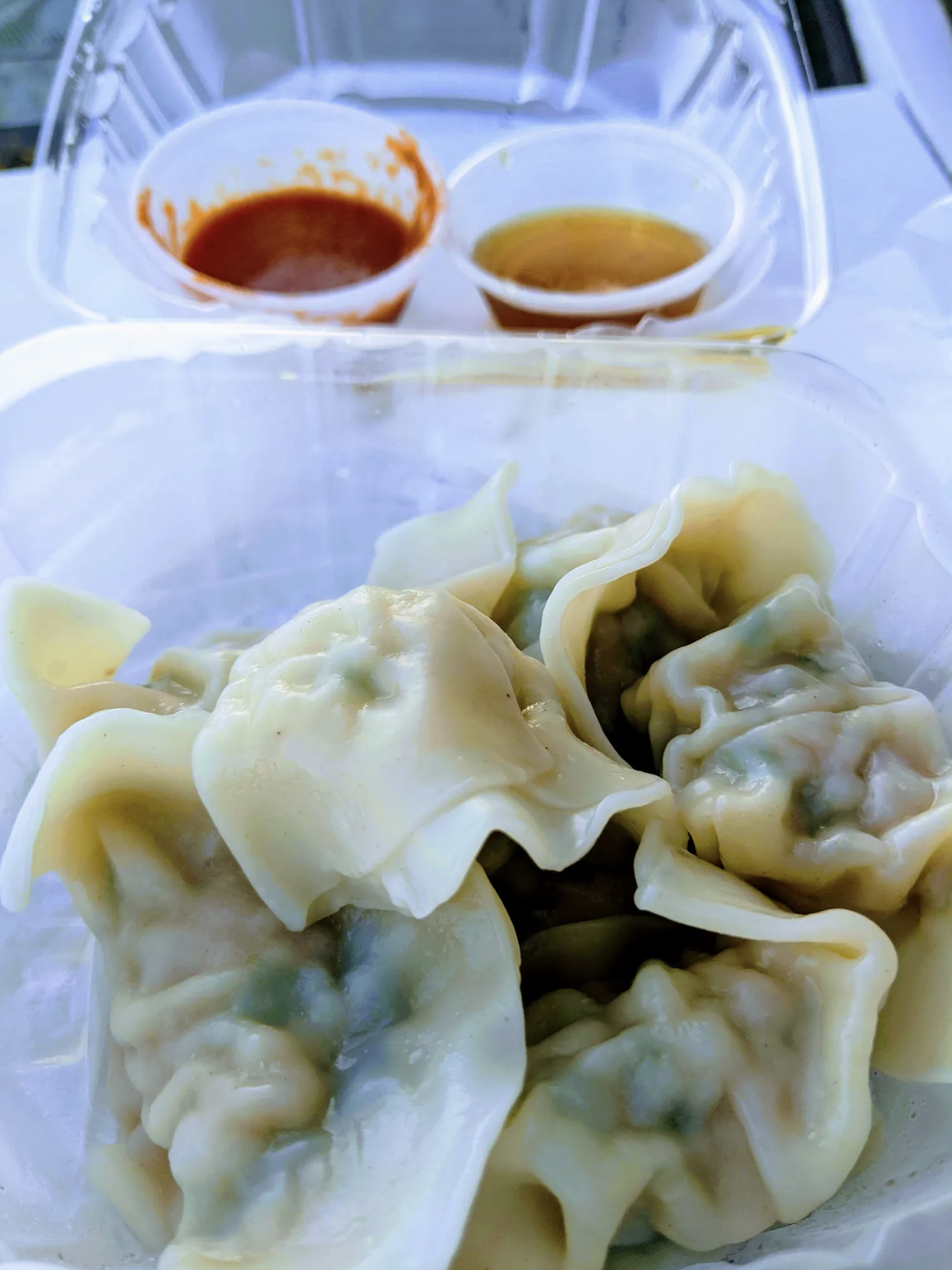
Arun Gupta leads food tours around New York City. He's often asked why the same dish might be three of four times as expensive in one restaurant than another restaurant a block or two away.
"The reason for this divergence in price and quality comes to down to how migration, labor and immigration laws, supply chains, and culture all interrelate." - Arun Gupta
ARTICLE: The Political-Economy of Chinese Dumplings or Why the Cheapest Foods are Often the Tastiest
Employee Ownership
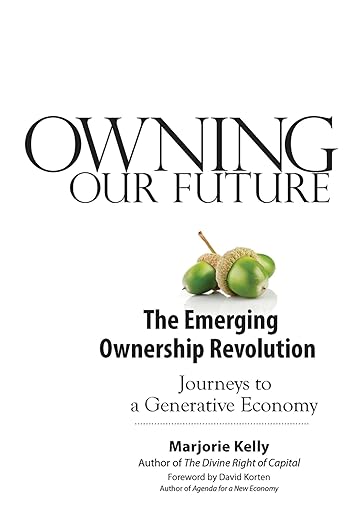
'We are in the midst of the most creative period of economic innovation since the dawn of the Industrial Revolution.'
“This is a book about deep change. It’s about hope. It’s about the real possibility that a fundamentally new kind of economy can be built, that this work is further along than we suppose, and that it does deeper than we would dare to dream."
WEBPAGE: Owning Our Future: The Emerging Ownership Revolution. Journeys to a Generative Economy
Sustainable Development
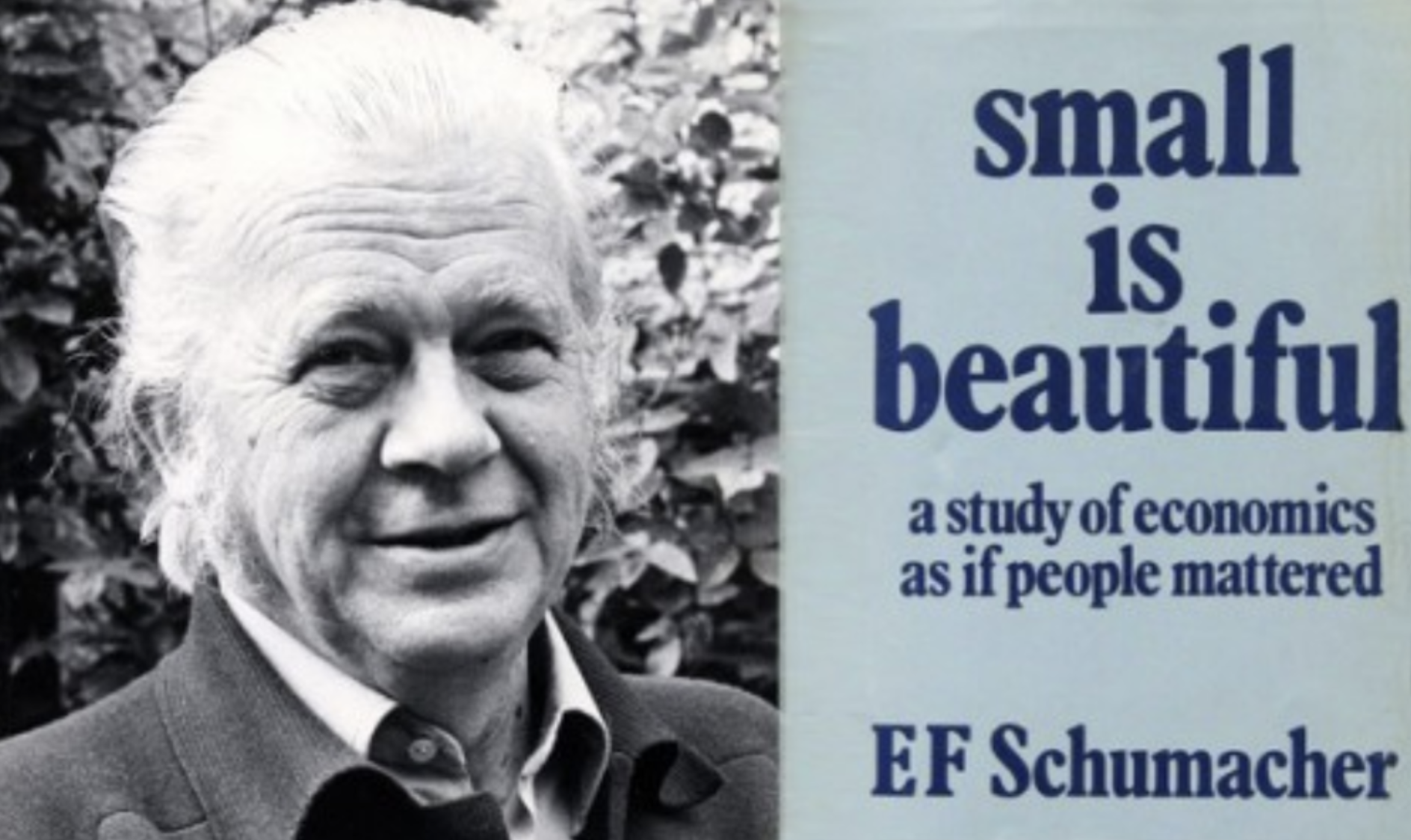
Small is Beautiful
Coming of age in the early 70s I was influenced by a small but influential group of thinkers who channeled the promise of a new age into realistic practicums. EF Schumacher was on the foundational reading list. This week my friend and colleague, John Abrams, wrote a good appreciation of a book from which we are still learning.
BOOK REVIEW: Small is Beautiful
Systems Thinking
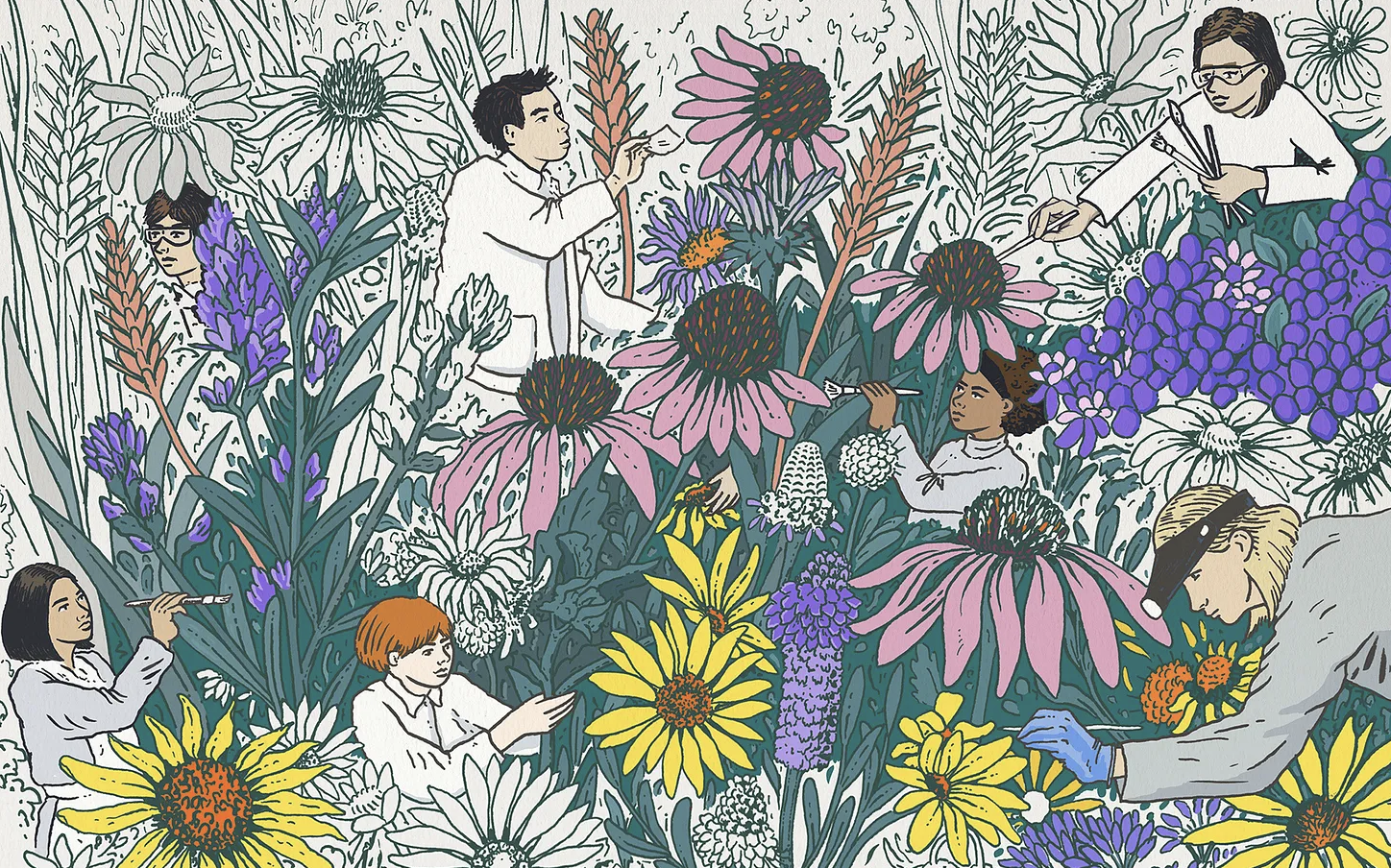
Ecologists take a nuanced, evidence-based approach to intervening in complex adaptive systems. This is how complexity thinking could reboot our approach to public policy.
"Like ecologies, economies are complex adaptive systems. They exhibit feedback loops, delays, adaptation, path dependence, nonlinearity, emergent phenomena and — importantly — people.
ARTICLE: Designing an Economy Like an Ecologist
Cooperation
Circular Economy
Kate Raworth
Doughnut Economics
'Life doesn't happen in money. Life happens in nature.'
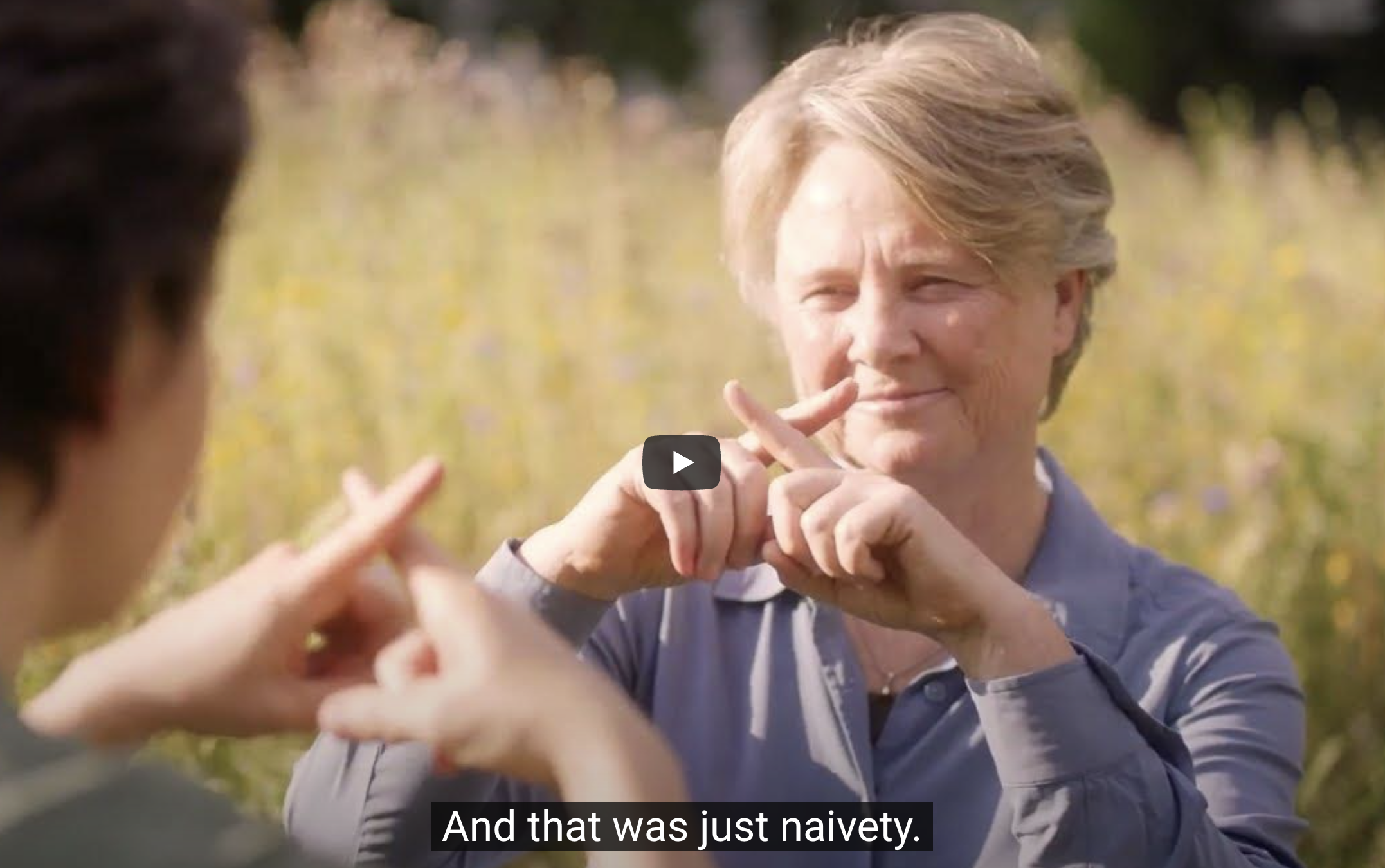
In her book Doughnut Economics Kate Raworth outlines seven ways to "think like a 21st century economist". In this talk she reconsiders the assumption that humanity is only self-interested and competitive. She is contagiously excited by the fact that at our best we are actually very collaborative and adaptive.
VIDEO: Kate Raworth - Trees As Infrastructure
Finance
'Nature, underpinned by biologically diverse ecosystems, plays a critical role for national economies and people’s livelihoods and health.'
There is a growing recognition of the need to transition to sustainable business models that protect biodiversity and ecosystem services. Finance and innovative financial solutions are key to supporting this transition; and biodiversity finance has emerged as a fast-growing area in green finance with increased interest from investors, financial institutions, and issuers globally. Currently, however, there is no guidance in the market on project eligibility criteria for biodiversity finance.
PUBLICATION: Biodiversity Finance Reference Guide

Common Good
'Many of the key political and economic institutions of our society have abandoned their commitments to the common good — and along the way, abandoned the bottom half of the adult population.'
"Much of the public no longer believes that the major institutions of America are working for the many; they are vessels for the few."
BOOK EXCERPT: Why Have So Many Americans Succumbed to Trumpism?
Sociology
Economics as if people mattered
From my seat at the table it appears that economics is the study of who thrives, who stagnates, who gets left out—and how we might actually fix it. It's for this reason that in a polarized world I find The Financial Times and The Economist to be trusted sources of news and analysis.
PODCAST: Technically Economics
Quality
Quality
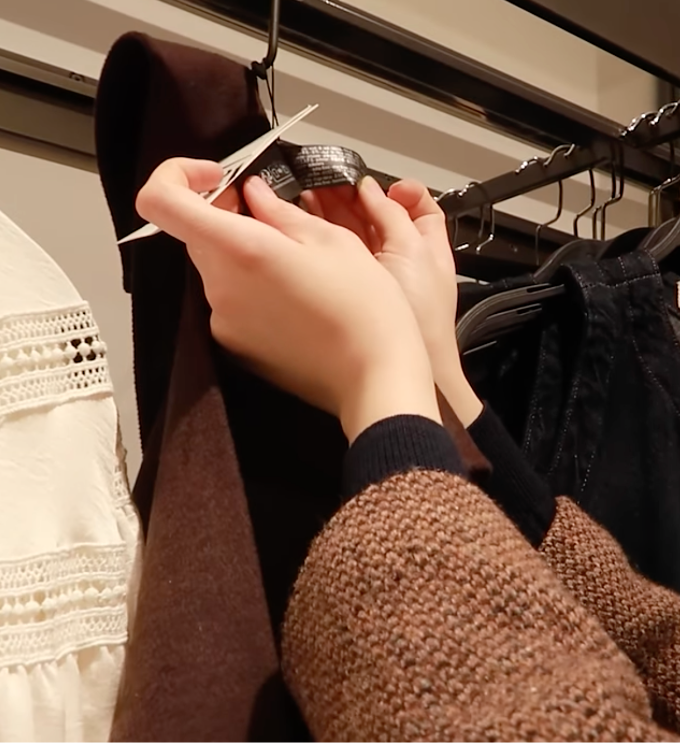
How to assess the quality of clothing in an age of fast fashion and cost-cutting
Bernadette Banner cares about clothing. She is passionate about reconnecting with the intrinsic value that clothing once held—back when people owned only a few garments that lasted and were cared for lovingly. To her clothing historically had “an intrinsic value that we just don't have today,” and in her work she tries to rediscover that sense of worth.
VIDEO: How to Identify Quality in Clothing (A Rant)
Supply Chains
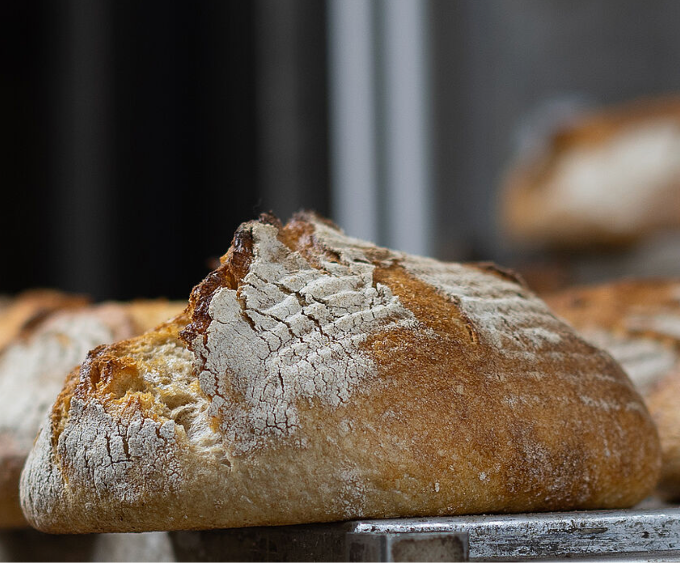
A bakery storefront can be more than a point of sale; it can be a public stage for changing food systems.
Around the world, economic and environmental pressures are growing for people working across the grain and legume value chain. Climate change is hurting cereal yields, baking qualities are declining, and operational costs are rising. But prices have barely moved.
ARTICLE: The Rise of a New Grain Alliance – Germany’s Free Bakers Sow the Seeds of Change