February 7, 2025
Economics
'If all adults in the UK bought half of their next wardrobe second-hand instead of new, it would prevent 12.5 billion kg of carbon emissions.'
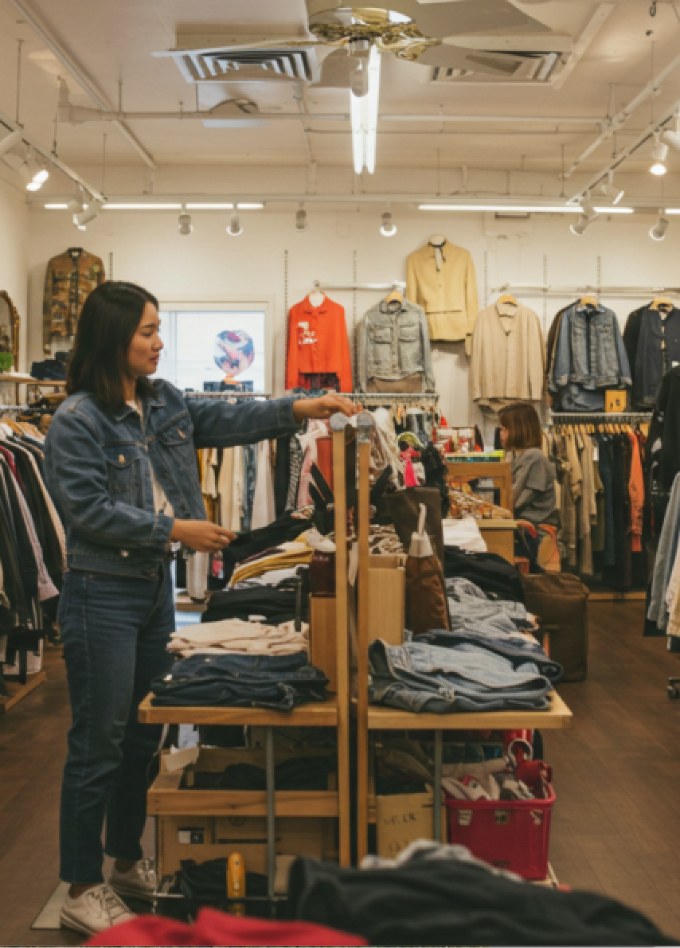
Innovations such as AI-driven inventory management and extended digital resale platforms have made business access and management of second-hand stock easier than ever. AI-Generated Image from Google Labs
Innovations such as AI-driven inventory management and extended digital resale platforms have made business access and management of second-hand stock easier than ever. AI-Generated Image from Google Labs
"Second-hand wholesale involves purchasing pre-owned goods in bulk. These items are often sourced from returns, overstock, or gently used products. Its appeal lies in the growing demand for sustainability, affordability, and uniqueness in consumer products. Retailers find it a cost-effective way to stock their shelves, while consumers embrace the quality and individuality of second-hand products.
"The global second-hand clothing market is expected to grow to $350 billion USD by 2027, highlighting the increased importance of environmental awareness, especially with the younger generations. Factor in other second-hand goods and this is a sizeable opportunity." - Charles MacGregor