June 9, 2023
Economics
'Life doesn't happen in money. Life happens in nature.'
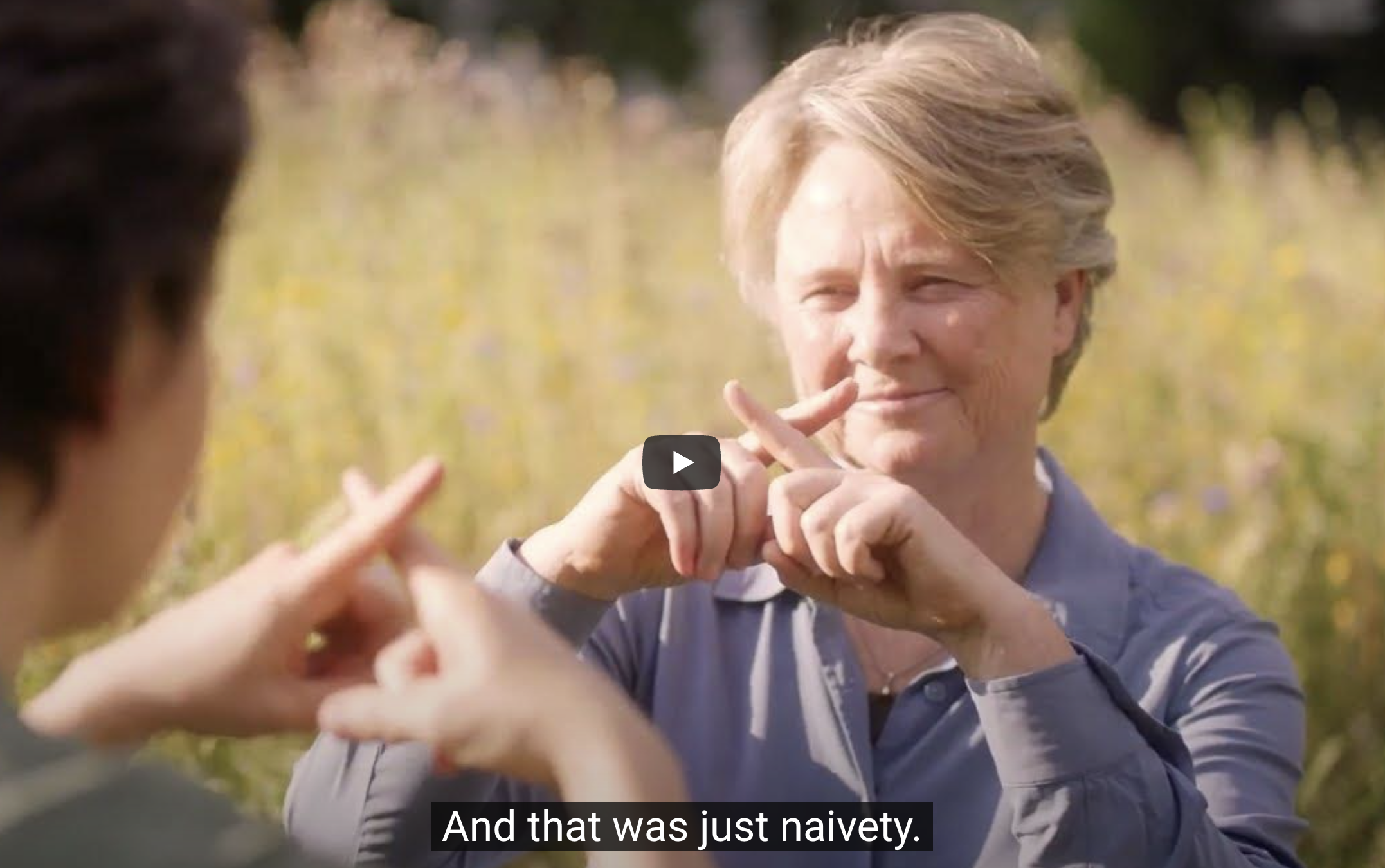
Janine Benyus, left, co-founder of the Biomimicry institute, with Kate Raworth, author of Doughnut Economics
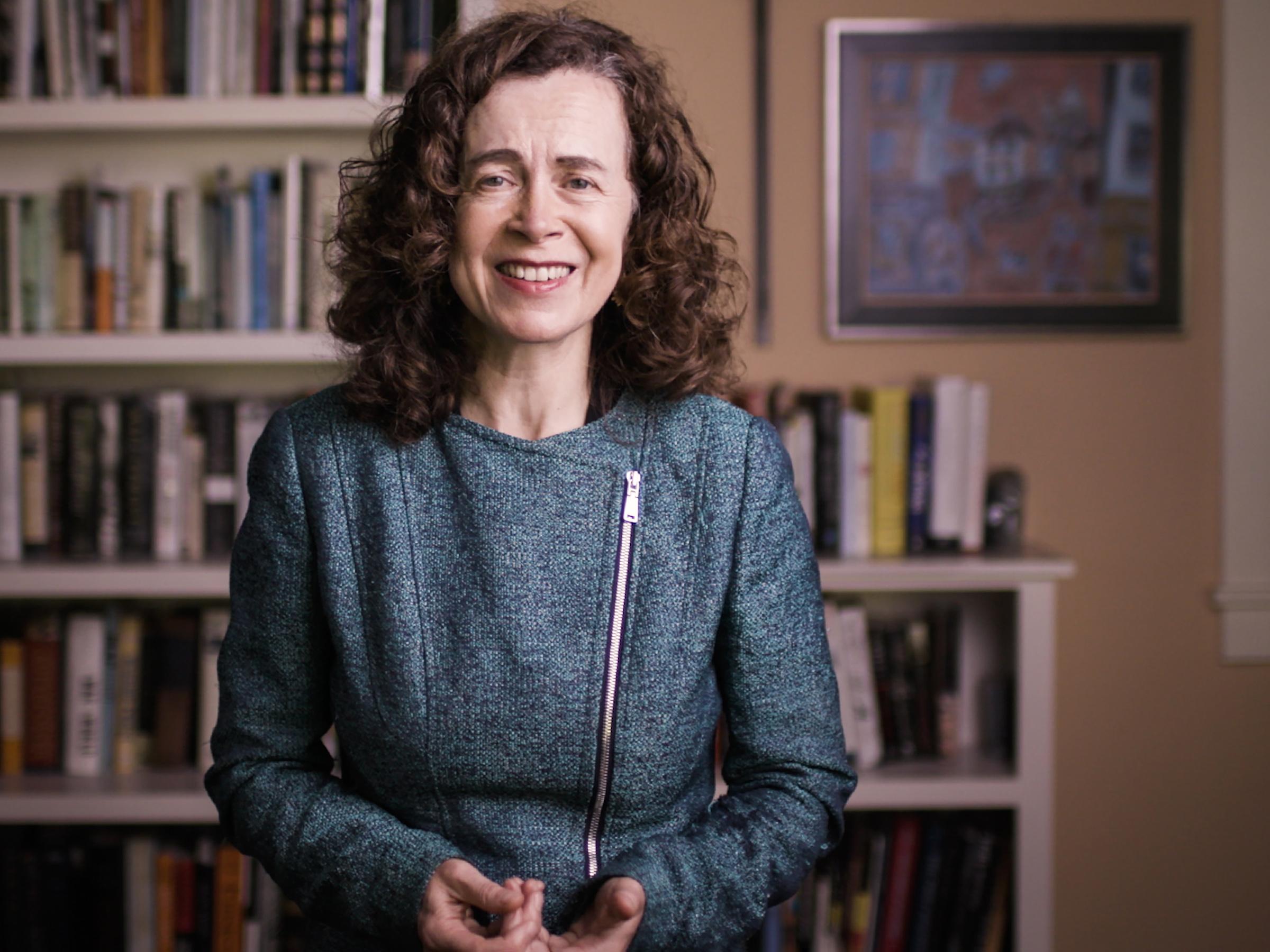
In her book Doughnut Economics Kate Raworth outlines seven ways to "think like a 21st century economist". In this talk she reconsiders the assumption that humanity is only self-interested and competitive. She is contagiously excited by the fact that at our best we are actually very collaborative and adaptive. She convincingly shows that time's up on relying on GNP as the guiding principle of our economic system. She observes that we already know how to measure the well-being of people and planet in natural and social metrics on the terms of life itself. Now we just need to apply what we know to co-design economic systems that match the performance of natural ecosystems. We just let nature be our guide.