Economics
How we organize ownership, exchange, wealth, and resources—and how economic systems can serve communities while respecting the limits and interdependence of a living planet.
Part of Love & Work's continuing inquiry into what human beings are capable of becoming.
ECONOMICS
The Wealth We Can't Build Alone
Resilient communities, healthy economies, and shared prosperity may be the best investment we can make.

Pandilla Moyobambina, a traditional couples' dance performed during the Fiesta de San Juan in Moyobamba, Peru's San Martín region. Photo by Bill Salazar
A good community insures itself by trust, by good faith and good will, by mutual help. A good community, in other words, is a good local economy.” —Wendell Berry
For generations, wealth promised security. Work hard, invest wisely, build a successful business, and you could create a safe future for yourself and your family.
Today that bargain feels more than a little shaky.
...read more

ECONOMICS, STEWARDSHIP
Business can’t thrive on a burning planet
Capitalism has proven remarkably good at generating wealth. It’s much less reliable at protecting the conditions that make wealth possible.
BOOK: Reimagining Capitalism in a World on Fire
ECONOMICS, COMMON GOOD
Economies don't simply measure value. They define it.
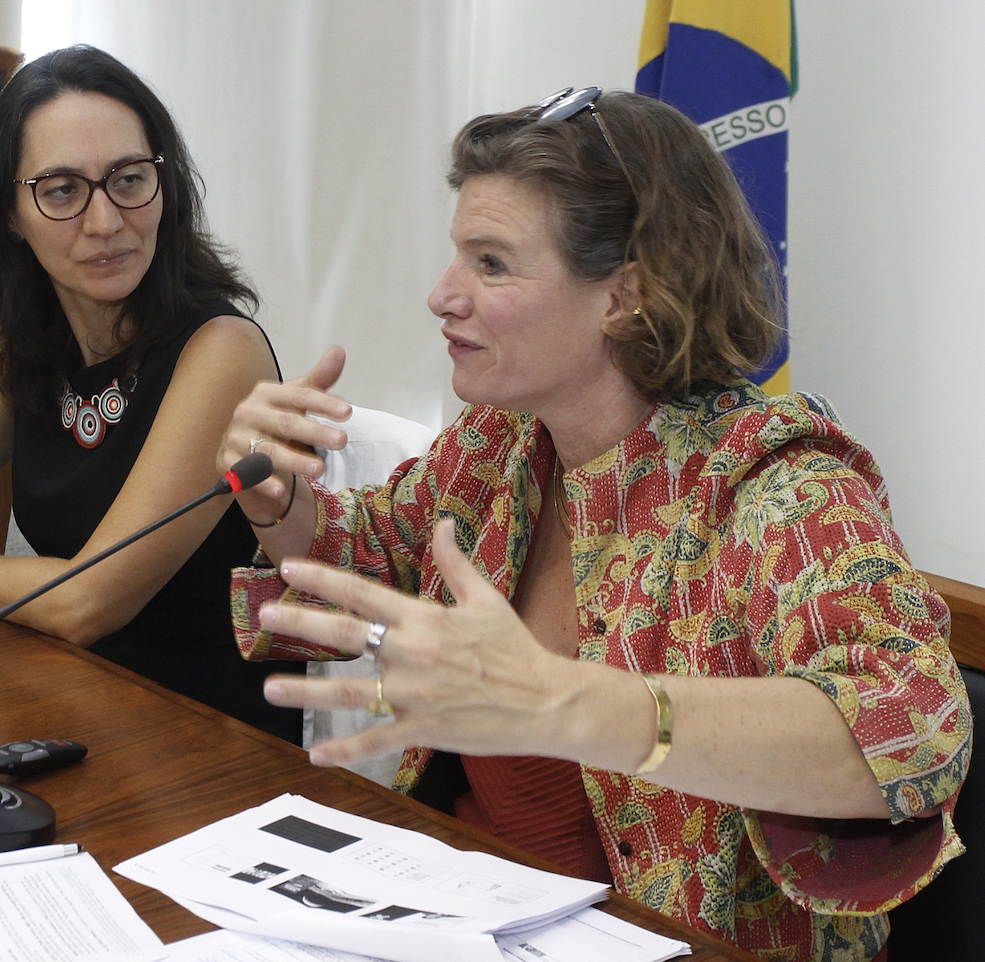
Mariana Mazzucato has spent years challenging one of economics’ most fundamental assumptions. Economies don’t simply measure value—they define it.
BOOK: The Value of Everything

economics, values
Safe futures are good business.
We often hear that markets reward what people value. But markets can only function well when they rest on values they cannot create themselves. Mark Carney explores what happens when market value begins to crowd out the social and moral values that make markets possible.
BOOK: Value(s): Building a Better World for All
COMPANY, ORGANIZATIONAL strategy
Sustainability is becoming the operating system of resilient organizations.
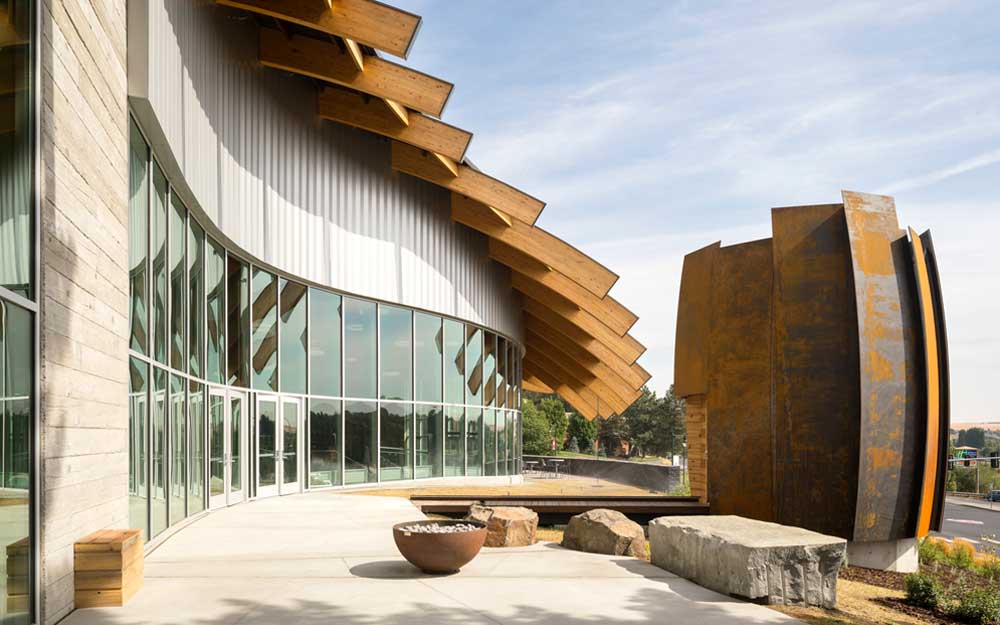
For years, companies framed sustainability as a matter of corporate responsibility—a way to reduce environmental harm, strengthen reputation, and meet stakeholder expectations.
ARTICLE: Corporate Sustainability Is Now a Resilience Strategy
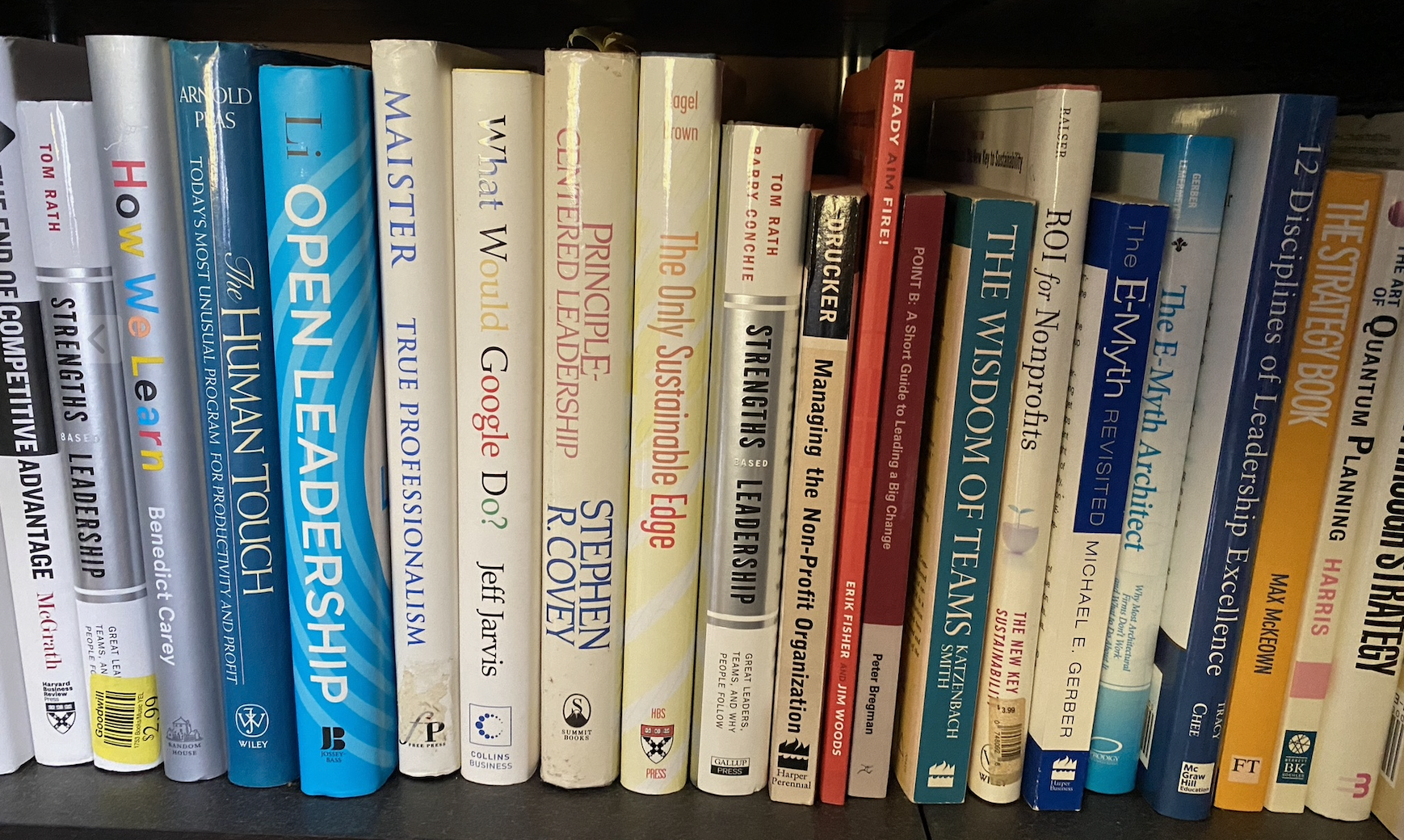
"Progress is people flourishing."
-Ted Gioia
Circular Economy
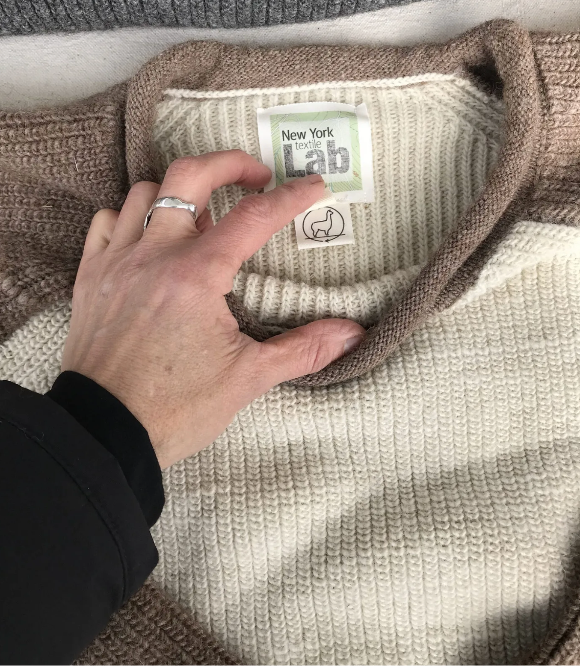
Empowering designers to connect with the beginning of the textile value chain — starting with the farms
The clothing we wear has a story—a journey from soil to garment that connects farmers, designers, and ecosystems.
ARTICLE: Designing for Connection: How New York Textile Lab is Reimagining the Fiber System
Labor
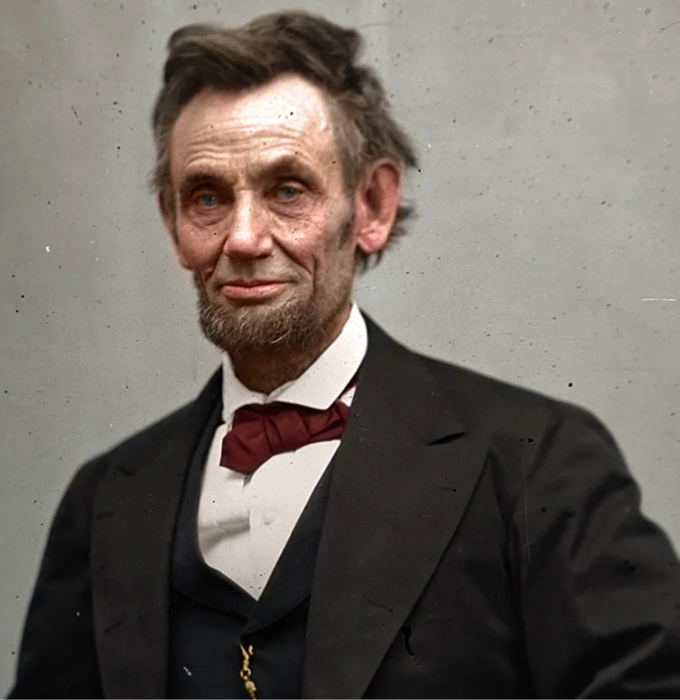
Abraham Lincoln believed that both human advancement and political stability for the American democratic republic depended on workers’ dignity and ability to improve their conditions.
In 1847, Lincoln wrote that goods rightfully “belong to those whose labour has produced them,” and any good government should ensure that workers receive the entire product of their labor “or as nearly as possible.”
ARTICLE: Abraham Lincoln’s Labor Theory of Value

