September 18, 2026
Civics
Hope is group project.
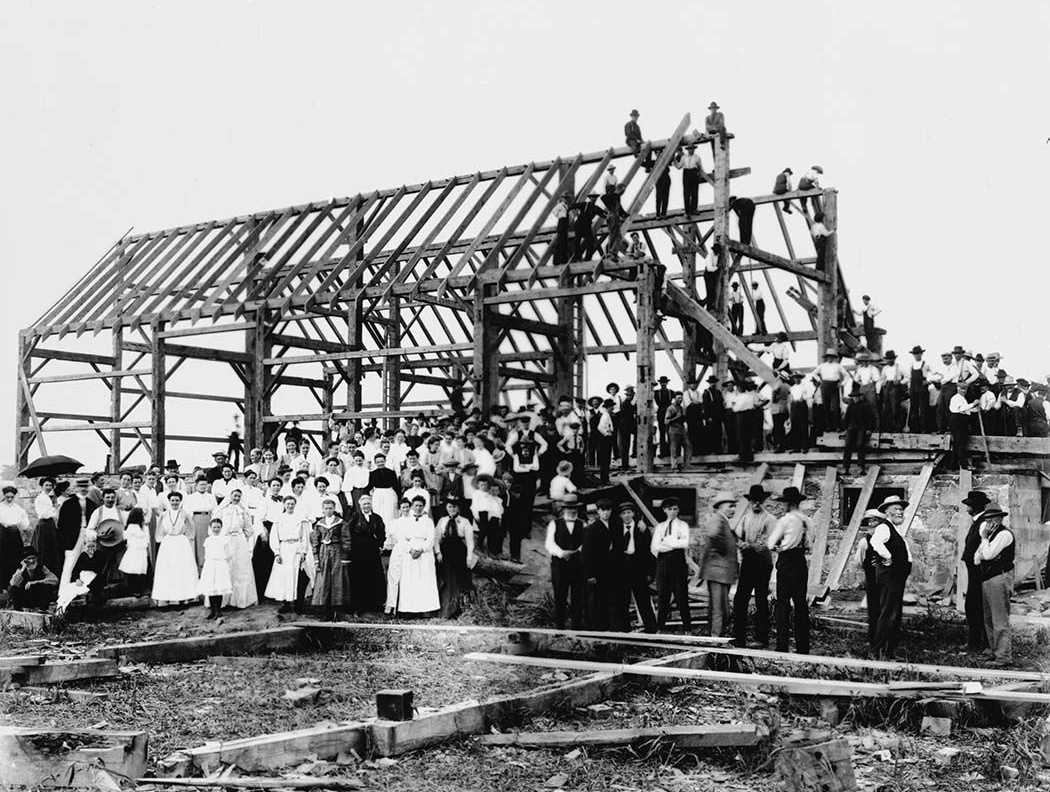
Alexander W. Galbraith, Barn Raising in Lansing (circa 1900)
We are just weeks away from a consequential midterm election, and like you I find myself increasingly frightened by what is happening to American democracy. The Trump administration continues to test the limits of presidential power and the institutions designed to constrain it. Enormous wealth increasingly buys access and influence. The rush to build massive data centers, while communities contend with their demands for power, water, and land, is only the latest obvious manifestation. Rules and norms that once seemed durable suddenly seem much less so. And all around me I hear thoughtful people wondering whether anything they do can possibly make a difference.
That last part may frighten me most. Lately I’ve been wondering what happens when enough people conclude that nothing they do matters.
Carlyn Beccia recently introduced me to a useful idea she calls the “asshole threshold.” Cooperation works when most people believe that other people will cooperate too. But when enough people cheat, exploit, lie, or simply look out for themselves, cooperation begins to seem foolish. Why follow the rules when the assholes don’t?
Eventually the cooperators begin to defect too. That sounds uncomfortably familiar. But there is another side to the story. Research on cooperation suggests that cooperators become more resilient when they find one another, interact repeatedly, and discover that cooperation can actually work.
I keep thinking about what this means for community. Maybe one reason so many of us feel powerless is that we experience the enormous problems confronting us as individuals. Climate change. Concentrated wealth. Threats to democracy. Each is far beyond anything I can affect by myself.
But community changes the scale of the question. You show up. You meet people you didn’t know. Someone listens. Someone knows something you don’t. Someone has a skill, a relationship, a building, a truck, a garden, an idea. You begin to discover what exists among you. You imagine something that none of you could accomplish alone.
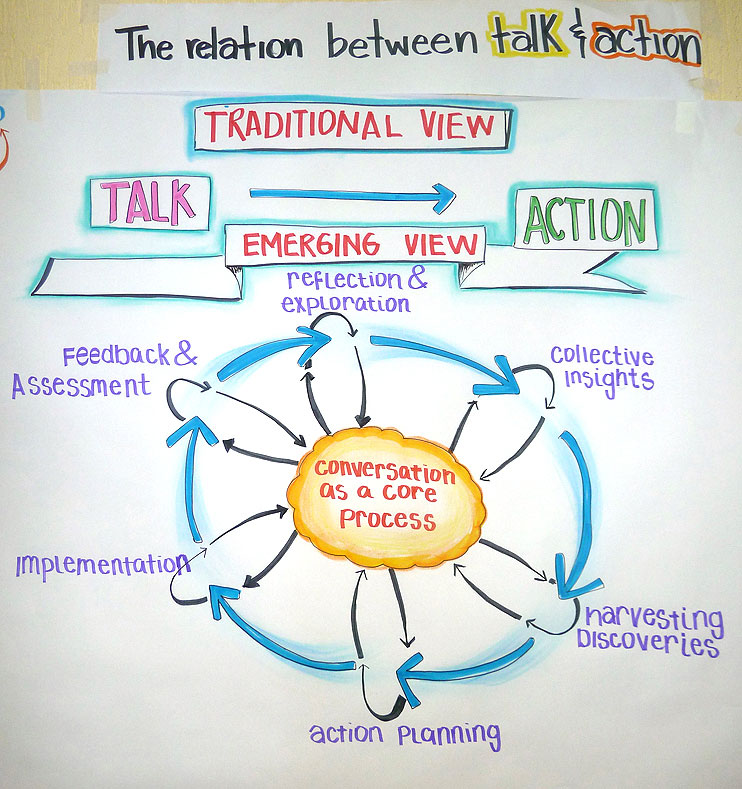
And then you do something. Something changes. That experience matters. The question shifts from What can I possibly do? to What might we be able to do together?
Maybe this is what start where you are really means. Whenever people have a chance to know one another, discover what they have among them, imagine what might be possible, and accomplish something together, they experience their own collective capacity.
These experiences are still far too rare. But each one provides evidence that cooperation works. Perhaps hope isn’t something we need to convince one another to feel. Perhaps it is something we create together.
No items found.