July 17, 2026
Civics
Start where you live: Learning to see local power
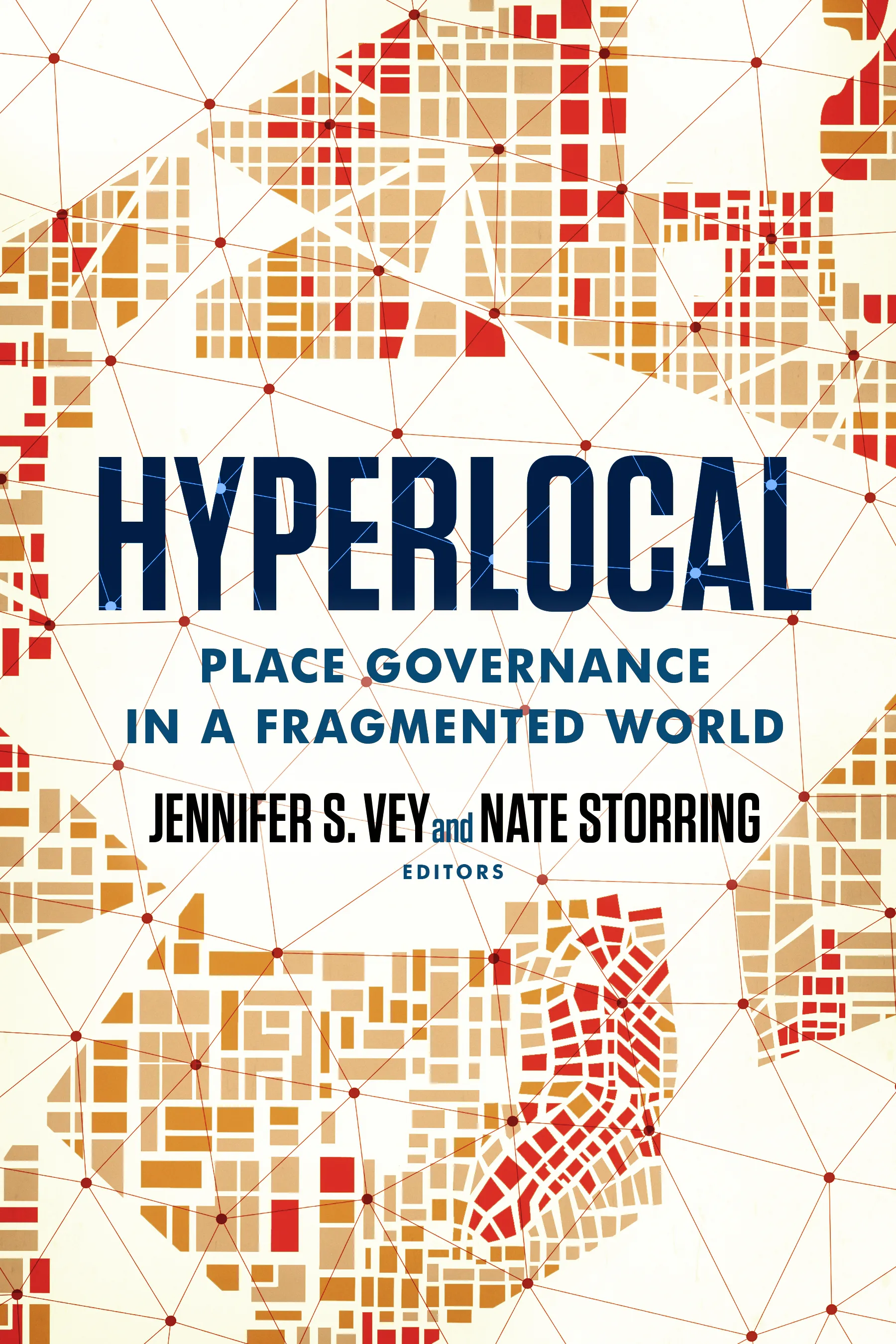
Democracy doesn’t happen only in legislatures and city halls. It also happens in the neighborhoods, districts, parks, and main streets where people decide how to live together. Hyperlocal is a book about how that work actually gets done.
The authors begin by noticing a familiar pattern. While some downtowns and waterfronts have attracted wave after wave of investment, many neighborhoods remain trapped in concentrated poverty and segregation. The question is not only what gets built, but who governs it—who decides how places are cared for, whose interests are represented, and who gets left out.
This book explores the growing ecosystem of hyperlocal institutions that have emerged to answer those questions: community land trusts, neighborhood councils, business improvement districts, conservancies, and other organizations that sit somewhere between government, markets, and civil society. Some have widened participation and strengthened local stewardship. Others have reinforced existing inequities. The point is not that local is always better, but that local governance matters.
I hadn’t fully appreciated how much governance already surrounds us until I read this book. Every neighborhood has its own way of making decisions, sharing responsibility, and exercising power. If we hope to create places that are more just, resilient, and connected, those patterns deserve our attention.
BOOK: Hyperlocal: Place Governance in a Fragmented World