September 4, 2026
Company
The revolution has a payroll department.
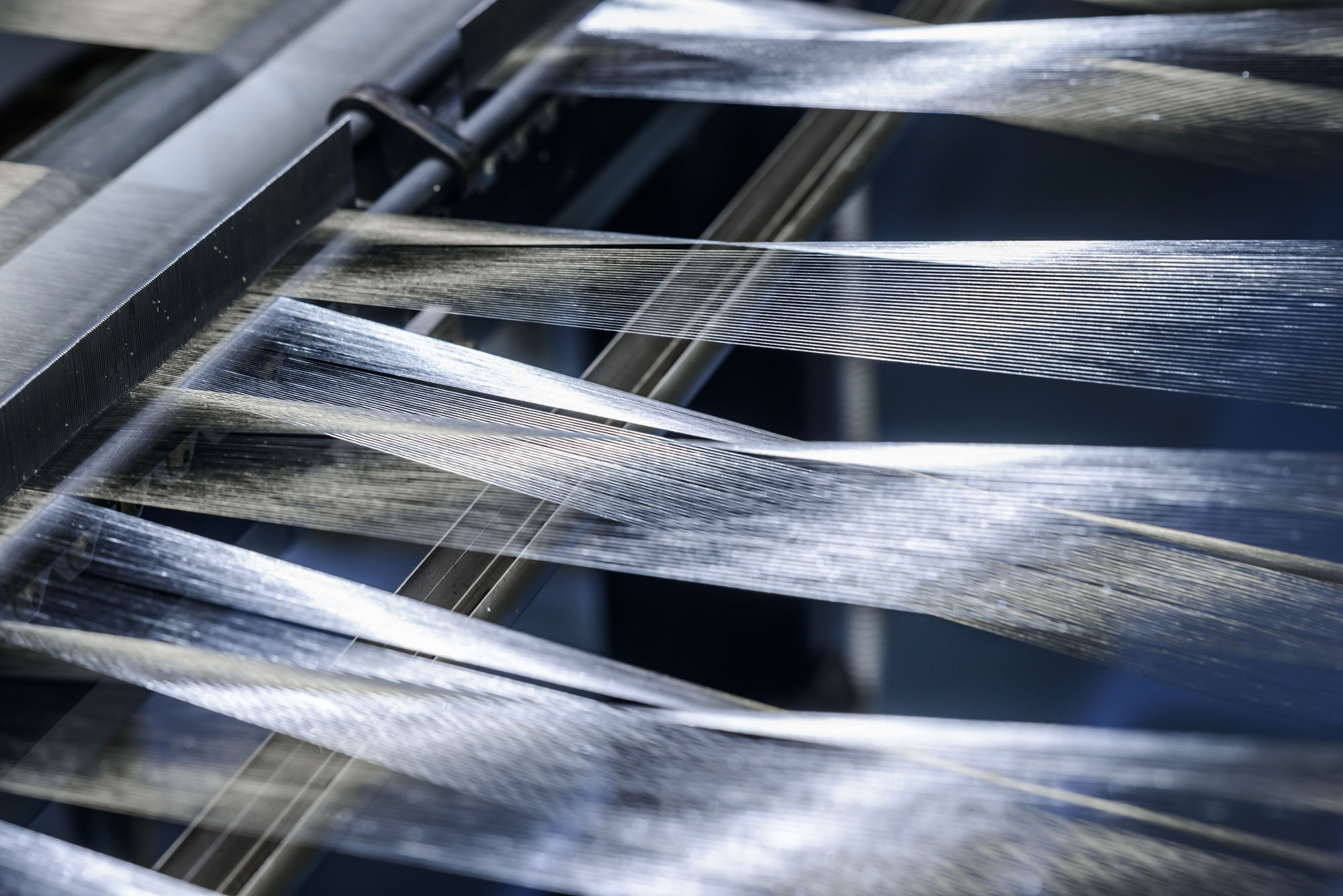
Founded in Italy in 1965, Aquafil grew from a family business into a global nylon manufacturer before turning its attention to the circular economy. Its flagship product, ECONYL, is Nylon 6 made entirely from waste, including discarded carpets, industrial plastics, and fishing nets. Aquafil breaks the waste nylon down to its molecular building block, purifies it, and turns it back into nylon with the performance of virgin material. Better still, the process can be repeated again and again without degrading its quality. Image via Interface.
I started my first business when I was 19. My then-wife and two other members of our local natural foods co-op and I opened a vegetarian café in a storefront the co-op had outgrown. It was 1973, and our generation was pretty sure we could change the world by changing the way we did business.
We weren’t only trying to sell better food. We were trying to build a different kind of place to work. The natural foods movement was full of businesses like ours: bakeries, small manufacturers, bookstores, farms and speciality distributors. Many of us had very little idea what we were doing. But we shared an intuition that the businesses we created could express the same values we were trying to live by.
That idea has stayed with me. Work is where most of us spend an enormous part of our lives. We use it to define ourselves. When we ask someone we are meeting for the first time what they do we aren’t asking about their hobbies. A career is supposed to be one of the principal ways we develop our abilities and make a contribution to the world.
And yet we often talk about companies as though their primary purpose were something else. We measure what they produce, what they earn, what they are worth, how fast they grow. Too often, the experience of the people who spend their lives inside the company comes second.
But companies are human inventions. We get to decide what they are for. Companies can concentrate authority or share it. People can follow instructions or exercise judgment. Leaders can guard information or make it available. Ownership can belong to a few people or to the people doing the work. We can measure success by what a company extracts or by what it creates and sustains.
These aren’t simply management choices. Taken together, they describe a different idea of what a company can be.
Fifty-three years after opening that café, I remain fascinated by the possibility we saw in business back then. I no longer imagine that changing the way we do business will, by itself, change the world. But I do believe companies are among the places where change becomes real.
We spend too much of our lives at work for them not to be.
No items found.