April 4, 2025
Company
'If people really understood how fashion can destroy or protect life, we would all live better.'
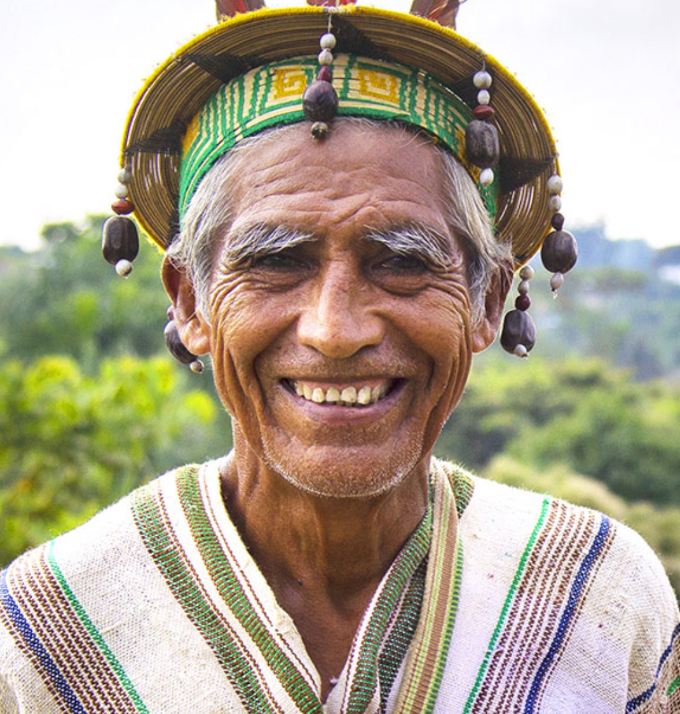
The Awajún people of the Peruvian Amazon use traditional methods to collect latex sap from shiringa trees without harming them. Shallow carvings are made on the tree trunks, allowing sap to flow into cups. The trees are then "healed with soil" and left to recover, ensuring no permanent damage. They then use the sap to waterproof fabrics, baskets, and other items, relying on artisanal methods and natural dyes derived from plants like annatto and huito.
Enter Caxacori Studio, a Lima-based company that, according to their website, develops "biomaterials and fashion accessories with environmental and social impact for companies and designers that seek to generate a change in the planet and people with their designs and products." They introduced advanced material science and scaling capabilities to make and market a new bio-leather.
So far the production of shiringa bio-leather provides a sustainable income source for 59 Awajún families. Through conservation agreements the community sets payment rates and controls forest usage, ensuring fair compensation. And working only a few days a week collecting sap, Awajún individuals can earn up to six times the average income in their region. This financial stability supports essential needs such as education and nutrition, contributing to the overall well-being of the community.
ARTICLE: Meet the Indigenous Community Offering Fashion an Alternative to Leather