Nature
What changes when we understand humans not as separate from or above nature, but as one species within an extraordinarily complex and interconnected web of life.
Part of Love & Work's continuing inquiry into what human beings are capable of becoming.
NATURE
The world is made of relationships
“When we try to pick out anything by itself, we find it hitched to everything else in the universe.” - John Muir
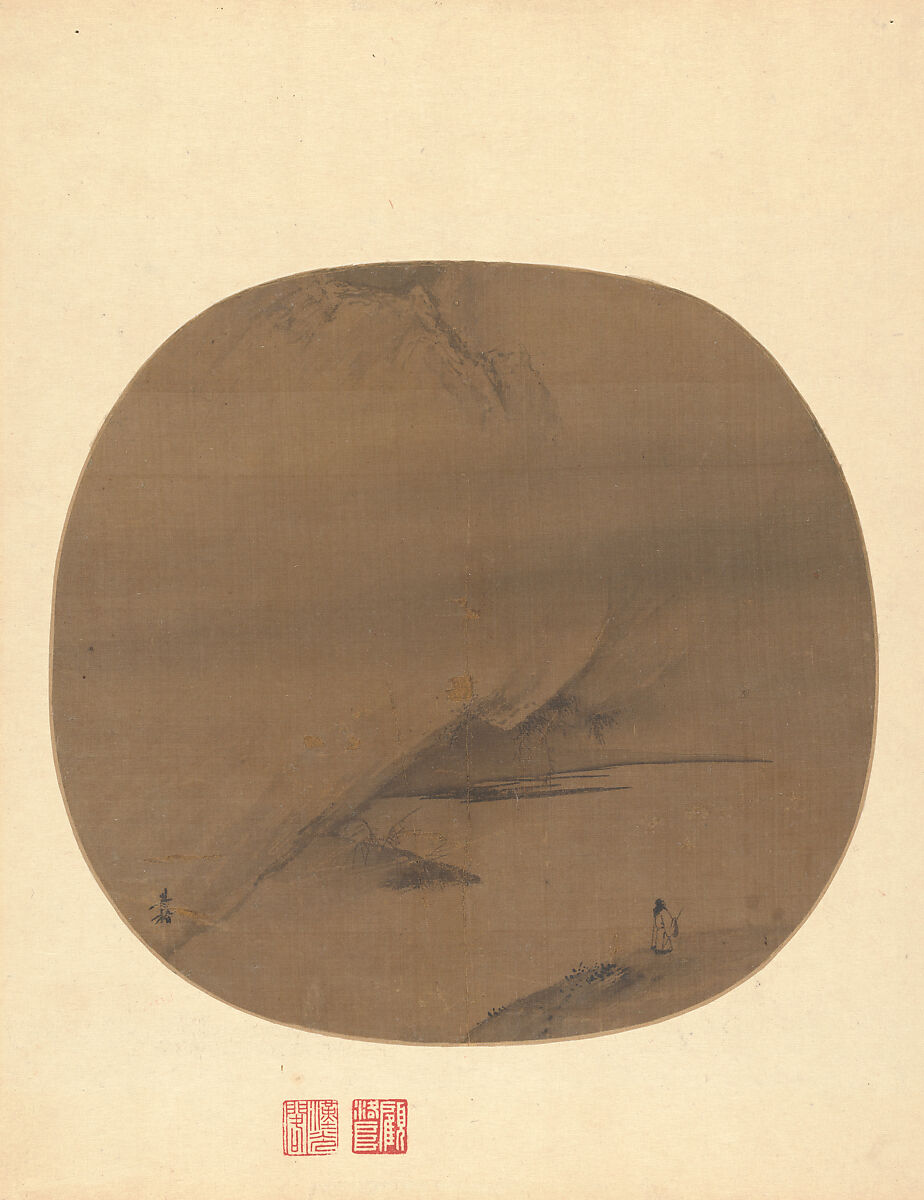
Poet strolling by a marshy bank, Liang Ka*
In the 1970s, I helped start an organization that wrote and published a magazine called New Roots: Notes on Appropriate Technology for the Northeast. Inspired by thinkers like E.F. Schumacher, we were interested in what he called intermediate technology, or what we affectionately nicknamed “A.T.”
A.T. wasn’t one fixed set of devices or techniques. It was a way of asking: Appropriate to whom, for what purpose, at what scale, and with what consequences?
One of our cover stories was about the New Alchemy Institute, a group of scientists and designers on Cape Cod. They were experimenting with ways to grow food, raise fish, design buildings, and produce energy by working with natural systems rather than overpowering them.
John Todd, one of New Alchemy’s founders, called this “biological design.” Sunlight fed plants. Plants supported fish. Waste became nutrients. One organism’s output became another’s input. The intelligence was in the relationships.
This way of seeing the world made perfect sense to me then, and it has informed my pursuit of connections ever since. Fifty years later, I keep finding the same ideas wherever I look—in ecology, systems thinking, and Indigenous traditions that understand humans not as observers or managers of the natural world, but as members of it.
There is a powerful concept that holds much of this understanding together: kinship. Kinship begins with belonging. We aren’t separate from the living world; we are part of it. And from that simple understanding springs a whole family of ideas that have shaped my thinking ever since: reciprocity, interdependence, relationship, attention, adaptation, regeneration.
I’ve spent much of my life following this same thread, trying to understand what the living world can teach us about the human systems we create together. That connection becomes clearer to me all the time. We flourish through relationship because that is how life flourishes.
And the cool news is that this way of seeing the world is no longer confined to what we once called the alternative media. It’s finding its way into the mainstream.
NATURE, ECOLOGICAL DESIGN
Nature already knows how to heal itself
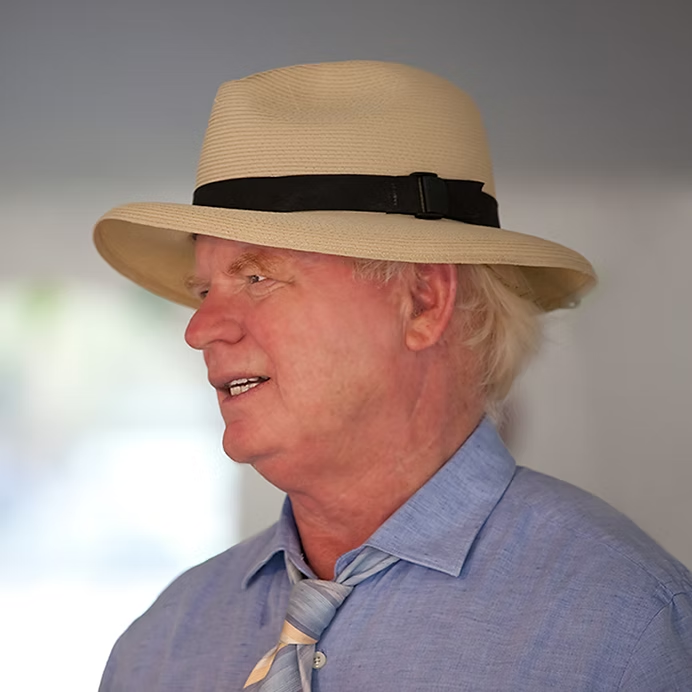
For more than fifty years, biologist John Todd has explored how human design can work with nature rather than against it. In Healing Earth, he describes projects restoring polluted ponds, treating wastewater, and repairing damaged landscapes. His approach is deceptively simple: understand how healthy ecosystems work, design with their relationships, and trust life’s remarkable capacity to repair itself.
BOOK: Healing Earth
NATURE, KINSHIP
We don’t simply depend on the living world. We belong to it.
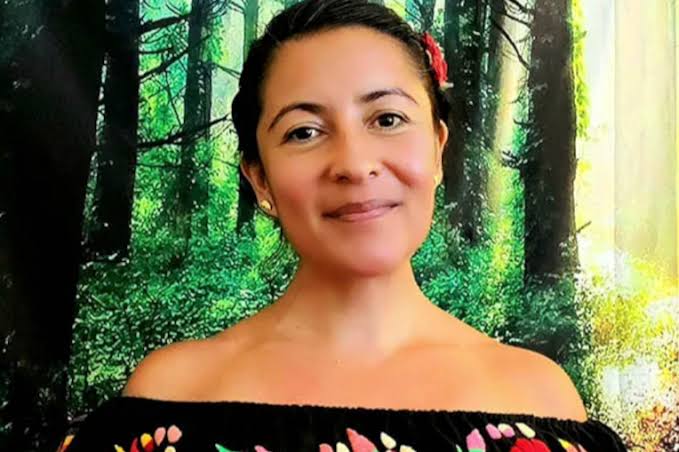
In Flourishing Kin, Indigenous scholar Yuria Celidwen offers kinship as a different way of understanding our place in the living world. We do not simply depend upon other people, species, and places; we exist through our relationships with them. Kinship turns interdependence into relationship, making reciprocity, attention, and care essential conditions for our shared flourishing.
BOOK: Flourishing Kin. Indigenous Wisdom for Collective Well-Being
NATURE, SYMBIOSIS
It takes a community to make an individual.
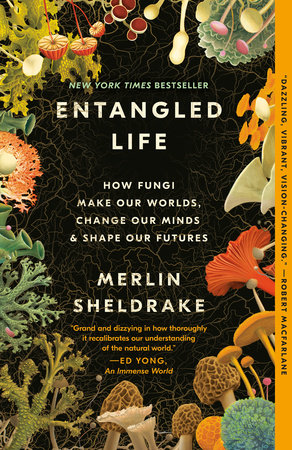
In Entangled Life, biologist Merlin Sheldrake uses fungi to challenge our ideas about individuality. Fungi form vast networks, exchange nutrients with plants, and create partnerships with other organisms. Even lichens are not single organisms but living relationships. The deeper Sheldrake looks, the harder it becomes to say where one life ends and another begins.
BOOK: Entangled Life
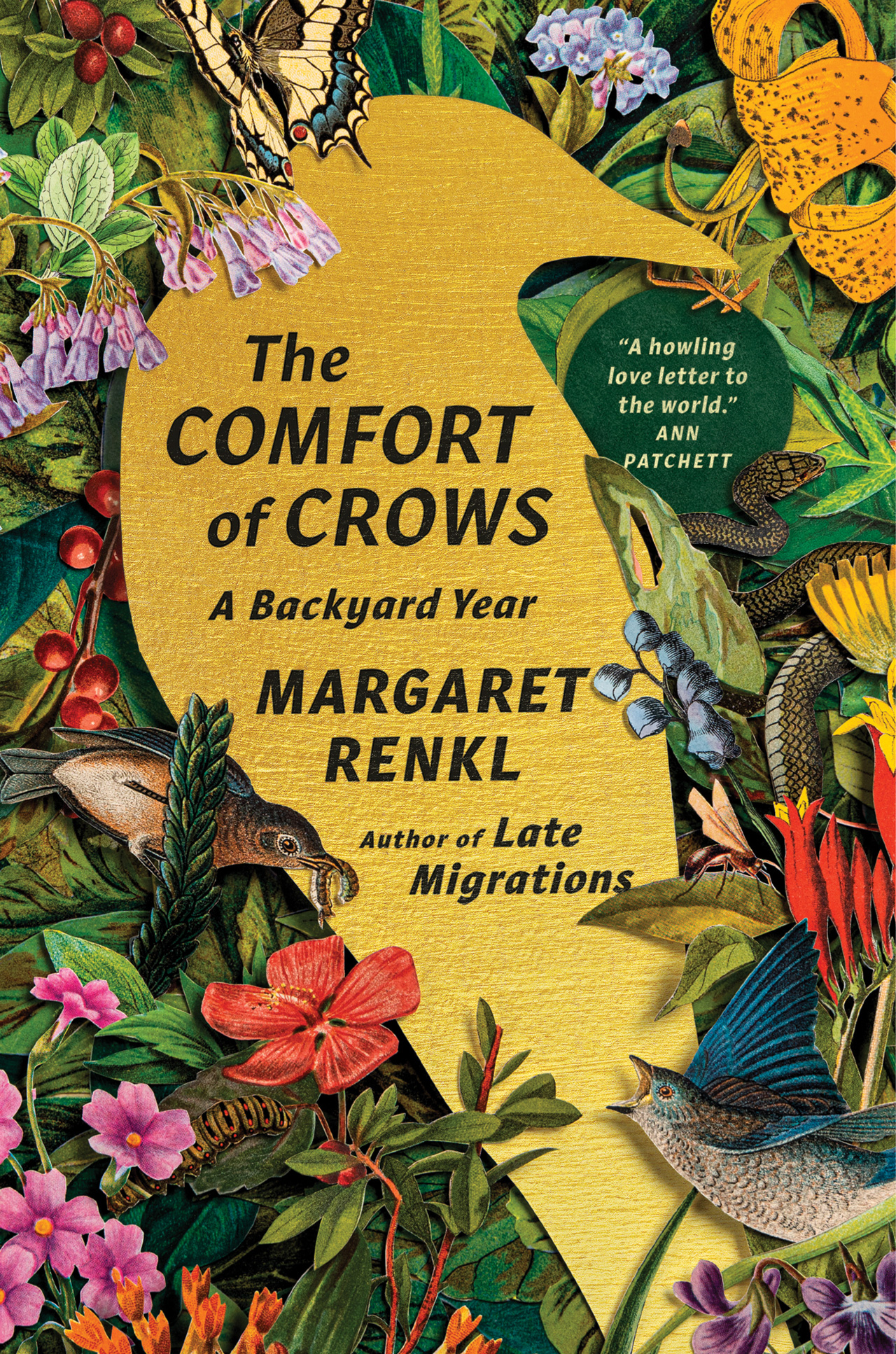
NATURE, ATTENTION
Your backyard is wilder than you are.
In The Comfort of Crows, Margaret Renkl spends fifty-two weeks paying close attention to the plants, animals, and changing seasons in her own backyard. She travels nowhere exotic and discovers nothing rare. Instead, by returning to the same familiar place day after day, she shows how much there is to see when we learn to pay attention.
BOOK: The Comfort of Crows
One liners
ARTICLE: Braiding knowledge: how Indigenous expertise and western science are converging.
ARTICLE: On New Year’s Day 2000, Scottish volunteers planted 100 trees in an almost treeless valley; today, more than 750,000 native trees and shrubs cover its slopes.
ARTICLE: In Brazil’s Cerrado region, Indigenous fire practices reshape wildfire strategy.
ARTICLE: Within a year of their reintroduction to an English woodland, beavers transformed the landscape into thriving wetlands, bringing back wildlife and helping reduce flooding.
ARTICLE: One year after 1,170 acres of Louisiana wetlands were rebuilt, shrimp, blue crabs and fish are already returning to the new habitat.
*About the illustration
Liang Kai’s early 13th-century Poet Strolling by a Marshy Bank offers a very different way of seeing landscape. Much Western landscape painting stages an encounter between humanity and Nature. Here, the poet is simply one presence among many—water, grasses, mist, trees, distant mountains. He neither dominates the landscape nor stands apart from it. He belongs within it. The scale is part of the meaning: we aren’t separate from the living world. We are part of it.
"Progress is people flourishing."
-Ted Gioia

Advocacy
"A remarkable story of self-possession under the most dehumanizing circumstances"
Before Susan B. Anthony, Rosa Parks, and Maggie Kuhn, there was Sojourner Truth. Today she’d be called a badass with brass balls. In her own time she was known as a “fiery abolitionist” and a “riveting preacher” with a straight-talking, unsentimental style.
ARTICLE: The Remarkable Untold Story of Sojourner Truth
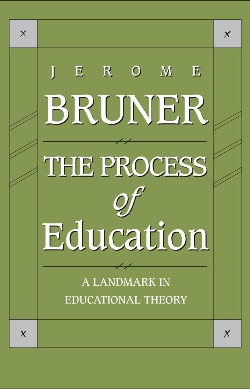
Curriculum
“Learning how to learn is the ultimate skill.”
Jerome Bruner wrote this book in 1960, when teaching largely relied on rote memorization, rigid curricula, and the passive transfer of facts from teacher to student. He was among the first to suggest that education’s highest purpose is to cultivate the ability to actively construct knowledge, not simply store information.
BOOK: The Process of Education

Joy
"Joy should be the ultimate goal of teaching and learning."
Gholdy Muhammad sees a pressing need for joy in school environments. She notes that teachers often tell her they feel overwhelmed and stressed, and the mental health of students is in serious decline.
AUTHOR INTERVIEW: Gholdy Muhammad Champions ‘Unearthing Joy’ in Her New Book
Teal
Books
Reimagining school leadership as a collaborative structure that empowers individuals at every level of the system.
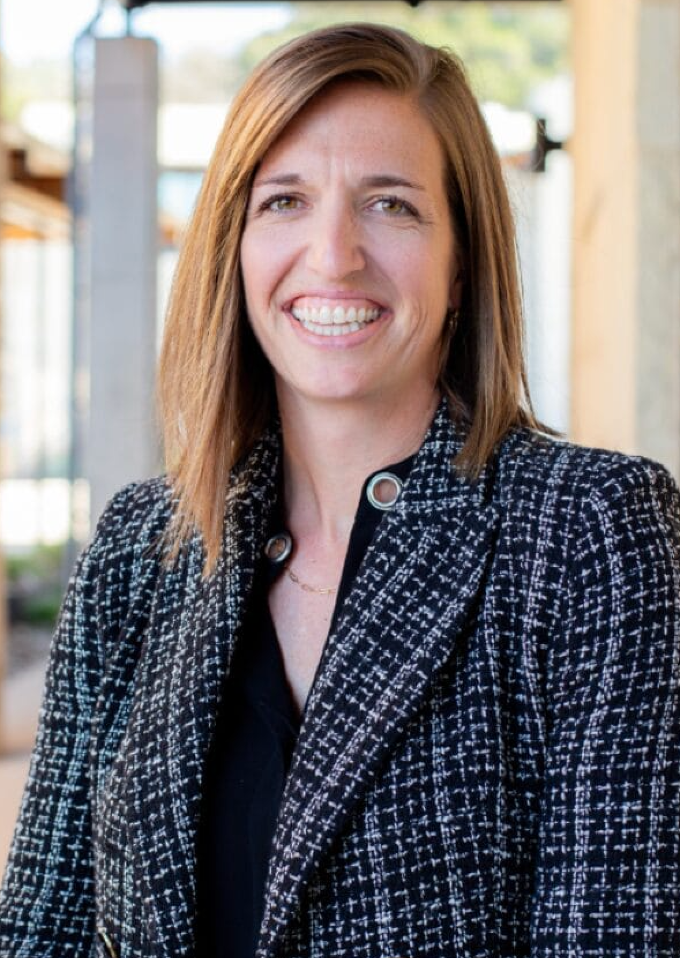
As a student of Teal Management principles popularized by Frederic Laloux in Reinventing Organizations, I was interested to read Dr. Lindsay Whorton’s ideas on rethinking leadership structures in schools.
BOOK: A New School Leadership Architecture: A Four-Level Framework for Reimagining Roles
Nature
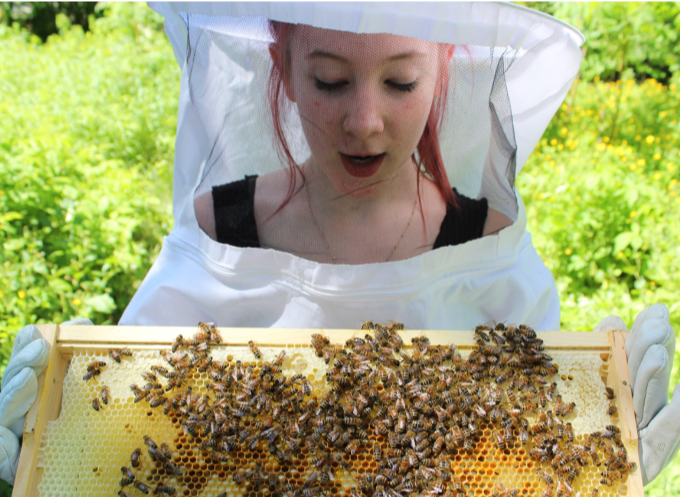
Outdoor time for students relieves stress and sets the stage for better memory, mood, and classroom behavior.
Outdoor time—often called “green time”—offers powerful benefits for student well-being and learning. Schools, especially those serving under-resourced communities, can play a crucial role in providing equitable access to nature, even with limited budgets and tight schedules.
ARTICLE: From Screen Time to ‘Green Time’: Going Outside to Support Student Well-Being

Age Diversity
Diverse learners need diverse instruction.
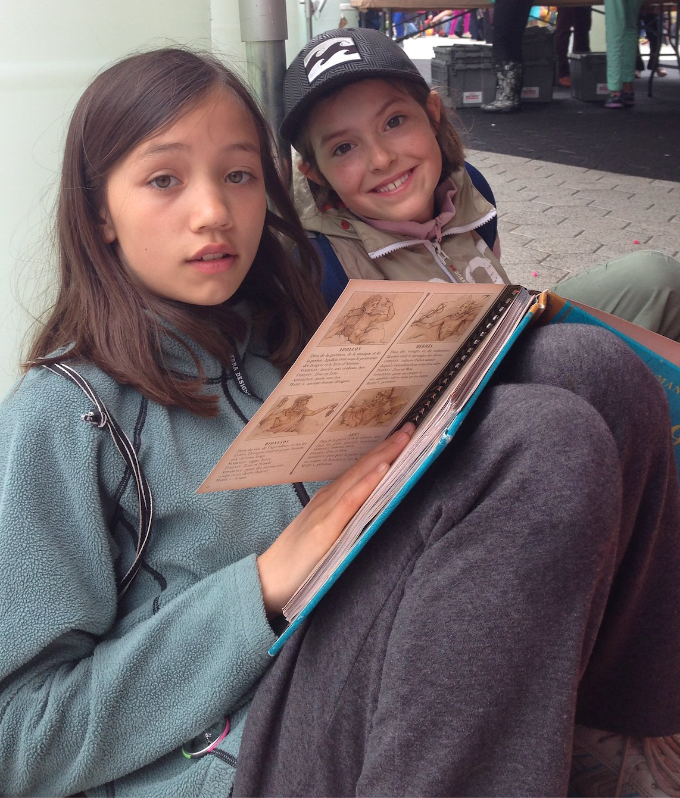
If you had stepped into a Rockford, Illinois elementary school classroom a few years ago, you’d have seen students grouped by grade, moving through lessons together.
ARTICLE: We Started Grouping Students by Reading Ability vs. Grade. Here’s What Happened
Self-Guided-Learning
“We do school differently.”
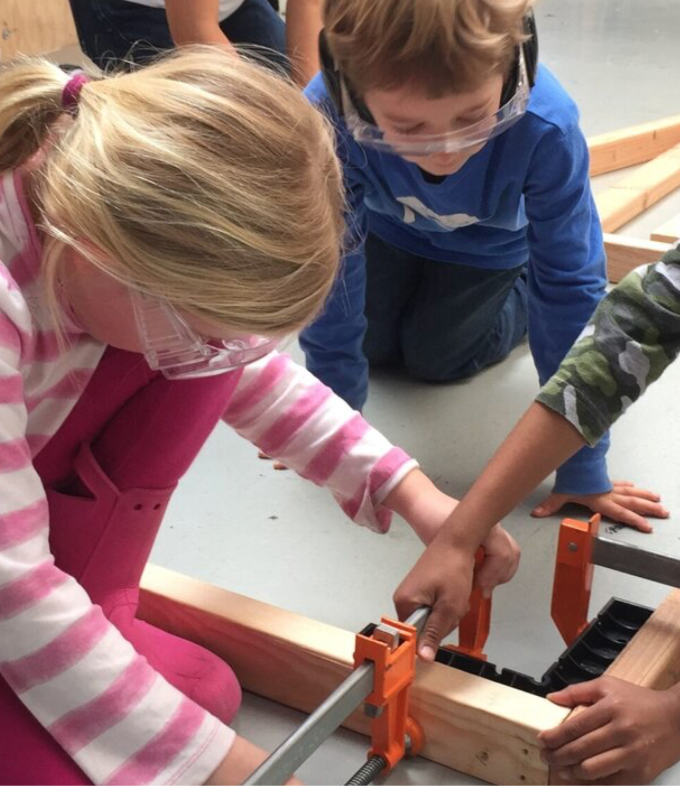
Gever Tulley describes his parents as beatniks. Growing up in Mendocino, California, often below the poverty line, he and his brother were given a great deal of freedom and largely left to their own devices after school.
ARTICLE: No Teachers and No Curriculum: Is This the School of the Future?
Alternative Futures
"The classroom remains the most radical space of possibility."
Anke Schwittay's work bridges anthropology, global development, and design. She is developing what she calls critical-creative pedagogy—teaching methods that invite experimentation, imagination, and deep engagement with social challenges.
WEBSITE: Creative Universities

Citizenship
How to help students become better conversationalists and more thoughtful citizens
Frederick J. Ryan, Jr.’s career spans law, politics, journalism, and nonprofit leadership. He served as Ronald Reagan’s Chief of Staff and later as publisher and CEO of The Washington Post (2014–2023). He co-founded Politico and currently chairs the Ronald Reagan Presidential Foundation & Institute, where he leads its new Center on Civility and Democracy.
ARTICLE: Teach Them to Disagree: Why Civility Belongs in Every Classroom
Zines
Zines can help us reshape what we teach for.
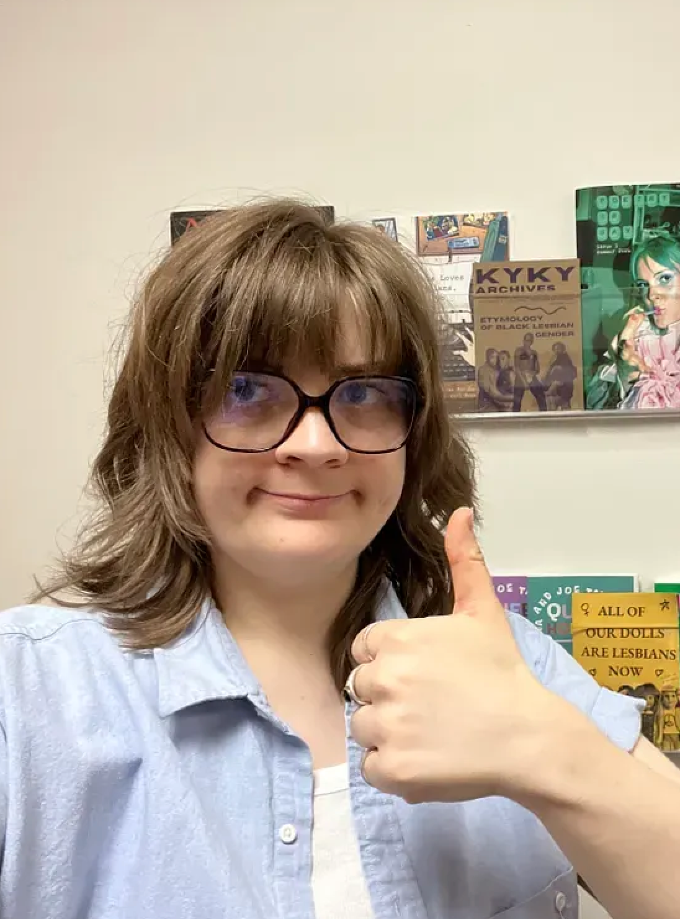
Abby Schleifer is the First Year Outreach Services Librarian at Pace University’s Birnbaum Library. In May, she shared a short reflection in her newsletter:“Hey, I work with college students often. Do you know what brings their attention back to the surface after years of Zoom classes, Generative AI cheating, and smartphone overload?"
ARTICLE: Paper Cuts Over Cut-and-Paste

